How to Plan Your First Europe Trip: Complete 2025 Guide
Planning your first trip to Europe? From choosing destinations to booking flights, this comprehensive guide covers everything you need to know for an amazing adventure!
Explorinder Team
Author
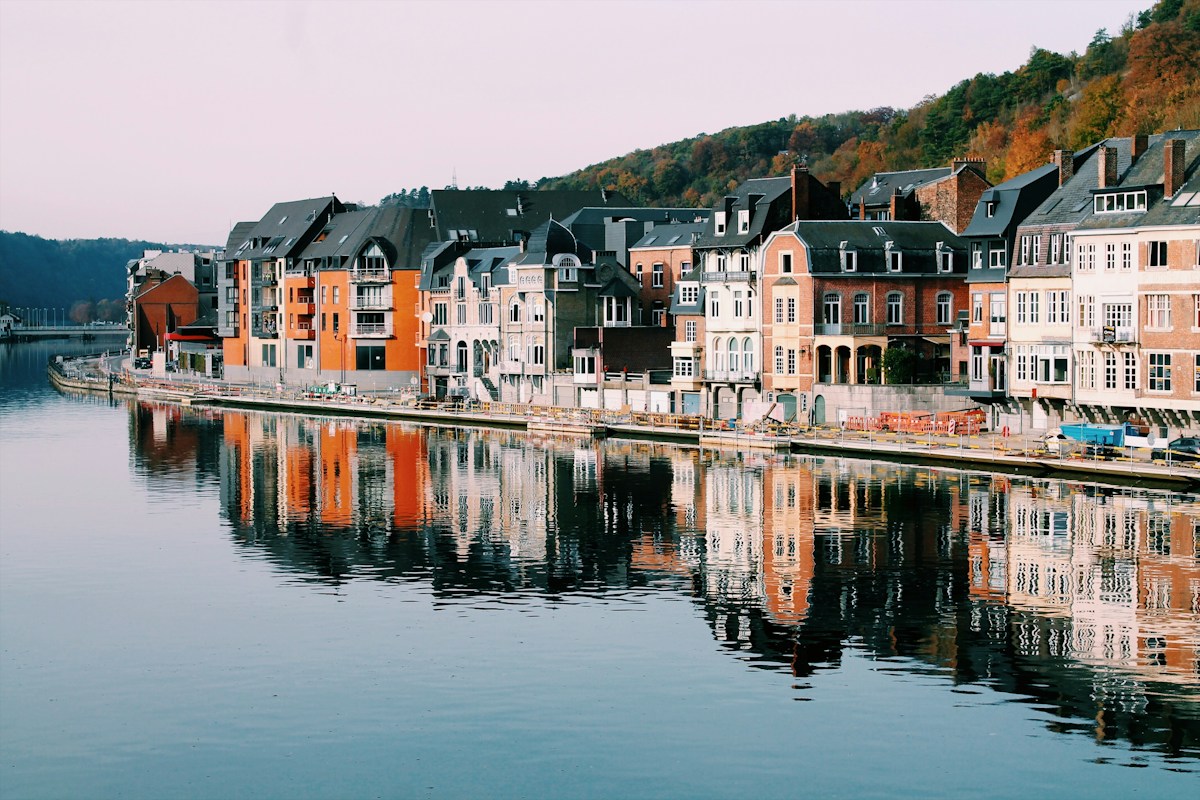
Europe has captivated travelers for centuries with its diverse cultures, stunning architecture, rich history, and world-renowned cuisine. But planning your first European adventure can feel overwhelming. With 44 countries and countless incredible destinations, where do you even begin?
Don't worry—we've got you covered. This comprehensive guide will walk you through every step of planning an unforgettable first trip to Europe, from choosing your destinations to packing your bags.
Step 1: Decide How Much Time You Have
Your trip length dramatically affects what you can realistically see. Here's what's achievable:
| Trip Length | Recommended | Example Itinerary |
|---|---|---|
| 7-10 days | 2-3 cities, 1-2 countries | Paris → Barcelona |
| 2 weeks | 3-4 cities, 2-3 countries | Rome → Florence → Venice → Vienna |
| 3 weeks | 5-6 cities, 3-4 countries | London → Paris → Amsterdam → Berlin → Prague |
| 1 month+ | 7+ cities, multiple countries | Grand tour of Western/Central Europe |
The Golden Rule: Don't try to see too much. It's better to deeply experience a few places than to rush through many.
Step 2: Choose Your Destinations
Most Popular First-Timer Destinations
These cities are popular for good reasons—great transport, English widely spoken, and iconic attractions:
The Classics:
- Paris, France – Romance, art, cuisine, the Eiffel Tower
- Rome, Italy – Ancient history, Vatican, incredible food
- London, England – Royal heritage, museums, iconic landmarks
- Barcelona, Spain – Gaudí architecture, beaches, vibrant nightlife
- Amsterdam, Netherlands – Canals, museums, cycling culture
Rising Favorites:
- Prague, Czech Republic – Stunning architecture, great value
- Lisbon, Portugal – Charm, history, fantastic food, affordable
- Budapest, Hungary – Thermal baths, nightlife, architecture
- Edinburgh, Scotland – Castle, history, stunning scenery
- Vienna, Austria – Music, coffee houses, imperial grandeur
Choosing Destinations That Flow Together
Geographic Logic: Plan destinations that make geographic sense to minimize travel time and cost. Group countries:
- Western Europe: France, Spain, Portugal
- Central Europe: Germany, Austria, Czech Republic, Hungary
- Southern Europe: Italy, Greece, Croatia
- Northern Europe: UK, Netherlands, Belgium, Scandinavia
- Eastern Europe: Poland, Baltic States, Balkans
Sample Multi-Country Routes:
-
Classic First-Timer Route (2 weeks) Paris → Swiss Alps → Italian Lakes → Venice → Florence → Rome
-
Central European Charm (2 weeks) Berlin → Dresden → Prague → Vienna → Budapest
-
Mediterranean Sun (2 weeks) Barcelona → Valencia → Granada → Seville → Lisbon
-
British Isles + Low Countries (2 weeks) London → Oxford → Edinburgh → Amsterdam → Bruges → Paris
Step 3: Plan Your Budget
Average Daily Costs by Region
| Region | Budget | Mid-Range | Comfortable |
|---|---|---|---|
| Western Europe (UK, France, Switzerland) | €80-120 | €150-250 | €300+ |
| Southern Europe (Spain, Italy, Portugal, Greece) | €60-100 | €120-200 | €250+ |
| Central Europe (Germany, Austria, Czech Republic) | €50-90 | €100-180 | €220+ |
| Eastern Europe (Poland, Hungary, Croatia) | €40-70 | €80-150 | €180+ |
Costs include accommodation, food, transport, and activities per person
Budget Breakdown Example (2 Weeks, Mid-Range)
| Expense | Cost |
|---|---|
| Round-trip flights | €400-800 |
| Accommodation (13 nights) | €1,000-1,500 |
| Transportation within Europe | €200-400 |
| Food | €400-600 |
| Activities and attractions | €200-400 |
| Miscellaneous | €200-300 |
| Total | €2,400-4,000 |
Money-Saving Tips
- Travel shoulder season (April-May, September-October)
- Book flights early (3-6 months ahead)
- Use budget airlines wisely (but check bag fees)
- Stay in apartments (save on eating out)
- Cook some meals (breakfast, picnic lunches)
- Take overnight trains/buses (save on accommodation)
- Get city passes when worthwhile
- Eastern Europe offers incredible value
Step 4: Book Transportation
Getting to Europe
Finding Cheap Flights:
- Use flight comparison sites (Google Flights, Skyscanner, Momondo)
- Be flexible with dates and airports
- Consider flying into one city and out of another (open-jaw ticket)
- Set price alerts for your routes
- Tuesday/Wednesday flights are often cheapest
Best Airports to Fly Into:
- London Heathrow/Gatwick – Great hub, extensive connections
- Paris CDG – Central European hub
- Amsterdam Schiphol – Excellent connections
- Frankfurt – Major hub, especially from US
- Dublin – Often cheap from North America, US preclearance
Getting Around Europe
Train Travel: The most scenic and comfortable way to travel Europe.
- Eurail Pass – Best for extensive travel across multiple countries
- Point-to-point tickets – Often cheaper for short trips
- Book in advance – High-speed trains (TGV, Eurostar) are cheaper early
- Night trains – Save on hotel costs, wake up in new city
Budget Airlines: Cheap flights connect European cities.
- Ryanair, easyJet, Wizz Air – Low base fares
- Watch for extras – Bag fees can exceed ticket price
- Arrive early – Budget carriers are strict about timing
- Use secondary airports – Often far from city centers
Buses: The cheapest ground option.
- FlixBus – Europe's largest bus network
- Comfortable overnight options – Save on accommodation
- Best for budget travelers – Often 1/3 the train price
Recommendation: Mix transport modes. Use trains for scenic routes, budget flights for long distances, buses for budget stretches.
Step 5: Book Accommodation
Types of Accommodation
Hotels (€60-200+/night):
- Reliable, comfortable
- Book via Booking.com or Hotels.com
- Look for deals and loyalty rewards
Hostels (€20-50/night):
- Social atmosphere, great for solo travelers
- Book via Hostelworld
- Private rooms available in most
- Not just for young travelers!
Vacation Rentals (€50-150+/night):
- Kitchen access saves money
- Great for groups or families
- More space and local feel
- Check regulations (some cities restrict rentals)
Boutique/Design Hotels (€80-200/night):
- Unique experiences
- Often better value than chains
- Use Design Hotels or Mr & Mrs Smith
Where to Stay
Stay central if possible – Saves time and transport costs Research neighborhoods – Some central areas are better than others Book refundable when possible – Plans change
Step 6: Plan Your Activities
Pre-Booking Essential
Some attractions require advance tickets:
-
Must book early:
- Vatican Museums, Rome
- Anne Frank House, Amsterdam
- Uffizi Gallery, Florence
- Sagrada Familia, Barcelona
- Palace of Versailles, Paris
- Colosseum underground tours
-
Book a few days ahead:
- Eiffel Tower summit
- Louvre (skip the line)
- Tower of London
- Most popular day tours
Building Your Daily Itinerary
Don't over-schedule:
- 2-3 major activities per day maximum
- Include buffer time for wandering
- Plan rest time, especially after flights
- Leave room for spontaneous discoveries
Mix activity types:
- Morning: Major attraction (fewer crowds)
- Midday: Lunch, wandering, local life
- Afternoon: Secondary sight or neighborhood exploration
- Evening: Food, nightlife, or sunset views
Step 7: Handle Practical Matters
Passport and Visa
- Check passport validity – Most countries require 6+ months validity
- Schengen Zone – US/UK/Canadian citizens get 90 days visa-free
- UK is separate – Requires separate passport check post-Brexit
- ETIAS coming soon – Pre-travel authorization for visa-exempt travelers
Money
- Euro is king – Used in 20 countries
- Cards widely accepted – But carry some cash
- Get a no-foreign-fee card – Saves 3% on every purchase
- ATMs are cheapest for cash – Avoid currency exchange booths
- Tip less than in US – Service included in most European countries
Phone and Internet
- EU roaming is free – If you have a European SIM
- Buy a local SIM – Much cheaper than roaming
- eSIM options – Airalo, Holafly, etc.
- Free WiFi – Available in hotels, cafes, some public areas
Health and Safety
- Get travel insurance – Covers medical, trip cancellation
- EHIC/GHIC cards – For UK/EU citizens
- Prescriptions – Bring enough medication
- Emergency number – 112 works across Europe
- Pickpockets – Main concern, stay aware in crowds
Step 8: Pack Smart
Packing List Essentials
The Rule: Pack light. You'll thank yourself carrying bags through train stations.
Clothing:
- 4-5 tops
- 2 pants/shorts
- 1 dress/nice outfit
- Light layers (weather changes!)
- Comfortable walking shoes
- One nicer pair of shoes
- Rain jacket or compact umbrella
Electronics:
- Universal power adapter (Europe uses Type C/E/F)
- Portable charger
- Phone and camera
- Headphones
Documents:
- Passport (and copies)
- Insurance documents
- Booking confirmations
- Credit/debit cards
- Some local cash
Other:
- Day bag/backpack
- Toiletries (basics only, buy more there)
- Medications
- Sunscreen and sunglasses
- Reusable water bottle
Common First-Timer Mistakes to Avoid
- Trying to see too many cities – Quality over quantity
- Booking tight connections – Leave buffer time
- Ignoring time zones and jet lag – Plan a rest day
- Carrying too much cash – Cards are safer
- Skipping travel insurance – Always worth it
- Eating in tourist traps – Walk a few blocks away
- Not learning basic phrases – Hello, please, thank you
- Over-packing – You can always buy things there
- Not checking museum closures – Many close Mondays
- Expecting everything to be like home – Embrace the differences!
Sample First-Timer Itineraries
The Classic 10-Day Intro
Days 1-3: Paris, France
- Eiffel Tower, Louvre, Montmartre
- Day trip to Versailles
Days 4-6: Barcelona, Spain
- Sagrada Familia, Park Güell, Gothic Quarter
- Beach day and tapas
Days 7-9: Rome, Italy
- Colosseum, Vatican, Trastevere
- Roman food tour
Day 10: Fly home
The Grand Circle (3 Weeks)
Week 1: London → Paris → Swiss Alps Week 2: Venice → Florence → Rome Week 3: Barcelona → Madrid → Home
Plan Your Perfect Europe Trip with Explorinder
Feeling inspired but still overwhelmed? Let Explorinder help you create a personalized Europe itinerary. Our AI-powered trip planner considers your interests, pace, and budget to craft the perfect route through Europe.
Whether you're dreaming of Paris cafes, Tuscan countryside, or Prague's fairy-tale streets, start planning your first European adventure today with Explorinder!
The hardest part of planning your first Europe trip is narrowing down where to go. The best part? There's always next time for everywhere else.