

Wine Tour: Paarl, Franschhoek & Stellenbosch incl 3 wineries
4.96173 opinie8h
od 265 zł
Sprawdź dostępność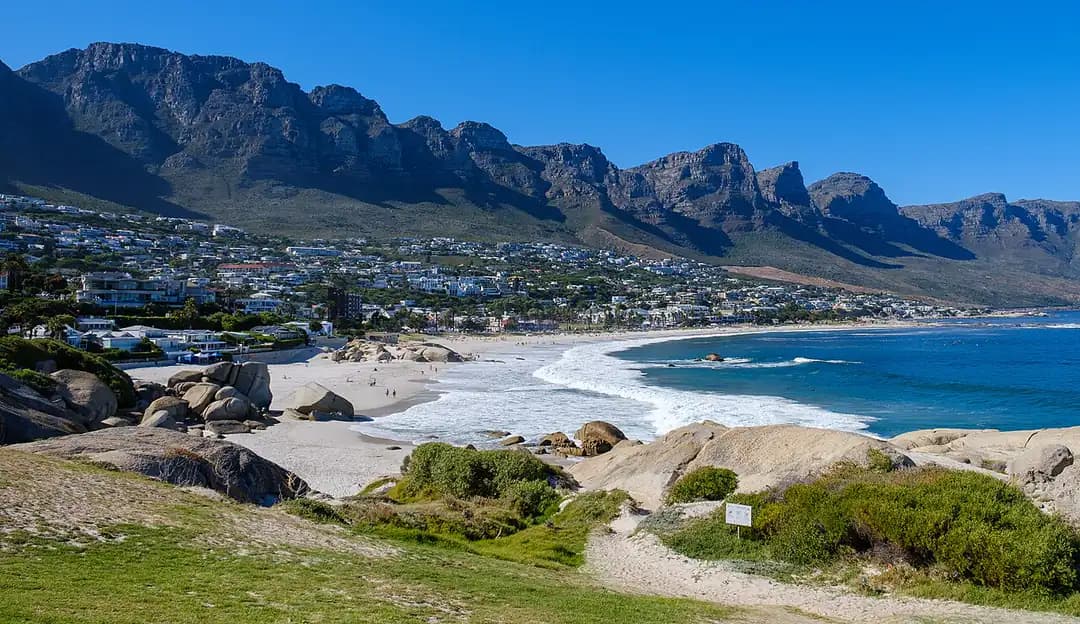
South Africa
Cape Town isn't just a city; it's a dramatic collision of mountain, sea, and history. The iconic flat-topped Table Mountain isn't just a backdrop—it's a living playground you can hike up via Platteklip Gorge or ascend via rotating cable car for 360-degree views over the city bowl, Atlantic Seaboard, and Robben Island. This 'Mother City' cradles a vibrant cultural tapestry, from the colorful houses of the Bo-Kaap and the poignant history of District Six to the contemporary buzz of the V&A Waterfront, all set against a coastline where penguins waddle on beaches and whales breach in the bay.
Beyond the urban energy, the Cape's soul is found in its wild edges. Drive the winding Chapman's Peak Drive, one of the world's most spectacular coastal roads, to reach the raw, windswept cliffs of the Cape of Good Hope. Within an hour, you can be sipping world-class Chenin Blanc in the historic vineyards of Stellenbosch or Franschhoek, with the rugged peaks of the Hottentots Holland mountains as your view. Cape Town defies a single definition, offering a compact, thrilling blend of cosmopolitan flair and untamed natural beauty that few other destinations can match.
Iconic Natural Landmarks: Experience the awe of Table Mountain, whether by hiking, cable car, or abseiling. Explore the Cape Peninsula's dramatic tip at the Cape of Good Hope and encounter African penguins at Boulders Beach.
World-Class Wine Regions: Tour the historic Cape Winelands in Stellenbosch, Franschhoek, and Constantia. Enjoy tastings of acclaimed Pinotage and Sauvignon Blanc in stunning vineyard settings, often with mountain views.
Incredible Coastal Diversity: From the trendy beach clubs of Camps Bay and Clifton to the surfing waves of Muizenberg and the whale-watching haven of Hermanus, the coastline offers something for every beach lover and ocean enthusiast.
Rich & Complex History: Engage with South Africa's journey at the UNESCO World Heritage site of Robben Island, the moving District Six Museum, and the brightly painted streets of the Bo-Kaap, the historic Malay Quarter.
Thriving Food & Design Scene: Savor a culinary revolution from gourmet markets like the Oranjezicht City Farm Market to fine-dining restaurants. Discover local design, art, and craft at the Watershed at the V&A Waterfront and Woodstock's galleries.
Accessible Big 5 Safaris: Go on a genuine safari without a long internal flight. Several private game reserves in the Eastern Cape, like Aquila or Sanbona, offer malaria-free Big 5 game drives within a 2-3 hour drive from the city.
Gotowy na odkrywanie Kapsztad?
The bustling heart of Cape Town, framed by Table Mountain and Signal Hill. The V&A Waterfront is a working harbour turned premier shopping, dining, and entertainment district, while the adjacent City Bowl houses government, business, and the Company's Garden.
Highlights:
Best for:
A glamorous stretch of coastline along Victoria Road, famous for its white-sand beaches, trendy cafes, and stunning sunset views over the Atlantic Ocean. It's the city's prime spot for seeing and being seen.
Highlights:
Best for:
Bo-Kaap is Cape Town's most photogenic neighborhood, known for its brightly painted Cape Dutch and Georgian houses and rich Cape Malay heritage. Neighboring De Waterkant is a chic, cobblestoned area with Cape Quarter lifestyle village, cafes, and guesthouses.
Highlights:
Best for:
The city's hip, regenerated creative hub. Former industrial warehouses now host cutting-edge art galleries, designer studios, craft breweries, and some of Cape Town's most innovative restaurants and street art tours.
Highlights:
Best for:
Wycieczki i bilety, które podróżni rezerwują najczęściej, z ocenami z Viator.
od 265 zł
Sprawdź dostępność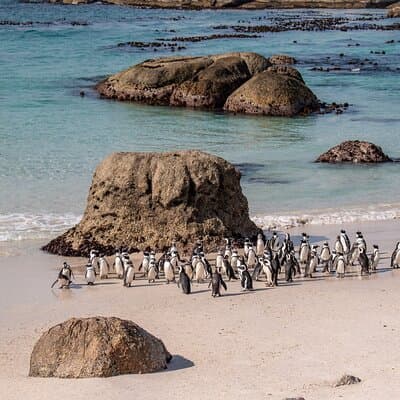
od 196 zł
Sprawdź dostępność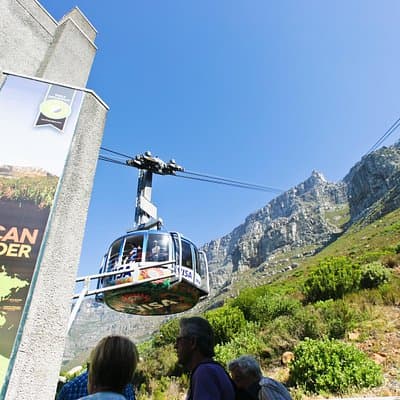
od 254 zł
Sprawdź dostępność
Wycieczki i ceny z Viator, firmy Tripadvisor. Ceny zależą od terminu. Możemy otrzymać prowizję, jeśli zarezerwujesz – bez dodatkowych kosztów dla Ciebie.
Cape Town's food scene is a delicious reflection of its cultural diversity, blending indigenous ingredients with Cape Malay, African, and European influences. From fine dining in historic wine estates to vibrant street food markets, it's a city for adventurous eaters.
For an authentic Cape Malay experience, book a cooking class in a Bo-Kaap home to learn the secrets of spices like rooibos and masala.
Markets are cash-friendly but most vendors also take SnapScan or card. Go early for the best selection and to avoid crowds.
Book fine dining restaurants months in advance, especially for world-renowned spots. Many offer exceptional value tasting menus with wine pairings.
For the freshest catch, head to the fishing village of Hout Bay or Kalk Bay and eat at a restaurant right on the harbour.
September to November brings warmer weather, blooming wildflowers (especially in the West Coast National Park), and less wind. It's a beautiful, lively time to visit.
Pros:
Cons:
December to February is peak season with long, hot, sunny days perfect for beach life, festivals, and outdoor dining. The city is vibrant and bustling.
Pros:
Cons:
March to May offers stable, warm weather with calm winds and golden light. The sea is at its warmest, and the Winelands are stunning with autumn foliage.
Pros:
Cons:
June to August is the rainy season with cooler temperatures, but also offers dramatic cloudscapes over Table Mountain (the 'tablecloth'), lower prices, and whale watching along the coast.
Pros:
Cons:
Porównaj ceny pociągów, autobusów i lotów do Cape Town
Wpisz miasto wyjazdu, aby zobaczyć ceny

Full day by car (1.5-2 hours one way to the Cape)
A spectacular coastal drive encompassing dramatic cliffs, pristine beaches, and the iconic southwestern tip of Africa. It's a journey through the Table Mountain National Park with incredible biodiversity.
45 min - 1 hour by car from Cape Town
Explore South Africa's most famous wine region, with historic Cape Dutch architecture, world-class vineyards, and gourmet restaurants set against majestic mountain backdrops.
1.5 - 2 hours by car from Cape Town
The world's best land-based whale watching destination (peak season June-Nov). A charming coastal town with cliff-path walks, great seafood, and stunning scenery along Walker Bay.
Cape Town offers excellent value, especially for dining, wine, and activities compared to other major global destinations. Costs can vary widely between budget hostels and ultra-luxury lodges.
Budget
€40-70 / $45-75 per day (hostel dorm, self-catering, public transport, free hikes)
per day
Mid-Range
€100-200 / $110-220 per day (private hotel room, eating out for most meals, Uber/tours, paid attractions)
per day
Luxury
€300+ / $330+ per day (5-star hotel, fine dining, private guides, helicopter tours)
per day
A curvaceous, elevated steel and wood walkway that snakes through the treetops of the Kirstenbosch National Botanical Garden.
It offers a unique, peaceful perspective of the beautiful gardens and the mountain slopes, feeling like a walk in a giant living sculpture. It's often less crowded than the main garden paths.
Two cannons fired every day at precisely 12:00 from Signal Hill, a tradition dating back to 1806.
It's a quirky, free piece of living history. You can watch the ceremony at the Lion Battery on Signal Hill for a unique view and a very loud bang that echoes across the city.
A section of the park on the Constantia side of the mountain, featuring a serene reservoir, easy walking trails, and picnic spots.
It's far less crowded than the main Table Mountain Platteklip area, offers stunning views over False Bay, and permits swimming in the reservoir (unlike most mountain dams).
A lively, indoor/outdoor food and lifestyle market in the up-and-coming Muizenberg area, housed in a converted garage.
It has a fantastic local, community vibe with great food stalls, live music, and artisan goods, without the tourist crowds of the more famous Neighbourgoods Market.
A small, grassy picnic and braai area tucked between the glamorous Clifton and Camps Bay beaches.
It offers the same incredible views of the Twelve Apostles and Camps Bay as the expensive beachfront cafes, but for free. It's a perfect, affordable spot for a sunset picnic.
Cape Town's culture is a complex, layered blend of indigenous Khoisan, African, Dutch, British, Malay, and Indian influences, creating a uniquely South African identity. It's a city of stark contrasts and ongoing transformation, where creativity, resilience, and a love for the outdoors are central.
Cape Town is generally safe for tourists who take standard precautions. Stick to well-trafficked areas, don't flash valuables, use Uber at night, and be vigilant in the City Bowl after dark. Petty crime like pickpocketing can occur in crowded areas. Always follow local advice from your accommodation.
Visa requirements vary by nationality. Many Western countries (USA, UK, EU, Canada, Australia) do not need a visa for stays up to 90 days for tourism. Always check the latest requirements with the South African Department of Home Affairs or your embassy well before travel, as rules can change.
Uber or Bolt are the most convenient and affordable options for most tourists. The MyCiTi bus is good for specific routes (Waterfront, Atlantic Seaboard). Renting a car is recommended for exploring the Peninsula and Winelands independently. Walking is great in central, tourist-friendly areas during the day.
Yes, tap water in Cape Town is safe to drink and of very high quality. It's sourced from mountain reservoirs. You can refill bottles to reduce plastic waste. In rural areas or townships, it's advisable to stick to bottled water.
Pack layers! Include shorts and t-shirts for summer days, but also a light jacket, sweater, and long pants for cool evenings and windy days. Essential items: comfortable walking shoes, swimsuit, sun hat, high-SPF sunscreen, a reusable water bottle, and a power adapter (Type M, 3 round pins).
Yes, but manage expectations. True Big 5 safaris require a 2-3 hour flight to Kruger. However, several private game reserves in the Eastern and Western Cape (like Aquila, Sanbona, Gondwana) offer malaria-free Big 5 game drives within a 2-3 hour drive. They are smaller and the landscape is different from the classic bushveld.
The currency is the South African Rand (ZAR). Credit and debit cards (Visa/Mastercard) are widely accepted in hotels, restaurants, and shops. It's still useful to carry some cash for markets, tips, and smaller vendors. ATMs are widely available.
Loadshedding is scheduled power outages implemented by the national utility to manage demand. Most hotels, guesthouses, and many restaurants have backup generators or inverters. Check the loadshedding schedule (EskomSePush app is useful) and plan accordingly – carry a power bank for your devices.
Typowe dzienne koszty dla jednej osoby, od budżetowej po komfortową podróż.
| Budżetowo | Średnio | Komfortowo | |
|---|---|---|---|
| Nocleg (za noc) | 152 zł | 370 zł | 761 zł |
| Jedzenie i napoje (dziennie) | 43 zł | 96 zł | 183 zł |
| Zwiedzanie i atrakcje (dziennie) | 26 zł | 78 zł | 196 zł |
| Razem dziennie | 222 zł | 543 zł | 1139 zł |
Szacunki nie obejmują lotów ani transportu dalekobieżnego. Porównaj dzienne koszty w różnych miastach
Hotele w pobliżu centrum (Kapsztad), od budżetowych po luksusowe. Ceny to typowe stawki za noc w momencie naszego ostatniego sprawdzenia.
 Budżetowe
 Budżetowe
 Średnia klasa
 Średnia klasa
 Wyższy standard
 Wyższy standard
 Luksusowe
 Luksusowe
Ceny hoteli pochodzą z Traveloka, sprawdzone ostatnio 4 lutego 2026, i zmieniają się w zależności od terminu. Jeśli zarezerwujesz przez nasze linki, możemy otrzymać prowizję – bez dodatkowych kosztów dla Ciebie.
Pozwól AI stworzyć idealny plan podróży do Kapsztad. Po prostu opisz, czego chcesz doświadczyć.
Zaplanuj podróż do Kapsztad

