
Meilleure Période pour Visiter
April to June, September to October
Devise
Serbian Dinar (RSD)
Langue
Serbian
Fuseau Horaire
CET (UTC+1)
Discover Belgrade
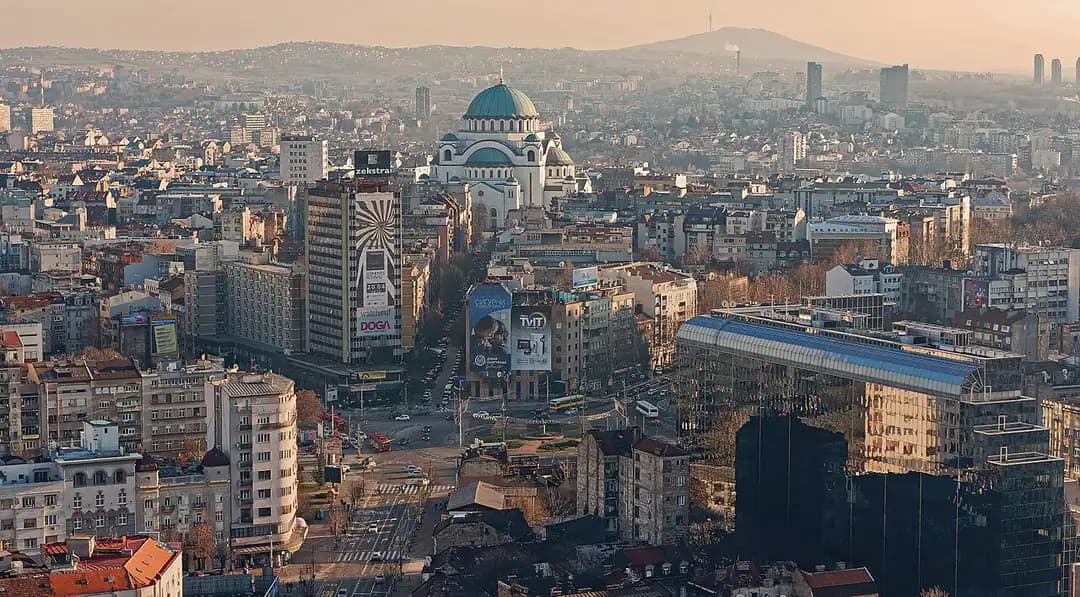
Belgrade is a city of energy and contrasts. Perched on a ridge where the Sava flows into the Danube, it has been fought over, destroyed and rebuilt dozens of times, and every era has left its mark: a Roman and Ottoman fortress at Kalemegdan, Austro-Hungarian facades in Zemun, grand Yugoslav modernist blocks in New Belgrade and brand-new riverfront developments.
What visitors remember most is the atmosphere. Belgraders live outdoors in cafés and kafanas, sunset at the fortress walls is a daily ritual, and the city's nightlife, from river rafts called splavovi to hidden bars in old courtyards, is legendary. Food is generous and cheap, centred on grilled meats, slow-cooked stews and fresh bread, washed down with rakija.
For travellers, Belgrade offers remarkable value, warm hospitality and a history that helps make sense of the Balkans and the former Yugoslavia. It is also a gateway to Novi Sad, the Danube and the monasteries of Fruška Gora.
Why Visit Belgrade?
Watch the sunset over the confluence of the Sava and Danube from the walls of Belgrade Fortress.
Experience some of Europe's most famous nightlife, from river splavovi to courtyard bars.
Eat hearty Serbian food at old-style kafanas for very reasonable prices.
Learn about Yugoslavia at the Museum of Yugoslavia and Tito's House of Flowers.
See the vast Temple of Saint Sava, one of the largest Orthodox churches in the world.
Explore Zemun's riverside streets, an Austro-Hungarian town within the city.
Belgrade est Connue Pour
Prêt à explorer Belgrade?
Belgrade Neighborhoods
Dorćol
One of the city's oldest districts, running from the centre down to the Danube, with a mix of historic streets, trendy cafés, design shops and a riverside promenade.
Highlights:
Best for:
Savamala
A former port district on the Sava, known for its art spaces, street art and bars, now mixed with the new Belgrade Waterfront development.
Highlights:
Best for:
Vračar
A residential and elegant neighbourhood around the Temple of Saint Sava, with leafy streets, cafés and some of the city's best restaurants.
Highlights:
Best for:
Zemun
Once a separate town on the Austro-Hungarian side of the border, Zemun has cobbled lanes, a riverside promenade lined with fish restaurants and views from Gardoš hill.
Highlights:
Best for:
Principales Attractions
Local Tips & Insider Knowledge
- •Serbia uses the dinar (RSD); cards are widely accepted, but carry cash for small kafanas and markets.
- •Use ride-hailing apps or call taxis rather than hailing cabs at the airport or stations to avoid overcharging.
- •Smoking is still allowed in some bars and restaurants, so ask for a non-smoking area if it matters to you.
- •Arrive at the fortress about an hour before sunset for the best light over the rivers.
- •Many splavovi (river clubs) only open in the warmer months.
- •Try burek for breakfast from a pekara (bakery), usually with a drinkable yoghurt.
- •Book popular kafanas in Skadarlija and Dorćol at weekends.
- •City buses, trams and trolleybuses have been free for everyone since January 2025, so you do not need a ticket.
- •Visit the Nikola Tesla Museum at opening time, as tours fill up quickly.
- •Dress smartly for clubs; Belgrade nightlife can be stylish.
Belgrade Food Scene
Serbian food is generous and meat-focused, built around the grill (roštilj), slow-cooked stews, pickled vegetables and fresh dairy products like kajmak. Belgrade has traditional kafanas, fish restaurants on the rivers and a growing contemporary Balkan food scene.
Must-Try Dishes
Traditional Kafanas
- • Grilled meats
- • Sarma
- • Shopska salad with rakija
Kafanas in Skadarlija often have live starogradska (old town) music in the evenings.
River Fish
- • Fish soup (riblja čorba)
- • Grilled carp and catfish
- • Fried small fish
Zemun's quay has a line of fish restaurants that are perfect for a long lunch by the Danube.
Bakeries and Street Food
- • Burek
- • Pljeskavica sandwiches
- • Kifle
Burek is traditionally eaten for breakfast; late-night pljeskavica is the classic end to a night out.
Markets
- • Kalenić Market produce
- • Kajmak and cheeses
- • Honey and rakija
Kalenić Market in Vračar is a good place to try local cheeses and seasonal fruit.
Populaire Auprès
Best Time to Visit Belgrade
Spring
Spring is mild and green, with outdoor cafés reopening and pleasant weather for walking.
Pros:
- + Pleasant temperatures
- + Blooming parks
- + Fewer tourists
Cons:
- - Rain showers
- - Some splavovi not open yet
- - Variable weather
Summer
Summer is hot and lively, with river clubs, Ada Ciganlija's beaches and outdoor festivals in full swing.
Pros:
- + Peak nightlife
- + Lake beaches
- + Festivals
Cons:
- - Heat waves
- - Humidity
- - Mosquitoes by the rivers
Autumn
Autumn brings warm days, golden parks and the harvest season, with good conditions for both city walks and day trips.
Pros:
- + Comfortable weather
- + Wine harvest
- + Beautiful parks
Cons:
- - Shorter days
- - Cool evenings
- - Some river clubs close
Winter
Winter is cold and can be grey or snowy, but cosy kafanas, New Year celebrations and low prices compensate.
Pros:
- + Low prices
- + Festive season
- + Cosy kafana culture
Cons:
- - Cold, sometimes snowy
- - Air quality issues
- - Short days
Trouvez un transport pas cher vers Belgrade
Comparez les prix des trains, bus et vols vers Belgrade
Entrez votre ville de départ pour voir les prix

Réserver des Activités à Belgrade
Évitez la file avec des visites et attractions pré-réservées
Day Trips from Belgrade
Novi Sad and Petrovaradin
About 40 minutes by high-speed train
Serbia's second city has a charming pedestrian centre and the huge Petrovaradin Fortress above the Danube, home to the EXIT festival.
Sremski Karlovci
About 1 hour by car
A small baroque town of churches, seminaries and wine cellars at the foot of Fruška Gora, famous for its Bermet dessert wine.
Fruška Gora Monasteries
About 1-1.5 hours by car
A low mountain range dotted with Orthodox monasteries, vineyards and forest trails, now a national park.
Belgrade Budget Guide
Belgrade is very affordable for most visitors: meals, drinks and taxis are cheap, while hotels offer good value compared with EU capitals.
Budget
€35-55 for budget travelers (hostel, bakeries, kafanas, public transport)
per day
Mid-Range
€70-120 for mid-range (hotel, restaurant meals, taxis, museums)
per day
Luxury
€180+ for luxury (5-star hotel, fine dining, private tours)
per day
Money-Saving Tips
- •Eat at kafanas and pekaras for great value meals.
- •Walk or ride the free city buses and trams in the centre.
- •Use ride-hailing apps to avoid taxi scams.
- •Many sights, like the fortress and parks, are free.
- •Exchange money at official exchange offices (menjačnica) for fair rates.
Belgrade Hidden Gems
Gardoš Tower
A late 19th-century tower on a hill above Zemun, with sweeping views over the Danube and the city.
It offers one of the best viewpoints in Belgrade and is surrounded by quiet old lanes.
Museum of Yugoslavia
A museum complex including the House of Flowers, where Josip Broz Tito is buried, and exhibits on Yugoslav history.
It is essential for understanding the country and region's 20th-century story.
Great War Island
A protected, uninhabited island at the confluence of the rivers, home to birds and wildlife, visible from the fortress.
It is a wild nature reserve right in the middle of the city, visited on boat trips in summer.
Ružica Church
A small church within the fortress grounds with chandeliers made from spent bullet casings and swords.
Its unusual decoration makes it one of the most surprising sights in Belgrade.
Kalenić Market
A traditional covered and open-air market in Vračar selling farm produce, cheeses and homemade products.
It is a great window into local food culture, away from the tourist crowds.
Belgrade Culture & Customs
Serbs are known for their hospitality, directness and love of socialising. The Orthodox Church shapes holidays and family celebrations such as the slava, a family's patron saint day. Music, from folk to turbo-folk and rock, is everywhere.
Cultural Etiquette
- •Look people in the eye when toasting and say 'živeli'.
- •Accept offered food and drink when visiting a home; refusing can seem impolite.
- •Dress respectfully when entering churches.
- •Tipping around 10% is customary in restaurants.
- •Avoid bringing up the 1990s wars casually in conversation.
Useful Phrases
Frequently Asked Questions about Belgrade
Is Belgrade worth visiting?
Yes. Belgrade offers fascinating history, a famous nightlife scene, excellent food and great value, and is an easy gateway to the rest of Serbia and the Balkans.
Is Belgrade safe for tourists?
Belgrade is generally safe. Use usual precautions against pickpockets and use official taxis or apps to avoid overcharging.
How many days do you need in Belgrade?
Two to three days covers the main sights, Zemun and a night out. Add a day for Novi Sad and Sremski Karlovci.
What currency is used in Belgrade?
Serbia uses the Serbian dinar (RSD). Euros are not generally accepted in shops, but cards work in most places.
Is English spoken in Belgrade?
Many people, especially younger Belgraders, speak good English. Serbian uses both Cyrillic and Latin alphabets.
When is the best time to visit Belgrade?
Late spring and early autumn offer pleasant weather. Summer is the peak for nightlife and river life but can be very hot.
What is Belgrade famous for?
Its fortress at the confluence of two rivers, nightlife, kafana culture, grilled food and its role as the former capital of Yugoslavia.
Can you do a day trip from Belgrade to Novi Sad?
Yes. High-speed trains take around 40 minutes, making Novi Sad and Petrovaradin Fortress an easy day trip.
Belgrade Itinéraires
Guides de Voyage
Comparer avec D'autres Villes
Se rendre à Belgrade et en repartir
Liaisons populaires en train, bus et avion, avec temps de trajet et tarifs.
Planifiez votre aventure à Belgrade
Laissez l'IA créer l'itinéraire parfait pour votre voyage à Belgrade. Décrivez simplement ce que vous voulez vivre.
Planifier Belgrade


