
Curly Tour - Excursion d'une journée au départ de Cluj :)
5.0364 avis8h
dès 93 €
Voir les disponibilités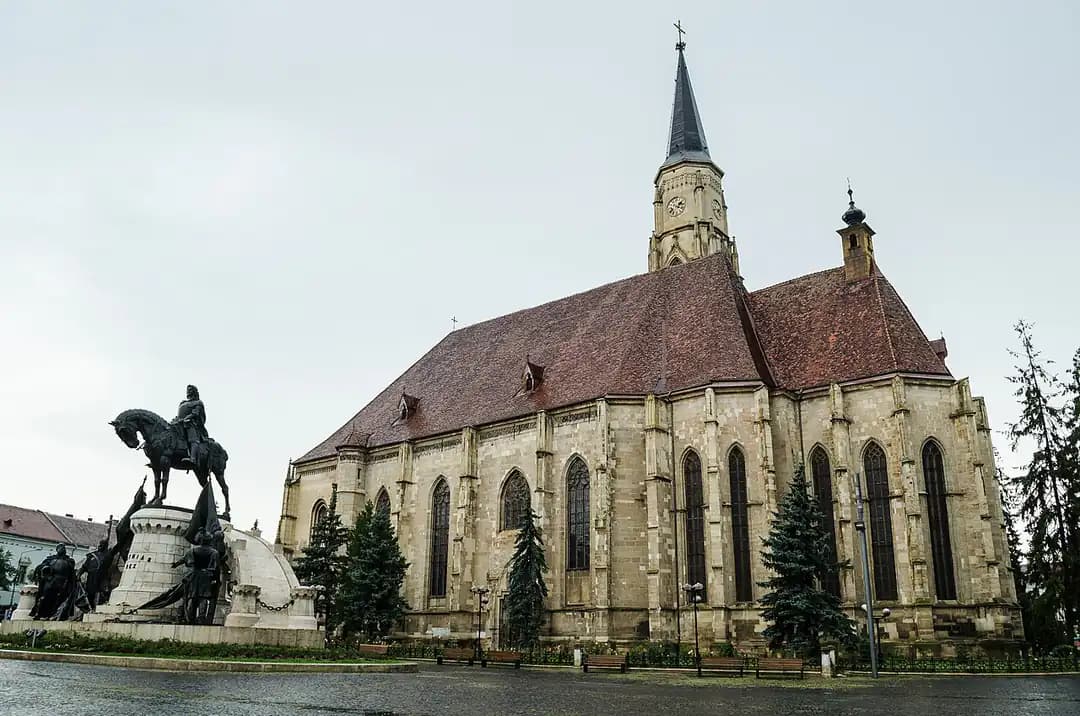
Romania
Cluj-Napoca isn't just Romania's unofficial second capital; it's a dynamic fusion of Austro-Hungarian grandeur and a fiercely modern, creative pulse. Wander through Union Square, where the Gothic spires of St. Michael's Church watch over a plaza buzzing with students, then duck into the hidden courtyards of the Old Town to find avant-garde galleries and specialty coffee roasters. This is a city where you can explore the vast, serene alleys of the Alexandru Borza Botanical Garden by day and dance until dawn at the world-renowned Untold Festival or in the underground clubs of the Fabric district.
The city's identity is shaped by its dual Romanian and Hungarian heritage, visible in everything from the bilingual street signs to the menu at a traditional *crama*. It's a tech and startup hub often called the "Silicon Valley of Eastern Europe," yet its soul remains deeply artistic, fueled by a massive student population from its prestigious universities. From the panoramic views at Cetățuia Hill to the innovative Romanian fare at restaurants like Roata, Cluj constantly surprises with its ability to honor history while relentlessly inventing the future.
A Thriving Festival & Nightlife Scene: Experience Europe's premier electronic music festival, Untold, which transforms the city's Central Park into a massive stage each August. Beyond that, the nightlife is legendary, from the student-packed pubs on Piezișă Street to sophisticated cocktail bars like Enigma and the gritty, alternative clubs in the industrial Fabric neighborhood.
A Living Architectural Museum: Stroll through centuries of history in a compact center. Admire the Renaissance-style Banffy Palace (home to the Art Museum), the baroque façade of the Orthodox Cathedral, and the colorful, eclectic buildings lining Museum Square. The mix of Gothic, Baroque, and Secession styles tells the story of Cluj's multicultural past.
An Epicenter for Innovation & Art: Dive into one of Europe's most vibrant tech scenes at the Cluj IT Cluster and visit creative hubs like the Paintbrush Factory, a repurposed industrial space housing studios and exhibitions. The city's youthful energy fuels countless contemporary art galleries, design shops, and innovative startups.
A Green City with Panoramic Views: Escape the urban buzz in expansive green spaces. Relax by the lake in Central Park, lose yourself among the 10,000 plant species in the stunning Botanical Garden, or hike up Cetățuia Hill for the best sunset vista over the city's rooftops and church steeples.
A Gateway to Transylvanian Culture & Nature: Use Cluj as your base to explore legendary Transylvania. It's the perfect launchpad for day trips to the fortified churches of the Apuseni Mountains, the salt mines of Turda, and the pristine forests and villages of the surrounding countryside.
Authentic & Evolving Culinary Traditions: Savor the rich, hearty flavors of Transylvanian cuisine, like *varză a la Cluj* (a baked cabbage and meat dish), at traditional *cramas*. Then, explore a new wave of modern bistros and international eateries that reflect the city's cosmopolitan student population and innovative spirit.
Prêt à explorer Cluj-Napoca?
The historic heart of Cluj, centered around Union Square (Piața Unirii). This is where you'll find the most iconic architecture, major museums, and a bustling mix of tourist cafes, upscale restaurants, and busy squares. The vibe is energetic and picturesque, especially in the evenings.
Highlights:
Best for:
Once a separate village and industrial area, Fabric is now Cluj's trendiest and most alternative district. It retains a raw, authentic feel with its older houses, narrow streets, and a vibrant community of artists, students, and young professionals. The vibe is creative, gritty, and unpretentious.
Highlights:
Best for:
A predominantly residential area known for its hilly streets, green spaces, and the main campus of Babeș-Bolyai University. It's quieter than the center but full of life thanks to the student population. The area offers fantastic views and a more local, neighborhood atmosphere.
Highlights:
Best for:
A vast, mostly residential neighborhood built during the communist era, known for its block-style apartments. While less touristy, it holds cultural significance and offers a stark contrast to the historic center. It's home to a diverse community and some surprising local eateries.
Highlights:
Best for:
Les visites et billets les plus réservés par les voyageurs, avec les notes et avis Viator.
dès 93 €
Voir les disponibilités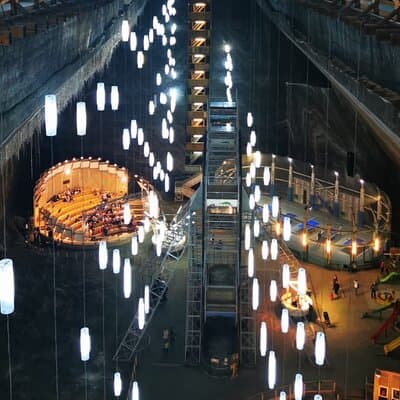
dès 119 €
Voir les disponibilités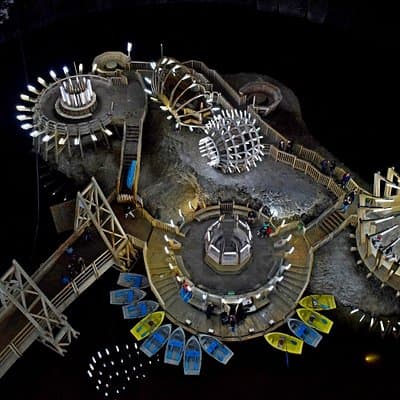
Visites et prix de Viator, une société Tripadvisor. Les prix varient selon vos dates. Nous pouvons percevoir une commission si vous réservez, sans frais supplémentaires.
Cluj's food scene is a delicious reflection of its Transylvanian roots and modern energy. Hearty, meat-and-potato based dishes from Romanian and Hungarian traditions dominate the *crama* (cellar restaurant) menus, while a wave of innovative chefs and a large international student population have fueled a thriving cafe culture and diverse international dining options.
Portions are often huge. Consider sharing a main course or ordering just a soup and starter if you're not very hungry.
The area around the Hungarian Opera and the Fabric neighborhood has a strong Hungarian cultural presence and authentic eateries.
Reservations are recommended for popular modern restaurants like Via, especially on weekends.
For the best chimney cake, look for vendors who make them fresh on a rotating spit, not pre-made ones.
Spring (April-May) sees the city awakening with blooming flowers in the Botanical Garden and parks. Temperatures are mild, perfect for walking, and the tourist crowds are still manageable before the peak summer season.
Pros:
Cons:
Summer (June-August) is warm, lively, and festival-heavy. This is peak tourist season, with long days ideal for cafe terraces and day trips. The city pulses with energy, especially during the massive Untold Festival in early August.
Pros:
Cons:
Autumn (September-October) offers crisp air and stunning fall foliage, particularly in the parks and surrounding hills. The student population returns, reinvigorating the city's cultural scene after the summer festival exodus.
Pros:
Cons:
Winter (November-March) is cold, with potential for snow, giving the city a festive charm, especially around Christmas. It's the low season for tourism, offering a more local experience and the famous Christmas Market in Union Square.
Pros:
Cons:
Comparez les prix des trains, bus et vols vers Cluj-Napoca
Entrez votre ville de départ pour voir les prix

40 min by car or bus
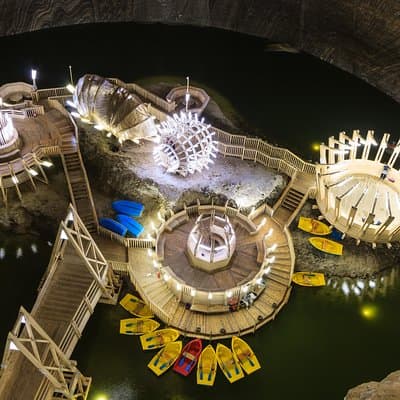
Descend into a breathtaking subterranean world. This historic salt mine has been transformed into a unique underground amusement park, featuring a lake with rowboats, a Ferris wheel, and sports facilities, all within immense, beautifully lit caverns.
2 hours by car
Explore the wild, karst landscapes of the Apuseni Natural Park. The highlight is the Scărișoara Ice Cave, home to a massive, ancient glacier. The area is also dotted with traditional villages, hiking trails, and stunning gorges.
1.5 hours by train or car
Step into Romanian history at one of the country's most impressive fortifications. Alba Iulia's massive, star-shaped 18th-century citadel is a beautifully restored complex where you can walk the ramparts, visit museums, and see the site of Romania's 1918 unification.
Cluj-Napoca is generally an affordable European destination, especially compared to Western Europe. Costs can spike during major festivals like Untold. Budget travelers can manage well, while mid-range options offer excellent value.
Budget
€30-50 per person for hostels, street food/market meals, and public transport.
per day
Mid-Range
€70-120 per person for a private room/hotel, restaurant meals, museum entries, and occasional taxis.
per day
Luxury
€150+ per person for boutique hotels, fine dining, private tours, and premium experiences.
per day
A small, beautifully restored medieval defensive tower, now housing a charming cafe and a museum on the city's fortifications.
It offers a quiet, historical corner away from the main squares, with a lovely terrace and a glimpse into Cluj's medieval past that most tourists miss.
A lesser-known, serene park near the main university campus, featuring a smaller but delightful botanical garden section with thematic plant collections.
It's a favorite peaceful retreat for students and locals, far from the crowds of the main Botanical Garden, offering beautiful walking paths and quiet benches.
A legendary, no-frills student cultural club housed in a historic building, hosting cheap concerts, theater, film screenings, and parties.
This is where you can experience the authentic, gritty, and creative pulse of Cluj's student culture. Events are incredibly affordable and full of local energy.
A historic industrial tower at the edge of Central Park, occasionally opened for exhibitions or as a viewpoint.
It's an iconic yet often overlooked landmark. When open, it provides a unique, elevated perspective of the park and city that differs from Cetățuia Hill.
A narrow, sloping street in the Old Town, packed with tiny, atmospheric pubs and bars favored by students.
For a truly local night out, this street is the epicenter of affordable, casual drinking. The vibe is friendly, unpretentious, and buzzing with youthful energy every night of the week.
Cluj's culture is defined by its dual Romanian-Hungarian heritage, its status as a major university city, and its rapid evolution into a tech and creative hub. This creates a unique blend of deep historical pride, youthful innovation, and a relaxed, open-minded atmosphere. The city is progressive and welcoming, with a strong emphasis on arts, education, and entrepreneurship.
Yes, Cluj is generally very safe for tourists. Violent crime is rare. Exercise standard precautions: be aware of your belongings in crowded areas like markets or on public transport, and use licensed taxi apps like Bolt at night.
No. In the city center, at hotels, and in most restaurants, English is widely spoken, especially by younger people and in the service industry. Learning a few basic Romanian phrases (hello, thank you) is always appreciated.
The compact Old Town is best explored on foot. For longer distances, the integrated tram and bus system is efficient and cheap. Purchase a 24 or 72-hour travel card for unlimited rides. The Bolt app is excellent for reliable and affordable taxis.
The official currency is the Romanian Leu (RON). Euros are not widely accepted for everyday transactions. Some hotels or tour operators may quote prices in Euros, but payment will be in Lei. It's best to use ATMs to withdraw local currency or pay by card, which is widely accepted.
Cluj is affordable by Western European standards but is one of the more expensive cities in Romania. You can travel on a tight budget by eating street food and using hostels, or enjoy mid-range restaurants and hotels for very reasonable prices compared to capitals like London or Paris.
Pack for the season. Summers are warm, so light clothing, sunscreen, and a hat are good. Winters are cold and can be snowy, requiring a warm coat, hat, gloves, and waterproof boots. Comfortable walking shoes are essential year-round due to the city's cobblestone streets and hills.
2-3 full days is ideal to see the main sights of the city at a relaxed pace, explore different neighborhoods, and enjoy the cafe and restaurant scene. Add an extra 1-2 days if you plan to take day trips to places like the Turda Salt Mine or the Apuseni Mountains.
Untold is usually held in early August (first weekend). The city becomes extremely crowded, and accommodation prices skyrocket and sell out months in advance. If you're not attending the festival, it's best to avoid these dates. If you are attending, book everything as early as possible.
Coûts quotidiens habituels pour un voyageur, d'après les prix moyens dans le pays (Romania).
| Petit budget | Milieu de gamme | Confort | |
|---|---|---|---|
| Hébergement (par nuit) | 25 € | 60 € | 110 € |
| Repas et boissons (par jour) | 10 € | 22 € | 42 € |
| Visites et activités (par jour) | 5 € | 12 € | 28 € |
| Total par jour | 40 € | 94 € | 180 € |
Les estimations n'incluent pas les vols ni les transports longue distance. Comparer les coûts quotidiens entre villes
Des hôtels proches du centre de Cluj-Napoca, du petit budget au luxe. Les prix sont des tarifs par nuit habituels lors de notre dernière vérification.
 Petit budget
 Milieu de gamme
 Milieu de gamme
 Haut de gamme
 Haut de gamme
 Luxe
 Luxe
Les prix des hôtels proviennent de Traveloka, vérifiés pour la dernière fois le 4 février 2026, et varient selon vos dates. Nous pouvons percevoir une commission si vous réservez via nos liens, sans frais supplémentaires pour vous.
Liaisons populaires en train, bus et avion, avec temps de trajet et tarifs.
Laissez l'IA créer l'itinéraire parfait pour votre voyage à Cluj-Napoca. Décrivez simplement ce que vous voulez vivre.
Planifier Cluj-Napoca

