Excursion d'une journée médiévale en petit groupe dans trois villages au départ de Barcelone
4.81 115 avis10h 30m
dès 99 €
Voir les disponibilités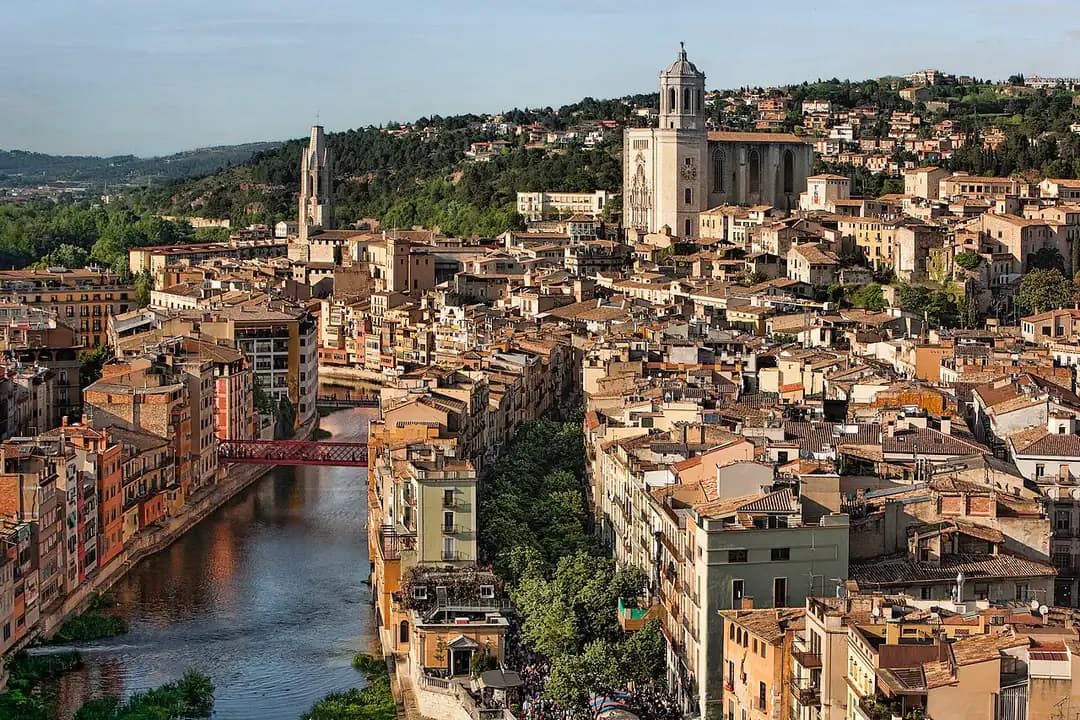
Spain
Girona isn't just a day trip from Barcelona—it's a destination that demands its own discovery. This medieval masterpiece, with its iconic rainbow of houses clinging to the Onyar River, is a living museum where every cobblestone whispers history. From the labyrinthine alleys of El Call, one of Europe's best-preserved Jewish quarters, to the formidable steps of the Girona Cathedral (a stand-in for the Great Sept of Baelor in Game of Thrones), the city immerses you in a tangible past.
Beyond its cinematic looks, Girona is a capital of Catalan gastronomy, home to El Celler de Can Roca—voted the world's best restaurant multiple times. The city's charm lies in its layers: walk the ancient Roman and medieval walls for panoramic views, discover hidden courtyards, and experience a pace of life that feels refreshingly authentic compared to its bustling neighbor. It's a compact city where history, cuisine, and beauty converge in a uniquely Catalan package.
A Walk Through Medieval & Cinematic History: Explore the remarkably intact Jewish Quarter (El Call), climb the 90-step Baroque staircase of Girona Cathedral (a key Game of Thrones filming location), and walk the intact Roman and medieval walls for breathtaking city views.
The Iconic Onyar Riverfront: Photograph and admire the famous Casas dels Onyar, the brightly painted houses that overhang the river, creating one of Spain's most recognizable and picturesque urban landscapes.
A World-Class Culinary Destination: Experience legendary Catalan cuisine, from the 11-course tasting menu at El Celler de Can Roca to simpler delights like xuixo pastries and artisan ice cream at Rocambolesc, founded by the Roca brothers.
Tranquil Catalan Charm: Enjoy the peaceful, walkable atmosphere of a historic city that feels lived-in, offering authentic local life, charming plazas like Plaça de la Independència, and a relaxed alternative to Barcelona.
Unique Architectural Treasures: Discover the 12th-century Arab Baths (Banys Àrabs), a stunning example of Romanesque architecture with Moorish influences, and the intricate ironwork of the Eiffel Bridge (Pont de les Peixateries Velles).
Vibrant Festivals & Local Life: Immerse yourself in local culture during events like the spectacular Temps de Flors flower festival in May or the historic Sant Narcís festival in October, celebrating the city's patron saint.
Prêt à explorer Gérone?
The historic heart of Girona, a dense maze of narrow medieval streets, grand stone buildings, and historic monuments perched on a hill. This is where you'll find the city's most iconic landmarks and a palpable sense of centuries-old history.
Highlights:
Best for:
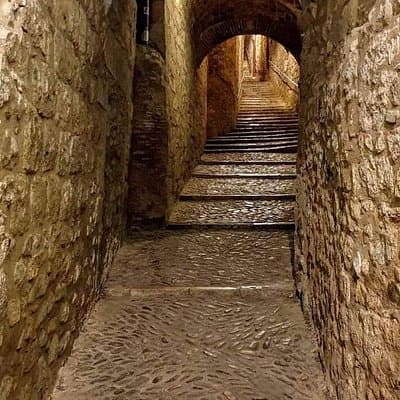
One of Europe's best-preserved medieval Jewish quarters, a captivating labyrinth of shadowy, cobbled alleyways, stone arches, and quiet courtyards. It feels like stepping back in time to the 12th-15th centuries.
Highlights:
Best for:
A lively 19th-century neighborhood centered around the grand arcaded Plaça de la Independència, filled with bustling cafes and restaurants. It serves as a social hub and gateway between the old and newer parts of the city.
Highlights:
Best for:
The vibrant, colorful face of Girona, defined by the iconic painted houses that reflect in the Onyar River. This area is all about stunning views, charming bridges, and a lively atmosphere, especially in the evenings.
Highlights:
Best for:
Les visites et billets les plus réservés par les voyageurs, avec les notes et avis Viator.
dès 99 €
Voir les disponibilités
dès 190 €
Voir les disponibilités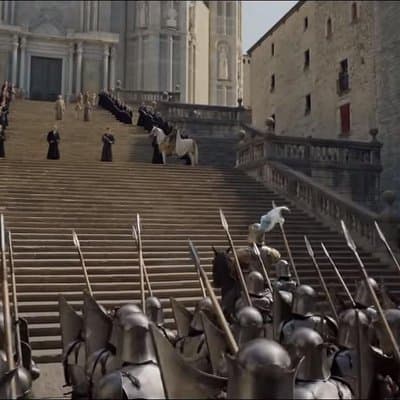
dès 40 €
Voir les disponibilitésVisites et prix de Viator, une société Tripadvisor. Les prix varient selon vos dates. Nous pouvons percevoir une commission si vous réservez, sans frais supplémentaires.
Girona is a heavyweight in the global culinary scene, anchored by the legendary Roca brothers but thriving at all levels. The food is deeply Catalan, emphasizing fresh, local produce from the surrounding Empordà region and Costa Brava, with a focus on seafood, mountain meats, and inventive techniques.
Book months in advance for the top spots. Consider lunch for better availability and value.
Look for 'menú del día' at lunchtime for a fixed-price, multi-course meal offering great value.
In many pintxos bars, you pay by the number of toothpicks on your plate at the end.
At Rocambolesc, try the signature 'Xocolata amb Pa, Sal i Oli' (chocolate with bread, salt, and oil) ice cream.
Spring is arguably the best time to visit. The weather is mild and pleasant, the city is lush and green, and it culminates in the spectacular Temps de Flors flower festival in May, when monuments are transformed with floral installations.
Pros:
Cons:
Summer brings hot, dry weather and the peak tourist season. Days are long and sunny, perfect for evening strolls, but the city can be crowded with day-trippers, especially in the historic center.
Pros:
Cons:
Autumn offers a return of pleasant weather and the beautiful colors of fall. The summer crowds dissipate, and local life resumes, highlighted by the Sant Narcís festival in late October.
Pros:
Cons:
Winter is quiet, cool, and often damp, with a magical atmosphere around the holidays. While some attractions have shorter hours, you'll have the medieval streets largely to yourself, and Christmas markets add cheer.
Pros:
Cons:
Comparez les prix des trains, bus et vols vers Girona
Entrez votre ville de départ pour voir les prix

1 hour 15 min by car (to Cadaqués)
Discover the rugged beauty of the Costa Brava, the 'Wild Coast.' Visit the stunning white-washed village of Cadaqués, once home to Salvador Dalí, and the windswept, lunar landscape of Cap de Creus Natural Park, the easternmost point of mainland Spain.
40 min by train or car
A pilgrimage for art lovers, Figueres is the birthplace of Salvador Dalí and home to the mind-bending Teatre-Museu Dalí, a surrealist masterpiece designed by the artist himself. The town also has a well-preserved historic center.
35 min by car
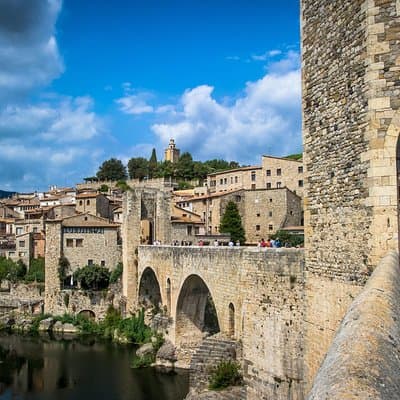
Step into a perfectly preserved medieval village famous for its spectacular 12th-century fortified bridge with a gateway tower. Besalú's Jewish heritage and Romanesque architecture make it a fascinating historical detour.
Girona is moderately priced, generally cheaper than Barcelona but more expensive than smaller Spanish towns. Costs are heavily influenced by dining choices, with the potential for both budget meals and world-class splurges.
Budget
€50-70 per person for hostels, self-catering/menu del día meals, free sights, and walking.
per day
Mid-Range
€100-180 per person for comfortable hotels/B&Bs, sit-down meals with wine, paid attractions, and some taxis.
per day
Luxury
€300+ per person for boutique/historic hotels, fine dining (like El Celler de Can Roca), private tours, and premium experiences.
per day
A sublime 12th-century Romanesque Benedictine monastery, now part of the Archaeology Museum of Catalonia.
Its serene cloister and beautifully carved capitals are an architectural masterpiece, yet it's often overlooked by visitors rushing to the cathedral.
A peaceful, shaded garden walk along a lower section of the medieval walls, behind Sant Feliu Church.
It offers a quiet, green escape from the main tourist routes with lovely views of the city's northern side, rarely crowded.
A striking modernist building designed by architect Rafael Masó, a key figure in Girona's early 20th-century architecture.
It showcases a beautiful, lesser-known architectural style in Girona and is a testament to the city's Modernista movement, often missed by visitors focused on medieval sites.
A small, charming square tucked away in the Old Town, named for the wine that was once traded here.
It's a perfectly preserved medieval square with a quiet, local feel, home to excellent small restaurants and bars favored by residents.
A tranquil, still-active Benedictine monastery at the end of a lush valley (Vall de Sant Daniel), a short walk from the Old Town.
It feels a world away from the city, with a beautiful Romanesque-Gothic church, a flowing stream, and hiking trails into the Gavarres hills—a true local retreat.
Girona is proudly and distinctly Catalan. The local identity, language (Catalan is spoken first), and traditions are deeply felt. Culture revolves around family, food, and a strong sense of history, celebrated through festivals, 'castells' (human towers), and 'sardana' circle dances.
Absolutely worth its own visit. While a day trip covers the highlights, Girona's depth of history, world-class dining, and relaxed Catalan charm are best savored over 2-3 days. Staying overnight lets you experience the city after the day-trippers leave and explore at a more leisurely pace.
Two full days is ideal. This allows one day to explore the Barri Vell, El Call, and cathedral thoroughly, and a second day to walk the walls, visit museums, and enjoy the food scene at a relaxed pace. Add a third day if you plan a day trip to the Costa Brava or Figueres.
No, English is widely spoken in tourist areas, hotels, and restaurants. However, learning a few basic phrases in Catalan (like 'Bon dia' for good day) is a respectful gesture that locals greatly appreciate. Most people are bilingual in Catalan and Spanish.
The high-speed AVE train is the fastest and most convenient option, taking just 38 minutes from Barcelona Sants station to Girona. Regional trains are cheaper but take about 1 hour 20 minutes. Buses are also available but are slower (approx. 1 hour 30 minutes).
Virtually impossible. Reservations for this world-renowned restaurant open exactly 11 months in advance and sell out within minutes online. You can try calling for last-minute cancellations, but securing a table requires planning months ahead. Their more casual ice cream parlor, Rocambolesc, requires no reservation.
The historic core (Barri Vell) is built on a hill, so there are steep, cobbled streets and staircases, particularly around the cathedral. The riverside and Mercadal areas are flat. Comfortable walking shoes are essential. The city walls also involve steps and inclines.
Look for local food products: a bottle of Empordà DO wine, extra virgin olive oil from the region, or xuixo pastries (best eaten fresh). For non-food items, consider a book on Jewish history from the museum shop or a piece of modernista-inspired design referencing architect Rafael Masó.
Yes, Girona is an exceptionally safe city for tourists, even at night. The usual precautions against petty theft (like keeping an eye on bags in crowded areas) apply, but violent crime is very rare. The medieval streets are well-lit and populated in the evenings.
Coûts quotidiens habituels pour un voyageur, d'après les prix moyens dans le pays (Spain).
| Petit budget | Milieu de gamme | Confort | |
|---|---|---|---|
| Hébergement (par nuit) | 40 € | 100 € | 170 € |
| Repas et boissons (par jour) | 15 € | 32 € | 62 € |
| Visites et activités (par jour) | 8 € | 20 € | 45 € |
| Total par jour | 63 € | 152 € | 277 € |
Les estimations n'incluent pas les vols ni les transports longue distance. Comparer les coûts quotidiens entre villes
Des hôtels proches du centre de Gérone, du petit budget au luxe. Les prix sont des tarifs par nuit habituels lors de notre dernière vérification.
 Petit budget
 Petit budget
 Milieu de gamme
 Milieu de gamme
 Haut de gamme
 Haut de gamme
Les prix des hôtels proviennent de Traveloka, vérifiés pour la dernière fois le 4 février 2026, et varient selon vos dates. Nous pouvons percevoir une commission si vous réservez via nos liens, sans frais supplémentaires pour vous.
Liaisons populaires en train, bus et avion, avec temps de trajet et tarifs.
Laissez l'IA créer l'itinéraire parfait pour votre voyage à Gérone. Décrivez simplement ce que vous voulez vivre.
Planifier Gérone