Excursion paisible en bus de 1 jour à Hiroshima et Miyajima UNESCO
5.09 264 avis8h
dès 112 €
Voir les disponibilités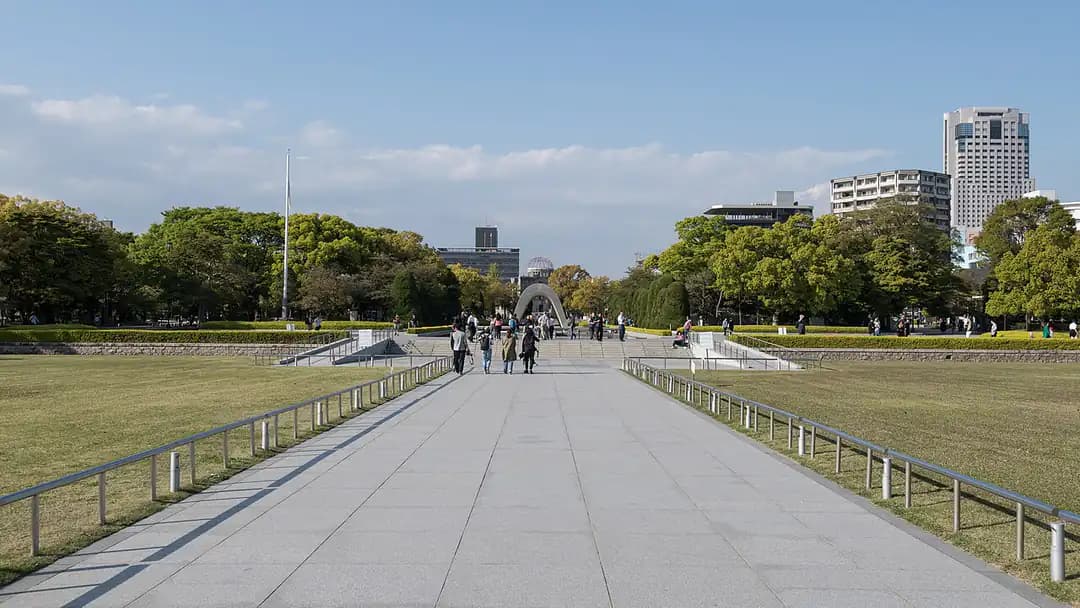
Japan
Hiroshima is a city that tells two powerful stories: one of profound tragedy and one of remarkable rebirth. Walking through the Peace Memorial Park, where the skeletal A-Bomb Dome stands as a silent witness, offers a deeply moving experience that contrasts sharply with the vibrant, modern city that has grown around it. This isn't just a history lesson; it's a living testament to resilience, where the message of peace is palpable in every corner.
Beyond its solemn memorials, Hiroshima pulses with contemporary energy. The city is famous for its unique style of okonomiyaki, cooked on hot plates right before you in bustling multi-story restaurants. Just a short ferry ride away lies the sacred island of Miyajima, where the iconic 'floating' torii gate of Itsukushima Shrine appears to drift on the tide—a scene of serene beauty that has captivated visitors for centuries.
Experience a profound journey through history at the Peace Memorial Park, where the preserved A-Bomb Dome and the emotionally powerful exhibits of the Hiroshima Peace Memorial Museum offer a sobering yet essential reflection on peace and the human cost of war.
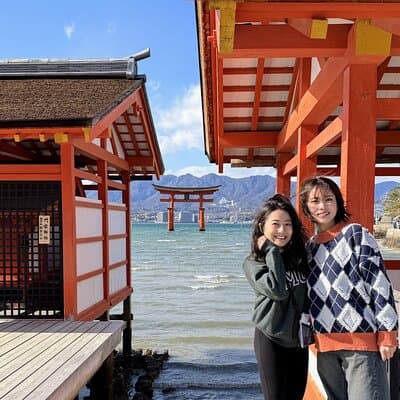
Visit the sacred island of Miyajima, a UNESCO World Heritage site, to see the iconic vermilion torii gate of Itsukushima Shrine appear to float on the water at high tide and wander among friendly, free-roaming deer in a stunning natural setting.
Savor Hiroshima's unique culinary claim to fame: layered Hiroshima-style okonomiyaki. Watch as chefs at places like Okonomimura ('Okonomiyaki Village') expertly build this savory pancake with cabbage, noodles, egg, and your choice of toppings on a hot teppan grill.
Witness the city's inspiring story of regeneration by exploring its modern districts like the bustling Hondori Shopping Arcade and the sleek Hiroshima City Museum of Contemporary Art, which showcase how life and beauty have flourished anew.
Enjoy exceptional accessibility and walkability. Hiroshima's compact city center, efficient tram system, and the convenient ferry to Miyajima make it incredibly easy to explore its major sights without the hassle of complex transit.
Discover a different side of Japanese castle history at Hiroshima Castle (reconstructed after the war), which houses an informative museum on samurai culture and offers panoramic views of the city from its top floor.
Prêt à explorer Hiroshima?
The spiritual heart of Hiroshima, centered around the park and riverbanks. This area is serene, contemplative, and deeply historical, with wide-open green spaces dedicated to memory and reflection.
Highlights:
Best for:
The vibrant commercial and entertainment core of the city. This area is a lively mix of covered shopping arcades, department stores, restaurants, and nightlife, pulsing with modern urban energy.
Highlights:
Best for:
A cultural and artistic hillside district offering a quieter, more local vibe. It's known for its museums, park, and panoramic views over the city.
Highlights:
Best for:
A working port district with a more industrial and maritime character. It's the gateway to the Seto Inland Sea islands and offers fresh seafood markets and a glimpse into local logistics.
Highlights:
Best for:
Les visites et billets les plus réservés par les voyageurs, avec les notes et avis Viator.
dès 112 €
Voir les disponibilités
dès 178 €
Voir les disponibilités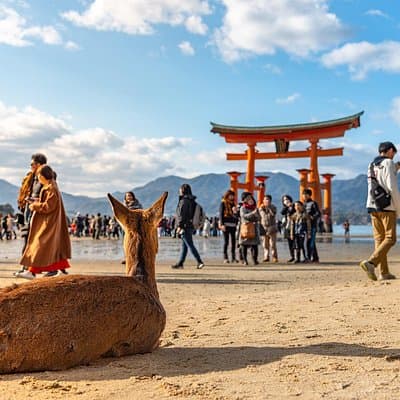
dès 41 €
Voir les disponibilités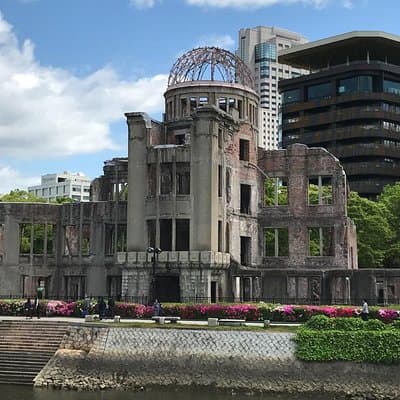
Visites et prix de Viator, une société Tripadvisor. Les prix varient selon vos dates. Nous pouvons percevoir une commission si vous réservez, sans frais supplémentaires.
Hiroshima's food culture is defined by its hearty, savory soul food and incredible fresh seafood from the Seto Inland Sea. While okonomiyaki is the undisputed king, the city offers a wide range of delicious and affordable culinary experiences.
Don't be shy to point at what you want on the menu. Most places have plastic food models or picture menus.
Oyster season peaks in winter (Dec-Feb), when they are at their plumpest and most flavorful.
Hiroshima-style tsukemen often features a thick, savory soup and chewy noodles. Slurping is encouraged!
Izakayas often charge a small cover fee (otoshi or table charge) which includes a small appetizer.
Spring (March to May) is arguably the best time to visit. The weather is mild and pleasant, and the city and Miyajima are adorned with beautiful cherry blossoms (sakura) typically in late March to early April.
Pros:
Cons:
Summer (June to September) is hot and humid, with a rainy season (tsuyu) in June/July. August is intensely hot but hosts the poignant Peace Memorial events.
Pros:
Cons:
Autumn (October to November) offers another excellent window with crisp, cool air and stunning fall foliage (koyo), particularly beautiful on Miyajima and in Hijiyama Park.
Pros:
Cons:
Winter (December to February) is cold but rarely sees snow. It's the quietest season and the prime time for enjoying Hiroshima's famous oysters.
Pros:
Cons:
Comparez les prix des trains, bus et vols vers Hiroshima
Entrez votre ville de départ pour voir les prix

~45 min total (30 min tram + 10 min ferry)
This sacred island is a UNESCO World Heritage site and Hiroshima's crown jewel. It's famous for its iconic floating torii gate, ancient shrine, friendly deer, and hiking trails up Mount Misen.
1 hour by train
A charming, hilly port town known as the gateway to the Shimanami Kaido cycling route. It's famed for its temple walk, nostalgic atmosphere, and cat-loving culture.
30-40 min by train
A historic naval port city offering deep maritime and military history, centered around the impressive Yamato Museum which features a huge model of the WWII battleship Yamato.
Hiroshima is moderately priced for Japan. While not as expensive as Tokyo or Kyoto, costs for accommodation and dining in the city center can add up. Smart use of public transport passes and set meals keeps costs manageable.
Budget
¥6,000-9,000 per day (hostel dorm, convenience store meals, tram pass, free sights)
per day
Mid-Range
¥12,000-20,000 per day (business hotel, restaurant meals, museum entries, some taxis)
per day
Luxury
¥30,000+ per day (boutique/high-end hotel, fine dining, private guides, luxury experiences)
per day
A beautiful, traditional Japanese landscape garden dating back to 1620, featuring a central pond, teahouses, and meticulously pruned trees.
It's a serene oasis of classical beauty just a short walk from the Peace Park, offering a peaceful contrast and is often overlooked by tourists rushing to major sites.
A historic Buddhist temple that miraculously survived the atomic blast, located in the suburbs of Hiroshima.
It's one of the very few pre-war wooden structures left in the city, offering a rare and authentic glimpse into Hiroshima's architectural past before 1945.
A secluded mountain temple on the outskirts of the city, known for its thatched-roof gate, three waterfalls, and autumn foliage.
It's a tranquil hiking spot with a deeply spiritual atmosphere, far from the crowds, and houses a memorial for A-bomb victims.
A factory tour and museum showcasing the history and technology of Mazda, which has its global headquarters in Hiroshima.
It offers a fascinating look at Japan's modern industrial prowess and the economic resurgence of the city. Tours must be booked in advance.
A public library dedicated entirely to manga (Japanese comics), located within Hijiyama Park.
It's a unique cultural insight into a hugely popular Japanese art form, with comfortable reading spaces and a vast collection, even if you can't read Japanese.
Hiroshima's culture is deeply marked by a commitment to peace (heiwa) and resilience. Locals are generally welcoming and patient with visitors. While modern and casual, traditional Japanese etiquette is still appreciated.
One full day is enough to see the core Peace Memorial sites and take a trip to Miyajima Island, but it will be rushed. To fully absorb the history, enjoy the city's food, and explore Miyajima comfortably, plan for at least two days.
Take the JR Sanyo Line from Hiroshima Station to Miyajimaguchi Station (25 mins, covered by JR Pass). From there, it's a 2-minute walk to the ferry pier. Alternatively, take the more scenic Hiroden Tram Line 2 directly from the city center to the ferry terminal (about 45 mins total).
The museum contains graphic and emotionally intense exhibits about the atomic bombing. Parents should use discretion. The main hall and some areas are less intense, but the personal effects and photographs can be very disturbing for younger children.
The Hiroshima Electric Railway (Hiroden) tram system is the best way. It's charming, covers all major areas, and is easy to use. Purchase a one-day or two-day Hiroshima Visit Tourist Pass for unlimited rides, which also includes the ferry to Miyajima.
The prime oyster season in Hiroshima is from October through March, with the peak being in the winter months. You'll find them served grilled, fried (kaki fry), in hot pots, and raw at restaurants and markets during this time.
Yes, especially during peak seasons (cherry blossom in spring and autumn foliage). Hiroshima is a major tourist destination and hotels, particularly near the station and Peace Park, can fill up. Booking a few weeks to months in advance is recommended.
English is not as widely spoken as in Tokyo, but you'll find it at major tourist sites, hotels, and some restaurants. Signs in transport hubs and on trams are bilingual. Learning a few basic Japanese phrases is very helpful and appreciated.
Yes, the JR Pass is excellent for getting to Hiroshima (via Shinkansen) and for the JR train to Miyajimaguchi and the JR Miyajima Ferry. However, it is NOT valid on the city's Hiroden trams or the non-JR Miyajima ferry, so you'll need a separate pass or pay for those.
Coûts quotidiens habituels pour un voyageur, d'après les prix moyens dans le pays (Japan).
| Petit budget | Milieu de gamme | Confort | |
|---|---|---|---|
| Hébergement (par nuit) | 40 € | 95 € | 180 € |
| Repas et boissons (par jour) | 14 € | 30 € | 60 € |
| Visites et activités (par jour) | 8 € | 20 € | 45 € |
| Total par jour | 62 € | 145 € | 285 € |
Les estimations n'incluent pas les vols ni les transports longue distance. Comparer les coûts quotidiens entre villes
Des hôtels proches du centre de Hiroshima, du petit budget au luxe. Les prix sont des tarifs par nuit habituels lors de notre dernière vérification.
 Petit budget
 Petit budget
 Milieu de gamme
 Milieu de gamme
 Haut de gamme
 Haut de gamme
Les prix des hôtels proviennent de Traveloka, vérifiés pour la dernière fois le 4 février 2026, et varient selon vos dates. Nous pouvons percevoir une commission si vous réservez via nos liens, sans frais supplémentaires pour vous.
Laissez l'IA créer l'itinéraire parfait pour votre voyage à Hiroshima. Décrivez simplement ce que vous voulez vivre.
Planifier Hiroshima