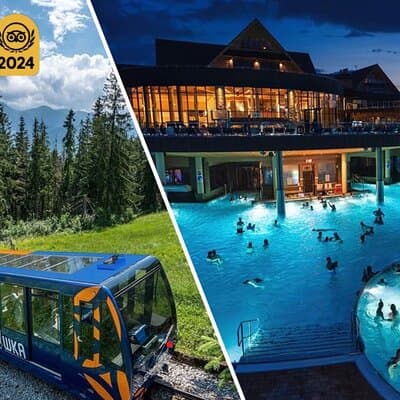
Cracovie–Zakopane : Téléphérique, bains de Chocholow, fromage et vodka
4.913 543 avis11h
dès 39 €
Voir les disponibilités
Poland
Krakow isn't just a city you visit; it's a living storybook where every cobblestone whispers tales of kings, scholars, and artists. The heart of this tale beats in the Main Market Square, Europe's largest medieval town square, where you can sip coffee under the Gothic spires of St. Mary's Basilica, listen for the hourly Hejnał mariacki trumpet call, and watch horse-drawn carriages circle the Renaissance Cloth Hall. This isn't a museum piece—it's a vibrant stage where students, locals, and travelers mingle in a continuous, centuries-old performance.
Beyond the postcard-perfect Old Town lies the soul of Krakow. The Kazimierz district, once the center of Jewish life for over 500 years, has transformed from a place of profound tragedy into a buzzing hub of art galleries, atmospheric cafes in restored synagogues, and some of the city's best restaurants. Meanwhile, the formidable Wawel Castle, perched on a limestone hill, offers more than royal apartments; it's where you can touch the mythical Dragon's Den and gaze upon the Vistula River that has shaped Poland's destiny. Krakow masterfully balances its weighty history with an infectious, youthful energy fueled by its massive student population, making every visit a journey through time that feels remarkably alive.
A Perfectly Preserved Medieval Core: Walk through the Florian Gate and along the Royal Route to the Main Market Square, a UNESCO World Heritage site that has been the city's commercial and social heart since the 13th century. Explore the underground museum beneath the square, which reveals the original medieval merchant stalls and streets.
Deep and Moving Historical Layers: Confront the 20th century's darkest chapter with a solemn day trip to Auschwitz-Birkenau. Then, witness resilience in the revitalized Kazimierz Jewish Quarter, where you can visit the Old Synagogue, see Steven Spielberg's filming locations for 'Schindler's List', and dine in Plac Nowy.
Unbelievable Subterranean Wonders: Descend into the Wieliczka Salt Mine, a breathtaking underground city of chapels, lakes, and sculptures—all carved from salt by miners over seven centuries. Don't miss the stunning St. Kinga's Chapel, with chandeliers made of salt crystals.
A Culinary Scene That's Both Hearty and Innovative: Feast on traditional obwarzanek (the city's iconic braided bread ring) from a street cart, then indulge in a plate of pierogi ruskie (potato and cheese dumplings) at a milk bar. Later, experience modern Polish cuisine at restaurants like Pod Nosem, which reinterprets classics with fine-dining flair.
Incredible Value for Money: Enjoy a three-course meal with wine for under €25 per person, stay in a charming boutique hotel for a fraction of Western European prices, and take affordable public transport everywhere. Your Polish Zloty goes far, allowing for more experiences.
Vibrant Nightlife and Cultural Pulse: From the legendary student pubs in the cellars of the Old Town to the trendy cocktail bars in Kazimierz, the city buzzes after dark. Experience the unique vibe of a 'pijalnia wódki i piwa' (vodka and beer hall) for cheap shots and lively crowds, or catch a jazz performance in a historic vault.
Prêt à explorer Cracovie?
The historic core and UNESCO site, encircled by the lush Planty Park. It's a magnificent open-air museum of Gothic, Renaissance, and Baroque architecture, buzzing with tourists, street performers, and elegant cafes. The vibe is grand, historic, and perpetually energetic.
Highlights:
Best for:
Once a separate town and the center of Jewish life, Kazimierz is now Krakow's most charismatic district. It's a blend of poignant history and hip, creative energy, with synagogues next to street art, and traditional Jewish restaurants alongside vegan cafes and vinyl bars.
Highlights:
Best for:
Located across the Vistula River, this area is steeped in wartime history but is rapidly evolving. It's quieter and more residential than the center, with a raw, authentic feel, fantastic viewpoints, and a growing number of innovative galleries and cafes.
Highlights:
Best for:
Just north of the Old Town walls, these adjacent areas offer a more local, everyday Krakow experience. Kleparz is home to the city's oldest continuously operating market, while Wesoła is a hub for students and budget-friendly eats and drinks.
Highlights:
Best for:
Les visites et billets les plus réservés par les voyageurs, avec les notes et avis Viator.
dès 39 €
Voir les disponibilités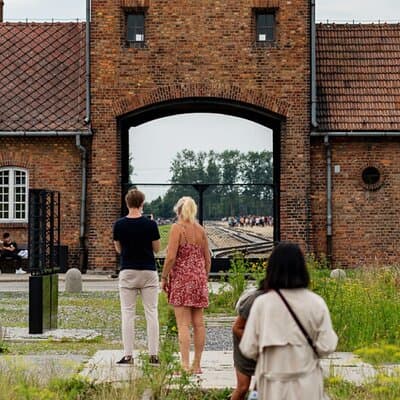
dès 35 €
Voir les disponibilités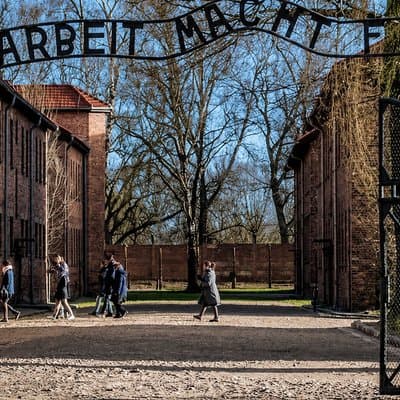
dès 24 €
Voir les disponibilités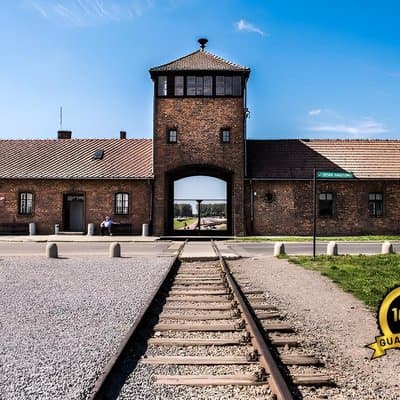
dès 119 €
Voir les disponibilitésVisites et prix de Viator, une société Tripadvisor. Les prix varient selon vos dates. Nous pouvons percevoir une commission si vous réservez, sans frais supplémentaires.
Krakow's food scene is a delicious journey from humble, hearty peasant staples to a modern culinary revolution. The foundation is 'kuchnia staropolska' (Old Polish cuisine) – think soups, dumplings, stews, and roasted meats – best experienced in traditional 'bar mleczny' (milk bars) and rustic inns. Today, a new generation of chefs is reimagining these classics with global techniques, making the city a surprising foodie destination.
In a traditional milk bar, you often order at the counter, pay first, and take a number. Don't expect table service or an extensive wine list.
The best zapiekanki are from the vendors inside the circular building (Okrąglak) on Plac Nowy – ask for 'wszystko' (everything) on top.
Book a table for dinner, especially on weekends. These popular spots fill up with locals and in-the-know travelers.
Many places in Kazimierz have live music in the evenings. Go for dinner and stay for a drink and some jazz or folk music.
Spring sees Krakow awakening with blooming flowers in the Planty Park and warmer temperatures. The Easter markets are a highlight, and the crowds are smaller than in peak summer.
Pros:
Cons:
Krakow is at its most vibrant and busy. Long, sunny days are perfect for outdoor cafes, river walks, and festivals. The city is packed with energy and tourists.
Pros:
Cons:
A golden and crisp season, with the city's parks turning beautiful shades of orange and red. The summer crowds dissipate, and a cozy atmosphere settles in.
Pros:
Cons:
Krakow transforms into a magical winter wonderland, especially if snow falls on the Old Town's rooftops. The Christmas Market on the Main Square is legendary, and the air is filled with the scent of mulled wine and gingerbread.
Pros:
Cons:
Comparez les prix des trains, bus et vols vers Krakow
Entrez votre ville de départ pour voir les prix

About 1.5 hours by bus or organized tour from Krakow
A profoundly moving and essential visit to the largest of the Nazi concentration and extermination camps. It's a sobering pilgrimage to understand the scale of the Holocaust. Visiting is a respectful, educational experience, not typical tourism.
30-40 minutes by train or bus from Krakow
A UNESCO site and an astonishing underground world carved entirely from salt over 700 years. Descend 135 meters to explore chapels, lakes, and sculptures, all made by miner-artists. It's cool (around 14°C) year-round.
About 2 hours by bus or train from Krakow
The winter capital of Poland and a gateway to the stunning High Tatras, offering dramatic alpine scenery year-round. Experience Górale (highlander) culture, wooden architecture, and fantastic hiking or skiing.
Krakow remains one of Europe's most affordable capital-class cities. Your money stretches far, allowing for comfortable accommodation, hearty meals, and numerous attractions without breaking the bank.
Budget
€40-60 per day for hostels, street food/milk bars, free walking tours, and public transport.
per day
Mid-Range
€80-120 per day for a private room or boutique hotel, sit-down restaurant meals, paid museum entries, and the occasional taxi.
per day
Luxury
€180+ per day for 4-5 star hotels, fine dining, private guides, and spa treatments.
per day
An ancient, mysterious man-made hill in Podgórze, believed to be the prehistoric burial mound of the legendary founder of Krakow, King Krakus.
It offers one of the best 360-degree panoramic views of the entire city, Wawel Castle, and the distant Tatra Mountains, yet sees far fewer tourists than Wawel Hill. It's a peaceful, grassy spot perfect for a picnic sunset.
A former limestone quarry in Podgórze that was used as a forced labor camp during WWII and later as a filming location for Steven Spielberg's 'Schindler's List'.
It's an eerie, beautiful, and overgrown place where nature has reclaimed industrial history. You can see decaying film set pieces among the trees and ponds, creating a uniquely atmospheric and contemplative space.
A small, circular 19th-century Austro-Hungarian fortress on the Lasota Hill in Podgórze, overlooking the Vistula River.
This perfectly preserved, unique 'shell keep' fort is rarely open, but its exterior and the surrounding park offer fantastic, quiet views of Wawel Castle. It feels like a secret medieval tower.
An interactive museum in Kazimierz featuring a collection of over 100 vintage pinball machines and arcade games from the 1950s to the 1990s.
For a flat entry fee, you can play unlimited games on all machines. It's a fantastically fun and nostalgic break from historical sightseeing, popular with locals and a great rainy-day activity.
A tiny, legendary café on św. Tomasza Street in the Old Town, known for its incredibly ornate, cluttered, and magical interior filled with antiques and curios.
It feels like stepping into a great-aunt's fantastical parlour. The hot chocolate is legendary, and the atmosphere is pure old-world Krakow bohemia, a stark contrast to the modern chain cafes nearby.
Krakow's culture is a proud tapestry of royal history, academic excellence (home to Jagiellonian University, one of Europe's oldest), deep Catholic traditions, and a resilient spirit shaped by 20th-century struggles. Politeness and formality are valued in initial interactions, but the city's huge student population ensures a vibrant, youthful, and increasingly cosmopolitan undercurrent.
Yes, the tap water in Krakow is perfectly safe and of high quality to drink. It's common for locals to drink it, and you'll save money and plastic by refilling a water bottle. Some older buildings may have older pipes, so if concerned, stick to bottled water.
Absolutely, especially from April to October. Entry to Auschwitz I is only allowed with a timed-entry pass or a guided tour booked via the official museum website. Book at least several weeks ahead for peak season. Tours from Krakow include transport and entry, but also book those early.
The train is the fastest and most reliable option. Take the SKA1 line from the airport station to Kraków Główny (main station), which is right next to the Old Town. It takes 20 minutes and costs 14 PLN. Taxis and ride-shares (Uber/Bolt) are convenient but more expensive and subject to traffic.
The Main Market Square and main tourist paths in the Old Town can be extremely crowded, especially on summer weekends and during the Christmas Market. However, you can easily escape the crowds by exploring the side streets of the Old Town, crossing into Kazimierz or Podgórze, or visiting early in the morning.
The official currency is the Polish Zloty (PLN). While some tourist-oriented shops, hotels, and restaurants may accept Euros, the exchange rate will be poor. You will get much better value by paying in Zloty. Use ATMs to withdraw local currency.
A minimum of 2 full days is recommended: one for the Old Town and Wawel Castle, and one for Kazimierz and Podgórze. To include essential day trips to Auschwitz and the Wieliczka Salt Mine, you need at least 3-4 full days. The city rewards a slower pace.
Dress modestly when entering active churches like St. Mary's Basilica or Wawel Cathedral. This means covering shoulders and knees for both men and women. Carrying a light scarf or shawl to cover up is a good idea during summer. Hats should be removed.
Yes, especially in tourist areas, hotels, restaurants, and by younger people. You will have no problem communicating. Learning a few basic Polish phrases (like 'dzień dobry' and 'dziękuję') is always appreciated as a sign of respect.
Coûts quotidiens habituels pour un voyageur, du petit budget au confort.
| Petit budget | Milieu de gamme | Confort | |
|---|---|---|---|
| Hébergement (par nuit) | 30 € | 75 € | 130 € |
| Repas et boissons (par jour) | 10 € | 22 € | 42 € |
| Visites et activités (par jour) | 5 € | 14 € | 30 € |
| Total par jour | 45 € | 111 € | 202 € |
Les estimations n'incluent pas les vols ni les transports longue distance. Comparer les coûts quotidiens entre villes
Des hôtels proches du centre de Cracovie, du petit budget au luxe. Les prix sont des tarifs par nuit habituels lors de notre dernière vérification.
 Petit budget
 Petit budget
 Milieu de gamme
 Milieu de gamme
 Haut de gamme
 Haut de gamme
 Luxe
 Luxe
Les prix des hôtels proviennent de Traveloka, vérifiés pour la dernière fois le 4 février 2026, et varient selon vos dates. Nous pouvons percevoir une commission si vous réservez via nos liens, sans frais supplémentaires pour vous.
Liaisons populaires en train, bus et avion, avec temps de trajet et tarifs.
Laissez l'IA créer l'itinéraire parfait pour votre voyage à Cracovie. Décrivez simplement ce que vous voulez vivre.
Planifier Cracovie