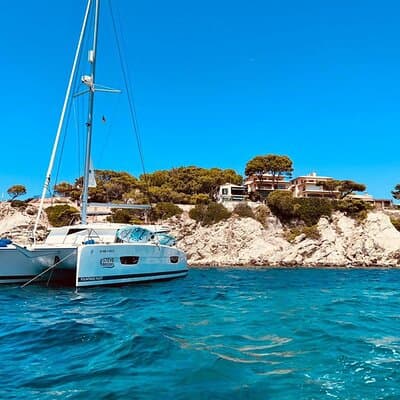
Catamaran de luxe à voile avec bienvenue Boissons Tapas Max10 - 12Personne
4.92 101 avis4h
dès 99 €
Voir les disponibilités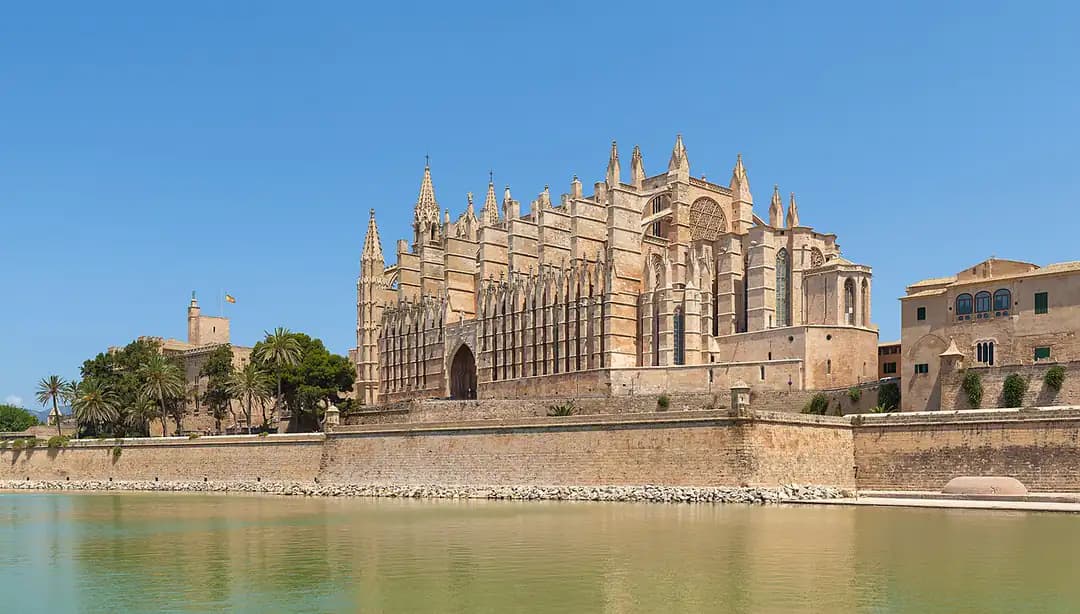
Spain
Mallorca is an island of dramatic contrasts, where the soaring limestone peaks of the Serra de Tramuntana plunge into the turquoise Mediterranean, and Gothic spires rise above citrus groves. Beyond the sun loungers of Palma Nova, you'll find the island's true soul in the stone-built villages of Valldemossa and Deià, where artists and writers have sought inspiration for centuries. The scent of pine forests, the clatter of the vintage wooden train to Sóller, and the taste of a flaky ensaïmada pastry define an experience that is far richer than any simple beach holiday.
This is an island for active discovery. Hike ancient cobbled paths between mountain hamlets, cycle through almond blossom in late winter, or kayak into sea caves along the rugged northern coast. In Palma, the colossal La Seu cathedral casts its reflection across the bay, a masterpiece of light and stone that embodies the island's layered history of Moorish, Catalan, and modern influences. Mallorca rewards those who look past the resort perimeter, offering a profound sense of place found in its terraced olive groves, hidden calas (coves), and vibrant local markets.
Dramatic & Diverse Landscapes: From the UNESCO World Heritage Serra de Tramuntana mountains, perfect for hiking the Dry Stone Route (GR221), to the pristine, pine-fringed coves like Cala Deià and the lunar cliffs of Cap de Formentor, the island's natural beauty is staggering and varied.
A Cultural Tapestry Beyond the Beach: Explore Palma's magnificent Gothic cathedral, La Seu, with its contemporary Gaudi-influenced canopy, and the Arab Baths. Discover the artistic legacy in Valldemossa's Royal Carthusian Monastery, where Chopin and George Sand wintered.
Authentic Village Life: Step into postcard-perfect towns like Sóller, accessible by a 1912 vintage wooden train, and Fornalutx, often called Spain's prettiest village. Wander the flower-filled, cobbled lanes of Valldemossa, birthplace of Saint Catalina Thomàs.
A Cyclist's & Hiker's Paradise: The island is a world-class destination for road cycling, with challenging climbs like Sa Calobra, and offers incredible hiking trails like the Archduke's Path (Cami de s'Arxiduc) with panoramic coastal views.
Incredible Food & Wine: Savor fresh seafood 'a la plancha' at a portside chiringuito, taste local olive oil and wine from the Binissalem DO region, and indulge in sweet spiral pastries like ensaïmada and gató (almond cake).
Accessible Adventure & Relaxation: The compact size means you can hike a mountain trail in the morning and swim in a secluded cala by afternoon. The efficient infrastructure, from the historic train to good roads, makes exploring easy.
Prêt à explorer Majorque?
The historic heart of Palma, centered around the awe-inspiring cathedral. A labyrinth of narrow medieval streets (like Call, the old Jewish quarter) lined with boutiques, artisan shops, and hidden courtyard cafes. The vibe is atmospheric, cultured, and steeped in history.
Highlights:
Best for:
A charming, formerly fishing neighborhood east of Palma's center, now a trendy yet laid-back area. Characterized by colorful townhouses, a picturesque promenade, and excellent seafood restaurants right on the water. It's a local favorite for a relaxed vibe.
Highlights:
Best for:
Palma's hip and bustling foodie and nightlife district. Known for its vibrant market (Mercat de Santa Catalina), innovative tapas bars, craft beer pubs, and trendy boutiques. The atmosphere is energetic, creative, and cosmopolitan.
Highlights:
Best for:
A beautiful, natural harbor nestled between mountains on the northwest coast. Accessible by the historic wooden train from Sóller town, it offers a more relaxed alternative to the south coast resorts, with a lovely beach, waterfront promenade, and stunning sunsets.
Highlights:
Best for:
Les visites et billets les plus réservés par les voyageurs, avec les notes et avis Viator.
dès 99 €
Voir les disponibilités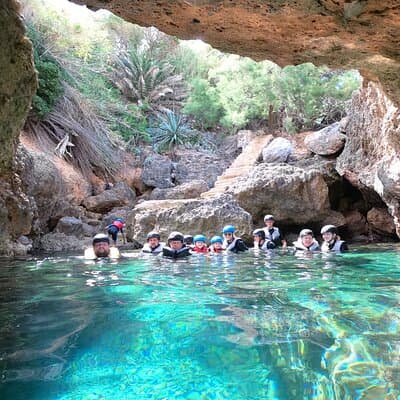
dès 69 €
Voir les disponibilités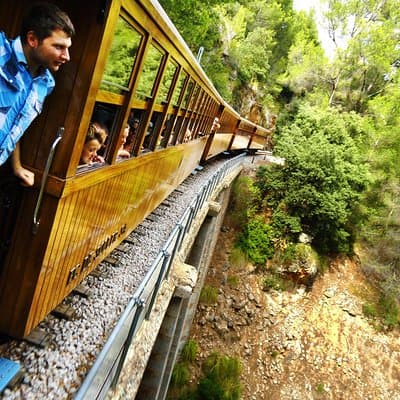
dès 99 €
Voir les disponibilités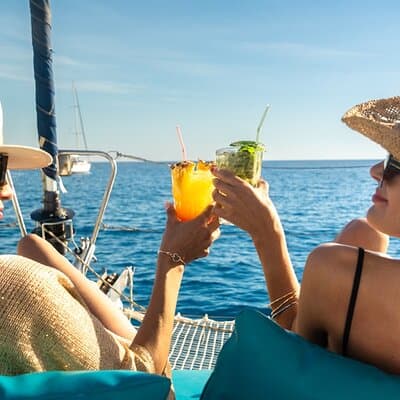
dès 109 €
Voir les disponibilitésVisites et prix de Viator, une société Tripadvisor. Les prix varient selon vos dates. Nous pouvons percevoir une commission si vous réservez, sans frais supplémentaires.
Mallorcan cuisine is a hearty, peasant-based tradition shaped by the land and sea, featuring robust flavors from pork, seafood, and vegetables. It's known for simple, quality ingredients transformed into comforting dishes, often slow-cooked in clay pots. The island also has a proud baking heritage, from savory pastries to unique desserts.
Look for restaurants with 'cellar' or 'celler' in the name, often indicating a traditional, no-frills establishment with local specialties.
The best and simplest seafood is often 'a la plancha' (grilled) or 'al horno' (baked). Ask for the catch of the day ('pescado del día').
Booking is essential, often months in advance for top-tier places. Many offer excellent-value lunch menus.
Go to the market in the morning for the freshest selection. Have breakfast standing at a market bar with a coffee and pastry.
Spring is arguably Mallorca's finest season. The island erupts in color with wildflowers and blossoming almond and fruit trees. Temperatures are pleasantly warm, ideal for hiking and cycling without the summer heat.
Pros:
Cons:
Hot, dry, and bustling. This is peak beach and resort season, with long, sunny days perfect for swimming and boating. The atmosphere is vibrant and energetic, especially in coastal areas.
Pros:
Cons:
A 'second spring' with warm, stable weather often lasting into October. The sea is at its warmest, and the summer crowds have dissipated, making it excellent for a relaxed beach and culture combination.
Pros:
Cons:
Mild and quiet, with a focus on inland and cultural pursuits. While not for sunbathing, it offers crisp, sunny days perfect for hiking in the Tramuntana and exploring Palma's museums without queues.
Pros:
Cons:
Comparez les prix des trains, bus et vols vers Mallorca
Entrez votre ville de départ pour voir les prix

30-45 min by car from Palma
A journey into the soul of the Tramuntana mountains. Valldemossa is famous for its historic monastery where Chopin composed, while Deià is a stunningly beautiful artists' village clinging to the cliffs, leading down to the tiny cove of Cala Deià.
1 hour by historic train or 35 min by car from Palma
Experience the charming orange-growing valley of Sóller, connected to its port by a quaint tram. The journey on the 1912 wooden train from Palma is a highlight in itself, passing through dramatic mountain tunnels and citrus groves.
1 hour 15 min by car from Palma
A spectacular drive to the island's northernmost tip, with dizzying cliffs and lighthouse views. Combine it with a visit to the historic walled town of Alcúdia and its beautiful, long sandy beach.
Mallorca can cater to all budgets, but it is generally more expensive than mainland Spain, especially in peak season. Costs vary dramatically between all-inclusive resorts, self-catering in a village, and luxury boutique hotels.
Budget
€50-80 per person for hostels, self-catering, market meals, and public transport.
per day
Mid-Range
€100-200 per person for comfortable hotels/agroturismos, eating at mid-range restaurants, and renting a car occasionally.
per day
Luxury
€300+ per person for 5-star hotels, fine dining, private tours, and premium car rentals.
per day
A remote 18th-century hermitage perched on a hilltop in the Llevant Natural Park, with breathtaking 360-degree views over the northeast coast.
It's a place of profound peace and stunning vistas, reached by a scenic but bumpy track, ensuring it's never crowded. The views over the Badia d'Alcúdia are unforgettable.
While the Coves del Drach are famous, the smaller, nearby Coves del Hams are less visited and feature unique, hook-shaped stalactites.
You'll experience a similar wonder of underground lakes and formations (with a classical music boat show) but with significantly smaller crowds and a more intimate feel.
A monastery and spiritual sanctuary nestled in a valley in the heart of the Tramuntana mountains, home to a revered statue of the Black Madonna.
It's a key pilgrimage site for Mallorcans, offering a deep sense of local culture and history. The surrounding hiking trails are superb, and the boys' choir singing is ethereal.
A dramatic, narrow gorge where the sea meets a mountain river, accessible via one of Mallorca's most famous and winding roads.
The engineering feat of the road is astounding, and the landscape at the end—a pebble beach enclosed by sheer cliffs—is powerfully dramatic, especially outside peak summer hours.
Lush, romantic gardens and a historic estate near Bunyola, at the foot of the Tramuntana, with Moorish-inspired water features and exotic plants.
A cool, shaded oasis of tranquility away from the coastal heat. It's a beautiful example of the island's hybrid Moorish-Christian heritage and is often overlooked by tourists rushing to Sóller.
Mallorcan culture is a distinct blend of Catalan roots, Mediterranean lifestyle, and island self-sufficiency. It's proud, traditional, and family-oriented, with a deep connection to the land (payés farming culture) and the sea. Festivals, often religious in origin, are vibrant affairs with giants, demons (dimoni), and traditional music.
While not strictly necessary if you stay in Palma or a single resort, a car is highly recommended to truly explore the island. Public buses connect major towns, but reaching hidden coves, mountain villages, and remote monasteries is difficult and time-consuming without your own transport.
Not at all. While areas like Magaluf and Palma Nova cater to that market, they represent a small fraction of the island. The vast majority of Mallorca—the Tramuntana mountains, the northern and eastern coasts, the interior, and most of Palma—offers culture, nature, gastronomy, and relaxation far removed from the party scene.
It can be, especially in peak summer and in upmarket areas like Deià or Port d'Andratx. However, it is possible to visit on a budget by traveling in shoulder seasons, staying in agroturismos or apartments, eating menú del día, and using public transport. Costs are generally higher than mainland Spain but comparable to other Mediterranean islands.
A minimum of 4-5 days is needed to see Palma and take a couple of day trips. A week allows for a more relaxed pace to explore different coasts, do some hiking, and soak up the village atmosphere. Ten days or more is ideal for a comprehensive island tour.
It depends on your priorities. Palma is best for culture, dining, and nightlife. Port de Sóller or Alcúdia are great for families and a mix of beach and scenery. For a peaceful, rural escape, look for an agroturismo in the Tramuntana foothills. The east coast (Cala d'Or) has many calas and is popular with families.
Tap water is safe to drink in Mallorca, but it is heavily desalinated and chlorinated, so many locals and visitors prefer the taste of bottled water. In restaurants, you will typically be served bottled water unless you ask for 'aigua de l'aixeta' (tap water).
Absolutely. The Serra de Tramuntana mountain range, a UNESCO site, offers world-class hiking. The long-distance GR221 (Dry Stone Route) connects villages along the range. There are trails for all levels, from coastal walks to challenging mountain climbs. Spring and autumn are the best seasons.
They refer to the same island. 'Mallorca' is the Catalan and Spanish spelling. 'Majorca' is the traditional English spelling and pronunciation. Locals and official sources use 'Mallorca', so it's the preferred term to use when visiting.
Coûts quotidiens habituels pour un voyageur, d'après les prix moyens dans le pays (Spain).
| Petit budget | Milieu de gamme | Confort | |
|---|---|---|---|
| Hébergement (par nuit) | 40 € | 100 € | 170 € |
| Repas et boissons (par jour) | 15 € | 32 € | 62 € |
| Visites et activités (par jour) | 8 € | 20 € | 45 € |
| Total par jour | 63 € | 152 € | 277 € |
Les estimations n'incluent pas les vols ni les transports longue distance. Comparer les coûts quotidiens entre villes
Des hôtels proches du centre de Majorque, du petit budget au luxe. Les prix sont des tarifs par nuit habituels lors de notre dernière vérification.
 Milieu de gamme
 Haut de gamme
Les prix des hôtels proviennent de Traveloka, vérifiés pour la dernière fois le 4 février 2026, et varient selon vos dates. Nous pouvons percevoir une commission si vous réservez via nos liens, sans frais supplémentaires pour vous.
Liaisons populaires en train, bus et avion, avec temps de trajet et tarifs.
Laissez l'IA créer l'itinéraire parfait pour votre voyage à Majorque. Décrivez simplement ce que vous voulez vivre.
Planifier Majorque