Marseille Food Tour – Repas complet des saveurs locales par Do Eat Better
4.8657 avis3h 30m
dès 74 €
Voir les disponibilités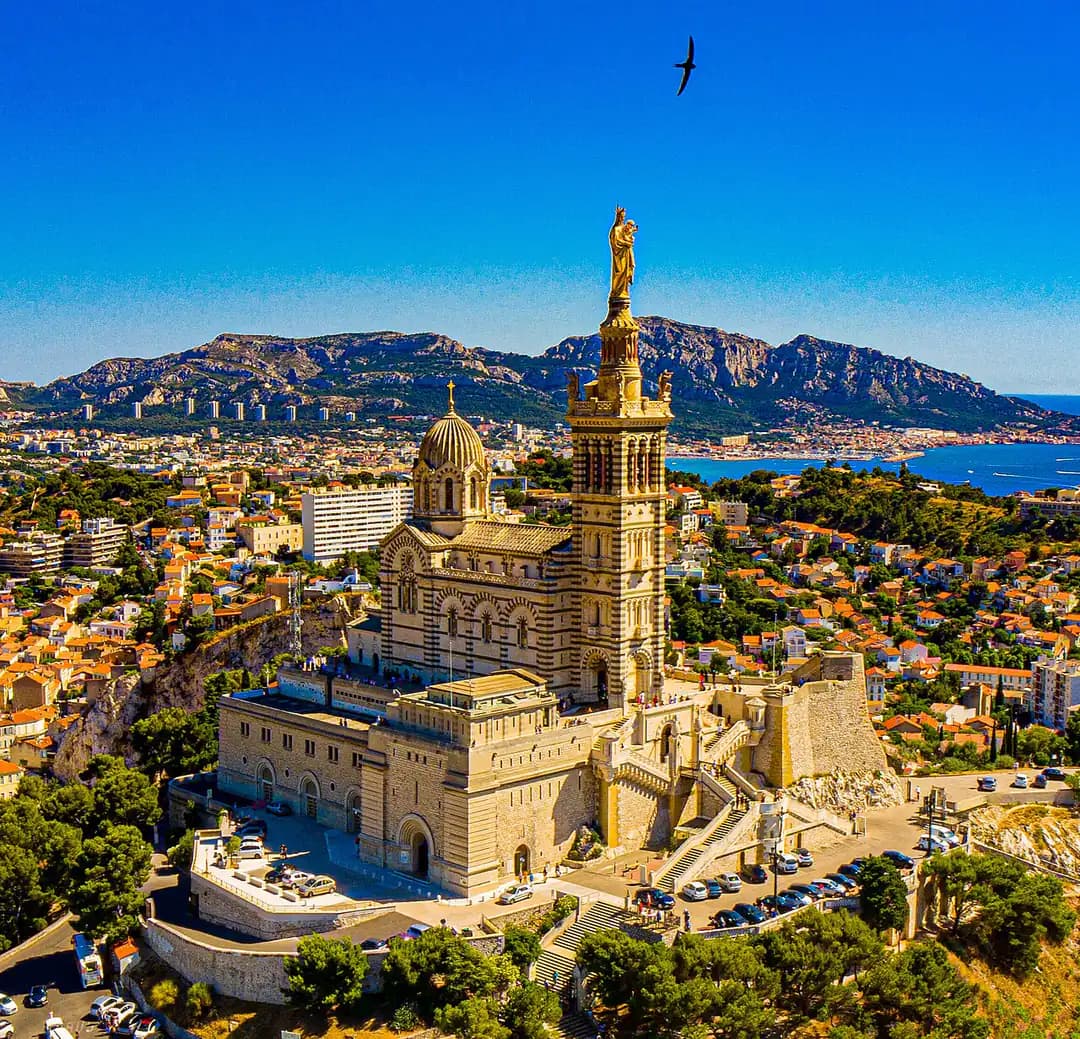
France
Marseille isn't just a city; it's a raw, sun-drenched symphony of Mediterranean life. Forget the polished perfection of the French Riviera—here, you'll find a working port city where North African spice markets spill onto cobblestone streets, fishermen hawk the morning's catch at the Vieux-Port, and the scent of saffron and garlic from bubbling bouillabaisse pots fills the air in the Panier district. This is France's oldest city, and its history is written in the layers of its diverse neighborhoods, from the ancient Greek foundations to the striking modern architecture of the MuCEM.
What truly defines Marseille is its dramatic natural setting. The city is cradled by limestone cliffs and the deep blue of the Mediterranean, best experienced by hiking or kayaking through the Calanques National Park's fjord-like inlets. The energy is palpable, a blend of grit and grandeur, where you can sip pastis with locals in a no-frills bar before ascending to the golden basilica of Notre-Dame de la Garde for a panoramic view that will steal your breath. Marseille rewards the curious traveler with an authenticity that's increasingly rare.
For the Unparalleled Coastal Wilderness: Hike the breathtaking Calanques de Sugiton or kayak to the turquoise waters of Calanque d'En-Vau, a protected national park of dramatic limestone cliffs and hidden coves right on the city's doorstep.
For a Deeply Authentic Food Culture: Taste the legendary bouillabaisse at a traditional spot like Chez Fonfon, explore the North African pastries and spices at Noailles Market, and savor fresh seafood at a Vieux-Port kiosk.
For a Riveting Blend of Ancient and Modern: Witness architectural dialogue at the MuCEM, where a 17th-century fort is connected by a sleek footbridge to a contemporary latticework cube, all telling the story of Mediterranean civilizations.
For a Distinctive, Gritty Urban Vibe: Wander the steep, laundry-strung lanes of Le Panier, the city's oldest quarter, discovering artisan workshops, vibrant street art, and a village-like atmosphere far from generic tourism.
For Literary and Historical Adventure: Channel the Count of Monte Cristo with a boat trip to the island fortress of Château d'If, and explore the ancient Greek and Roman ruins at the Musée d'Histoire de Marseille.
For a Revitalized Waterfront and Maritime Soul: Stroll the newly pedestrianized Quai de la Fraternité, visit the innovative Villa Méditerranée, and feel the pulse of a city forever linked to the sea.
Prêt à explorer Marseille?
The historic heart of Marseille, a labyrinth of narrow, steep streets painted in warm Provençal colors. This hillside village-within-a-city is brimming with artisan boutiques, cozy squares, and cascading ivy.
Highlights:
Best for:
The bustling epicenter of city life. The Old Port is a dynamic harbor filled with boats, surrounded by seafood restaurants and markets, while La Canebière is the grand, historic avenue leading inland.
Highlights:
Best for:
Marseille's bohemian and alternative nucleus. Known for its vibrant street art, independent bookshops, vintage stores, and a youthful, creative energy that spills into its many cafes and bars.
Highlights:
Best for:
A picturesque, authentic fishing village atmosphere within the city. This southern coastal district offers a quieter, local feel with small ports, rocky inlets, and legendary seafood restaurants.
Highlights:
Best for:
Les visites et billets les plus réservés par les voyageurs, avec les notes et avis Viator.
dès 74 €
Voir les disponibilités
dès 37 €
Voir les disponibilités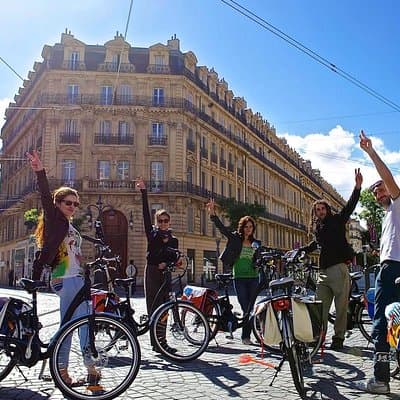
dès 74 €
Voir les disponibilités
dès 549 €
Voir les disponibilitésVisites et prix de Viator, une société Tripadvisor. Les prix varient selon vos dates. Nous pouvons percevoir une commission si vous réservez, sans frais supplémentaires.
Marseille's cuisine is a bold reflection of its port history and immigrant influences, primarily from North Africa and Italy. It's a city where humble, flavorful street food stands shoulder-to-shoulder with time-honored culinary temples, all centered on the incredible freshness of Mediterranean seafood.
This is a fixed-price, multi-course experience. It includes the fish soup, the whole poached fish presented separately, rouille, croutons, and cheese. Dress smart-casual.
Noailles Market is the best spot for cheap, delicious eats. Go hungry and follow the locals to the busiest stalls.
For the freshest fish, look for restaurants near the small ports like Vallon des Auffes or in Les Goudes, not just on the main Vieux-Port tourist strip.
Marseille's fine dining scene is growing. Book well in advance for top tables, especially for the acclaimed AM.
Spring is arguably the perfect time. The city awakens with warm sunshine, wildflowers bloom in the Calanques, and outdoor cafe life resumes without the intense summer crowds.
Pros:
Cons:
Hot, vibrant, and crowded. Marseille is in full festive mode with beaches packed, festivals underway, and a buzzing nightlife. The Mediterranean is perfect for swimming.
Pros:
Cons:
A return to tranquility with lingering summer warmth. The water remains swimmable into October, the tourist thins out, and the light is beautiful for photography.
Pros:
Cons:
Mild and quiet, with a local feel. While not beach weather, sunny days are common, and you can explore museums and the city without queues. The famous Mistral wind can be biting.
Pros:
Cons:
Comparez les prix des trains, bus et vols vers Marseille
Entrez votre ville de départ pour voir les prix

35 min by train or car
A charming, upscale fishing port famous for its white cliffs, calanques, and crisp white wine. It offers a more polished contrast to Marseille's grit, with a picturesque harbor lined with pastel-colored houses.
45 min by bus or 30 min by train
The elegant, historic capital of Provence, known for its tree-lined Cours Mirabeau, countless fountains, and as the birthplace of painter Paul Cézanne. It exudes a refined, aristocratic air.
1.5 hours by car
A vast, wild river delta region of marshes, pink flamingos, white horses, and black bulls. It's a unique natural landscape offering a complete change of scenery from the urban Mediterranean.
Marseille is more affordable than Paris or the French Riviera, but costs can vary widely. Eating and drinking like a local keeps expenses down, while waterfront dining and luxury hotels command premium prices.
Budget
€60-90 per day for hostels, market food, free sights, and public transport.
per day
Mid-Range
€120-200 per day for a comfortable hotel, sit-down meals, museum entries, and some taxis.
per day
Luxury
€300+ per day for 4-5 star hotels, fine dining, private tours, and premium experiences.
per day
A massive former tobacco factory transformed into a groundbreaking cultural center with art exhibitions, concerts, a rooftop bar, and skate park.
It's the pulsating heart of Marseille's contemporary art scene, offering an edgy, local experience far from the tourist trail with incredible city views.
The minimalist, 16-square-meter vacation cabin designed by the famed architect for himself, located on the coast in the tiny Roquebrune-Cap-Martin area (a short train ride away).
A pilgrimage site for architecture buffs, it's a stunningly simple masterpiece that embodies Le Corbusier's philosophy, set on a secluded, rocky shore.
The last fishing village before the wild Calanques begin, feeling more like a remote island outpost than part of a major city.
It retains an untouched, salty authenticity. Come for a sunset drink at a port-side bar and watch the fishermen mend their nets.
A monumental 19th-century park built to celebrate the arrival of water from the Durance River via the Canal de Marseille.
Beyond its stunning ornate palace and fountains, it houses the city's fine arts and natural history museums, offering a peaceful, cultured escape.
A barren, uninhabited island archipelago south of Marseille, part of the Calanques National Park, accessible only by private boat or kayak.
For true adventurers, it offers pristine diving, remote beaches, and a sense of discovery, with seabird colonies and crystal-clear waters.
Marseillais culture is proudly independent, direct, and passionate. It's a Mediterranean melting pot where French, Italian, and North African influences blend into a unique identity. Life revolves around the port, the sun, food, and spirited conversation, often conducted at high volume with expressive gestures.
Like any major city, be aware of your surroundings, especially at night in certain areas north of the city center and around train stations. Petty theft (pickpocketing, bag snatching) is the main concern in crowded tourist spots like the Vieux-Port and on public transport. Exercise standard precautions and you'll likely have a trouble-free visit.
While you can manage in tourist areas with English, learning a few basic French phrases (Bonjour, Merci, S'il vous plaît) is highly recommended and will be warmly received. Venturing into local markets or smaller restaurants will be much easier and more rewarding with even minimal French.
You can hike from the Luminy university campus to Calanques like Sugiton (moderate difficulty), take a boat tour from the Vieux-Port for panoramic views, or rent a kayak from Cassis or Callelongue to access the smaller inlets by water. Hiking offers the most immersive experience but requires good shoes and water.
Yes, but don't expect long sandy beaches like the Caribbean. The city's main beaches (Plages du Prado) are man-made with imported sand and are great for sunbathing and volleyball. For more scenic, rocky coves and clearer water, head to the Calanques or the smaller beaches near Les Goudes.
A minimum of 2-3 full days allows you to see the major city sights, explore a neighborhood like Le Panier, and take a half-day trip to the Calanques. To truly soak in the atmosphere, enjoy the food scene, and add a day trip to Cassis or Aix, 4-5 days is ideal.
The Mistral is a strong, cold, northwesterly wind that blows through the Rhône Valley and down to the Mediterranean. It can last for several days, clearing the skies but making it feel much colder. It's a defining feature of Provençal weather, so pack a windbreaker even in summer.
Yes, tap water in Marseille is perfectly safe to drink. In fact, the city's 19th-century aqueduct system was an engineering marvel. Asking for 'une carafe d'eau' (a carafe of water) in restaurants is free and standard practice.
Staying near the Vieux-Port puts you in the heart of the action, with easy access to ferries, restaurants, and Le Panier. For a more local and trendy vibe with great nightlife, consider Cours Julien. For a quieter, more upscale stay with sea views, look at the Corniche or the Pharo area.
Coûts quotidiens habituels pour un voyageur, d'après les prix moyens dans le pays (France).
| Petit budget | Milieu de gamme | Confort | |
|---|---|---|---|
| Hébergement (par nuit) | 45 € | 105 € | 180 € |
| Repas et boissons (par jour) | 18 € | 38 € | 75 € |
| Visites et activités (par jour) | 8 € | 25 € | 55 € |
| Total par jour | 71 € | 168 € | 310 € |
Les estimations n'incluent pas les vols ni les transports longue distance. Comparer les coûts quotidiens entre villes
Des hôtels proches du centre de Marseille, du petit budget au luxe. Les prix sont des tarifs par nuit habituels lors de notre dernière vérification.
 Petit budget
 Petit budget
 Milieu de gamme
 Milieu de gamme
 Haut de gamme
 Haut de gamme
 Luxe
 Luxe
Les prix des hôtels proviennent de Traveloka, vérifiés pour la dernière fois le 4 février 2026, et varient selon vos dates. Nous pouvons percevoir une commission si vous réservez via nos liens, sans frais supplémentaires pour vous.
Liaisons populaires en train, bus et avion, avec temps de trajet et tarifs.
Laissez l'IA créer l'itinéraire parfait pour votre voyage à Marseille. Décrivez simplement ce que vous voulez vivre.
Planifier Marseille