
Visite culinaire et à pied de Little Havana à Miami
4.99 911 avis2h 30m
dès 63 €
Voir les disponibilités
United States
Miami isn't just a city; it's a vibrant, sun-drenched collision of cultures where the energy of Latin America electrifies American shores. Forget quiet beach towns—here, you'll find the pastel-hued Art Deco District of South Beach, a living museum of 1930s architecture where you can sip a cafecito on Ocean Drive before the night transforms into a thumping open-air club. The real magic happens when you venture inland to Little Havana, where the scent of hand-rolled cigars and slow-roasting lechón fills the air, and the sound of dominoes slapping tables in Maximo Gomez Park provides the rhythm of daily life.
This is a city of contrasts, where the meticulously manicured European gardens of the Vizcaya Museum gaze across Biscayne Bay at the ever-evolving skyline. In the Wynwood Arts District, former warehouses are canvases for some of the world's most celebrated street artists, creating a constantly changing outdoor gallery. From the designer boutiques of the Design District to the untamed wilderness of the Everglades at its doorstep, Miami offers a uniquely American experience filtered through a distinctly Latin lens.
World-Class Beaches & Iconic Art Deco Architecture: South Beach isn't just sand and surf; it's the largest collection of Art Deco architecture in the world. Stroll along Ocean Drive to admire the pastel facades, neon signs, and streamlined curves of historic hotels like The Colony and The Carlyle, then hit the famous white-sand beach itself.
A Culinary Capital of Cuban & Latin Flavors: Experience an authentic taste of Cuba without a passport. In Little Havana, queue for a Cuban sandwich at Versailles Restaurant, watch master torcedores roll cigars at El Titan de Bronze, and savor a potent cortadito while listening to live salsa music on Calle Ocho.
A Global Epicenter for Street Art & Contemporary Culture: The Wynwood Walls transformed an industrial district into an international street art destination. Explore massive murals by artists like Shepard Fairey and Kenny Scharf, then browse the independent galleries, breweries, and chic boutiques that fill the surrounding blocks.
Pulsating Nightlife & World-Renowned Clubs: Miami's nightlife is legendary. From the glamorous, bottle-service mega-clubs in South Beach like LIV at the Fontainebleau to the intimate, salsa-fueled dance halls in Little Havana like Ball & Chain, the party starts late and goes until sunrise.
Unique Natural Wonders at Your Doorstep: Just an hour from downtown, the vast River of Grass awaits in Everglades National Park. Take an airboat tour to spot alligators, manatees, and rare birds, offering a wild contrast to the urban glamour.
A Year-Round Tropical Climate & Outdoor Lifestyle: With an average winter temperature of 20°C (68°F), Miami's patio culture thrives. Enjoy al fresco dining in Coconut Grove, kayak through the mangroves at Oleta River State Park, or people-watch from a Lincoln Road cafe any day of the year.
Prêt à explorer Miami?
The iconic, high-energy heart of Miami Beach, famous for its stunning shoreline, vibrant nightlife, and the world's largest concentration of pastel-colored Art Deco architecture from the 1930s and 40s. The vibe is glamorous, fast-paced, and perpetually festive.
Highlights:
Best for:
The cultural and emotional center of Miami's Cuban exile community. The streets pulse with salsa music, the air smells of strong coffee and cigars, and life revolves around family, food, and dominoes. It's authentic, passionate, and deeply historic.
Highlights:
Best for:
Adjacent neighborhoods that form Miami's epicenter for contemporary art, fashion, and design. Wynwood is gritty, creative, and covered in breathtaking street art, while the Design District is a polished, luxury-branded open-air museum of high design.
Highlights:
Best for:
These lush, leafy neighborhoods offer a more relaxed, historic, and upscale side of Miami. Coconut Grove is a bohemian village with a marina and parks, while Coral Gables is known for its Mediterranean Revival architecture, curated landscaping, and upscale vibe.
Highlights:
Best for:
Les visites et billets les plus réservés par les voyageurs, avec les notes et avis Viator.
dès 63 €
Voir les disponibilités
dès 40 €
Voir les disponibilités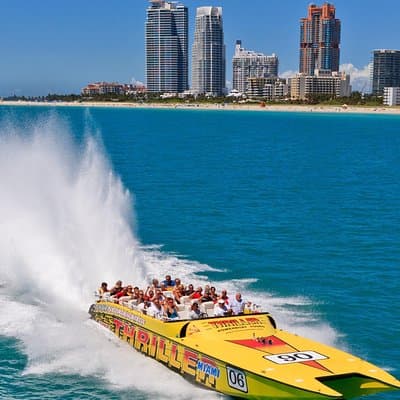
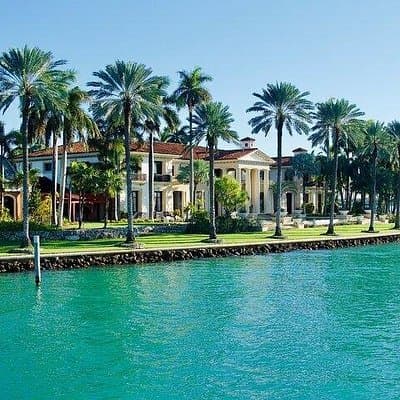
dès 23 €
Voir les disponibilitésVisites et prix de Viator, une société Tripadvisor. Les prix varient selon vos dates. Nous pouvons percevoir une commission si vous réservez, sans frais supplémentaires.
Miami's food scene is a direct reflection of its diaspora, dominated by robust, flavorful Cuban and broader Latin American cuisines. It's a city where a $5 pressed sandwich from a ventanita can be as memorable as a $200 tasting menu, and where fresh seafood, tropical fruits, and strong coffee are staples of daily life.
Lunch is the busiest and best time to experience these classic cafeterias. Don't be shy—point at what looks good if you're unsure.
Always ask what's fresh and local. Stone crab season is a must-do from October to May.
Reservations are essential, especially for dinner and on weekends. Book well in advance for top spots.
Carry small bills for cash-only vendors. This is where you'll find some of the most authentic and affordable bites.
Spring (March-May) brings warm, sunny days with lower humidity than summer. It's the tail end of the peak tourist season, with pleasant beach weather and major events like Miami Music Week and the Miami Open.
Pros:
Cons:
Summer (June-September) is hot, humid, and rainy. Afternoon thunderstorms are daily but brief. This is the low season for tourism, with lower hotel rates but higher heat.
Pros:
Cons:
Autumn (October-November) sees humidity and rain begin to taper off. Early October can still feel like summer, but by November, the weather becomes nearly perfect. It's the calm before the winter tourist rush.
Pros:
Cons:
Winter (December-February) is Miami's glorious peak season. Days are warm and dry (avg 20°C/68°F), nights are cool, and humidity is low. It's the most desirable and busiest time to visit.
Pros:
Cons:
Comparez les prix des trains, bus et vols vers Miami
Entrez votre ville de départ pour voir les prix

45-60 min by car from Downtown Miami
Venture into the vast 'River of Grass,' a unique subtropical wilderness that's a UNESCO World Heritage Site. This is the only place in the world where alligators and crocodiles coexist, and it offers a stunning natural counterpoint to Miami's urban energy.
30 min by car from South Beach (including causeway)
Escape to an island paradise with some of Miami's most beautiful and serene beaches. Key Biscayne feels worlds away, with a relaxed, family-friendly vibe, a historic lighthouse, and pristine parkland.
45 min by car or 30 min by Brightline train from Downtown Miami
Known as the 'Venice of America' for its extensive canal system, Fort Lauderdale offers a slightly more laid-back coastal vibe with a fantastic beachfront promenade, upscale shopping on Las Olas Boulevard, and scenic water taxi tours.
Miami is one of the more expensive cities in the US to visit, especially during the winter high season. Costs are heavily driven by accommodation and dining choices, but savvy travelers can find value by exploring beyond South Beach and using public transit.
Budget
$100-150 per person for hostels, street food, free beaches, and public transit.
per day
Mid-Range
$250-400 per person for 3-star hotels, casual sit-down meals, occasional Ubers, and paid attractions.
per day
Luxury
$600+ per person for 5-star beachfront hotels, fine dining, club tables, private tours, and high-end shopping.
per day
A stunning 12th-century Cistercian monastery originally built in Segovia, Spain, that was dismantled and shipped to Miami in the 1920s, then painstakingly reassembled.
It's an utterly surreal and peaceful piece of medieval Europe tucked away in North Miami Beach, surrounded by lush gardens. It feels completely disconnected from the modern city.
Florida's largest urban park, located on Biscayne Bay, offering a wild escape with miles of mountain biking trails, kayak rentals through mangrove forests, and quiet picnic areas.
It provides a genuine outdoor adventure just minutes from the skyscrapers. You can kayak to a secluded island or spot manatees, offering a side of Miami most tourists never see.
A mysterious stone structure in Homestead built single-handedly over 28 years by the eccentric Latvian-American Edward Leedskalnin as a monument to his lost love.
The engineering feat is baffling—how one man moved and carved multi-ton blocks of coral rock with primitive tools is an unsolved mystery. It's quirky, romantic, and uniquely Floridian.
A stunning, waterfront botanical garden in Coconut Grove that was once the home of plant explorer Dr. David Fairchild, filled with rare tropical fruit trees and flowering plants from around the world.
It's far more intimate and less crowded than the larger Fairchild Garden. Tours feel like a private visit to a scientist's fascinating, lush estate.
A abandoned, architecturally groundbreaking concrete stadium on Virginia Key, built for powerboat racing in 1963 and now covered in vibrant graffiti art.
It's a hauntingly beautiful relic of Miami's 'Go-Go' era and a mecca for urban explorers and photographers. Its future is uncertain, making a visit a chance to see a piece of endangered history.
Miami's culture is a proud, passionate fusion of American and Latin American, particularly Cuban, influences. It's fast-paced, status-conscious, and appearance-oriented in places like South Beach, yet deeply family-oriented and traditional in neighborhoods like Little Havana. The rhythm is set by salsa beats, the language is often Spanglish, and life is lived loudly and outdoors.
Yes, at guarded beaches like those in South Beach, the water is generally safe for swimming. Always swim near a lifeguard, heed any posted warning flags (red=high hazard, yellow=caution, purple=dangerous marine life), and be aware of strong currents, especially during rough weather.
Not necessarily if you're staying in one area like South Beach and using rideshares/taxis to visit other neighborhoods. For exploring widely or taking day trips (Everglades, Keys), a car is very helpful. However, traffic can be heavy and parking in South Beach is expensive and difficult.
Go for a late morning or afternoon. Walk down Calle Ocho (SW 8th St), stop at a ventanita for a cafecito, watch the domino players at Maximo Gomez Park, visit a cigar factory like El Titan de Bronze, and have lunch at Versailles. For the full experience, visit on the last Friday of the month for 'Viernes Culturales,' a street festival with music and art.
Miami's nightlife is stylish. For most clubs and upscale bars, men should wear dress shoes, pants (no shorts), and a collared shirt. Women typically wear dresses, heels, or fashionable separates. Jeans are often okay if they are dark and paired with a nice top. Beachwear, flip-flops, and athletic wear are almost always turned away at the door.
The Atlantic hurricane season runs from June 1 to November 30, with peak activity from mid-August to mid-October. While the statistical chance of your trip being impacted is low, you should be aware. Travel insurance that covers weather disruptions is highly recommended if visiting during this period. Hotels and airlines often have flexible cancellation policies during storms.
Miami can be very expensive, especially in South Beach during the winter high season. However, costs can be managed by staying in neighborhoods like Downtown, eating at local Cuban cafeterias, using public transit/free trolleys, and enjoying free attractions like the beaches and Art Deco District. It's a city of extremes, with options for both budget and luxury travelers.
Miami Beach is the entire barrier island city. South Beach refers specifically to the southernmost section, roughly from 1st to 23rd Streets, which is famous for its Art Deco architecture, nightlife, and beaches. Mid-Beach and North Beach are quieter, more residential areas of Miami Beach with their own charm.
Yes, the US Dollar is the only currency accepted. Credit/debit cards are widely used, but it's wise to carry some cash for smaller establishments, tips, farmers' markets, and ventanitas (coffee windows), which are often cash-only.
Coûts quotidiens habituels pour un voyageur, du petit budget au confort.
| Petit budget | Milieu de gamme | Confort | |
|---|---|---|---|
| Hébergement (par nuit) | 90 € | 200 € | 350 € |
| Repas et boissons (par jour) | 28 € | 55 € | 100 € |
| Visites et activités (par jour) | 12 € | 28 € | 60 € |
| Total par jour | 130 € | 283 € | 510 € |
Les estimations n'incluent pas les vols ni les transports longue distance. Comparer les coûts quotidiens entre villes
Des hôtels proches du centre de Miami, du petit budget au luxe. Les prix sont des tarifs par nuit habituels lors de notre dernière vérification.
 Petit budget
 Petit budget
 Milieu de gamme
 Milieu de gamme
 Haut de gamme
 Haut de gamme
 Luxe
 Luxe
Les prix des hôtels proviennent de Traveloka, vérifiés pour la dernière fois le 4 février 2026, et varient selon vos dates. Nous pouvons percevoir une commission si vous réservez via nos liens, sans frais supplémentaires pour vous.
Liaisons populaires en train, bus et avion, avec temps de trajet et tarifs.
Laissez l'IA créer l'itinéraire parfait pour votre voyage à Miami. Décrivez simplement ce que vous voulez vivre.
Planifier Miami