Visite originale du marché et de la cuisine de rue de Palerme (tout compris!)
4.92 398 avis3h
dès 69 €
Voir les disponibilités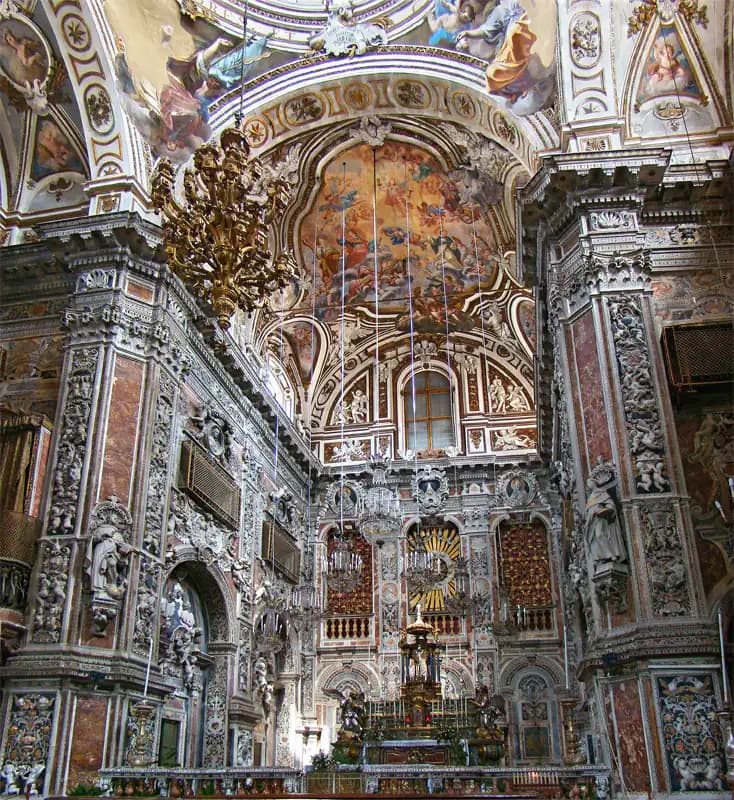
Italy
Palermo isn't just a city; it's a living archaeological dig where every street corner reveals a new layer of history. Wander from the Arab-Norman splendor of the Palatine Chapel, with its breathtaking Byzantine mosaics, directly into the chaotic symphony of Ballarò Market, where vendors hawk swordfish heads and vendors shout over pyramids of blood oranges. This is a city that demands all your senses—taste panelle (chickpea fritters) hot from a friggitoria, smell the jasmine in hidden courtyards, and feel the weight of centuries in the shadow of the Palermo Cathedral's eclectic architecture.
Forget orderly sightseeing; Palermo rewards the curious wanderer. Get lost in the labyrinth of the Albergheria district, discover a forgotten Baroque oratory, then join locals for an evening passeggiata along Via Maqueda. The city's beauty is often raw and unfiltered—peeling palazzo facades reveal stunning stonework, and the buzz of Vespas mixes with the call to prayer from a hidden mosque. This is Sicily's defiant, passionate heart, where the art, food, and architecture tell a 2,700-year story of conquest, creativity, and resilience.
A Unique Architectural Tapestry: Nowhere else on earth blends architectural styles so dramatically. See the Norman, Arab, Byzantine, and Baroque influences fused in UNESCO sites like the Palazzo dei Normanni and the Cathedral, where a 9th-century mosque foundation supports a 12th-century Norman church topped with an 18th-century dome.
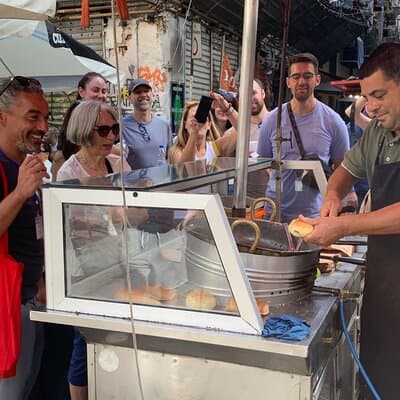
A Street Food Capital: Palermo's street food is a cultural institution. Go beyond arancini to taste pane con la milza (spleen sandwich) at Nni Franco U' Vastiddaru, sfincione (Sicilian pizza) from a market stall, and crisp cannoli filled to order at Pasticceria Cappello.
Vibrant, Chaotic Markets: The historic markets—Ballarò, Vucciria, and Capo—are theaters of daily life. They're not just for shopping but for experiencing the city's soul, with shouting vendors, incredible food stalls, and a palpable energy that lasts from dawn until late at night.
Under-the-Radar Art Treasures: Beyond the major sites, discover astounding art in lesser-known spots. Seek out the haunting sculptures of the Oratorio di San Lorenzo by Giacomo Serpotta, the Byzantine mosaics at the Church of Santa Maria dell'Ammiraglio (La Martorana), and the contemporary works at Palazzo Butera.
Opera and Performing Arts Legacy: Experience a performance at the magnificent Teatro Massimo, one of Europe's largest opera houses. Even taking a guided tour reveals its opulent history and superb acoustics, connecting you to Palermo's 19th-century cultural golden age.
Gateway to Sicilian Landscapes & History: Palermo is the perfect base for exploring northwestern Sicily. Within an hour, you can be at the sublime Norman cathedral of Monreale, the Greek ruins of Segesta, or swimming in the turquoise waters of Mondello beach.
Prêt à explorer Palerme?
Once the Arab quarter and later a noble district, Kalsa is now a bohemian area of crumbling palaces, contemporary art galleries, and serene squares. It feels village-like, with a creative, slightly offbeat vibe, especially around the modern art museum at Palazzo Butera.
Highlights:
Best for:
The historic heart surrounding the Palazzo dei Normanni, this is one of Palermo's most authentic and bustling neighborhoods. Narrow, winding streets are packed with life, hole-in-the-wall shops, and some of the city's best street food, centered on the famous Ballarò Market.
Highlights:
Best for:
Famous for its once-teeming daytime market (now smaller) that transforms into a vibrant nighttime aperitivo and street food scene. The area is a maze of alleys leading to the port, full of character, graffiti art, and noisy, convivial energy after dark.
Highlights:
Best for:
The modern, elegant center of Palermo, developed in the 19th century. Wide boulevards like Via della Libertà are lined with Liberty-style villas, high-end shops, and cafes. It offers a more refined, spacious contrast to the medieval core.
Highlights:
Best for:
Les visites et billets les plus réservés par les voyageurs, avec les notes et avis Viator.
dès 69 €
Voir les disponibilités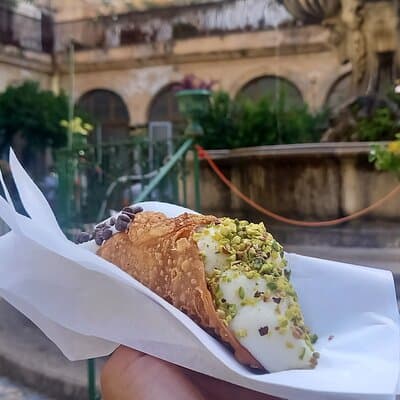
dès 41 €
Voir les disponibilités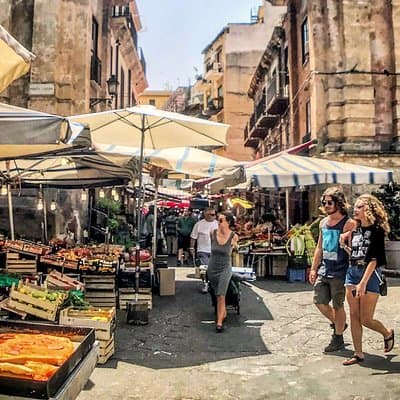
dès 34 €
Voir les disponibilités
dès 48 €
Voir les disponibilitésVisites et prix de Viator, une société Tripadvisor. Les prix varient selon vos dates. Nous pouvons percevoir une commission si vous réservez, sans frais supplémentaires.
Palermo's food is a history lesson on a plate, reflecting its conquerors with Arab-inspired sweets, Spanish-influenced street food, and pasta dishes all its own. Eating here is informal, passionate, and deeply social, whether at a market stall, a bustling trattoria, or a family-run friggitoria.
Eat standing up like a local. The best spots often have no seating. Have small change ready.
Look for places packed with locals at lunchtime (around 1:30 PM). Many traditional spots don't have elaborate menus—trust the daily specials.
A true cannolo is filled to order. If you see pre-filled ones, the shell will be soggy. Ask for 'vuoto' (empty) if you want to take shells as a gift.
The best seafood is simply grilled ('alla griglia') or served as a crudo (raw). Don't miss 'pesce spada' (swordfish), a Sicilian staple.
Spring is arguably Palermo's finest season. The city bursts into color with blooming jasmine and bougainvillea, temperatures are warm and pleasant, and the Easter celebrations (like the Festa di Santa Rosalia preparations) are spectacular.
Pros:
Cons:
Summer is hot, loud, and vibrant. The heat can be intense, but life moves to the beaches (like Mondello) in the late afternoon. Evenings are long and lively, with markets and outdoor dining in full swing.
Pros:
Cons:
Autumn brings relief from the heat. The sea is still warm for swimming into October, and the city regains a local pace after the summer crowds. It's harvest season for grapes, olives, and citrus.
Pros:
Cons:
Winter is mild but can be damp. While not beach weather, it's a great time for cultural visits without queues. The city feels authentically local, and Christmas markets and lights add charm.
Pros:
Cons:
Comparez les prix des trains, bus et vols vers Palermo
Entrez votre ville de départ pour voir les prix

30 min by bus (AST line 389 from Piazza Indipendenza)
A hilltop town famous for its breathtaking Norman Cathedral, a UNESCO site rivaling the Palatine Chapel. The interior is entirely covered in golden Byzantine mosaics depicting biblical stories, a truly awe-inspiring sight.
50 min by train from Palermo Centrale
A picturesque fishing town with a stunning Norman cathedral and a beautiful sandy beach nestled under a dramatic headland. It offers the perfect mix of culture, seaside charm, and excellent seafood restaurants.
1 hour 15 min by bus (Segesta Autolinee from Via Balsamo)
Journey into Sicily's ancient past at this stunning, isolated archaeological park. The incredibly well-preserved Doric temple stands in solitary grandeur on a hill, with a Greek theater offering sweeping views over the countryside.
Palermo is one of Italy's more affordable major cities, especially for food and drink. While luxury options exist, incredible experiences can be had on a modest budget, particularly by embracing street food and public transport.
Budget
€50-70 for budget travelers (hostel dorm, street food, free sights, public transport)
per day
Mid-Range
€100-150 for mid-range (private room/B&B, trattoria meals, paid attractions, some taxis)
per day
Luxury
€250+ for luxury (boutique hotel, fine dining, private tours, car rental)
per day
A small, unassuming oratory near the Capo Market, famous for its stunning, intricate white stucco sculptures by Giacomo Serpotta.
Serpotta's playful, expressive stucco work depicting the life of St. Lawrence is considered a Baroque masterpiece, yet it attracts only a fraction of the crowds of the major churches.
The roofless nave of an unfinished 16th-century church, now a unique public space used for art exhibitions and concerts.
It offers a magical, atmospheric blend of crumbling architecture and contemporary culture, with sunlight streaming through where the roof should be.
A beautiful 18th-century public garden near the waterfront, home to a collection of bizarre and magnificent centuries-old banyan fig trees.
A peaceful oasis away from the city chaos, perfect for a stroll. The twisted, aerial roots of the massive Ficus macrophylla trees are like something from another planet.
A tiny, jewel-like chapel tucked away on a side street near the Quattro Canti, with an interior completely covered in intricate polychrome marble inlay.
It's a stunning example of the decorative 'decorated stone' (pietra dura) craft, creating a breathtaking, intimate space almost unknown to tourists.
A former industrial factory complex transformed into a vast cultural hub hosting art exhibitions, theaters, workshops, and a popular weekend food truck market.
It showcases Palermo's vibrant contemporary arts scene and innovative urban regeneration, offering a completely different side to the city's historical image.
Palermitan culture is defined by layered history, passionate expression, and a strong sense of community and family. It's outwardly chaotic but operates on its own deep-rooted rhythms and codes. Respect for tradition, especially religious festivals, coexists with a gritty, modern resilience.
Yes, the main tourist areas are generally safe. As in any major city, be aware of pickpockets in crowded markets and on buses. Avoid poorly lit, deserted alleyways late at night. The chaotic traffic is often a greater hazard than crime.
A minimum of 3 full days is recommended to see the major historical sites, experience the markets, and take a day trip. To truly soak in the atmosphere and explore more neighborhoods and hidden gems, 4-5 days is ideal.
This is a fierce local debate! In Palermo, it's feminine: 'arancina' (little orange). In Catania on the east coast, it's masculine: 'arancino'. In Palermo, you'll see the 'a' ending. Ordering one as an 'arancino' might get you a friendly correction.
Not for staying within the city. The center is walkable, and public transport/taxis suffice. A car is a major hassle due to traffic, ZTL zones, and parking. However, renting a car for a day or two is excellent for exploring the interior and coastal sites at your own pace.
It's Palermo's biggest festival (July 10-15), honoring the city's patron saint. Highlights include a massive procession of her statue through the city, spectacular fireworks over the port, and days of street food, music, and celebrations. It's an incredible, crowded, and vibrant time to visit.
Yes, tap water in Palermo is safe to drink. It's common to ask for a carafe of tap water ('acqua del rubinetto') in restaurants to save money and plastic. The taste is fine, though some prefer bottled water.
Book a timed-entry ticket online in advance. Go as early as possible to avoid crowds and see the morning light illuminate the golden mosaics. The entrance is through the Palazzo dei Normanni (Royal Palace). Allow at least an hour to marvel at the details.
In tourist areas, hotels, and major restaurants, you'll find English speakers. However, in local markets, smaller trattorias, and with older residents, Italian (or Sicilian) prevails. Learning a few basic Italian phrases is greatly appreciated and will enhance your experience.
Coûts quotidiens habituels pour un voyageur, d'après les prix moyens dans le pays (Italy).
| Petit budget | Milieu de gamme | Confort | |
|---|---|---|---|
| Hébergement (par nuit) | 45 € | 110 € | 190 € |
| Repas et boissons (par jour) | 17 € | 35 € | 70 € |
| Visites et activités (par jour) | 8 € | 22 € | 50 € |
| Total par jour | 70 € | 167 € | 310 € |
Les estimations n'incluent pas les vols ni les transports longue distance. Comparer les coûts quotidiens entre villes
Des hôtels proches du centre de Palerme, du petit budget au luxe. Les prix sont des tarifs par nuit habituels lors de notre dernière vérification.
 Petit budget
 Petit budget
 Milieu de gamme
 Milieu de gamme
 Haut de gamme
 Haut de gamme
 Luxe
Les prix des hôtels proviennent de Traveloka, vérifiés pour la dernière fois le 4 février 2026, et varient selon vos dates. Nous pouvons percevoir une commission si vous réservez via nos liens, sans frais supplémentaires pour vous.
Liaisons populaires en train, bus et avion, avec temps de trajet et tarifs.
Laissez l'IA créer l'itinéraire parfait pour votre voyage à Palerme. Décrivez simplement ce que vous voulez vivre.
Planifier Palerme