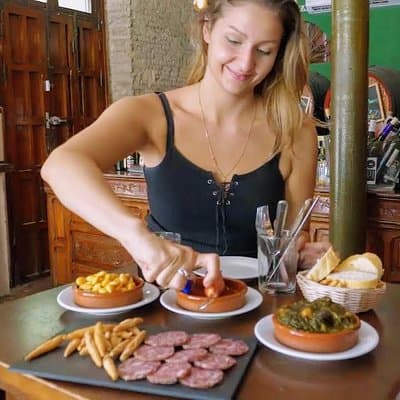
Visite gastronomique de Séville : tapas, vin, histoire et traditions
4.96 142 avis3h 30m
dès 69 €
Voir les disponibilités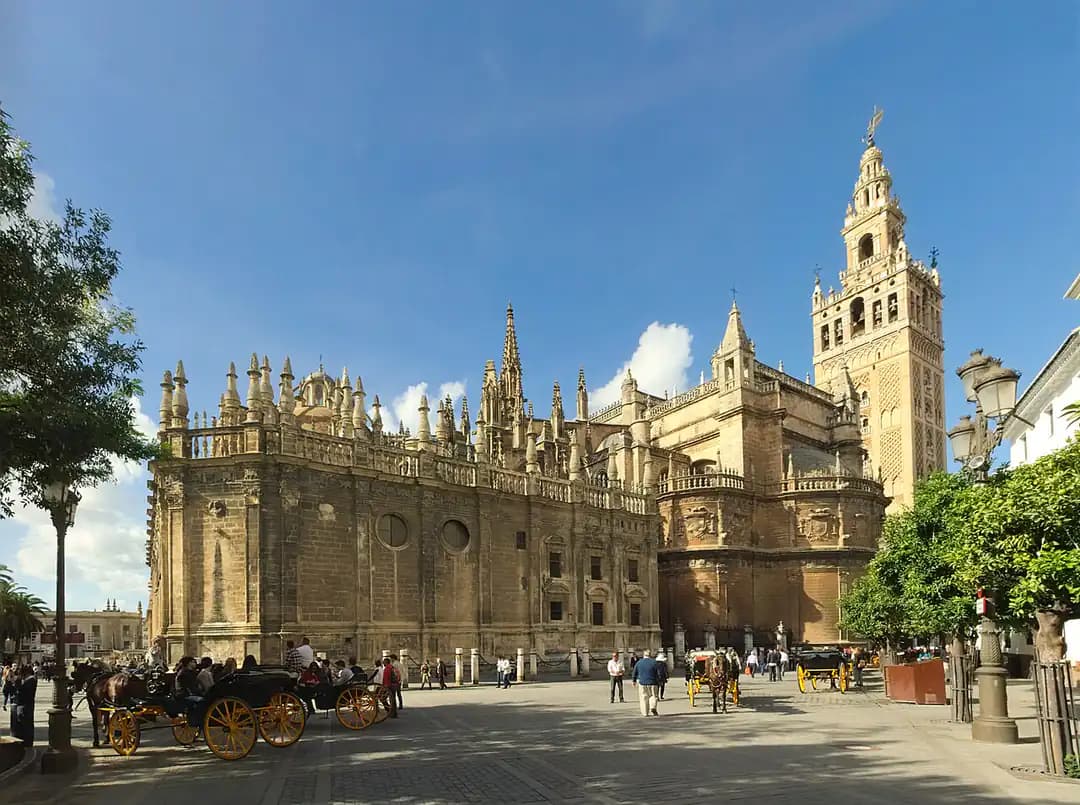
Spain
Seville isn't just a city; it's a full-sensory immersion. The scent of orange blossoms mingles with the sound of flamenco guitar echoing from hidden courtyards in the Barrio Santa Cruz, while the afternoon sun casts intricate shadows across the tilework of the Real Alcázar. This is where Spanish passion is palpable, from the fervor of a live tablao performance to the animated chatter over plates of jamón ibérico in a Triana tapas bar.
Beyond its iconic landmarks like the world's largest Gothic cathedral, Seville's magic lies in its daily rituals. Join locals for a late-night stroll along the Guadalquivir River, marvel at the futuristic curves of the Metropol Parasol, and lose yourself in the labyrinthine streets where every corner reveals a new tiled fountain or a sun-drenched plaza. The city's soul is a captivating blend of Moorish grandeur, Gypsy artistry, and an unshakeable zest for life.
Architectural Grandeur: Witness the stunning fusion of Islamic and Christian artistry at the Real Alcázar, a royal palace with exquisite Mudéjar courtyards and lush gardens. Climb the Giralda bell tower, a former minaret, for panoramic city views and explore the vast Seville Cathedral, the final resting place of Christopher Columbus.
The Birthplace of Tapas Culture: Experience the authentic, social ritual of tapear (going for tapas). Hop between traditional bars in El Arenal for gambas al ajillo (garlic shrimp) and montaditos, or cross the river to Triana for innovative small plates in its ceramic-tiled bodegas.
The Heart of Flamenco: Feel the raw emotion of authentic flamenco in its spiritual home. Seek out intimate tablaos in the historic center like Casa de la Memoria for powerful performances of cante (song), toque (guitar), and baile (dance) that are far from tourist spectacles.
Enchanting Historic Quarters: Wander the narrow, flower-adorned streets of the Barrio Santa Cruz, the old Jewish quarter, discovering hidden plazas like Plaza de Doña Elvira. Explore the Triana district, famed for its ceramic workshops and vibrant, independent spirit along Calle Betis.
Spectacular Festivals: Immerse yourself in the city's legendary celebrations. Experience the April Fair (Feria de Abril), a week of flamenco dresses, casetas (marquee tents), and horse parades, or witness the solemn yet breathtaking processions of Holy Week (Semana Santa).
Sun-Drenched Atmosphere & Gardens: Relax in the city's beautiful green spaces, from the sprawling María Luisa Park and its iconic Plaza de España to the fragrant orange tree-lined avenues. Enjoy the temperate climate in a rooftop bar or a courtyard café, soaking in the Andalusian sun.
Prêt à explorer Séville?
The historic Jewish quarter is the picturesque, romantic heart of Seville. Its labyrinth of narrow, winding streets, shaded plazas with fountains, and whitewashed houses draped in bougainvillea creates an intimate, storybook atmosphere.
Highlights:
Best for:
Across the Isabel II Bridge (Puente de Triana), this former gypsy and sailor quarter pulses with authentic local life. Known as the birthplace of flamenco and ceramic production, it boasts a proud, independent character and a legendary tapas scene along the river.
Highlights:
Best for:
Situated between the river and the cathedral, this district was once the city's bustling port. Today, it's a vibrant area mixing major monuments with traditional taverns and a more modern, commercial vibe near the bullring.
Highlights:
Best for:
North of the historic center, this is a lively, less touristy area popular with students and artists. The Alameda de Hércules is a long promenade lined with trendy bars and cafes, while the Macarena neighborhood is home to one of Seville's most revered religious icons.
Highlights:
Best for:
Les visites et billets les plus réservés par les voyageurs, avec les notes et avis Viator.
dès 69 €
Voir les disponibilités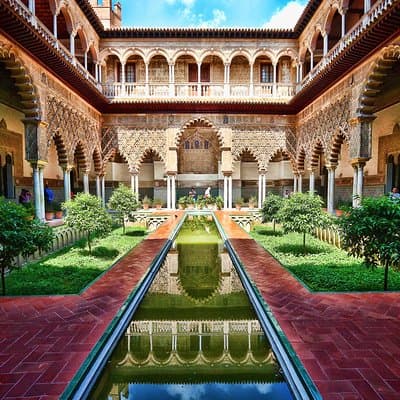
dès 62 €
Voir les disponibilités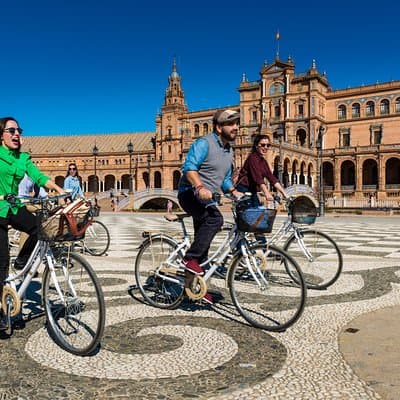
dès 35 €
Voir les disponibilités
dès 67 €
Voir les disponibilitésVisites et prix de Viator, une société Tripadvisor. Les prix varient selon vos dates. Nous pouvons percevoir une commission si vous réservez, sans frais supplémentaires.
Seville's food culture is social, affordable, and deeply traditional. It revolves around the tapeo—the art of hopping from bar to bar, sharing small plates and conversation. Expect fresh, local ingredients like Iberian ham, seafood from Cádiz, and vegetables from the surrounding huertas (market gardens), all seasoned with Andalusian olive oil.
Stand at the bar for the authentic experience and lower prices. Look for handwritten chalkboard menus.
Book ahead for dinner, especially at renowned spots. Many open for lunch at 1:30 PM and dinner at 8:30 PM.
Start on Calle Betis for the view, then dive into the grid of streets behind it for the most authentic bars.
Go for lunch. Buy fresh produce or order directly at the market's bar counters for some of the city's freshest and best-value seafood.
Spring is Seville's glorious peak season. The weather is ideal, gardens are in bloom with jasmine and orange blossoms, and the city hosts its two biggest festivals: Semana Santa (Holy Week) and the Feria de Abril.
Pros:
Cons:
Summer is intensely hot and dry, with temperatures frequently soaring above 36°C (97°F). The city slows down during the midday heat, with life shifting to early mornings, late evenings, and air-conditioned spaces.
Pros:
Cons:
Autumn brings relief from the heat. Temperatures become pleasant again, crowds thin out after summer, and the cultural calendar reignites with concerts and events. It's an excellent time for comfortable exploration.
Pros:
Cons:
Winter is mild and quiet, with cool, crisp days and cold nights. While not beach weather, it's perfect for sightseeing without queues or heat. Christmas lights and markets add a festive charm.
Pros:
Cons:
Comparez les prix des trains, bus et vols vers Seville
Entrez votre ville de départ pour voir les prix

45 min by high-speed train (AVE)
Journey to this historic city famed for the breathtaking Mezquita-Catedral, a stunning mosque with a Renaissance cathedral built inside. Wander the flower-filled patios of the Jewish Quarter (Judería) and cross the Roman Bridge.
1 hour 45 min by car, 2.5+ hours by bus
Perched dramatically atop a deep gorge, Ronda is one of Spain's most picturesque white villages (pueblos blancos). It's famous for its iconic Puente Nuevo bridge spanning the El Tajo gorge and Spain's oldest bullring.
20 min by bus from Plaza de Armas station
Explore the extensive ruins of an ancient Roman city, birthplace of emperors Trajan and Hadrian. Walk on original mosaic floors and stand in the well-preserved, colossal amphitheater that inspired scenes in 'Game of Thrones'.
Seville is generally affordable for a major European city, especially compared to Madrid or Barcelona. Costs are highly dependent on season, with spring being most expensive. Eating and drinking like a local (tapas, menú del día) keeps costs down.
Budget
€50-70 per person for hostels, supermarket meals, free sights, and walking.
per day
Mid-Range
€100-180 per person for 3-star hotels, tapas bar meals, paid attractions, and some taxis.
per day
Luxury
€250+ per person for 4/5-star hotels, fine dining, private tours, and premium experiences.
per day
A stunning 15th-century Renaissance palace still owned by the House of Alba, featuring magnificent courtyards, gardens, and art collections.
Less crowded than the Alcázar but equally beautiful, offering an intimate look into aristocratic Sevillian life with authentic, lived-in charm.
A small museum located in a former ceramics factory, showcasing the history of Triana's iconic tile-making tradition.
It's set in the historic Santa Ana kiln, providing authentic context to the tiles you see all over the city, and has a lovely courtyard.
These adjacent pedestrian streets are covered with elegant, early 20th-century glass and iron canopies.
They offer a beautiful, shaded shopping experience away from traffic, lined with traditional shops and cafes, embodying a bygone era of Sevillian commerce.
The second-largest church in Seville after the Cathedral, a Baroque masterpiece built on the site of the city's main mosque.
Its interior is an overwhelming spectacle of Baroque altarpieces and sculpture, yet it receives a fraction of the Cathedral's crowds. The attached plaza is a great local hangout.
A modern museum on the Cartuja island, dedicated to Seville's historical relationship with the Guadalquivir River and navigation.
Its viewing tower, the Torre Schindler, offers one of the most unique and panoramic 360-degree views of the city, often with no queue.
Seville's culture is a proud, passionate blend of deep Catholic tradition, Gypsy (Roma) influence, and a love for celebration. Life moves at a leisurely pace, oriented around family, food, and socializing in the street. The city's history as a melting pot of Muslim, Jewish, and Christian cultures is visible in its art, architecture, and customs.
Seville is generally very safe. Standard precautions apply: be aware of pickpockets in crowded tourist areas like the Cathedral plaza and on public transport, especially during festivals. Violent crime is rare.
Not necessarily, as English is spoken in most hotels, major restaurants, and tourist attractions. However, learning a few basic Spanish phrases (greetings, please, thank you) is greatly appreciated and will enhance your experience, especially in local bars and markets.
A minimum of 2-3 full days is recommended to see the major sights (Alcázar, Cathedral, Plaza de España, Triana) at a comfortable pace. 4-5 days allows for deeper exploration of neighborhoods, a flamenco show, and a day trip to a place like Córdoba.
Walking is best for the compact historic center. For longer distances (e.g., to Plaza de España, Triana, Macarena), use the efficient bus system or the modern tram. Taxis are affordable for short hops, especially in a group or with luggage.
Yes, the tap water in Seville is safe to drink, though it has a high mineral content that some find has a strong taste. Most locals and restaurants serve bottled water, but you can request 'agua del grifo' (tap water).
Dress is generally casual but neat. Wear comfortable walking shoes. In summer, light, breathable clothing, a hat, and sunscreen are essential. For spring/autumn, layers are key. For churches, ensure shoulders and knees are covered.
Seville is moderately priced for Western Europe. Accommodation and major attractions have set costs, but you can save significantly by eating tapas at local bars, using public transport, and visiting in the off-season (winter or summer).
Avoid large, dinner-show venues aimed at tour groups. Seek out smaller, respected tablaos like Casa de la Memoria, La Carbonería (free but donations expected), or El Palacio Andaluz in Triana. These focus on the art form in a more intimate setting.
Coûts quotidiens habituels pour un voyageur, du petit budget au confort.
| Petit budget | Milieu de gamme | Confort | |
|---|---|---|---|
| Hébergement (par nuit) | 45 € | 110 € | 185 € |
| Repas et boissons (par jour) | 15 € | 32 € | 62 € |
| Visites et activités (par jour) | 8 € | 20 € | 45 € |
| Total par jour | 68 € | 162 € | 292 € |
Les estimations n'incluent pas les vols ni les transports longue distance. Comparer les coûts quotidiens entre villes
Des hôtels proches du centre de Séville, du petit budget au luxe. Les prix sont des tarifs par nuit habituels lors de notre dernière vérification.
 Petit budget
 Petit budget
 Milieu de gamme
 Milieu de gamme
 Haut de gamme
 Haut de gamme
 Luxe
 Luxe
Les prix des hôtels proviennent de Traveloka, vérifiés pour la dernière fois le 4 février 2026, et varient selon vos dates. Nous pouvons percevoir une commission si vous réservez via nos liens, sans frais supplémentaires pour vous.
Liaisons populaires en train, bus et avion, avec temps de trajet et tarifs.
Laissez l'IA créer l'itinéraire parfait pour votre voyage à Séville. Décrivez simplement ce que vous voulez vivre.
Planifier Séville