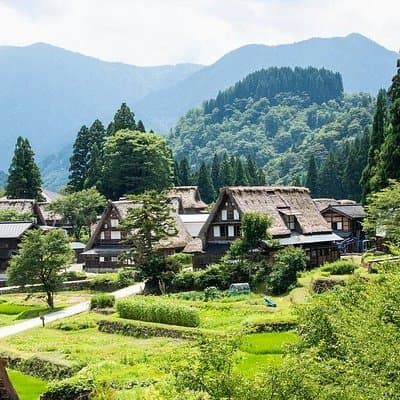
Au départ de Takayama [Bus touristique régulier] Sites du patrimoine mondial Shirakawago et Gokayama Ainokura
4.6176 avis7h 20m
dès 56 €
Voir les disponibilités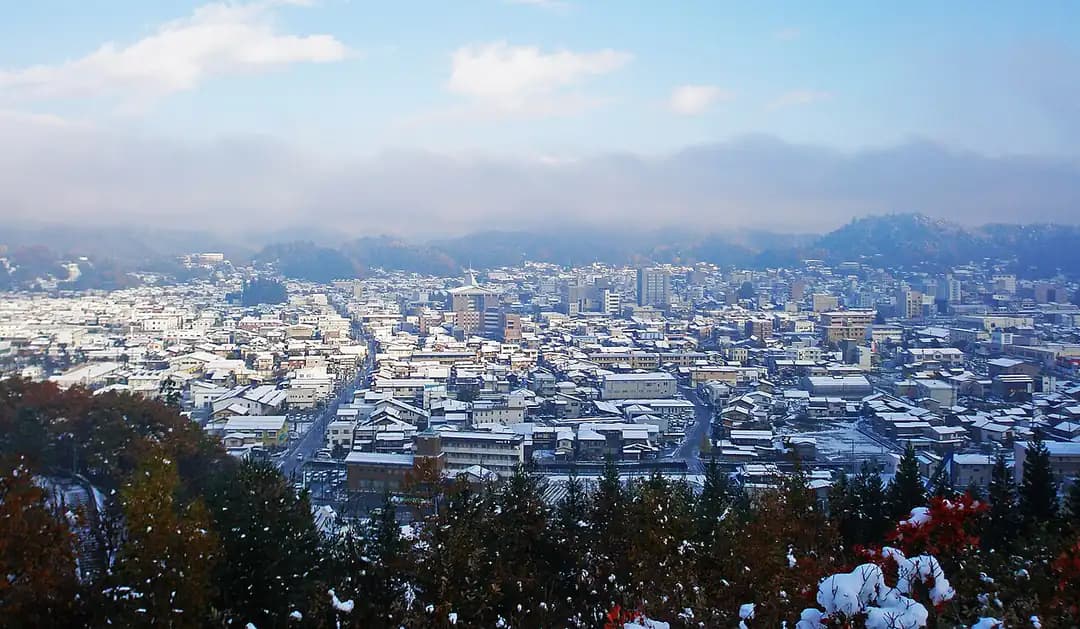
Japan
Nestled deep in the Japanese Alps, Takayama feels like stepping into a living museum of the Edo period. Unlike Kyoto, its preservation is more intimate and less crowded, centered around the Sanmachi Suji district where dark wooden merchant houses line narrow streets, many still operating as sake breweries, miso shops, and craft stores. The air carries the sweet, malty scent of fermenting rice from places like Harada Sake Brewery, and the sound of the Miyagawa River flowing through the town center provides a constant, serene soundtrack.
What truly sets Takayama apart is its tangible connection to the surrounding Hida region. This isn't just a preserved town; it's a working cultural hub. You can taste this connection in the legendary Hida beef grilled over binchotan charcoal at a streetside stall, witness the intricate craftsmanship of the ornate festival floats (yatai) displayed at the Takayama Festival Floats Exhibition Hall, and feel the rhythm of daily life at the bustling Miyagawa Morning Market where farmers sell mountain vegetables and local crafts. It's a complete immersion into a historic way of life, framed by dramatic alpine scenery.
Walk Through a Living Edo-Period Town: Explore the impeccably preserved Sanmachi Suji district, where over 300-year-old merchant houses with latticed bay windows (mushiko mado) now house sake breweries like Funasaka Shuzo, miso shops, and traditional cafes. The Takayama Jinya, Japan's last remaining Edo-period provincial government office, offers a fascinating glimpse into historical administration.
Savor World-Renowned Hida Beef: Indulge in the exceptionally marbled and tender Hida beef, a local delicacy. Try it as succulent skewers (kushiyaki) at the morning markets, as juicy steak at a specialist restaurant like Maruaki, or in a steaming bowl of Hida beef ramen. The quality is unparalleled, often considered on par with Kobe beef.
Immerse Yourself in Festival Culture and Craftsmanship: Witness the breathtaking artistry of the Takayama Matsuri, held in spring and autumn, featuring towering, ornate floats (yatai) paraded through the streets. Year-round, you can admire these floats at the Takayama Festival Floats Exhibition Hall and explore the intricate woodworking traditions at the Hida Folk Village (Hida no Sato).
Experience Authentic Morning Markets: Start your day at the lively Miyagawa Morning Market along the riverbank or the smaller Jinya-mae Market. These are genuine local institutions where you can chat with farmers, sample pickles and fresh fruit, and purchase unique handicrafts like sarubobo dolls and lacquerware directly from the makers.
Discover the Art of Sake Brewing: Takayama's pure mountain water and cold climate make it ideal for sake production. Tour historic breweries in the old town, identifiable by the giant sugidama (cedar ball) hanging outside. Enjoy tastings at spots like Hirata Sake Brewery to sample crisp, dry local varieties (junmai) that perfectly complement the regional cuisine.
Use Takayama as a Gateway to Shirakawa-go: The city is the perfect base for a day trip to the UNESCO World Heritage site of Shirakawa-go, famous for its unique thatched-roof gassho-zukuri farmhouses. The scenic bus ride through the mountains is an experience in itself, leading to villages like Ogimachi that look like they've been lifted from a storybook.
Prêt à explorer Takayama?
The historic heart of Takayama, comprising three main streets (Ichino-machi, Nino-machi, Sanno-machi) lined with dark wooden merchant houses from the Edo period. The atmosphere is timeless and tranquil, with the gentle flow of small canals and the aroma of sake and miso filling the air.
Highlights:
Best for:
A vibrant, scenic area centered on the crystal-clear Miyagawa River, crossed by iconic red bridges like the Nakabashi. The eastern bank comes alive in the morning with the famous market, creating a bustling yet picturesque local scene.
Highlights:
Best for:
The modern transportation hub of the city, more functional than historic. This area is convenient for arrivals and departures and houses several key cultural facilities and a range of practical amenities like hotels and restaurants.
Highlights:
Best for:
A peaceful, wooded hillside area east of the city center, featuring a serene walking path that connects over a dozen temples and shrines. It offers a quiet escape and a different, more spiritual perspective on Takayama.
Highlights:
Best for:
Les visites et billets les plus réservés par les voyageurs, avec les notes et avis Viator.
dès 56 €
Voir les disponibilités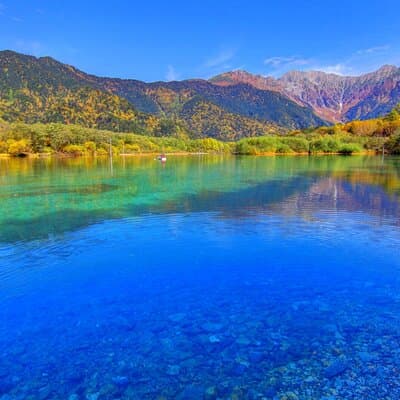
dès 188 €
Voir les disponibilités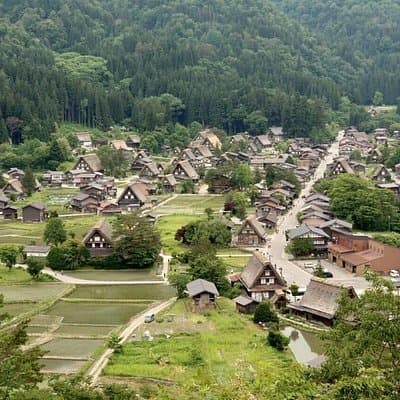
dès 141 €
Voir les disponibilités
dès 107 €
Voir les disponibilitésVisites et prix de Viator, une société Tripadvisor. Les prix varient selon vos dates. Nous pouvons percevoir une commission si vous réservez, sans frais supplémentaires.
Takayama's food scene is deeply rooted in the bounty of the Hida mountains and a history of preservation. The cuisine is hearty, flavorful, and designed for the alpine climate, featuring specialties like Hida beef, river fish, wild mountain vegetables (sansai), and fermented products like miso and sake.
Book ryokan dinners in advance, as they often require reservation and are part of the lodging experience.
Arrive at the morning markets before 10 AM for the best selection of food and to avoid the largest crowds.
Look for the term "junmai" on sake labels for a pure rice sake that pairs excellently with the region's rich foods.
Takayama ramen shops are often small and busy. Be prepared to queue, especially during lunch hours—it's worth the wait.
Spring brings a gradual thaw, with cherry blossoms (sakura) typically blooming in mid-April. The famous Takayama Spring Festival (Sanno Matsuri) occurs on April 14-15, featuring daytime float parades.
Pros:
Cons:
Summer is warm and lush, with green mountains and comfortable temperatures, though it can be humid. Evenings are cool. This is a lively season with fewer international crowds than spring/autumn.
Pros:
Cons:
Autumn is arguably the most beautiful season, with brilliant koyo (foliage) painting the mountains in reds and golds from mid-October to early November. The Takayama Autumn Festival (Hachiman Matsuri) is held on October 9-10.
Pros:
Cons:
Winter is cold and snowy, transforming Takayama into a quiet, serene winter wonderland. While some outdoor attractions are limited, the atmosphere is magical, and the snow-covered old town is breathtaking.
Pros:
Cons:
Comparez les prix des trains, bus et vols vers Takayama
Entrez votre ville de départ pour voir les prix

50 min by direct bus from Takayama Nohi Bus Center
A UNESCO World Heritage site famous for its traditional gassho-zukuri farmhouses, built with steep thatched roofs to withstand heavy snow. The village of Ogimachi looks like a scene from a fairy tale, especially when lit up in winter.
90 min by bus from Takayama Station
A spectacular national park in the Northern Japan Alps, often called the "Japanese Yosemite." It offers pristine mountain scenery, crystal-clear rivers, and easy, flat walking trails along the Azusa River with views of peaks like the Hotaka range.
15 min by train on the JR Takayama Line
A charming, smaller, and less touristy sister town to Takayama, with its own beautifully preserved old town and canals filled with colorful koi carp. It offers a more relaxed and authentic glimpse into the region's history.
Takayama is moderately priced for Japan. While luxury ryokans and premium Hida beef can be expensive, budget options like guesthouses, market food, and free walking are readily available.
Budget
€45-65 per day for hostels, market/konbini meals, walking, and public transport.
per day
Mid-Range
€90-150 per day for business hotels/ryokan, restaurant meals, sake tastings, and paid attractions.
per day
Luxury
€250+ per day for high-end ryokan with kaiseki, premium Hida beef dining, private tours, and car rental.
per day
A stunning merchant's home in the old town, designated a National Treasure. It features exceptional latticework and a beautiful inner garden.
Less visited than the Takayama Jinya, it offers a more intimate look at the architecture and lifestyle of a wealthy Edo-period merchant family.
A unique museum next to Sakurayama Hachimangu Shrine displaying incredibly detailed 1/10th scale replicas of Nikko's Toshogu Shrine.
It's an astonishing work of miniature craftsmanship that allows you to 'see' the splendor of Nikko without leaving Takayama.
Takayama's oldest temple, founded in the 8th century, featuring a three-story pagoda and a massive ginkgo tree over 1,200 years old.
It's a serene spot slightly off the main tourist trail, offering deep historical roots and beautiful seasonal changes, especially in autumn.
A nostalgic museum dedicated to the Showa period (1926-1989), recreating a retro shopping street and household scenes.
It's a fun, quirky, and immersive change of pace from the Edo period, offering a blast of recent Japanese cultural history that many visitors overlook.
A peaceful, tree-lined walking path that follows a small river north of the station, leading to a few local shrines.
You'll almost certainly have this beautiful, babbling brook-side path to yourself, making it perfect for a quiet morning or evening stroll away from all crowds.
Takayama's culture is defined by self-reliance, craftsmanship, and deep respect for tradition, shaped by its isolation in the mountains. This is seen in the preservation of the old town, the meticulous care of festival floats, and the pride in local products like Hida beef and sake. Community and seasonal rhythms are central to life here.
Two full days is ideal. Spend one day exploring the old town, morning markets, and museums, and use the second day for a trip to Shirakawa-go or Kamikochi. An extra day allows for a more relaxed pace or a visit to Hida Furukawa.
Absolutely. While cold, winter offers a magical, quiet atmosphere with snow-covered roofs in the old town. It's the best time for photography and enjoying onsens. Just be prepared for possible travel delays and check if specific attractions are open.
Yes, easily. Regular buses run from Takayama's Nohi Bus Center directly to Shirakawa-go (Ogimachi). It's recommended to book your return bus ticket upon arrival in Takayama, especially during peak seasons, to secure your preferred time.
The most efficient route is taking the JR Hokuriku Shinkansen from Tokyo to Toyama (about 2 hours), then transferring to the JR Wide View Hida limited express train to Takayama (about 90 minutes). The entire journey is covered by the Japan Rail Pass.
No, but it helps. Major tourist spots, ryokans, and some restaurants have basic English signage or staff. Learning a few key phrases is appreciated. Carrying a translation app or a phrasebook is recommended for smoother interactions in smaller establishments.
For an upscale experience, book a table at a specialist steakhouse like Maruaki. For a more casual and affordable taste, the grilled skewers (kushiyaki) at the Miyagawa Morning Market are excellent. Many ryokans also serve it as part of their kaiseki dinner.
Yes, if you can manage the crowds and book accommodation 6-12 months in advance. The Spring (April) and Autumn (October) Festivals are magnificent, featuring elaborate floats and traditional performances. If you prefer a quieter visit, avoid these specific festival dates.
Major hotels, department stores, and some upscale restaurants accept credit cards. However, many smaller shops, market stalls, local restaurants, ryokans (for on-site charges), and buses require cash (Japanese Yen). It's essential to carry sufficient cash with you.
Coûts quotidiens habituels pour un voyageur, d'après les prix moyens dans le pays (Japan).
| Petit budget | Milieu de gamme | Confort | |
|---|---|---|---|
| Hébergement (par nuit) | 40 € | 95 € | 180 € |
| Repas et boissons (par jour) | 14 € | 30 € | 60 € |
| Visites et activités (par jour) | 8 € | 20 € | 45 € |
| Total par jour | 62 € | 145 € | 285 € |
Les estimations n'incluent pas les vols ni les transports longue distance. Comparer les coûts quotidiens entre villes
Des hôtels proches du centre de Takayama, du petit budget au luxe. Les prix sont des tarifs par nuit habituels lors de notre dernière vérification.
 Petit budget
 Petit budget
 Milieu de gamme
 Milieu de gamme
 Haut de gamme
 Haut de gamme
Les prix des hôtels proviennent de Traveloka, vérifiés pour la dernière fois le 4 février 2026, et varient selon vos dates. Nous pouvons percevoir une commission si vous réservez via nos liens, sans frais supplémentaires pour vous.
Laissez l'IA créer l'itinéraire parfait pour votre voyage à Takayama. Décrivez simplement ce que vous voulez vivre.
Planifier Takayama