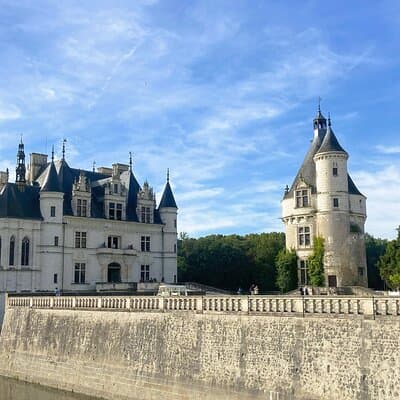
Excursion à la journée Chambord, Chenonceau et déjeuner dans un château privé
4.9460 avis9h 30m
dès 239 €
Voir les disponibilités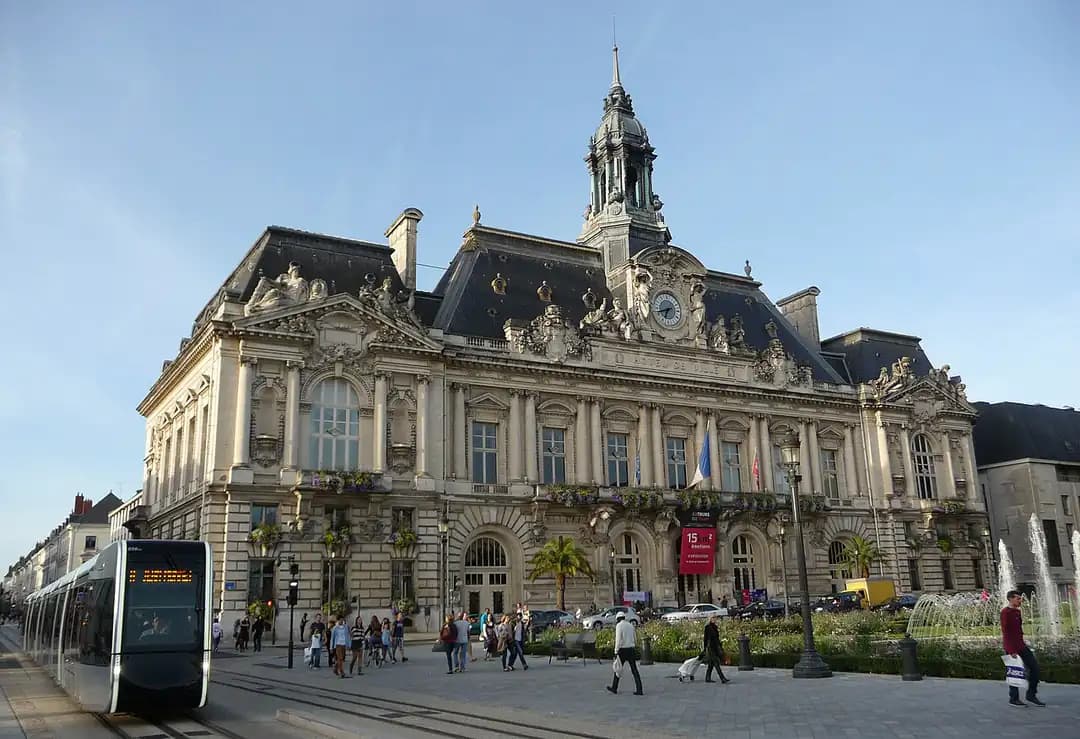
France
Tours isn't just a city; it's the vibrant, beating heart of the Loire Valley. While it serves as the perfect launchpad for exploring the region's legendary châteaux, the city itself is a captivating destination where Renaissance history meets a lively, youthful energy from its large student population. Wander the cobbled lanes of the Old Town around Place Plumereau, where half-timbered houses lean over bustling terraces, and you'll feel the pulse of a city that has mastered the art of living well.
This is a place where you can spend your morning marveling at the Gothic and Romanesque architecture of Tours Cathedral (Cathédrale Saint-Gatien), your afternoon sipping a crisp Vouvray in a sun-dappled square, and your evening indulging in a feast of local rillettes and goat cheese. Tours offers the quintessential French experience—sophisticated yet unpretentious, deeply historical yet vibrantly modern—all within a beautifully compact and walkable center that invites you to linger.
Unparalleled access to the Loire Valley châteaux: Tours is the perfect base to explore architectural masterpieces like the iconic Château de Chenonceau spanning the Cher River, the magnificent gardens of Château de Villandry, and the royal Château de Chambord, all within an hour's drive.
A living Renaissance city: The historic center, with its perfectly preserved half-timbered houses around Place Plumereau and the stunning Saint-Gatien Cathedral, offers an immersive journey into 15th and 16th-century France without the overwhelming crowds of larger cities.
A world-class wine region at your doorstep: The city is the capital of the Touraine wine region, famous for its elegant, flinty Vouvray (Chenin Blanc) and fruity Chinon (Cabernet Franc). Numerous cellars and wine bars in town offer tastings and direct purchases from local vignerons.
A dynamic and authentic French atmosphere: Home to one of France's oldest universities, Tours buzzes with a youthful, intellectual energy. This creates a lively café culture, affordable dining, and a genuine, less touristy vibe compared to other French urban centers.
A paradise for food lovers: The Touraine region is renowned for its exceptional produce. Must-try specialties include rillettes de Tours (slow-cooked pork pâté), Sainte-Maure-de-Touraine goat cheese, and the prized white asparagus from the Loire riverbanks.
Excellent quality of life and walkability: The city center is compact, flat, and easily explored on foot. The combination of beautiful parks like the Jardin Botanique, the Loire River banks, and pedestrian-friendly streets makes for a relaxed and enjoyable urban experience.
Prêt à explorer Tours?
The historic and picturesque core of Tours, centered around the iconic Place Plumereau (known locally as 'Place Plum'). This area is a maze of cobblestone streets lined with perfectly preserved half-timbered medieval and Renaissance houses, now housing bustling cafés, crêperies, and boutique shops. The vibe is lively day and night, especially on the terraces of 'Place Plum'.
Highlights:
Best for:
A more formal and grand district anchored by the magnificent Tours Cathedral (Saint-Gatien) and the main shopping artery, Rue Nationale. This area blends impressive religious architecture with Haussmann-style buildings, upscale shops, and important cultural institutions. The vibe is elegant and bustling with shoppers and tourists.
Highlights:
Best for:
The gastronomic and market heart of the city, revolving around the magnificent 19th-century iron-and-glass Les Halles de Tours market. The surrounding streets are packed with specialty food shops, fromageries, wine merchants, and excellent bistros. The vibe is authentic, gourmet, and energetic, especially in the morning when the market is at its peak.
Highlights:
Best for:
A green and tranquil residential district south of the center, offering a peaceful escape. It's dominated by the beautiful Jardin Botanique de Tours, a 5-hectare park with themed gardens, greenhouses, and a small zoo. The area is calm, upscale, and perfect for a leisurely stroll away from the urban bustle.
Highlights:
Best for:
Les visites et billets les plus réservés par les voyageurs, avec les notes et avis Viator.
dès 239 €
Voir les disponibilités
dès 255 €
Voir les disponibilités
dès 32 €
Voir les disponibilités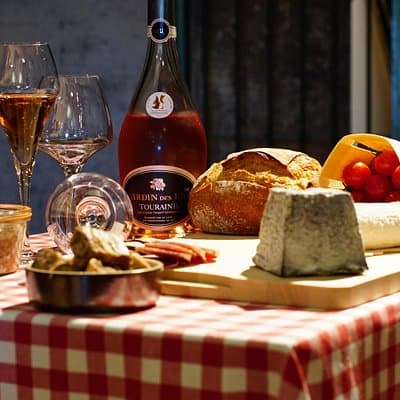
dès 125 €
Voir les disponibilitésVisites et prix de Viator, une société Tripadvisor. Les prix varient selon vos dates. Nous pouvons percevoir une commission si vous réservez, sans frais supplémentaires.
Tours sits at the heart of the 'Garden of France,' and its food scene is a direct reflection of the Loire Valley's incredible bounty. The cuisine is robust yet refined, celebrating local pork, river fish, goat cheese, and garden vegetables. Meals are meant to be enjoyed slowly, often accompanied by the region's superb wines.
Look for the 'Plat du Jour' (daily special) chalkboard outside—it's often the freshest and best-value meal.
Order a 'planche' (shared board) of charcuterie and cheese to sample multiple local specialties with your wine.
At Les Halles, many vendors will let you taste before you buy, especially the cheese and charcuterie merchants.
Book well in advance, especially for dinner. Consider the 'Menu Dégustation' (tasting menu) for the full culinary journey.
Spring is arguably the best time to visit Tours. The city and surrounding châteaux gardens burst into color with blooming flowers, particularly the famous gardens of Villandry. The weather is mild and pleasant, perfect for cycling and walking.
Pros:
Cons:
Summer brings warm, sunny days and a lively festival atmosphere. The city is vibrant, with outdoor cafés and evening light shows at the châteaux. However, it's also the peak tourist season.
Pros:
Cons:
Autumn is a magical season, with the Loire Valley's forests and vineyards turning golden and red. The grape harvest (vendange) takes place, and the weather remains pleasant into October. The summer crowds have dissipated.
Pros:
Cons:
Winter is quiet and chilly, with a festive charm during the Christmas market season. While some château gardens are dormant, the interiors are still stunning, and you'll have them largely to yourself.
Pros:
Cons:
Comparez les prix des trains, bus et vols vers Tours
Entrez votre ville de départ pour voir les prix

35 min by train or car
The most iconic and visited château of the Loire Valley, famously spanning the Cher River. Known as the 'Ladies' Château' for the influential women who shaped its history, it's a masterpiece of Renaissance architecture set amidst beautiful gardens and a forest park.
25 min by car
World-renowned not for its architecture, but for its spectacular, meticulously maintained Renaissance gardens. The château itself is elegant, but the real draw is the stunning geometric patterns of the ornamental gardens, the water garden, and the vast, productive kitchen garden.
25 min by train
A charming royal town dominated by its cliff-top château, which was a favorite residence of French kings. It's also the final resting place of Leonardo da Vinci, who spent his last years here at the invitation of King Francis I.
Tours offers good value compared to Paris or the French Riviera. While not a budget backpacker destination, mid-range travelers can enjoy excellent food, wine, and culture without breaking the bank. Costs are highest in summer and around major holidays.
Budget
€50-80 per person for hostels, market meals, free sights, and walking.
per day
Mid-Range
€100-180 per person for a comfortable hotel/B&B, restaurant meals, château entries, and some taxis/trains.
per day
Luxury
€250+ per person for 4-star hotels, fine dining, private château tours, and wine tasting experiences.
per day
A unique museum dedicated to the French 'Compagnonnage' tradition, a historic guild system for skilled craftsmen and artisans.
It houses an astonishing collection of intricate 'masterpieces' crafted by journeymen in wood, metal, stone, and leather—breathtaking works of art that are rarely seen by tourists.
Beneath the Monoprix supermarket on Rue Nationale lies a vast, atmospheric network of medieval and Renaissance stone cellars.
These historic tufa stone caves now host occasional art exhibitions and events. It's a fascinating, cool escape that reveals the city's subterranean history.
A lesser-known but beautiful 19th-century English-style garden, a short walk from the more famous Jardin Botanique.
It's quieter, with romantic winding paths, a duck pond, exotic trees, and a charming bandstand—perfect for a peaceful stroll away from any crowds.
A small, tranquil island in the Loire River, accessible by footbridge from the Quai d'Orléans, near the Pont de Pierre.
It offers unique, postcard-perfect views back towards the cathedral and old town, and is a favorite local spot for a picnic, jog, or quiet moment by the water.
A striking, large church near the train station, built on the site of a medieval abbey, now deconsecrated.
It houses the eclectic 'Musée des Vins de Touraine' in its ancient cellars and hosts temporary exhibitions and concerts in the nave, blending history, wine, and culture in one unexpected spot.
Tours embodies the gentle, welcoming spirit of the Loire Valley. Life moves at a relaxed pace, centered around good food, good wine, and conversation. The large student population keeps the city feeling young and dynamic, while a deep pride in local history and traditions (like the Compagnonnage) anchors its identity.
A minimum of two full days is recommended: one to explore the historic city center itself, and a second to take a day trip to at least one or two of the major nearby châteaux like Chenonceau or Villandry. With three or four days, you can explore the city more deeply and visit multiple châteaux at a relaxed pace.
Yes, it's one of the best bases. Tours is centrally located in the valley, with excellent road and rail connections to the most famous châteaux (Chenonceau, Amboise, Villandry, Azay-le-Rideau). It also offers a wide range of accommodation, dining, and services that smaller château towns lack.
Not necessarily. Key châteaux like Chenonceau and Amboise are easily reached by train. For others, like Villandry or Azay-le-Rideau, local buses or organized tours from Tours are available. A car offers maximum flexibility for visiting multiple, more remote châteaux in one day, but it's not essential for a first visit.
The fastest and most convenient way is by TGV (high-speed train) from Paris Montparnasse station. The journey takes just over 1 hour. Driving takes about 2.5-3 hours via the A10 motorway. Flights exist but are not practical due to the short train journey time.
In the tourism sector (hotels, major restaurants, châteaux), staff usually speak some English. In smaller local shops and cafés, it's less common. Learning a few basic French phrases is highly appreciated and will greatly enhance your experience.
You absolutely must try 'Rillettes de Tours', a rich, spreadable pâté made from slow-cooked pork. It's typically served on bread or with 'fouées' (small hollow breads). Pair it with a glass of local Vouvray wine for the authentic Touraine experience.
Most major châteaux are open year-round, but with significantly reduced hours from November to March. Their famous gardens are best visited from April to October. Always check the official website for the exact opening times and dates before your visit, especially in the off-season.
Tours is generally a very safe city for tourists. Standard precautions apply: be aware of your belongings in crowded areas like the train station or markets, and be cautious in less-frequented areas late at night. The historic center is well-lit and populated into the evening.
Coûts quotidiens habituels pour un voyageur, d'après les prix moyens dans le pays (France).
| Petit budget | Milieu de gamme | Confort | |
|---|---|---|---|
| Hébergement (par nuit) | 45 € | 105 € | 180 € |
| Repas et boissons (par jour) | 18 € | 38 € | 75 € |
| Visites et activités (par jour) | 8 € | 25 € | 55 € |
| Total par jour | 71 € | 168 € | 310 € |
Les estimations n'incluent pas les vols ni les transports longue distance. Comparer les coûts quotidiens entre villes
Des hôtels proches du centre de Tours, du petit budget au luxe. Les prix sont des tarifs par nuit habituels lors de notre dernière vérification.
 Petit budget
 Petit budget
 Milieu de gamme
 Milieu de gamme
 Haut de gamme
 Haut de gamme
 Luxe
Les prix des hôtels proviennent de Traveloka, vérifiés pour la dernière fois le 4 février 2026, et varient selon vos dates. Nous pouvons percevoir une commission si vous réservez via nos liens, sans frais supplémentaires pour vous.
Liaisons populaires en train, bus et avion, avec temps de trajet et tarifs.
Laissez l'IA créer l'itinéraire parfait pour votre voyage à Tours. Décrivez simplement ce que vous voulez vivre.
Planifier Tours