
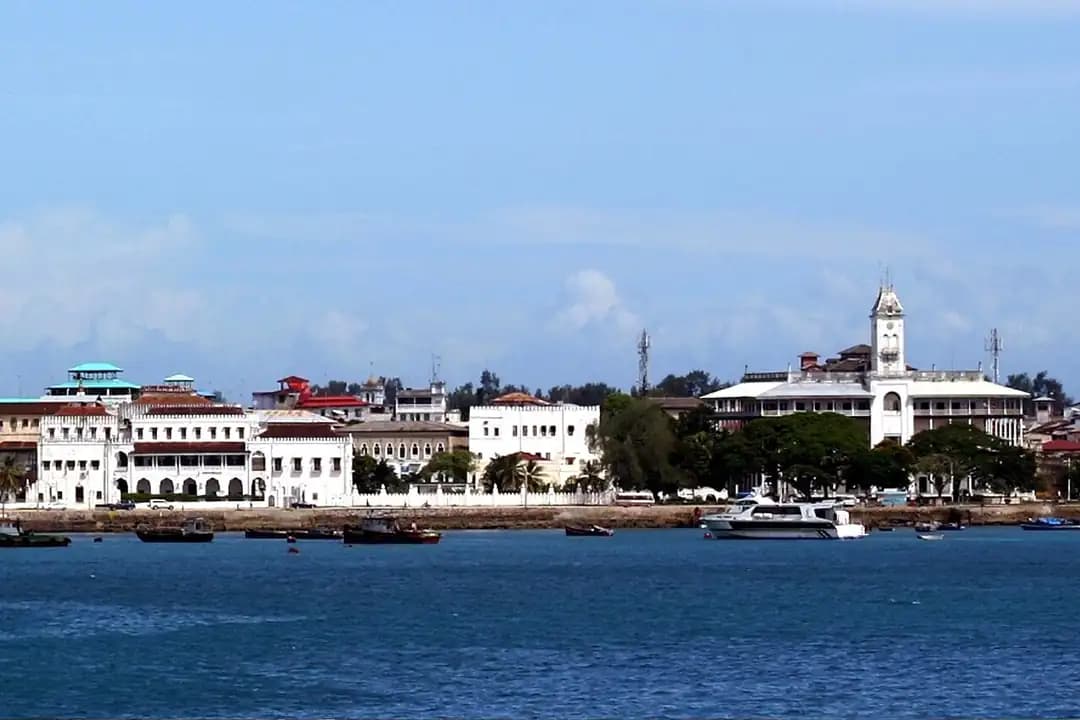
Discover Zanzibar
Zanzibar isn't just an island; it's a living tapestry woven from centuries of trade, culture, and natural splendor. Its soul is Stone Town, a UNESCO World Heritage maze of coral stone buildings, carved wooden doors, and bustling bazaars where the scent of cloves and cardamom hangs in the air. This is where you'll find the Old Fort, the House of Wonders, and Forodhani Gardens, which transforms at dusk into a spectacular open-air seafood market.
Beyond the historic heart, the archipelago unfurls into a paradise of powdery white sand and translucent turquoise sea. The northern beaches of Nungwi and Kendwa are famed for their dramatic tides and vibrant sunset dhow culture, while the east coast, like Paje, offers vast sandbars and world-class kitesurfing. Inland, the Jozani Forest is the last sanctuary of the endemic and comical red colobus monkey, and spice plantations reveal the agricultural roots that gave these islands their famous nickname.
Why Visit Zanzibar?
A Cultural Melting Pot in Stone Town: Wander through a living museum of Swahili, Arab, Persian, Indian, and European influences. Get lost in the labyrinthine alleyways, admire the intricately carved Zanzibari doors, and visit historic sites like the Anglican Cathedral built on a former slave market.
World-Class Beaches & Aquatic Adventures: From the calm, turquoise lagoons of Mnemba Atoll for snorkeling with turtles to the kitesurfing mecca of Paje and the deep-water diving sites off the west coast, Zanzibar's coastline offers pristine conditions for every water sport.
The Spice Island Experience: Engage all your senses on a spice tour in the Kizimbani area. See, smell, and taste vanilla, cinnamon, nutmeg, and cloves growing on the vine, and learn how these commodities shaped global history and local cuisine.
Unique Wildlife Encounters: Visit Jozani Chwaka Bay National Park to see the endangered and photogenic Zanzibar red colobus monkeys. Take a boat to Prison Island (Changuu) to see the Aldabra giant tortoises and snorkel on its surrounding reef.
Authentic Dhow Culture: Experience the Indian Ocean as traders have for millennia. Sail on a traditional wooden dhow for a sunset cruise off Stone Town, or embark on a multi-day sailing safari to remote islands like Pemba or the Mafia Archipelago.
A Fusion Food Paradise: Indulge in the unique Swahili coastal cuisine. Savor Zanzibar pizza from a street cart, feast on fresh seafood grilled with coconut and spices at Forodhani Gardens, and try the iconic octopus curry in a local village.
Zanzibar est Connue Pour
Prêt à explorer Zanzibar?
Zanzibar Neighborhoods
Stone Town
The historic heart and cultural core of Zanzibar, a UNESCO-listed maze of narrow streets, ancient buildings, and bustling markets. The vibe is atmospheric, chaotic, and deeply historic, with a constant hum of activity.
Highlights:
Best for:
Nungwi & Kendwa (North Coast)
Famous for its stunning beaches, dramatic low tides that reveal sandbars, and a lively, resort-focused atmosphere. Nungwi is more developed with bars and restaurants, while Kendwa offers a slightly more relaxed vibe with famous full-moon parties.
Highlights:
Best for:
Paje & Jambiani (East Coast)
The windward side of the island, characterized by long, wide beaches, shallow lagoons protected by offshore reefs, and a bohemian, backpacker-friendly vibe. This is the undisputed kitesurfing and windsurfing capital of Zanzibar.
Highlights:
Best for:
Matemwe & Kiwengwa (North-East Coast)
A stretch of pristine, palm-fringed coastline offering a more tranquil and upscale escape. The beaches are spectacular, the pace is slow, and the focus is on relaxation and high-end hospitality, with stunning views of Mnemba Island.
Highlights:
Best for:
Principales Attractions
Local Tips & Insider Knowledge
- •Dress conservatively in Stone Town and villages. Cover shoulders and knees to respect the predominantly Muslim culture.
- •Carry small bills (TZS 500, 1000, 2000) in Tanzanian Shillings for markets, local taxis (dala-dalas), and small purchases. USD are accepted but often at poor rates for small items.
- •The best snorkeling on Mnemba Atoll is on the south-east side. Go with a reputable operator that provides reef-safe sunscreen.
- •Haggle politely in the markets, but don't be aggressive. Start at about 50% of the asking price and meet in the middle.
- •For the freshest seafood, go to Forodhani Gardens just after sunset when the grills are fired up. Try the Zanzibar mix and sugar cane juice.
- •Avoid walking alone on deserted beaches at night. Always use licensed taxis arranged by your hotel after dark.
- •Visit Stone Town's alleys early in the morning (before 9 AM) to experience them peacefully before the heat and crowds arrive.
- •On the east coast, tides are extreme. Plan water activities around high tide and long beach walks during low tide.
- •Learn a few basic Swahili phrases like 'Asante' (Thank you) and 'Habari za asubuhi' (Good morning). It's greatly appreciated.
- •If taking a spice tour, go with a guide from the Kizimbani area itself. They often provide a more authentic and detailed experience.
Zanzibar Food Scene
Zanzibari cuisine is a fragrant fusion of Swahili, Arab, Indian, and Portuguese flavors, centered on fresh seafood, coconut, rice, and the island's famous spices. Meals are a social event, often shared from a central plate.
Must-Try Dishes
Street Food & Markets
- • Forodhani Gardens Night Market
- • Zanzibar Pizza in Stone Town alleys
- • Urojo from Lukmaan Restaurant
At Forodhani, choose stalls with high turnover and watch your food being cooked. Pay in Tanzanian Shillings for the best price.
Traditional Swahili
- • Emerson Spice Tea House (Stone Town)
- • The Tea House Restaurant
- • Local village tours with lunch
Try a 'Swahili Lunch' platter to sample multiple dishes like biryani, coconut bean soup, and fried fish.
Seafood Specialties
- • The Rock Restaurant (Paje)
- • Alpha Restaurant (Nungwi)
- • Beach grills in Jambiani
The catch of the day is always the best choice. Lobster and calamari are local staples, often grilled with chili and lime.
Fine Dining & Fusion
- • Emerson on Hurumzi Rooftop
- • 6 Degrees South
- • Tembo House Hotel Restaurant
Book rooftop tables in Stone Town for sunset views. Many high-end places blend local ingredients with international techniques.
Populaire Auprès
Best Time to Visit Zanzibar
Spring
March to May is the primary rainy season (Masika), characterized by long, heavy downpours and high humidity. Many businesses in beach areas close.
Pros:
- + Lush, green landscapes
- + Lowest tourist crowds and prices
- + Spice plantations are vibrant
Cons:
- - Frequent and heavy rainfall
- - Some resorts and restaurants closed
- - High humidity, limited sunshine
Summer
June to October is the cool, dry season. This is peak tourist season with sunny days, low humidity, and excellent conditions for beach and water activities.
Pros:
- + Perfect beach weather: sunny & dry
- + Best for diving & snorkeling (clear water)
- + Ideal for cultural tours and spice tours
Cons:
- - Highest prices for flights & accommodation
- - More crowded at popular sites
- - Stronger kaskazi (northeast) winds on east coast
Autumn
November is a short, unpredictable rainy period (Vuli). December sees the return of drier, hotter weather, marking the start of another high season.
Pros:
- + Landscapes are green from Nov rains
- + Good travel deals in early November
- + Festive atmosphere in December
Cons:
- - Short, intense rains in November
- - Hot and humid in December
- - Prices spike for Christmas/New Year
Winter
December to February is hot and humid, with generally good weather. This is another peak season, perfect for beach holidays and celebrating the holidays.
Pros:
- + Warm sea temperatures
- + Great for swimming and sunbathing
- + Lively atmosphere over holidays
Cons:
- - High humidity
- - Peak season crowds and prices
- - Chance of brief tropical showers
Trouvez un transport pas cher vers Zanzibar
Comparez les prix des trains, bus et vols vers Zanzibar
Entrez votre ville de départ pour voir les prix

Réserver des Activités à Zanzibar
Évitez la file avec des visites et attractions pré-réservées
Day Trips from Zanzibar
Prison Island (Changuu Island)
30 min by boat from Stone Town
A historic island with a dark past as a slave quarantine station and prison, now a serene escape known for its colony of giant Aldabra tortoises and excellent snorkeling reefs.
Jozani Chwaka Bay National Park
1 hour by car from Stone Town
Zanzibar's only national park, a sanctuary for the endangered and endemic Zanzibar red colobus monkey, set within a beautiful groundwater forest.
Spice Plantations (Kizimbani Area)
30-45 min by car from Stone Town
The essential 'Spice Tour' to understand Zanzibar's history and economy. Walk through working farms to see, smell, and taste cloves, vanilla, cinnamon, and nutmeg growing.
Zanzibar Budget Guide
Zanzibar can cater to all budgets, but it's generally more expensive than mainland Tanzania. Costs are highest in Stone Town and the north coast resorts, lower on the east coast.
Budget
$30-50 per person for hostels, local food, and public transport.
per day
Mid-Range
$80-150 per person for comfortable guesthouses/boutique hotels, restaurant meals, and private taxis/tours.
per day
Luxury
$250+ per person for luxury resorts, fine dining, private guides, and boat charters.
per day
Money-Saving Tips
- •Book flights and hotels well in advance for peak season (Jun-Oct, Dec-Feb).
- •Eat at local 'mgahawa' (small restaurants) for authentic, cheap meals.
- •Use 'dala-dala' minibuses for the cheapest transport between towns (a few thousand TZS).
- •Bargain for everything except fixed-price shops and restaurant bills.
- •Carry cash (TZS) as many smaller places and markets don't accept cards.
Zanzibar Hidden Gems
Kuza Cave
A stunning freshwater cave and swimming hole near Jambiani, considered sacred by locals.
It offers a magical, cool escape from the heat, with crystal-clear water and a peaceful, spiritual atmosphere far from the crowds.
Mbweni Ruins
The overgrown ruins of a 19th-century Anglican mission and school, located south of Stone Town.
A hauntingly beautiful and photogenic site with giant baobab trees growing through the old walls, offering a quiet glimpse into a lesser-known colonial history.
Mangapwani Slave Chamber
A concealed, underground cell used to hide enslaved people after the official abolition of the slave trade.
A more somber and intimate historical site than Stone Town's slave market, providing a powerful and moving connection to this dark chapter.
Chumbe Island Coral Park
A privately managed marine protected area and eco-lodge on a small island off Stone Town.
An exceptional example of eco-tourism with some of the best-preserved coral reefs in the region for snorkeling, and a chance to see rare coconut crabs.
Kidichi Spice Farms
Lesser-known spice plantations in the Kidichi area, often bypassed by the larger tour groups.
A more personal and in-depth spice tour experience where you can interact directly with farmers and have a traditional lunch in a local home.
Zanzibar Culture & Customs
Zanzibari culture is deeply rooted in Swahili traditions, heavily influenced by Omani Arab rule and Indian trade. Islam is the dominant religion, shaping daily life, dress, and customs. Respect and community (ujamaa) are central values.
Cultural Etiquette
- •Greet people with 'Shikamoo' to an elder (they reply 'Marahaba') as a sign of respect.
- •Use your right hand for eating, greeting, and giving/receiving items. The left hand is considered unclean.
- •Always ask permission before photographing people, especially women and in rural areas.
- •During Ramadan, avoid eating, drinking, or smoking in public during daylight hours out of respect.
- •Dress modestly, especially when visiting Stone Town, villages, and mosques. Cover shoulders and knees.
Useful Phrases
Frequently Asked Questions about Zanzibar
Do I need a visa for Zanzibar?
Yes, you need a Tanzanian visa, which covers both the mainland and Zanzibar. Most nationalities can get a visa on arrival at the airport ($50 USD for US citizens, $100 for others, check current rates) or apply for an e-visa online in advance. Ensure your passport has at least six months' validity.
Is Zanzibar safe for tourists?
Zanzibar is generally very safe for tourists. Petty crime like pickpocketing can occur in crowded Stone Town markets. Use common sense: don't flash valuables, avoid isolated areas at night, and use licensed taxis. Violent crime against tourists is rare.
Can I drink the tap water?
No, do not drink tap water in Zanzibar. Always drink bottled or filtered water. Ensure ice in drinks is made from purified water. Most hotels and restaurants provide safe drinking water. Use bottled water for brushing your teeth as a precaution.
What vaccinations do I need?
A Yellow Fever vaccination certificate is required if you are arriving from a country with risk of Yellow Fever (including many neighboring African countries). Recommended vaccinations include Hepatitis A & B, Typhoid, and routine boosters. Anti-malarial medication is highly advised. Consult a travel clinic 4-6 weeks before your trip.
Is Zanzibar good for families?
Yes, especially in the resort areas of the north and north-east coasts like Nungwi and Matemwe, which have calm lagoons, kid-friendly pools, and organized activities. Choose a family-friendly resort, be cautious of strong sun and currents, and consider private transfers for ease.
What is the local currency and can I use credit cards?
The local currency is the Tanzanian Shilling (TZS). US Dollars are widely accepted for tours, hotels, and larger purchases, but you'll need shillings for markets, local transport, and small eateries. Credit cards are accepted at most hotels, upscale restaurants, and tour operators, but always carry cash.
How do I get between Zanzibar and mainland Tanzania?
The most common way is by short flight (20-30 min) from Dar es Salaam or Arusha to Zanzibar Airport (ZNZ). Alternatively, ferries run from Dar es Salaam to Stone Town (approx. 2 hours on fast ferry, longer on slow). Flights are more reliable; ferries can be rough and schedules change.
What's the deal with the tides on the east coast?
The east coast (Paje, Jambiani) experiences extreme tidal variations. At low tide, the sea can recede up to a kilometer, revealing sandbars and making swimming impossible. Plan water activities like swimming and snorkeling around high tide, and enjoy long beach walks during low tide. Tide tables are posted at most hotels.
Zanzibar Itinéraires
Guides de Voyage



Comparer avec D'autres Villes
Combien coûte un voyage à Zanzibar ?
Coûts quotidiens habituels pour un voyageur, d'après les prix moyens dans le pays (Tanzania).
| Petit budget | Milieu de gamme | Confort | |
|---|---|---|---|
| Hébergement (par nuit) | 30 € | 75 € | 160 € |
| Repas et boissons (par jour) | 12 € | 26 € | 55 € |
| Visites et activités (par jour) | 12 € | 35 € | 85 € |
| Total par jour | 54 € | 136 € | 300 € |
Les estimations n'incluent pas les vols ni les transports longue distance. Comparer les coûts quotidiens entre villes
Où dormir à Zanzibar
Des hôtels proches du centre de Zanzibar, du petit budget au luxe. Les prix sont des tarifs par nuit habituels lors de notre dernière vérification.
 Petit budget
 Petit budget
 Milieu de gamme
 Milieu de gamme
 Haut de gamme
 Haut de gamme
 Luxe
 Luxe
Les prix des hôtels proviennent de Traveloka, vérifiés pour la dernière fois le 4 février 2026, et varient selon vos dates. Nous pouvons percevoir une commission si vous réservez via nos liens, sans frais supplémentaires pour vous.
Planifiez votre aventure à Zanzibar
Laissez l'IA créer l'itinéraire parfait pour votre voyage à Zanzibar. Décrivez simplement ce que vous voulez vivre.
Planifier Zanzibar