
The Bar System
In Italy, you drink coffee at the bar (counter), not seated at a table. Espresso at the bar costs €1-1.50. The same espresso at a table costs €3-5. Locals stand, drink in 2-3 sips, and leave. It's not rude—it's efficient. You're welcome to sit, but you'll pay for the privilege.
Pro Tip: At busy bars, pay first at the cassa (register), then bring your receipt to the barista and order.
The Menu Decoded
Caffè means espresso—a small, strong shot. Caffè americano is espresso with hot water (what Americans call coffee). Caffè macchiato is espresso 'stained' with a drop of milk. Caffè corretto is espresso 'corrected' with grappa or sambuca. Asking for 'espresso' marks you as a tourist—just say 'un caffè.'
The Cappuccino Rule
Cappuccino is a breakfast drink. Italians never order it after 11 AM, especially after a meal. Milk is considered heavy and digestively inappropriate after lunch or dinner. Order it in the afternoon and the barista will serve it—but they'll know you're not from here.
Regional Variations
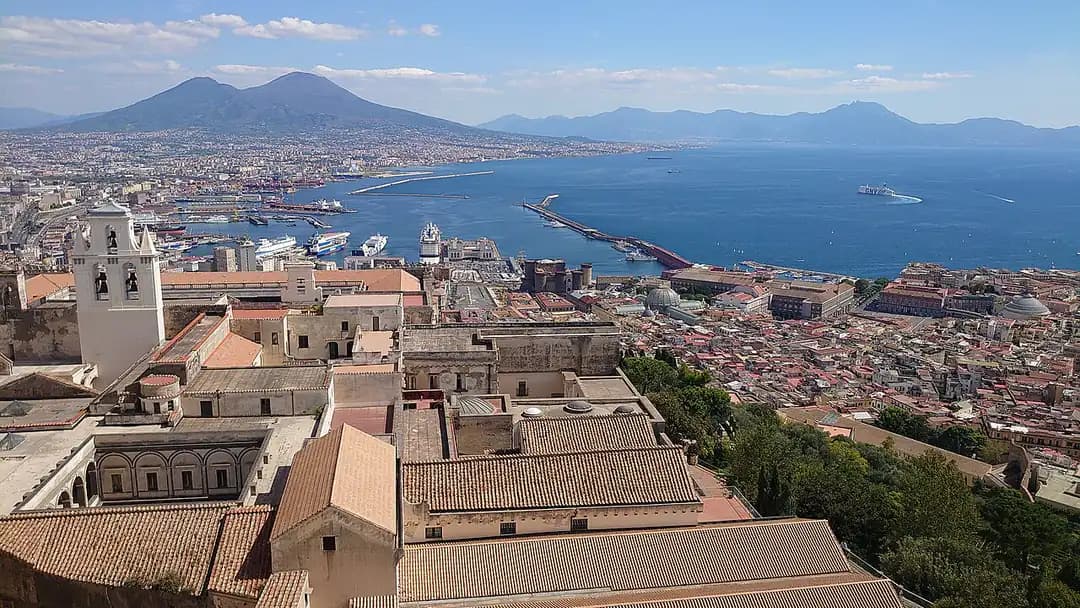
Naples makes the strongest coffee, served in tiny cups. Northern Italy drinks caffè lungo (longer, weaker espresso). In the south, caffè is often pre-sweetened unless you say 'amaro' (bitter). Trieste has unique drinks like capo in b (cappuccino in a glass).
Ordering Phrases
'Un caffè, per favore'—one espresso, please. 'Due caffè'—two espressos. 'Un caffè macchiato caldo/freddo'—espresso with hot/cold milk. 'Un caffè lungo'—a longer, less strong espresso. 'Un caffè ristretto'—a shorter, stronger espresso. 'Senza zucchero'—without sugar.
Why Not Starbucks?
Starbucks arrived in Italy in 2018—Milan first—and remains rare. Italians find the concept puzzling: why pay €5 for a sugary drink you carry around when you can pay €1 for perfect espresso you enjoy immediately? The Italian coffee experience is about ritual and quality, not convenience.