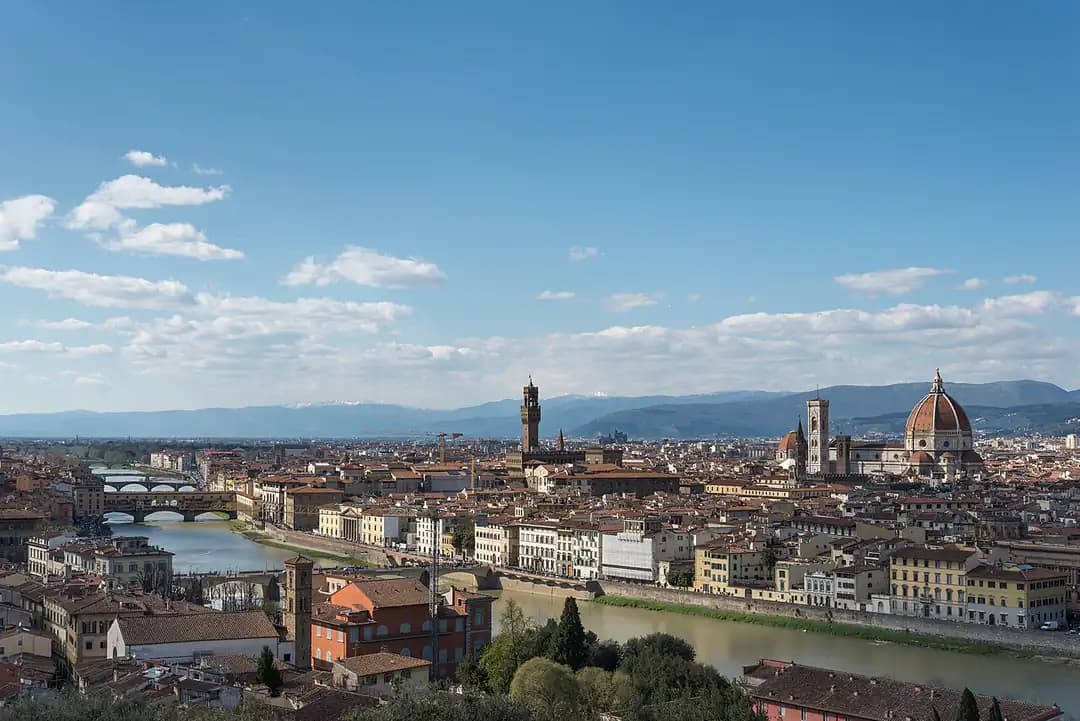

Day 1: Ancient Rome
Start at the Colosseum at opening time (8:30 AM) with pre-booked tickets. The arena tour takes 1-2 hours. Walk through the Roman Forum (included with Colosseum ticket), then up Palatine Hill for city views. Lunch in the nearby Monti neighborhood—avoid tourist traps on Via dei Fori Imperiali. Afternoon: explore Monti's boutiques and cafes. Evening: dinner in Trastevere, Rome's most charming neighborhood.
Pro Tip: Book the "Full Experience" Colosseum ticket for arena floor and underground access. Worth the extra €9.
Day 2: Vatican & Centro Storico
Vatican Museums open at 8 AM—be in line by 7:30 or book the early morning entry. Allow 3-4 hours for the museums and Sistine Chapel. St. Peter's Basilica is free and takes 45-60 minutes. Lunch near Castel Sant'Angelo. Afternoon: walk through Centro Storico—Piazza Navona, Pantheon (free entry), Trevi Fountain. Throw your coin, skip the crowds for photos. Evening: aperitivo and dinner in Campo de' Fiori area.
Pro Tip: The Vatican dress code is enforced: covered shoulders and knees for both men and women. Bring a scarf.
Day 3: Hidden Rome
Morning: climb the Spanish Steps, then stroll through Villa Borghese park. If you booked ahead, visit the Borghese Gallery (2-hour time slots, reservations mandatory). Lunch in Testaccio—Rome's authentic food neighborhood. Afternoon: cross the river to explore Trastevere during the quiet hours. Visit Santa Maria in Trastevere church. Evening: sunset drinks on Gianicolo Hill with panoramic views, then your best Roman dinner.
Where to Stay
Centro Storico puts you within walking distance of everything but can be noisy and touristy. Trastevere offers charm and nightlife. Monti balances location with local atmosphere. Testaccio is authentic but requires more walking/transport. Avoid staying near Termini station unless on a tight budget.
Rome Food Rules
Avoid restaurants with photos on the menu, tourist menus, or staff trying to lure you in. Lunch (pranzo) is typically 12:30-2:30, dinner (cena) 8-10 PM. Standing at a bar costs less than sitting. Carbonara, cacio e pepe, and amatriciana are Roman pastas—order them here, not in Florence. Gelato should be stored in covered metal containers, not piled high in display cases.