Best Time to Visit Tokyo: Complete Seasonal Travel Guide 2025
Wondering when to visit Tokyo? Discover the best seasons for cherry blossoms, autumn leaves, festivals, and more. Plan your perfect Tokyo trip with our expert guide!
Explorinder Team
Author
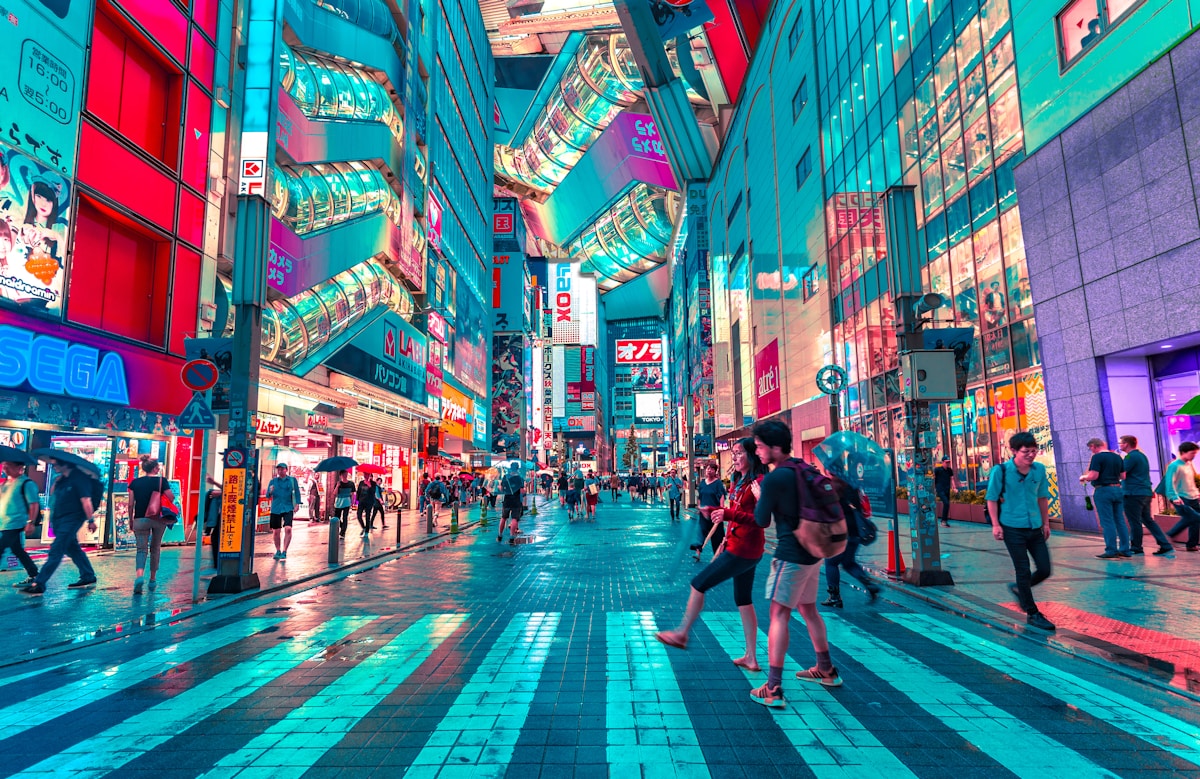
Tokyo, Japan's dazzling capital, offers something extraordinary in every season. From the ethereal beauty of cherry blossoms in spring to the vibrant autumn foliage and magical winter illuminations, timing your visit can transform a great trip into an unforgettable one. But when exactly is the best time to visit Tokyo?
The answer depends on what you want to experience. Whether you're chasing perfect weather, cultural festivals, or simply want to avoid the crowds, this comprehensive guide will help you choose the ideal time for your Tokyo adventure.
Quick Overview: Tokyo Seasons at a Glance
| Season | Months | Temperature | Highlights | Crowds |
|---|---|---|---|---|
| Spring | Mar-May | 10-22°C (50-72°F) | Cherry blossoms, pleasant weather | Very High |
| Summer | Jun-Aug | 23-31°C (73-88°F) | Festivals, fireworks | Moderate-High |
| Autumn | Sep-Nov | 12-23°C (54-73°F) | Fall foliage, comfortable temps | High |
| Winter | Dec-Feb | 2-12°C (36-54°F) | Illuminations, fewer crowds | Low-Moderate |
Spring in Tokyo (March - May): Cherry Blossom Season
Spring is arguably the most magical time to visit Tokyo. The entire city transforms as thousands of cherry trees burst into delicate pink and white blooms, creating one of nature's most spectacular displays.
Cherry Blossom Season (Late March - Early April)
The famous sakura season typically peaks from late March to early April, though exact dates vary yearly depending on weather conditions. During this time, locals and tourists alike participate in hanami (flower viewing), gathering under cherry trees for picnics in parks.
Best Cherry Blossom Spots in Tokyo:
- Ueno Park – Over 1,000 cherry trees and a festive atmosphere
- Shinjuku Gyoen – Spacious gardens with multiple cherry varieties
- Meguro River – Iconic canal lined with blooming trees
- Chidorigafuchi – Romantic boat rides under cherry blossoms
- Yoyogi Park – Popular spot for hanami picnics
Weather and What to Pack
Spring temperatures range from 10-20°C (50-68°F). Pack layers including:
- Light jacket or cardigan
- Comfortable walking shoes
- Umbrella (April can be rainy)
- Sunscreen and sunglasses
Pros and Cons of Spring
Pros:
- Breathtaking cherry blossoms
- Pleasant, mild weather
- Vibrant atmosphere and festivals
- Perfect for outdoor activities
Cons:
- Peak tourist season with large crowds
- Higher accommodation prices
- Popular spots can be very crowded
- Cherry blossom timing is unpredictable
Summer in Tokyo (June - August): Festivals and Fireworks
Summer brings hot, humid weather but also some of Japan's most exciting cultural events. If you can handle the heat, summer offers unique experiences you won't find at other times of year.
The Rainy Season (June - Mid-July)
The tsuyu (rainy season) typically runs from early June to mid-July. While this might sound unappealing, rain showers are often intermittent, and you can still explore the city between downpours. Many attractions are indoors, and you'll benefit from smaller crowds and lower prices.
Summer Festivals and Events
Highlights include:
- Sumida River Fireworks Festival (Late July) – One of Japan's largest firework displays
- Kanda Matsuri – Historic shrine festival with parades
- Obon Festival (Mid-August) – Traditional ancestor-honoring celebrations
- Awa Odori Dance Festival – Lively street dancing in Koenji
Weather and What to Pack
Summer temperatures range from 23-31°C (73-88°F) with high humidity. Pack:
- Lightweight, breathable clothing
- Portable fan or cooling towel
- Umbrella (for sudden rain)
- Sunscreen and hat
- Reusable water bottle
Pros and Cons of Summer
Pros:
- Incredible festivals and fireworks
- Lively atmosphere
- Extended daylight hours
- Beach trips to nearby areas possible
Cons:
- Hot and very humid
- Occasional typhoons
- Can be uncomfortable for outdoor sightseeing
- Rainy season in early summer
Autumn in Tokyo (September - November): Perfect Weather
Autumn is considered by many to be the ideal time to visit Tokyo. The oppressive summer heat gives way to comfortable temperatures, clear skies, and spectacular fall foliage that rivals the cherry blossoms in beauty.
Fall Foliage Season (November - Early December)
Japanese maples, ginkgo trees, and other deciduous species paint the city in stunning shades of red, orange, and gold. The koyo (autumn colors) season typically peaks in mid-November to early December in Tokyo.
Best Spots for Autumn Colors:
- Rikugien Garden – Evening illuminations highlight the foliage
- Koishikawa Korakuen – Historic garden with beautiful maples
- Meiji Jingu Gaien – Famous ginkgo avenue with golden trees
- Shinjuku Gyoen – Diverse tree species for extended color season
- Hamarikyu Gardens – Waterfront setting with city views
Weather and What to Pack
Autumn temperatures range from 12-23°C (54-73°F). Pack:
- Light layers (temperatures vary day to night)
- Comfortable walking shoes
- Light jacket for evenings
- Camera for capturing fall colors
Pros and Cons of Autumn
Pros:
- Comfortable, pleasant weather
- Stunning fall foliage
- Clear skies ideal for photography
- Fewer crowds than spring
Cons:
- Still popular, so book in advance
- Limited daylight hours late in season
- October can have typhoon remnants
Winter in Tokyo (December - February): Illuminations and Fewer Crowds
Winter is Tokyo's least crowded season, offering a different but equally enchanting experience. The city transforms into a wonderland of lights, and you can experience traditional New Year celebrations.
Winter Illuminations (November - February)
Tokyo's winter illuminations are spectacular, with major shopping districts and parks decorated with millions of LED lights.
Best Illumination Spots:
- Marunouchi – Elegant displays near Tokyo Station
- Roppongi Hills – Stunning cityscape with lights
- Caretta Shiodome – Elaborate themed displays
- Tokyo Midtown – Beautiful starlight garden
- Yebisu Garden Place – Classic, romantic atmosphere
New Year Celebrations
Experience Oshogatsu (Japanese New Year) with temple visits, traditional foods, and special events. Popular shrines like Meiji Jingu draw millions of visitors for hatsumode (first shrine visit of the year).
Weather and What to Pack
Winter temperatures range from 2-12°C (36-54°F). Snow is rare but possible. Pack:
- Warm coat
- Layers (indoors are well-heated)
- Scarf and gloves
- Comfortable waterproof shoes
Pros and Cons of Winter
Pros:
- Fewer tourists and shorter lines
- Lower accommodation prices
- Stunning illuminations
- Clear views of Mount Fuji
- Hot springs season
Cons:
- Cold weather (though not extreme)
- Shorter daylight hours
- Some outdoor attractions less appealing
- New Year period is busy with domestic travelers
Month-by-Month Breakdown
January
- Cold but clear weather
- New Year celebrations early in month
- Excellent winter sales
- Hot springs season
February
- Coldest month but still manageable
- Plum blossom season begins
- Valentine's Day specials
- Fewer tourists
March
- Cherry blossoms begin late month
- Temperatures warming up
- Crowds building for sakura
- Book accommodation early
April
- Peak cherry blossom season
- Pleasant spring weather
- Highest crowds of year
- Book 3-6 months in advance
May
- Beautiful late spring weather
- Wisteria and azaleas blooming
- Golden Week holidays (early May) is very busy
- Comfortable temperatures
June
- Rainy season begins
- Hydrangea flowers bloom
- Lower prices and crowds
- Indoor activities recommended
July
- Hot and humid
- Summer festivals begin
- Fireworks displays
- Beach season starts
August
- Hottest month
- Obon holiday (mid-month)
- More festivals and events
- Typhoon season active
September
- Heat begins to subside
- Autumn festivals
- Typhoon season continues
- Transitional period
October
- Perfect mild weather
- Halloween celebrations
- Fall colors beginning
- Great month for sightseeing
November
- Peak fall foliage
- Comfortable temperatures
- Beautiful photography conditions
- Increasingly popular period
December
- Winter illuminations peak
- Holiday atmosphere
- Christmas markets and events
- New Year preparations
Our Recommendation: The Best Time to Visit Tokyo
For most travelers, we recommend:
First-time visitors: Late March to early April (cherry blossoms) or November (autumn colors) for iconic Japanese experiences, though expect crowds.
Budget travelers: January-February or June for lower prices and fewer tourists.
Weather seekers: October-November for consistently pleasant, comfortable weather.
Festival lovers: July-August for summer festivals and fireworks.
Photography enthusiasts: Late November for fall colors or late March for cherry blossoms.
Plan Your Perfect Tokyo Trip with Explorinder
No matter when you decide to visit, Tokyo promises an extraordinary adventure. Ready to start planning? Use Explorinder to create a personalized itinerary that matches your travel dates, interests, and style. Our AI-powered trip planner helps you discover the best attractions, restaurants, and hidden gems for your specific travel window.
Start planning your Tokyo trip today and let Explorinder handle the details so you can focus on making memories in one of the world's most exciting cities!