Four-Day Private Luxury Golden Triangle Tour to Agra and Jaipur From New Delhi
4.9859 értékelés96h
75 464 Ft-tól
Elérhetőség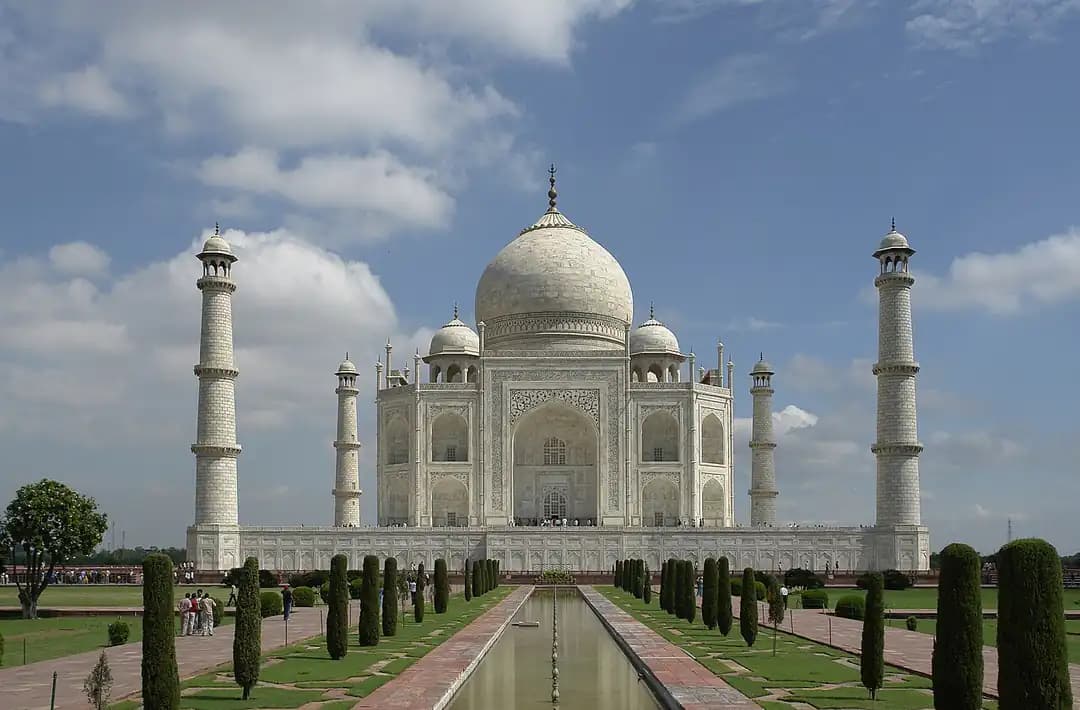
India
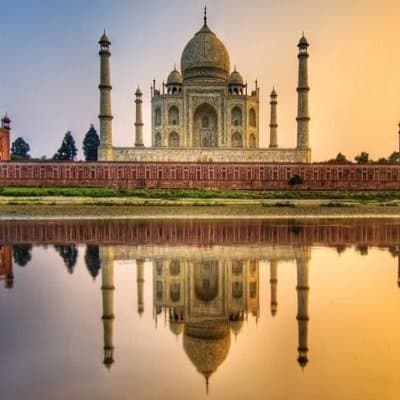
Agra is not just a city; it's a living museum of the Mughal Empire, where history is etched into every red sandstone wall and marble inlay. While the Taj Mahal's ethereal beauty is the undisputed star, the city's soul lies in its labyrinthine bazaars, the formidable Agra Fort, and the ghostly grandeur of Fatehpur Sikri. A visit here is a journey through time, from the bustling spice markets of Kinari Bazaar to the serene gardens of Mehtab Bagh, where you can watch the sun set behind the Taj's silhouette.
Beyond the monuments, Agra pulses with a vibrant craft tradition. The clinking of chisels in workshops near the Taj Ganj area reveals artisans practicing the centuries-old art of marble pietra dura inlay, the same craft that adorns the Taj Mahal. The air is thick with the scent of sizzling kebabs and the sugary sweetness of petha, making a trip here a feast for all senses. This is a city where the past is not just remembered; it's lived, breathed, and crafted every single day.
Witness Architectural Perfection: Stand before the sublime Taj Mahal at sunrise, explore the colossal Agra Fort's palaces and halls, and wander the perfectly preserved Mughal city of Fatehpur Sikri.
Immerse in Living Craft Traditions: Watch master artisans create intricate marble inlay work (pietra dura) in local workshops, and explore markets filled with hand-knotted carpets, leather goods, and exquisite stone carvings.
Savor Authentic Mughlai Cuisine: Feast on rich, aromatic dishes born in royal kitchens, from buttery chicken tikka masala and melt-in-the-mouth galouti kebabs to the city's famous sweet, petha.
Experience Monumental Sunsets: Capture the Taj Mahal turning pink and gold from the peaceful Mehtab Bagh gardens across the Yamuna River, a view cherished by photographers.
Discover Underrated Gems: Seek out the exquisite 'Baby Taj' (Itimad-ud-Daulah), the serene Jama Masjid, and the mysterious Chini-ka-Rauza, a tomb adorned with Persian-style tile work.
Step into Vibrant Bazaars: Get lost in the chaotic charm of Sadar Bazaar and Kinari Bazaar, where you can bargain for souvenirs, spices, and leather goods amidst the lively local atmosphere.
Készen állsz felfedezni Agra-t?
The bustling area right outside the Taj Mahal's gates, packed with budget hotels, rooftop restaurants, and shops. It's the epicenter for tourists, offering constant energy and immediate access to the main attraction.
Highlights:
Best for:
Agar's main commercial and shopping hub, more modern and organized than the old city. Lined with branded stores, restaurants, banks, and hotels, it offers a more relaxed urban experience.
Highlights:
Best for:
The historic heart of Agra, a maze of narrow lanes around the majestic Agra Fort. This area is raw, authentic, and teeming with local life, street food stalls, and wholesale markets.
Highlights:
Best for:
A long, wide thoroughfare connecting the city to the Taj, lined with luxury and business hotels, upscale restaurants, and malls. It's a convenient, if less characterful, base for travelers.
Highlights:
Best for:
A legtöbbet foglalt túrák és jegyek, a Viator értékeléseivel.
75 464 Ft-tól
Elérhetőség
9064 Ft-tól
Elérhetőség
5892 Ft-tól
Elérhetőség
Túrák és árak a Viatortól (a Tripadvisor cége). Az árak dátumtól függően változnak. Foglalás esetén jutalékot kaphatunk, önnek ez nem kerül többe.
Agra's food is a royal legacy of the Mughals, characterized by rich, slow-cooked gravies, tender kebabs, and aromatic biryanis. The city is also famous for its unique sweet, petha, a translucent candy made from ash gourd.
Many high-end hotel restaurants require advance reservations, especially for dinner.
Look for stalls with a high turnover of locals to ensure freshness.
Petha has a long shelf life, making it a perfect edible souvenir.
Many pure-veg restaurants in Agra do not serve alcohol or even onions/garlic.
Late February to March marks the end of the cool season. Days become warm and sunny, with flowers in bloom at the gardens.
Pros:
Cons:
April to June is intensely hot and dry, with temperatures often exceeding 40°C (104°F). Sightseeing is best confined to early mornings and late afternoons.
Pros:
Cons:
October to November is the start of the tourist season. The monsoon humidity has passed, leaving clear skies and comfortable, warm days.
Pros:
Cons:
December to February is the peak season, with cool, crisp days and often foggy mornings. Nights can be chilly.
Pros:
Cons:
Hasonlítsd össze a vonatok, buszok és repülők árait Agra városába
Add meg az indulási várost az árak megtekintéséhez

37 km, about 1 hour by car or taxi
A magnificent, deserted Mughal capital built by Emperor Akbar. This red sandstone city, a UNESCO site, was abandoned due to water scarcity and remains a perfectly preserved ghost town.
58 km, about 1.5 hours by car or train
The sacred birthplace and childhood playground of Lord Krishna. These twin towns offer a deep dive into Hindu spirituality, with hundreds of temples and a profoundly devotional atmosphere.
55 km, about 1.5 hours by car
A UNESCO World Heritage Site and one of the world's best bird sanctuaries. A paradise for birdwatchers, especially in winter when migratory birds from Siberia and Central Asia arrive.
Agra is generally affordable for travelers, with costs heavily dependent on accommodation choice and dining preferences. Monument entry fees for foreign tourists are a significant part of the budget.
Budget
€25-40 ($27-44) for hostels, street food, auto-rickshaws, and monument tickets.
per day
Mid-Range
€70-120 ($77-132) for 3-4 star hotels, restaurant meals, private car hire for a day, and tickets.
per day
Luxury
€200+ ($220+) for 5-star heritage hotels, fine dining, private guided tours, and chauffeur-driven cars.
per day
The tomb of Allama Afzal Khan Mullah, a Persian poet and scholar in Emperor Shah Jahan's court.
It's a unique example of Persian-style architecture in Agra, adorned with colorful glazed tile work (chini), and is rarely visited, offering a peaceful escape.
An ancient Hindu temple dedicated to Lord Shiva, located on the banks of the Yamuna River near Agra Fort.
One of Agra's oldest temples, it provides a stark cultural contrast to the Mughal monuments and offers a glimpse into local religious life.
A large, 17th-century mosque built by Shah Jahan's daughter, Jahanara Begum, near Agra Fort.
Often overshadowed by the Taj, it's an architectural marvel in its own right with a massive courtyard and is much less crowded.
A stunning, white marble mausoleum for the founder of the Radhasoami faith, under construction for over a century.
An active site of exquisite marble craftsmanship that rivals the Taj in detail, yet sees very few foreign tourists.
A venue that hosts the 'Mohabbat the Taj' stage show, a theatrical depiction of the Taj Mahal's love story.
For a deep dive into the legend behind the monument, this show offers an engaging, air-conditioned alternative to guidebooks.
Agra's culture is a blend of its Mughal royal heritage and devout Hindu traditions. Respect for history, religion, and craftsmanship defines daily life. The city is conservative, so modest dress is appreciated, especially at religious sites.
Two full days is ideal. Dedicate one day to the Taj Mahal (at sunrise) and Agra Fort. Use the second day for Fatehpur Sikri and other sites like Itimad-ud-Daulah or Mehtab Bagh.
Yes, but standard precautions apply. Dress conservatively, avoid isolated areas after dark, use registered taxis or ride-hailing apps, and prefer well-lit, populated accommodations. Ignore persistent touts.
Yes. Your ticket grants access to the main mausoleum building. You will need to either remove your shoes or wear provided shoe covers before entering the central chamber housing the cenotaphs.
Wear comfortable, modest clothing suitable for walking. There are no strict dress codes, but covering shoulders and knees is a sign of respect. Comfortable shoes are essential as you'll be walking barefoot on marble.
For tourists, the most convenient ways are auto-rickshaws for short trips and hiring a car with a driver for a full day to cover multiple sites, especially for Fatehpur Sikri. Always agree on fares upfront for rickshaws.
Yes, for night viewing on the days of the full moon and two days before and after (five days a month). Tickets (₹750) must be booked 24 hours in advance at the Archaeological Survey of India office on Mall Road. It is closed on Fridays and during the month of Ramadan.
Agra is famous for Agra Fort, Fatehpur Sikri, exquisite marble inlay craftsmanship (pietra dura), high-quality leather goods, and its unique sweet called petha. It's a key part of India's cultural and historical 'Golden Triangle'.
It's highly recommended to enhance your experience. Official guides available at the gates provide historical context and point out architectural details you might otherwise miss. Ensure they have a government-issued photo ID card.
Jellemző napi költségek egy főre, a takarékostól a kényelmes utazásig.
| Takarékos | Közepes | Kényelmes | |
|---|---|---|---|
| Szállás (éjszakánként) | 6000 Ft | 15 200 Ft | 38 000 Ft |
| Étel és ital (naponta) | 2000 Ft | 4800 Ft | 11 200 Ft |
| Látnivalók és programok (naponta) | 2000 Ft | 5600 Ft | 12 800 Ft |
| Összesen naponta | 10 000 Ft | 25 600 Ft | 62 000 Ft |
A becslések nem tartalmazzák a repülőjegyet és a távolsági közlekedést. Napi költségek összehasonlítása városonként
Szállodák a központ közelében (Agra), a pénztárcabaráttól a luxusig. Az árak az utolsó ellenőrzéskor jellemző éjszakai árak.
 Olcsó
 Olcsó
 Középkategória
 Középkategória
 Felső kategória
 Felső kategória
 Luxus
 Luxus
A szállodaárak a Travelokától származnak (utolsó ellenőrzés: 2026. február 4.), és az időponttól függően változnak. Ha a linkjeinken keresztül foglalsz, jutalékot kaphatunk, neked ez nem jelent többletköltséget.
Hagyd, hogy az AI megtervezze a tökéletes útvonalat Agra utazásodhoz. Csak írd le, mit szeretnél átélni.
Agra utazás tervezése