Local Foodie Adventure in Buenos Aires with Sherpa Food Tours
5.08290 értékelés3h 30m
32 264 Ft-tól
Elérhetőség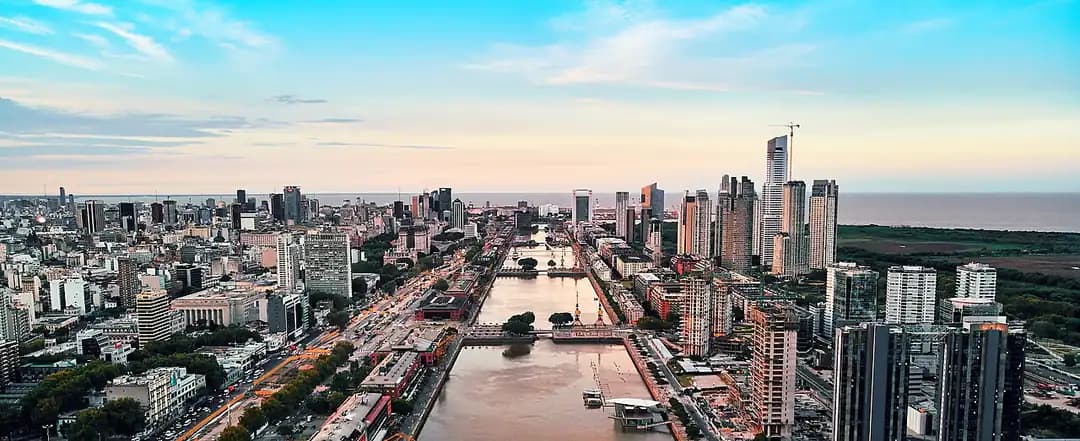
Argentina
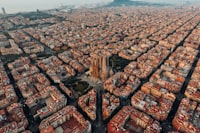
Buenos Aires seduces with a rhythm all its own. It's in the mournful cry of a bandoneón during a spontaneous tango performance in San Telmo's cobblestone streets, and in the sizzle of a perfect bife de chorizo on a parrilla in Palermo. This is a city of grand, Belle Époque avenues like Avenida de Mayo, where you can trace history from the iconic Casa Rosada to the magnificent Teatro Colón opera house, and of intimate, tree-lined plazas where locals share mate at any hour.
Beyond the European-inspired architecture lies a uniquely Argentine soul. The city's energy is palpable in the vibrant, corrugated-metal houses of La Boca's Caminito, the silent grandeur of Recoleta Cemetery where Eva Perón rests, and the late-night buzz of a milonga where the dance floor thrums until dawn. Buenos Aires doesn't just welcome you; it pulls you into its passionate embrace, offering a world-class cultural feast fueled by Malbec and conversation that stretches into the early morning.
For the Unparalleled Cultural Tapestry: Witness world-class opera at the acoustically perfect Teatro Colón, explore the thought-provoking modern art at MALBA, and get lost in the Sunday antiques frenzy of San Telmo Market.
To Live and Breathe Tango: Experience the raw passion of the dance not just in staged shows, but in authentic milongas like Salon Canning or La Viruta, where locals of all ages dance the night away.
For a Carnivore's Paradise: Indulge in Argentina's legendary beef, from juicy asado cuts at a traditional parrilla like Don Julio to the iconic choripán street sandwich at the Costanera food trucks.
To Wander Distinctive, Village-Like Neighborhoods: Contrast the colorful, touristy bustle of La Boca with the chic designer boutiques and hip bars of Palermo Soho, or the aristocratic calm of Recoleta with the gritty, artistic vibe of Colegiales.
For the Late-Night, Social Lifestyle: Embrace the local timetable with dinner after 9 PM, followed by bar-hopping in Palermo Hollywood and dancing until sunrise, just like the Porteños do.
To Discover Architectural Grandeur: Stroll past French-style palaces on Alvear Avenue, marvel at the ornate Spanish Baroque facade of the Metropolitan Cathedral, and admire the unique, curved lines of El Ateneo Grand Splendid, a majestic bookstore in a former theater.
Készen állsz felfedezni Buenos Aires-t?
Buenos Aires's largest and trendiest barrio, split into sub-districts like Soho and Hollywood. It's a leafy area brimming with independent designer shops, innovative restaurants, craft cocktail bars, and some of the city's best street art.
Highlights:
Best for:
The city's oldest neighborhood, with colonial charm oozing from its cobblestone streets and antique shops. It feels like a living museum, especially on Sundays when the famous Feria de San Telmo market takes over Plaza Dorrego.
Highlights:
Best for:
An elegant, upscale district known for its Parisian-style architecture, high-end boutiques, and refined cultural institutions. It's more formal and polished than other neighborhoods, offering a glimpse into the city's aristocratic past.
Highlights:
Best for:
A vibrant, working-class neighborhood and the birthplace of tango, famous for the colorful, corrugated-metal houses of the Caminito street museum. It's intensely touristy in its core but pulses with raw, artistic energy.
Highlights:
Best for:
A legtöbbet foglalt túrák és jegyek, a Viator értékeléseivel.
32 264 Ft-tól
Elérhetőség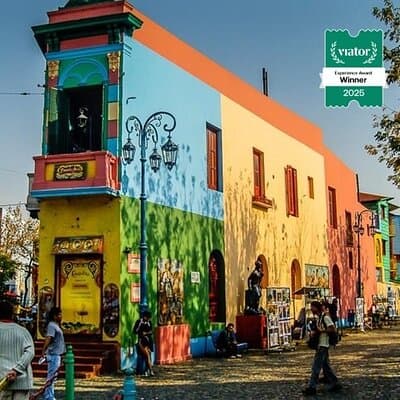
14 140 Ft-tól
Elérhetőség
Túrák és árak a Viatortól (a Tripadvisor cége). Az árak dátumtól függően változnak. Foglalás esetén jutalékot kaphatunk, önnek ez nem kerül többe.
Porteño cuisine is a hearty, meat-centric celebration of Argentina's agricultural bounty, deeply rooted in Italian and Spanish immigrant traditions. Dining is a social, leisurely affair, centered around the asado (barbecue) and accompanied by the nation's excellent Malbec wine.
Order a provoleta (grilled provolone cheese) as a starter and share several cuts of meat to sample the parrilla's range.
Order a 'cortado' (espresso with a dash of milk) and medialunas (croissants) for a classic mid-afternoon merienda.
Try a slice of 'fugazzeta' - a thick pizza loaded with cheese and onions, a Buenos Aires staple.
Reservations are essential for top restaurants, often weeks in advance for places like Tegui.
September to November brings mild, pleasant weather with blooming jacaranda trees painting the city in purple. It's ideal for outdoor exploration.
Pros:
Cons:
December to February is hot and humid, with temperatures often in the high 20s and 30s°C. The city slows down as many Porteños head to the coast.
Pros:
Cons:
March to May is arguably the best time to visit. The air is crisp and cool, the leaves change color, and the cultural calendar is in full swing.
Pros:
Cons:
June to August is cool and dry, with occasional chilly spells. While not freezing, it requires a jacket. The cultural scene moves indoors.
Pros:
Cons:
Hasonlítsd össze a vonatok, buszok és repülők árait Buenos Aires városába
Add meg az indulási várost az árak megtekintéséhez

1 hour by train from Retiro station
Escape the urban grid for a maze of tranquil rivers and islands. Tigre is the gateway to the vast Paraná Delta, where life revolves around the waterways.
1 hour by high-speed ferry from Puerto Madero
Step back in time in this charming UNESCO World Heritage town across the Río de la Plata. Its cobblestone streets and colonial Portuguese and Spanish architecture offer a completely different vibe.
1.5 - 2 hours by bus or car
Immerse yourself in the authentic gaucho (cowboy) culture of the Pampas. This traditional town and surrounding ranches offer a glimpse into Argentina's rural soul.
Buenos Aires offers excellent value, especially considering the blue dollar exchange rate. Costs are moderate, with food and drink being particularly affordable compared to other major world cities.
Budget
€35-55 / $40-60 for budget travelers (hostels, street food, public transport)
per day
Mid-Range
€80-150 / $90-165 for mid-range (boutique hotels, restaurant meals, some taxis, attractions)
per day
Luxury
€250+ / $275+ for luxury (5-star hotels, fine dining, private guides, premium experiences)
per day
An extraordinary archaeological site in San Telmo, consisting of restored 19th-century mansions built over original river tunnels and foundations from the 1730s.
It's a fascinating, subterranean journey through the city's layered history, far from the crowded streets above.
A compact but vibrant Chinatown located in the Belgrano neighborhood, centered on Arribeños Street.
It offers fantastic Asian supermarkets, authentic dumpling houses, and a colorful annual New Year celebration, providing a unique cultural contrast.
A historic 'bar notable' on Avenida Rivadavia, beautifully preserved with stained glass and wood paneling, famous as a former tango lyricists' haunt.
It's less touristy than Café Tortoni but equally atmospheric, with excellent coffee and live tango music in the evenings.
A modern, interactive museum dedicated to the Boca Juniors soccer club, located underneath the stands of La Bombonera stadium.
Even non-soccer fans will be impressed by the immersive exhibits and the chance to walk through the players' tunnel onto the iconic pitch.
A massive, authentic Sunday fair in the outer Mataderos neighborhood, celebrating gaucho and folkloric traditions.
It's the real deal—with folk dancing, horse shows, traditional food stalls, and artisan crafts, attracting far more locals than tourists.
Porteño (Buenos Aires resident) culture is a blend of Latin passion and European sophistication. It's intensely social, debate-loving, and proud, with a deep connection to fútbol, tango, and the ritual of sharing mate. Life moves at a late rhythm, valuing friendship and good conversation over strict punctuality.
Yes, the main tourist areas are generally safe during the day and evening if you stay alert. Use common sense: don't flash expensive jewelry, be discreet with phones, avoid deserted streets at night, and be extra cautious in La Boca (stick to Caminito) and on crowded public transport. Petty theft is the primary concern.
The 'blue dollar' is the unofficial, parallel market exchange rate for US dollars, which offers nearly double the official bank rate. You get it by bringing physical US dollar bills (in good condition, $100 bills get the best rate) and exchanging them at licensed cuevas (exchange houses) or through reputable money transfer services. Never exchange on the street.
It's very helpful but not strictly necessary in tourist zones, where English is commonly spoken in hotels and major restaurants. Learning basic phrases (hola, gracias, por favor, la cuenta) is appreciated. In local neighborhoods and with taxi drivers, Spanish is essential. A translation app is highly recommended.
Yes, the tap water in Buenos Aires is generally safe to drink and of good quality. Porteños drink it regularly. If you have a sensitive stomach, you may prefer bottled water, but it's not a necessity for health reasons.
It's highly recommended to book through an official tour agency. Tickets are very difficult for tourists to buy independently due to membership requirements and safety protocols. Agencies provide tickets, transport, and a guide for a safe and enjoyable experience at La Bombonera.
Attend a milonga (a social tango dance hall) like La Viruta or Salon Canning. You can go just to watch. For a lesson, many milongas offer a short class before the social dancing begins. This is far more authentic than the expensive, theatrical dinner shows aimed at tourists.
Argentina uses 220V voltage and Type I plugs (with two slanted pins and sometimes a third grounding pin). Some older buildings may still have Type C plugs. Travelers from North America and Europe will need a plug adapter, and those from 110V countries may need a voltage converter for certain devices.
In restaurants, a 10% tip (propina) is customary for good service and is often not included in the bill. You can leave cash on the table or add it when paying by card. For taxi drivers, round up the fare. For hotel porters and tour guides, a small tip is appreciated but not mandatory.
Jellemző napi költségek egy főre, a takarékostól a kényelmes utazásig.
| Takarékos | Közepes | Kényelmes | |
|---|---|---|---|
| Szállás (éjszakánként) | 10 000 Ft | 24 000 Ft | 50 000 Ft |
| Étel és ital (naponta) | 5200 Ft | 11 200 Ft | 22 000 Ft |
| Látnivalók és programok (naponta) | 2400 Ft | 6400 Ft | 15 200 Ft |
| Összesen naponta | 17 600 Ft | 41 600 Ft | 87 200 Ft |
A becslések nem tartalmazzák a repülőjegyet és a távolsági közlekedést. Napi költségek összehasonlítása városonként
Szállodák a központ közelében (Buenos Aires), a pénztárcabaráttól a luxusig. Az árak az utolsó ellenőrzéskor jellemző éjszakai árak.
 Olcsó
 Olcsó
 Középkategória
 Középkategória
 Felső kategória
 Felső kategória
 Luxus
 Luxus
A szállodaárak a Travelokától származnak (utolsó ellenőrzés: 2026. február 4.), és az időponttól függően változnak. Ha a linkjeinken keresztül foglalsz, jutalékot kaphatunk, neked ez nem jelent többletköltséget.
Népszerű vonat-, busz- és repülőjáratok menetidőkkel és árakkal.
Hagyd, hogy az AI megtervezze a tökéletes útvonalat Buenos Aires utazásodhoz. Csak írd le, mit szeretnél átélni.
Buenos Aires utazás tervezése