World Heritage Shirakawa-go and Experience Tours from Kanazawa
5.05503 értékelés9h 30m
42 512 Ft-tól
Elérhetőség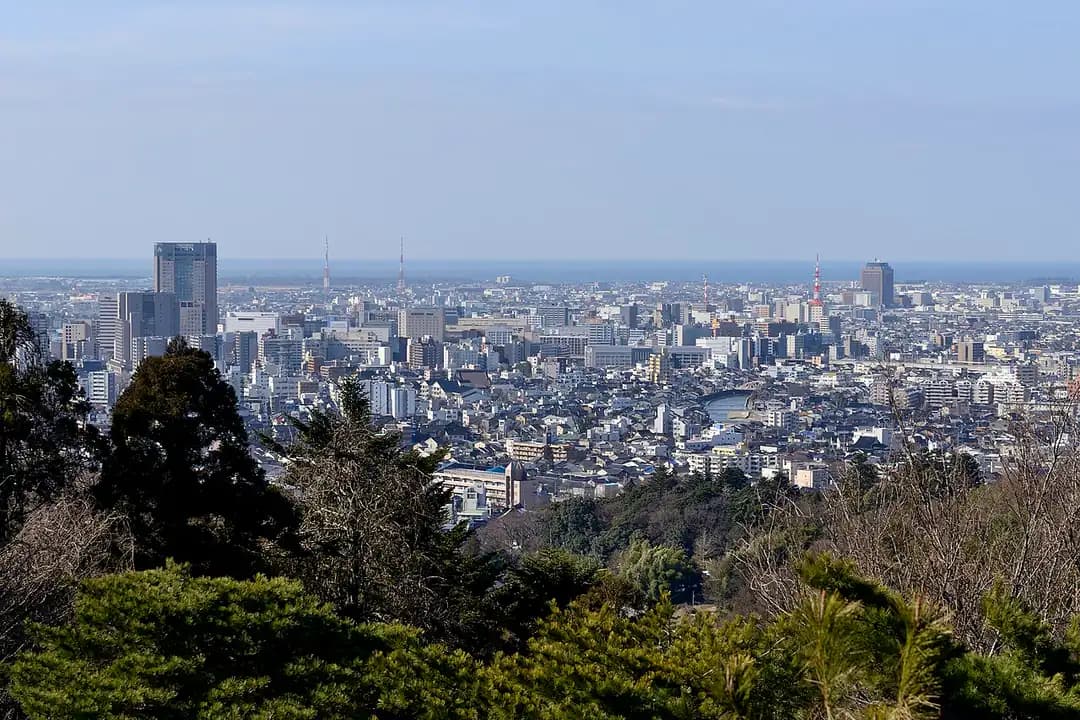
Japan
Kanazawa is a living museum of Japan's Edo period, miraculously spared from wartime destruction. Unlike Kyoto's crowds, here you can wander through three perfectly preserved geisha districts where wooden-latticed teahouses still host private performances, explore the Nagamachi samurai quarter's earthen-walled alleys, and witness artisans hammering gold leaf so thin it floats on water. The city's cultural wealth is matched by its natural beauty, centered around Kenroku-en—one of Japan's three great gardens, designed to reveal six sublime attributes in every season.
Beyond its historical treasures, Kanazawa thrives as a contemporary arts hub, home to the revolutionary 21st Century Museum of Contemporary Art with its iconic Leandro Erlich swimming pool installation. The city's culinary scene is legendary, fueled by the morning's catch from the Sea of Japan at Omicho Market, where you can savor snow crab, amberjack, and sweet shrimp. This unique fusion of preserved tradition, modern creativity, and exceptional seafood makes Kanazawa Japan's most complete cultural destination.
Experience Japan's best-preserved Edo-era architecture without the crowds—stroll through Higashi Chaya District's latticed teahouses, enter authentic samurai residences in Nagamachi, and see craftsmen creating 99.99% pure gold leaf in workshops.
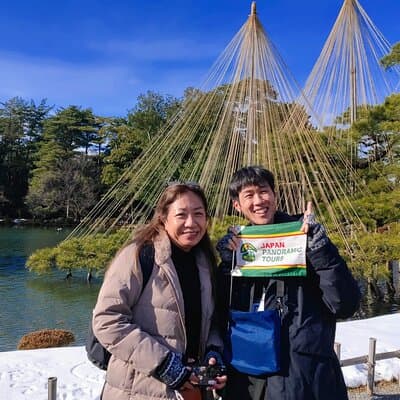
Wander through Kenroku-en Garden, a masterpiece that embodies the six essential attributes of a perfect landscape garden, featuring the iconic Kotojitoro lantern, Japan's oldest fountain, and yukitsuri rope protections for pine trees in winter.
Indulge in some of Japan's freshest seafood at Omicho Market, a 300-year-old institution where you can eat kaisendon (seafood bowls) with crab, uni, and salmon roe, or try grilled nodoguro (blackthroat seaperch) from nearby waters.
Discover world-class contemporary art at the 21st Century Museum, famous for its circular design, Leandro Erlich's 'Swimming Pool' installation, and interactive exhibits that blend seamlessly with the city's traditional aesthetic.
Participate in hands-on cultural workshops—create your own gold leaf souvenir, dye silk with Kaga yuzen techniques, or learn the intricate art of Japanese sweet-making at a traditional wagashi shop.
Explore Kanazawa Castle Park's impressive reconstructed gates and turrets using traditional woodworking methods, and walk across the iconic Ishikawa-mon Gate into Kenroku-en for a perfect historical pairing.
Készen állsz felfedezni Kanazava-t?
Kanazawa's largest and most atmospheric geisha district, with two-story wooden teahouses featuring distinctive lattice windows. The area retains its Edo-period charm while housing charming cafes, gold leaf shops, and museums.
Highlights:
Best for:
A quiet neighborhood of narrow lanes, earthen walls, and water canals that once housed middle-ranking samurai. The area feels frozen in time, with several restored residences open to the public.
Highlights:
Best for:
Kanazawa's modern downtown center with department stores, boutique shops, and vibrant nightlife. This area contrasts sharply with the historical districts, offering contemporary dining and shopping experiences.
Highlights:
Best for:
A serene temple town area with over 70 temples along a single street, each with distinctive gates and gardens. The atmosphere is peaceful and spiritual, offering a different side of Kanazawa's heritage.
Highlights:
Best for:
A legtöbbet foglalt túrák és jegyek, a Viator értékeléseivel.
42 512 Ft-tól
Elérhetőség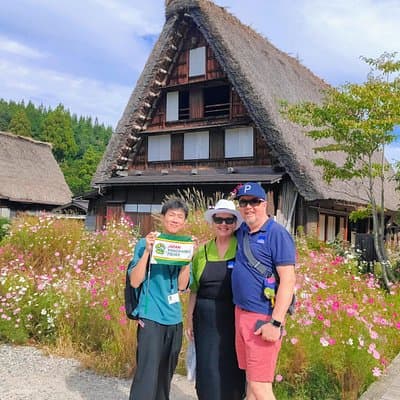
28 340 Ft-tól
Elérhetőség
20 076 Ft-tól
ElérhetőségTúrák és árak a Viatortól (a Tripadvisor cége). Az árak dátumtól függően változnak. Foglalás esetén jutalékot kaphatunk, önnek ez nem kerül többe.
Kanazawa's cuisine is defined by its proximity to the Sea of Japan, yielding exceptional seafood, and its historical status as a wealthy castle town that developed refined kaiseki traditions. The city produces 99% of Japan's gold leaf, which finds its way into everything from sushi to ice cream.
Most market restaurants close by 5pm, so visit for lunch to get the best selection.
Many traditional restaurants require reservations, especially for kaiseki meals.
The gold leaf is edible but tasteless—it's all about the luxurious visual experience.
Many izakayas in Katamachi have English menus—look for the plastic food displays outside.
Spring brings cherry blossoms to Kenroku-en and Kanazawa Castle Park, with comfortable temperatures perfect for walking. The garden's famous azaleas bloom in late April through May.
Pros:
Cons:
Warm and humid with occasional rain, summer features vibrant greenery and festivals. Evenings are pleasant for strolls through illuminated gardens.
Pros:
Cons:
Considered the best season with crisp air and spectacular fall foliage. Kenroku-en's maples turn brilliant red from mid-November through early December.
Pros:
Cons:
Cold with occasional snow, winter transforms Kenroku-en with yukitsuri—rope cones protecting pine trees from snow. The city feels peaceful and atmospheric.
Pros:
Cons:
Hasonlítsd össze a vonatok, buszok és repülők árait Kanazawa városába
Add meg az indulási várost az árak megtekintéséhez

75 min by direct bus
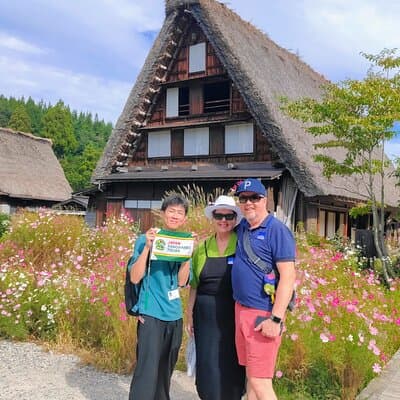
A UNESCO World Heritage site famous for its traditional gassho-zukuri farmhouses with steep thatched roofs designed to withstand heavy snow. The village offers a glimpse into traditional Japanese mountain life.
2 hours by car or bus
A scenic coastal region with dramatic sea cliffs, traditional fishing villages, and salt farms. The peninsula offers a slower pace and stunning natural landscapes.
60 min by limited express train
Home to one of Japan's most important dinosaur museums and the spectacular Eihei-ji Zen temple, one of Soto Zen Buddhism's two head temples.
Kanazawa is moderately priced for Japan—more affordable than Tokyo or Kyoto but with luxury options available. Food and public transportation offer good value.
Budget
¥7,000-10,000 ($45-65) for hostels, market meals, and bus passes
per day
Mid-Range
¥15,000-25,000 ($100-165) for business hotels, restaurant meals, and attraction entries
per day
Luxury
¥40,000+ ($260+) for ryokan stays, kaiseki dinners, and private guides
per day
A unique Shinto shrine featuring a stained glass window in its gate tower, blending Japanese and European architectural elements.
The unusual Dutch-inspired stained glass is unexpected in a traditional shrine, and the site is rarely crowded despite its central location.
The smallest and quietest of Kanazawa's three geisha districts, with only two teahouses remaining but authentic atmosphere.
It offers a more intimate, local experience compared to the tourist-heavy Higashi Chaya, with beautiful canal views.
A geisha district along the Asano River with traditional buildings converted into restaurants and cafes with river views.
The riverside setting is particularly beautiful in cherry blossom season and during evening illuminations.
A small private museum housing over 500 historical phonographs and music boxes in a preserved merchant house.
The passionate owner gives personal demonstrations, and you can hear century-old recordings on original equipment.
A hiking path connecting multiple temples on Utatsuyama hill, offering panoramic views of Kanazawa.
It provides peaceful forest walking just minutes from the city center, with minimal tourists and beautiful seasonal foliage.
Kanazawa's culture reflects its history as a wealthy castle town that patronized the arts while maintaining strict samurai social structures. The city balances deep respect for tradition with contemporary creativity, seen in everything from gold leaf crafts to modern architecture.
Two full days is ideal to see the main attractions: one day for Kenroku-en, Kanazawa Castle, and Omicho Market; another for the geisha districts, samurai quarter, and a museum. Add a third day if you want to do workshops or day trips.
Absolutely. While both have historical districts, Kanazawa is less crowded, has better-preserved samurai areas, unique gold leaf culture, and different garden aesthetics. The seafood is also superior due to the Sea of Japan location.
Take the Hokuriku Shinkansen from Tokyo Station to Kanazawa Station (2.5 hours, ¥14,500). Alternatively, overnight buses take 8 hours but cost only ¥5,000-8,000. Flights from Haneda to Komatsu Airport take 1 hour.
Yes, but they're more exclusive than in Kyoto. Some teahouses like Kaikaro offer occasional public performances, but most require introductions or private bookings. The Cultural Exchange Salon at Higashi Chaya sometimes has scheduled shows.
Definitely. At ¥600 for a day pass, it pays for itself in 3 rides and connects all major attractions efficiently. The bus has English announcements and stops at clearly marked tourist spots. Purchase at Kanazawa Station or on board.
Gold leaf products (cosmetics, food, crafts), Kaga yuzen silk goods, Kutani porcelain, Japanese sweets from Morihachi, and fresh seafood from Omicho Market (packaged for travel). The Hyakubangai shopping area under Kanazawa Station has everything.
Yes, the Kenroku-en + Seisonkaku Villa ticket saves ¥100. The Kanazawa Cultural Pass (¥3,100) covers Kenroku-en, Castle Park, three museums, and a bus pass. Some hotels offer discounted attraction tickets to guests.
Near Kanazawa Station for transportation convenience, or near Kenroku-en/Korinbo for walking access to attractions. Higashi Chaya area offers traditional ryokan experiences. Avoid staying too far from bus routes as taxis are expensive.
Jellemző napi költségek egy főre, az országos átlagárak alapján (Japan).
| Takarékos | Közepes | Kényelmes | |
|---|---|---|---|
| Szállás (éjszakánként) | 16 000 Ft | 38 000 Ft | 72 000 Ft |
| Étel és ital (naponta) | 5600 Ft | 12 000 Ft | 24 000 Ft |
| Látnivalók és programok (naponta) | 3200 Ft | 8000 Ft | 18 000 Ft |
| Összesen naponta | 24 800 Ft | 58 000 Ft | 114 000 Ft |
A becslések nem tartalmazzák a repülőjegyet és a távolsági közlekedést. Napi költségek összehasonlítása városonként
Szállodák a központ közelében (Kanazava), a pénztárcabaráttól a luxusig. Az árak az utolsó ellenőrzéskor jellemző éjszakai árak.
 Olcsó
 Olcsó
 Középkategória
 Középkategória
 Felső kategória
 Felső kategória
 Luxus
A szállodaárak a Travelokától származnak (utolsó ellenőrzés: 2026. február 4.), és az időponttól függően változnak. Ha a linkjeinken keresztül foglalsz, jutalékot kaphatunk, neked ez nem jelent többletköltséget.
Hagyd, hogy az AI megtervezze a tökéletes útvonalat Kanazava utazásodhoz. Csak írd le, mit szeretnél átélni.
Kanazava utazás tervezése