
Nara Early Morning Tour Kyoto or Osaka Departure Available
4.91211 értékelés4h 30m
24 192 Ft-tól
Elérhetőség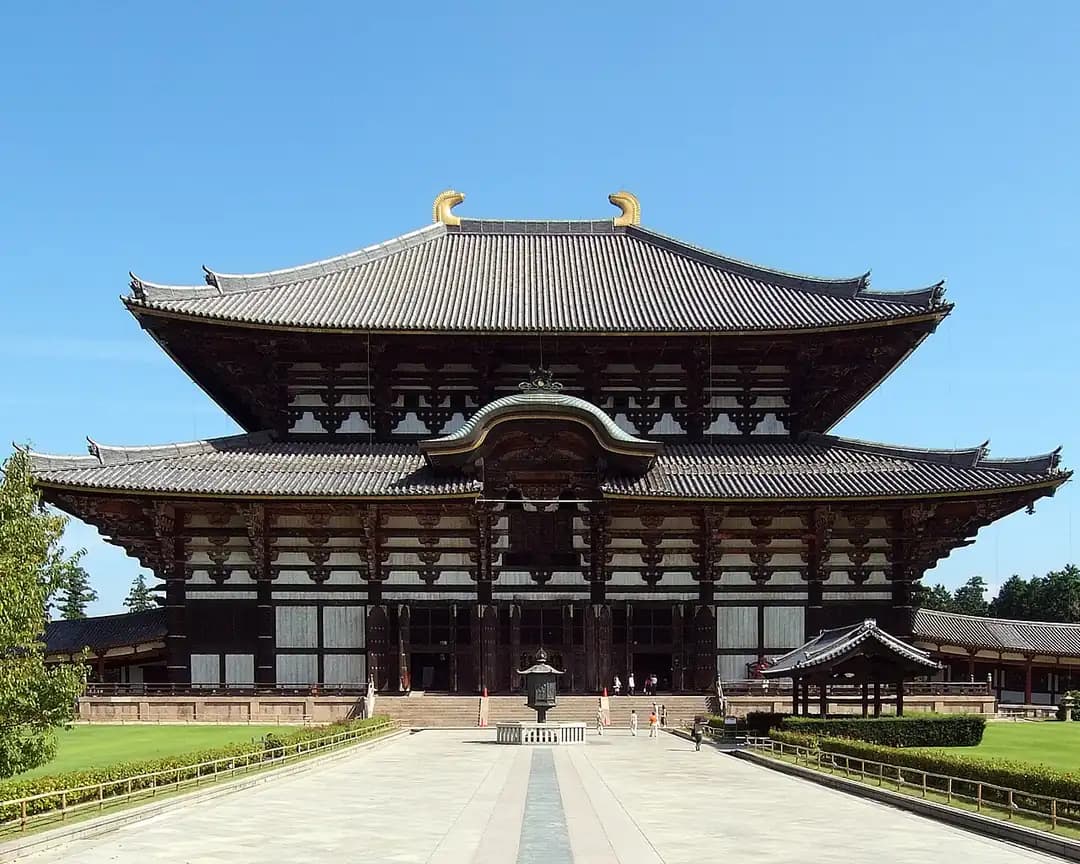
Japan
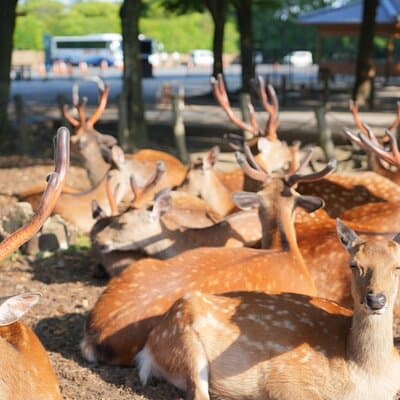
Nara isn't just a city; it's the living cradle of Japanese civilization. As the nation's first permanent capital from 710 to 794 AD, its sacred grounds hold the architectural and spiritual DNA of Japan. Walking through Nara Park, you're not just visiting a tourist attraction but stepping into a landscape where over 1,200 free-roaming Sika deer, considered divine messengers of the gods, bow politely for crackers, ancient wooden temples like Todai-ji cast colossal shadows, and the scent of incense from Kasuga Grand Shrine's 3,000 stone lanterns fills the air.
This compact, walkable city offers a profound sense of time travel. In one afternoon, you can stand in awe before the 15-meter-tall Great Buddha (Daibutsu) inside the world's largest wooden building, wander the meticulously raked gravel of Isuien Garden, and then lose yourself in the narrow, merchant-house-lined lanes of Naramachi. Unlike the more polished Kyoto, Nara feels raw, ancient, and deeply connected to the natural world, offering a uniquely serene and powerful glimpse into Japan's soul.
Encounter Sacred Deer: Over 1,200 wild Sika deer roam freely in Nara Park and temple grounds, considered divine messengers of the Shinto gods. You can feed them special shika senbei (deer crackers) sold by vendors, and many have learned to bow politely for a treat—a magical, interactive experience found nowhere else in Japan.
Witness Architectural Marvels: See some of Japan's oldest and most significant structures, including Todai-ji Temple's Daibutsuden (Great Buddha Hall), the largest wooden building in the world housing a 15-meter bronze Buddha. Explore the serene, lantern-lined paths of Kasuga Grand Shrine and the exquisite wooden pagoda of Kofuku-ji Temple.
Experience Ancient Capital Grandeur: Walk in the footsteps of 8th-century emperors. Nara's layout, with its grand boulevards modeled on China's Tang capital, and its collection of eight UNESCO World Heritage sites—collectively called 'Historic Monuments of Ancient Nara'—offer an unparalleled immersion into Japan's formative cultural and political history.
Stroll Through Living History Districts: Explore Naramachi, the former merchant quarter, with its preserved machiya (traditional townhouses), small museums, and charming cafes. This area provides a more intimate, human-scale contrast to the grand temples and shows how people lived and worked for centuries.
Discover World-Class Gardens & Museums: Find tranquility in the beautiful, multi-pond Isuien Garden, which uses 'borrowed scenery' from nearby Mount Wakakusa. Visit the Nara National Museum, which holds one of the world's finest collections of Buddhist art, especially during its famous autumn exhibition of treasures from the Shoso-in Repository.
Perfect Day Trip Proximity: Located less than an hour by train from both Kyoto and Osaka, Nara is incredibly accessible. This makes it easy to add a deep dive into ancient Japan to any Kansai region itinerary, offering a completely different, more relaxed pace compared to its bustling neighbors.
Készen állsz felfedezni Nara-t?
The historic and spiritual heart of Nara, centered around the vast, green expanse of Nara Park. This area is where you'll find the city's most iconic UNESCO sites, all within easy walking distance of each other, surrounded by sacred deer. The vibe is serene, monumental, and deeply atmospheric.
Highlights:
Best for:
The preserved former merchant district, located south of Sarusawa Pond. This neighborhood offers a labyrinth of narrow lanes lined with traditional machiya and kura (storehouse) buildings, many converted into shops, cafes, and small museums. The vibe is quaint, local, and wonderfully nostalgic.
Highlights:
Best for:
The modern transit and commercial hub of the city, centered around Kintetsu Nara and JR Nara Stations. This area is bustling with department stores, restaurants, tourist information centers, and hotels. It's the practical gateway to the city and offers all modern conveniences.
Highlights:
Best for:
A more spread-out, archaeological area showcasing the vast scale of Nara's original 8th-century capital. The reconstructed Heijo Palace buildings stand in open fields, offering a different perspective on history. The vibe is educational, spacious, and less crowded.
Highlights:
Best for:
A legtöbbet foglalt túrák és jegyek, a Viator értékeléseivel.
24 192 Ft-tól
Elérhetőség
36 632 Ft-tól
Elérhetőség
77 176 Ft-tól
Elérhetőség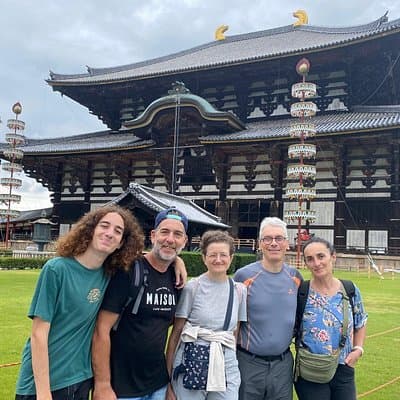
Túrák és árak a Viatortól (a Tripadvisor cége). Az árak dátumtól függően változnak. Foglalás esetén jutalékot kaphatunk, önnek ez nem kerül többe.
Nara's food culture is deeply tied to its history as an ancient capital and its surrounding fertile basin. It's famous for its high-quality local produce, particularly persimmons (kaki), and is the birthplace of sake brewing in Japan. You'll find a mix of refined kaiseki cuisine, hearty local specialties, and unique historical dishes.
Kakinoha-zushi is mackerel or salmon pressed sushi wrapped in a persimmon leaf, which acts as a natural preservative and adds a subtle fragrance.
Watch the mesmerizing mochi-pounding performance at Nakatanidou on Higashimuki Street—they are incredibly fast and it's a great free show.
Visit an izakaya in Naramachi for a more local evening atmosphere, often found in converted kura storehouses.
For a unique experience, try 'chagayu' (tea rice porridge), a simple, historic dish eaten by monks, at the Nara Chagayu Salon.
Spring is Nara's most famous and beautiful season, with cherry blossoms (sakura) typically blooming from late March to early April. The parks and temple grounds become a sea of pink and white, and the weather is pleasantly mild.
Pros:
Cons:
Summer is hot, humid, and green, with occasional rain showers. While daytime temperatures can reach 30°C (86°F) or higher, the lush foliage is vibrant, and morning/evening visits can be pleasant.
Pros:
Cons:
Autumn rivals spring for beauty, with brilliant red and yellow koyo (foliage) peaking from mid-November to early December. The air is crisp and cool, making it ideal for exploration.
Pros:
Cons:
Winter is cold and dry, with occasional light snow that dusts the temple roofs, creating a magical, quiet atmosphere. Crowds are at their lowest, offering a more contemplative experience.
Pros:
Cons:
Hasonlítsd össze a vonatok, buszok és repülők árait Nara városába
Add meg az indulási várost az árak megtekintéséhez

45-55 min by Kintetsu or JR train
Japan's former imperial capital and cultural heart, offering a stunning contrast to Nara's ancient feel with its countless temples, shrines, geisha districts, and refined gardens. It's the perfect complement for a deeper dive into Japanese traditional arts and architecture.
30-50 min by Kintetsu or JR train
A vibrant, modern metropolis known as Japan's kitchen. Osaka provides a thrilling shift in energy with its incredible street food, neon-lit entertainment districts, and iconic castle. It's ideal for dining, shopping, and experiencing urban Japanese nightlife.
About 1.5 hours by Kintetsu limited express train
Japan's most sacred Shinto site, dedicated to the sun goddess Amaterasu. The shrine is rebuilt every 20 years in a centuries-old tradition. The surrounding area, Ise-Shima, offers beautiful coastal scenery and pearl cultivation.
Nara is generally more affordable than Kyoto or Osaka, especially for accommodation. Major costs are temple entrance fees (300-600 yen each) and food. It's very feasible as a day trip to save on lodging.
Budget
€40-60 / $45-65 for budget travelers (hostel, convenience store meals, temple entries, local transport)
per day
Mid-Range
€80-130 / $85-140 for mid-range (business hotel, restaurant meals, all attractions, bus pass)
per day
Luxury
€200+ / $215+ for luxury (ryokan stay, kaiseki meals, private guides)
per day
A small, often-overlooked temple located north of the main Nara Park area, famous for its exquisite collection of twelve 8th-century clay statues of the Twelve Heavenly Generals (Juni Shinsho).
The statues are considered masterpieces of Tempyo-period sculpture and are displayed in an intimate hall where you can view them up close without crowds, offering a more personal artistic encounter.
A beautiful, compact strolling garden located right next to the more famous Isuien Garden. It is free for foreign tourists (with passport).
It's a serene escape with three distinct garden styles (pond, moss, and tea ceremony garden) and sees a fraction of the visitors of its neighbor, offering peaceful contemplation.
A branch of the famous Uji tea company, located in a modern building near Kintetsu Nara Station, offering an exceptional tea experience.
You can enjoy high-quality matcha and seasonal wagashi (sweets) in a tranquil, stylish setting. Their matcha gelato is superb, and it's a perfect refreshment stop away from the park crowds.
The sprawling, beautifully landscaped garden of the historic Nara Hotel, one of Japan's oldest classic hotels. The gardens are open to the public, not just guests.
It's a stunning example of Meiji-era garden design with ponds, bridges, and mature trees, offering a quiet, aristocratic atmosphere and a glimpse into the elegance of early 20th-century Japan.
A small, family-run sake brewery in Naramachi that has been operating since 1884. They offer tastings and tours.
Nara is the birthplace of sake, and this brewery provides an authentic, hands-on opportunity to taste high-quality local sake (including sparkling sake) in a historic setting, far from the commercialized tours found elsewhere.
Nara's culture is defined by its deep Shinto and Buddhist roots, visible in the harmonious coexistence of temples and shrines. There's a profound respect for nature, embodied by the sacred deer and ancient trees. The pace is slow, polite, and reflective, mirroring the city's role as a guardian of Japan's oldest traditions.
The deer are generally gentle but are wild animals. They can be assertive when they see food. Avoid teasing them, don't let children feed them unsupervised, and be cautious as they may nibble on maps or clothing they mistake for food. If you have no crackers, show them your empty hands.
Yes, one full day is sufficient to see the main highlights: Todai-ji, Nara Park deer, Kasuga Grand Shrine, and a stroll through Naramachi. To visit more distant temples like Toshodai-ji or the Heijo Palace site, or to explore at a leisurely pace, consider an overnight stay.
The fastest and most convenient route is the Kintetsu Limited Express from Kyoto Station to Kintetsu Nara Station (about 35-45 mins, 1,130 yen). The JR Nara Line is slightly slower (about 45-55 mins, 720 yen) and arrives at JR Nara Station, which is a longer walk to the park.
Yes, IC cards like Suica and Pasmo are accepted on most local buses and trains within Nara, including the Kintetsu and JR lines. They are the most convenient way to pay for public transport. You can also use them at many convenience stores and vending machines.
Many of Nara's major temple halls are indoors (like Todai-ji's Daibutsuden), so sightseeing can continue. The Nara National Museum is an excellent rainy-day option. You can also explore the covered shopping arcades near the stations or the many small museums and cafes in Naramachi's preserved buildings.
Accessibility is mixed. Major sites like Todai-ji have ramps to the main hall, but the grounds are often gravel paths. Nara Park has paved main paths. The Nara City Loop buses are wheelchair accessible. It's best to check specific temple websites for detailed accessibility information before visiting.
Both JR Nara Station and Kintetsu Nara Station have numerous coin lockers in various sizes (typically 300-700 yen per use). The Nara Visitor Center & Inn (near Kintetsu Station) also offers luggage storage services for a fee. Lockers can fill up by mid-morning, so arrive early.
Yamayaki is the annual grass-burning festival held on Mount Wakakusa on the fourth Saturday of January. The entire mountainside is set ablaze in a dramatic spectacle, preceded by a ceremonial torch-lit procession from Kasuga Shrine. It's a unique winter event with fireworks, but be prepared for large crowds and cold weather.
Jellemző napi költségek egy főre, a takarékostól a kényelmes utazásig.
| Takarékos | Közepes | Kényelmes | |
|---|---|---|---|
| Szállás (éjszakánként) | 15 200 Ft | 38 000 Ft | 68 000 Ft |
| Étel és ital (naponta) | 5600 Ft | 12 000 Ft | 24 000 Ft |
| Látnivalók és programok (naponta) | 3200 Ft | 8000 Ft | 18 000 Ft |
| Összesen naponta | 24 000 Ft | 58 000 Ft | 110 000 Ft |
A becslések nem tartalmazzák a repülőjegyet és a távolsági közlekedést. Napi költségek összehasonlítása városonként
Szállodák a központ közelében (Nara), a pénztárcabaráttól a luxusig. Az árak az utolsó ellenőrzéskor jellemző éjszakai árak.
 Olcsó
 Olcsó
 Középkategória
 Középkategória
 Felső kategória
 Felső kategória
 Luxus
 Luxus
A szállodaárak a Travelokától származnak (utolsó ellenőrzés: 2026. február 4.), és az időponttól függően változnak. Ha a linkjeinken keresztül foglalsz, jutalékot kaphatunk, neked ez nem jelent többletköltséget.
Hagyd, hogy az AI megtervezze a tökéletes útvonalat Nara utazásodhoz. Csak írd le, mit szeretnél átélni.
Nara utazás tervezése

