Fall of Yugoslavia, Sarajevo War Tour with Tunnel of Hope Museum and Frontlines
5.01515 értékelés4h
15 600 Ft-tól
Elérhetőség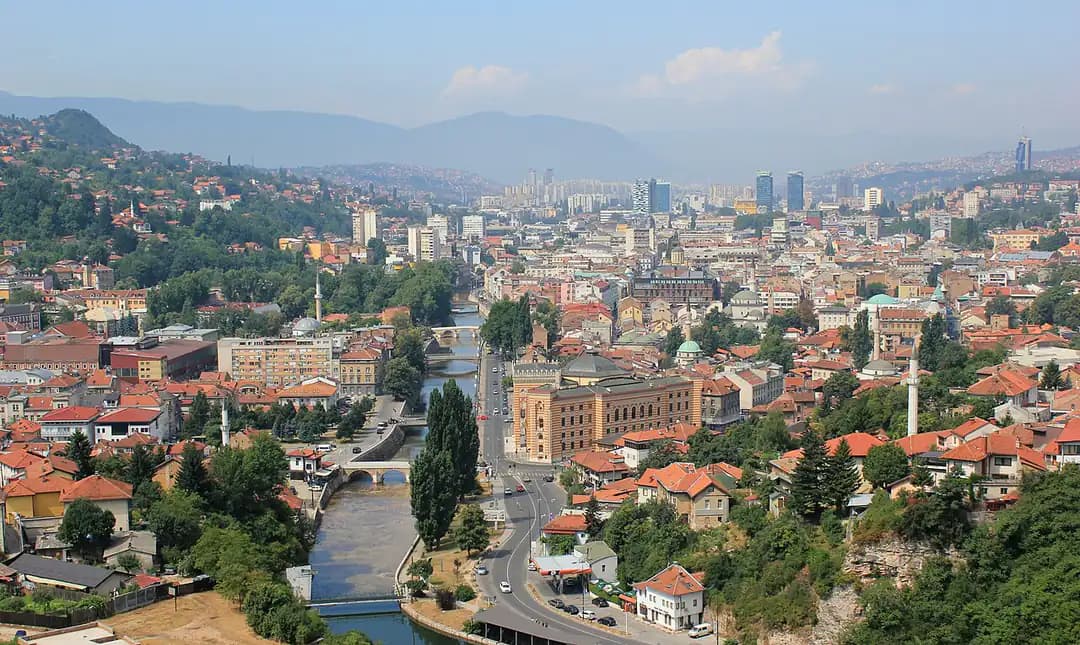
Bosnia and Herzegovina
Sarajevo isn't just a city; it's a living timeline where you can walk from the Ottoman-era Baščaršija bazaar, with its coppersmiths and scent of ćevapi, to the Austro-Hungarian 'Sarajevo's Vienna' along Ferhadija street in under five minutes. This is where the 1914 assassination that sparked World War I occurred at Latin Bridge, and where the scars and resilience of the 1990s siege are etched into buildings and remembered at the Tunnel of Hope.
Today, that complex history fuels a vibrant, welcoming culture. You'll hear the call to prayer echo between church bells, sip thick Bosnian coffee in a centuries-old kafana, and take a cable car up Trebević Mountain for breathtaking views over a city that has fiercely reclaimed its joy. Sarajevo's soul lies in its contrasts—between sorrow and celebration, East and West—and its incredible stories of survival.
A Unique Cultural Crossroads: Experience where empires literally meet; stand where Ottoman minarets, Catholic and Orthodox steeples, and a grand Ashkenazi synagogue share the same skyline. This tangible multiculturalism is best felt in Baščaršija and along the 'Sarajevo Meeting of Cultures' line on Ferhadija street.
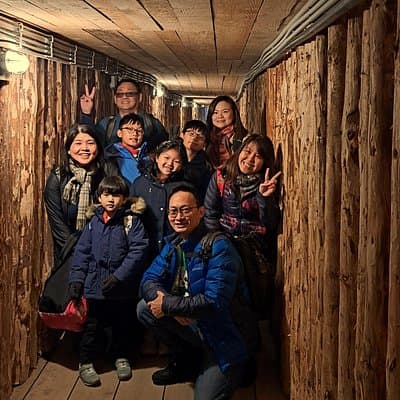
Profound Modern History: Engage with 20th-century history where it happened. Visit the poignant Sarajevo Roses (concrete scars from mortar shells filled with red resin), walk through the life-saving Tunnel of Hope, and see the exhibits at the War Childhood Museum for a deeply moving perspective on resilience.
Incredible Food at Unbeatable Prices: Feast on some of Europe's most flavorful and affordable cuisine. From legendary ćevapi at Željo or Ćevabdžinica Petica to stuffed burek from Buregdžinica Sač, and decadent desserts like tufahija (stewed apple with walnut cream), your taste buds and wallet will thank you.
Stunning Natural Surroundings: The city is cradled by the Dinaric Alps. Ride the cable car to Trebević for hiking and epic city views, visit the source of the Bosna River at Vrelo Bosne park, or take a short trip to the waterfalls at Skakavac for a quick nature escape.
A Hub for Affordable Adventure: Sarajevo offers exceptional value. You can stay in charming guesthouses, enjoy multi-course meals, and take guided tours for a fraction of Western European prices, making it perfect for budget travelers seeking rich experiences.
Warm, Resilient Hospitality: Sarajevans are famously welcoming and proud to share their city's story. Conversations in cafes, recommendations from shopkeepers, and the overall atmosphere are defined by a hard-earned optimism and genuine warmth towards visitors.
Készen állsz felfedezni Szarajevó-t?
The historic Ottoman heart of the city, a maze of cobblestone streets filled with the sounds of craftsmen, the smell of grilled meat, and the buzz of cafes. This is the iconic, atmospheric core where Sarajevo's story began.
Highlights:
Best for:
The elegant Austro-Hungarian quarter marked by grand 19th-century buildings, pedestrian shopping streets, and a distinctly Central European vibe. It seamlessly blends with the Old Town, showcasing the city's architectural duality.
Highlights:
Best for:
A central, bustling administrative and business district with government buildings, modern shops, and major cultural institutions. It's a lively mix of pre-war, socialist-era, and contemporary architecture.
Highlights:
Best for:
A quieter, hillside neighborhood just south of the Miljacka River, rich with religious sites and poignant history. It offers serene walks and some of the best panoramic views back towards the old town.
Highlights:
Best for:
A legtöbbet foglalt túrák és jegyek, a Viator értékeléseivel.
15 600 Ft-tól
Elérhetőség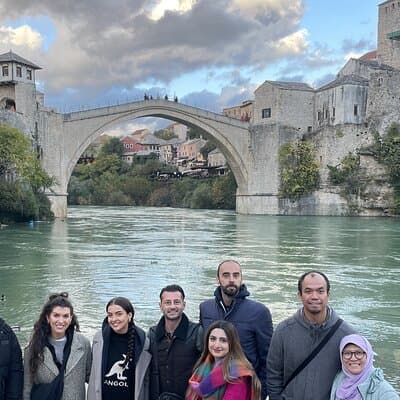
30 000 Ft-tól
Elérhetőség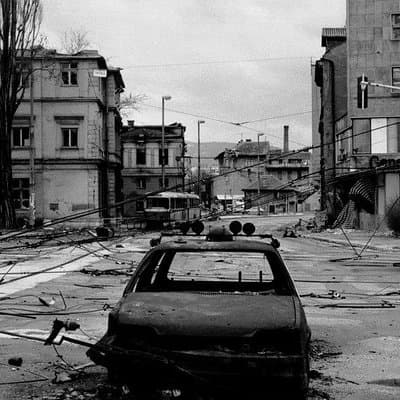
19 600 Ft-tól
Elérhetőség
14 800 Ft-tól
ElérhetőségTúrák és árak a Viatortól (a Tripadvisor cége). Az árak dátumtól függően változnak. Foglalás esetén jutalékot kaphatunk, önnek ez nem kerül többe.
Sarajevo's cuisine is a delicious testament to its history, blending Ottoman, Austro-Hungarian, and Balkan influences. Meals are hearty, meat-centric, and often shared, with a strong culture of coffee and pastry. Dining is a social, leisurely affair.
Order ćevapi with somun (flatbread), chopped onions, and kajmak (clotted cream). A standard portion is 5-10 pieces.
Burek is specifically meat-filled. Try other 'pita' like sirnica (cheese), zeljanica (spinach), or krompiruša (potato). Eat with yogurt.
In a traditional čajdžinica (tea/coffee house), you'll pay more to sit inside than at a standing table outside.
These restaurants often require reservations, especially on weekends. They're great for experiencing traditional flavors in a contemporary setting.
Spring is lovely, with blooming trees in parks and comfortable temperatures. The city shakes off winter, and outdoor cafes begin to fill up.
Pros:
Cons:
Warm and sunny, with long days perfect for exploring. This is peak festival and outdoor dining season, but also the busiest and warmest period.
Pros:
Cons:
Arguably the best time to visit. The air is crisp, the surrounding hills are painted with fall colors, and the summer crowds have dissipated.
Pros:
Cons:
Cold and snowy, transforming Sarajevo into a winter wonderland. The 1984 Olympic mountains become busy ski resorts, and the city has a cozy, festive atmosphere.
Pros:
Cons:
Hasonlítsd össze a vonatok, buszok és repülők árait Sarajevo városába
Add meg az indulási várost az árak megtekintéséhez

2 hours by bus or train
Visit Bosnia's most iconic postcard image: the stunning Stari Most (Old Bridge) rebuilt after the war. The Ottoman old town is smaller than Sarajevo's but equally enchanting, with bustling bazaars and dramatic river views.
45 min by car or bus
Escape to the mountains that hosted the 1984 Winter Olympics. In winter, it's a popular ski resort. In summer, it's a paradise for hiking, mountain biking, and breathing fresh alpine air with spectacular vistas.
45 min by car or bus
A controversial but fascinating site. Explore the claims of ancient pyramids at Visočica Hill, which include a network of alleged tunnels. It's a unique blend of archaeology, alternative history, and beautiful countryside.
Sarajevo is one of Europe's most affordable capital cities. Your money goes far here, especially for dining, accommodation, and local transportation.
Budget
€30-50 per day for hostels, street food, public transport, and free sights.
per day
Mid-Range
€60-100 per day for private rooms/3-star hotels, restaurant meals, museum entries, and occasional taxis.
per day
Luxury
€150+ per day for boutique hotels, fine dining, private guides, and car rentals.
per day
The stunning pseudo-Moorish interior of the rebuilt National Library, a symbol of the city's destruction and rebirth.
While the exterior is famous, many don't go inside to see the breathtaking stained glass, ornate arches, and poignant exhibition on the building's history, including its burning in 1992.
A perfectly preserved 18th-century Ottoman house museum offering a glimpse into the domestic life of a wealthy Muslim family.
Tucked away in a residential area, it's quieter than other museums. You can explore the separate male (selamluk) and female (haremluk) quarters with original furnishings.
The viewing platform on the 36th floor of Bosnia's tallest skyscraper, offering a 360-degree modern perspective of the city and valley.
It provides a completely different, panoramic view compared to the historic fortress viewpoints. Great for understanding the city's geography, especially at sunset.
A peaceful, shaded walking path along the Miljacka River, starting near the Latin Bridge and leading east out of the city center.
A favorite local spot for a stroll or jog, it offers a tranquil escape from the bustle of Baščaršija with lovely views of the river and cliffs.
A sobering but important private museum documenting the atrocities of the 1990s war through personal stories, artifacts, and photographs.
While difficult, it provides a more detailed and personal narrative than some larger institutions. It's a powerful, under-visited complement to the War Childhood Museum.
Sarajevo's culture is defined by 'komšiluk' (neighborliness), a deep-seated tradition of community and helping one another, forged through shared history. Religious and ethnic identities are strong but coexist, expressed through hospitality, coffee rituals, and a direct, often dark-humored resilience.
Yes, Sarajevo is very safe for tourists. Violent crime is rare. Standard precautions apply: be aware of pickpockets in crowded areas, use licensed taxis, and be careful when walking on icy cobblestones in winter. Unexploded landmines are NOT a concern within the city.
Citizens of the EU, UK, USA, Canada, Australia, and New Zealand do not need a visa for tourist stays of up to 90 days within a 180-day period. Always check the latest requirements with official government sources before traveling.
The official currency is the Convertible Mark (KM or BAM). Some tourist shops, hotels, and restaurants may accept Euros, but the exchange rate will be poor. It's best to use local currency. ATMs are widely available, and credit cards are accepted in most established businesses.
Yes, especially among younger people and those working in tourism (hotels, restaurants, tour guides). In the old bazaar or with older generations, you may encounter language barriers, but people are generally helpful. Learning a few basic Bosnian phrases is appreciated.
The museum is in the suburb of Butmir. Take tram line 3 to the Ilidža terminus, then switch to bus line 32 or 41 to 'Tunel' stop. Alternatively, a taxi from the city center costs about 15-20 KM (€7.5-10) each way. The museum is small but powerful.
Dress is generally casual but modest, especially when visiting religious sites. Comfortable walking shoes are essential for cobblestones. Pack layers as weather can change quickly, particularly in the mountains. Winters require a warm coat, hat, and gloves.
Absolutely. The ride offers spectacular views of the city bowl and is the easiest way to access Trebević Mountain for hiking, the abandoned bobsled track, and restaurants with a view. It runs year-round, weather permitting. Buy tickets in advance during peak season.
For a comprehensive understanding, combine several sites: the War Childhood Museum (personal stories), the Tunnel of Hope (logistics of survival), the Historical Museum of BiH (broader context), and a walking tour with a local guide who lived through it. Seeing the Sarajevo Roses in the streets is also a powerful, free reminder.
Jellemző napi költségek egy főre, a takarékostól a kényelmes utazásig.
| Takarékos | Közepes | Kényelmes | |
|---|---|---|---|
| Szállás (éjszakánként) | 11 200 Ft | 26 000 Ft | 46 000 Ft |
| Étel és ital (naponta) | 3600 Ft | 8000 Ft | 15 200 Ft |
| Látnivalók és programok (naponta) | 2000 Ft | 4800 Ft | 11 200 Ft |
| Összesen naponta | 16 800 Ft | 38 800 Ft | 72 400 Ft |
A becslések nem tartalmazzák a repülőjegyet és a távolsági közlekedést. Napi költségek összehasonlítása városonként
Szállodák a központ közelében (Szarajevó), a pénztárcabaráttól a luxusig. Az árak az utolsó ellenőrzéskor jellemző éjszakai árak.
 Olcsó
 Olcsó
 Középkategória
 Középkategória
 Felső kategória
 Felső kategória
 Luxus
 Luxus
A szállodaárak a Travelokától származnak (utolsó ellenőrzés: 2026. február 4.), és az időponttól függően változnak. Ha a linkjeinken keresztül foglalsz, jutalékot kaphatunk, neked ez nem jelent többletköltséget.
Népszerű vonat-, busz- és repülőjáratok menetidőkkel és árakkal.
Hagyd, hogy az AI megtervezze a tökéletes útvonalat Szarajevó utazásodhoz. Csak írd le, mit szeretnél átélni.
Szarajevó utazás tervezése