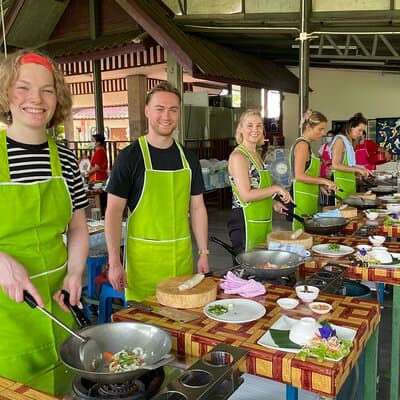
Half-Day Thai Cooking Class at Organic Farm in Chiang Mai
5.020 966 opinii6h
od 106 zł
Sprawdź dostępność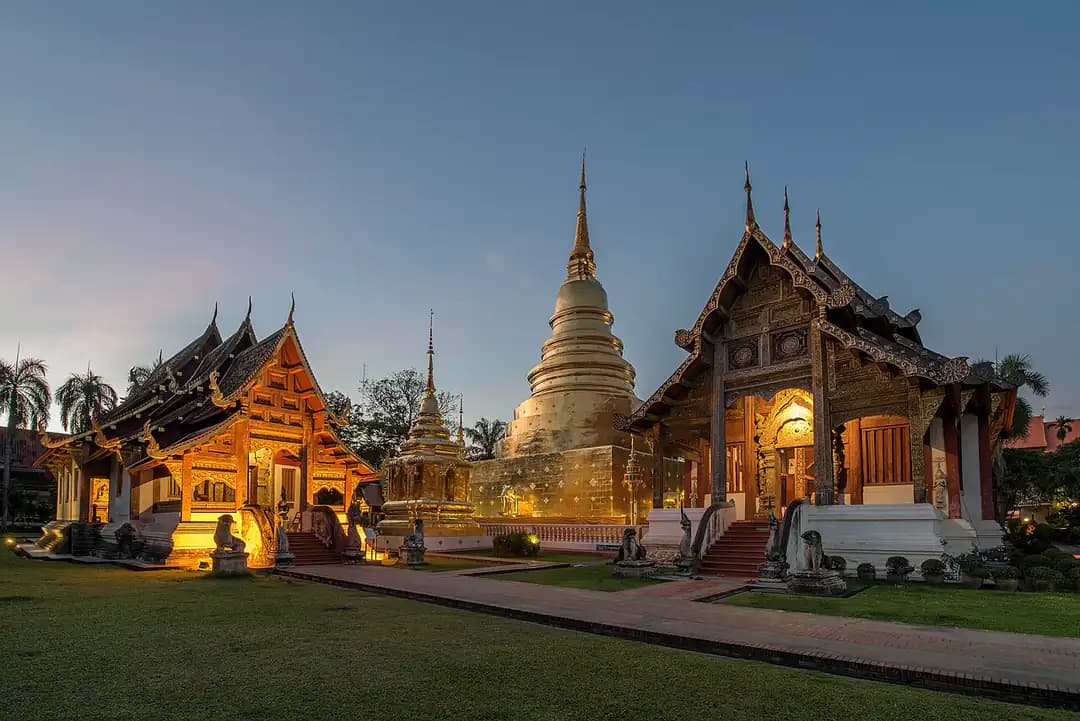
Thailand
Chiang Mai isn't just another Thai city; it's a living museum where ancient Lanna culture thrives amidst a modern, creative energy. Within the crumbling red-brick walls of the Old City, you'll find over 30 temples like the magnificent Wat Chedi Luang, where monks still chant daily, just steps away from hip third-wave coffee shops and vegan cafes. This unique juxtaposition creates a rhythm all its own—one where the morning gong of temple bells gives way to the evening buzz of the Sunday Walking Street market, where hill tribe artisans sell handmade crafts under a canopy of fairy lights.
Beyond the moat, the city unfolds into a landscape of misty mountains, home to ethical elephant sanctuaries like Elephant Nature Park and the sacred peak of Doi Suthep, crowned by its glittering golden temple. Chiang Mai's soul is its community—a global hub for digital nomads working from Nimman's co-working spaces, yogis practicing in serene studios, and foodies mastering the art of khao soi in hands-on cooking classes. It's a place where spirituality, adventure, and slow living converge, offering a depth of experience that keeps travelers returning year after year.
A Temple for Every Day: Explore over 300 Buddhist temples, from the iconic, pilgrimage-worthy Wat Phra That Doi Suthep on the mountain to the intimate, monk-chat sessions at Wat Suan Dok. Each offers unique architecture and atmosphere, like the ruined, atmospheric Wat Phra Singh or the stunning silver ordination hall at Wat Sri Suphan.
World-Class Ethical Elephant Experiences: Interact with rescued giants in a responsible way at leading sanctuaries such as Elephant Nature Park, Burm and Emily's Elephant Sanctuary, or Elephant Jungle Sanctuary. These visits focus on observation, feeding, and bathing, not riding, supporting true animal welfare.
The Ultimate Foodie & Cooking Class Destination: Dive into Northern Thai cuisine. Take a class at the organic farm of Thai Farm Cooking School or with Grandma's Home Cooking, then savor the real deal at legendary spots like Khao Soi Khun Yai for its rich curry noodle soup or SP Chicken for perfect grilled chicken.
Vibrant, Authentic Market Culture: Shop beyond souvenirs. Hunt for treasures at the massive Sunday Walking Street Market inside the Old City walls, the nightly Night Bazaar on Chang Klan Road, or the morning Warorot Market for local food and textiles. It's a cultural immersion in itself.
A Gateway to Mountain Adventures & Hill Tribes: Use Chiang Mai as a base for trekking, visiting Long Neck Karen villages in Mae Hong Son, exploring the stunning stalactites of Chiang Dao Cave, or riding the bamboo rafts along the Mae Taeng River. The cool highlands offer a refreshing contrast.
A Thriving Hub for Wellness & Digital Nomads: Recharge with affordable yoga classes, meditation retreats at temples like Wat Umong, and traditional Thai massages. The city's excellent infrastructure, cafe culture in Nimmanhaemin, and welcoming vibe have made it a top global destination for remote workers.
Gotowy na odkrywanie Chiang Mai?
The historic and spiritual heart of Chiang Mai, defined by its square layout and crumbling brick walls. This area is dense with ancient temples, guesthouses, and a laid-back, walkable vibe that feels like a step back in time.
Highlights:
Best for:
The trendy, modern university district known for its hipster cafes, boutique shops, stylish co-working spaces, and vibrant nightlife. It's the epicenter of Chiang Mai's digital nomad and creative scene.
Highlights:
Best for:
A more relaxed, upscale area running along the Mae Ping River. Characterized by boutique hotels, excellent restaurants with river views, and a quieter, more residential atmosphere.
Highlights:
Best for:
A local, residential neighborhood just north of the Old City, offering an authentic slice of Thai life. It's packed with fantastic, inexpensive local eateries, casual bars, and minimal tourist crowds.
Highlights:
Best for:
Wycieczki i bilety, które podróżni rezerwują najczęściej, z ocenami z Viator.
od 106 zł
Sprawdź dostępność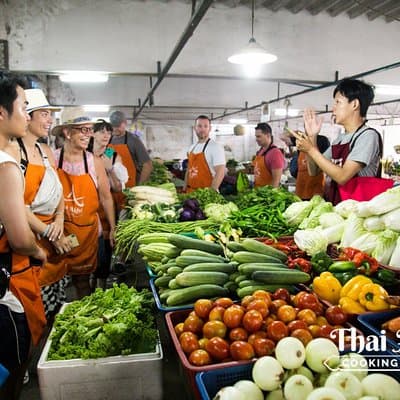
od 182 zł
Sprawdź dostępność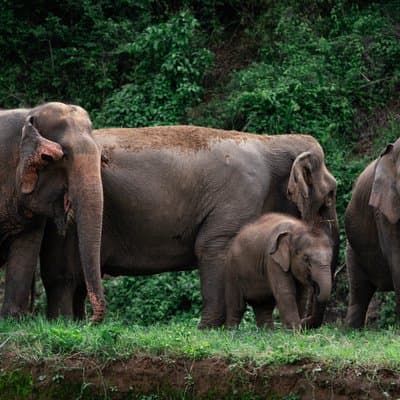
od 213 zł
Sprawdź dostępnośćWycieczki i ceny z Viator, firmy Tripadvisor. Ceny zależą od terminu. Możemy otrzymać prowizję, jeśli zarezerwujesz – bez dodatkowych kosztów dla Ciebie.
Chiang Mai is the capital of Northern Thai (Lanna) cuisine, which is distinct from the coconut-heavy curries of the south. Expect bold, herbal flavors, sticky rice, and dishes influenced by neighboring Myanmar and Laos. The city is a paradise for street food lovers, with night markets and humble shophouses serving some of the best meals you'll ever have.
Follow the locals. The longest lines at markets are usually for the best food. Don't be afraid to point at what looks good if there's no English menu.
Order a "khantoke" set meal for a traditional tasting experience of multiple Northern dishes served on a low round table.
Look for the "jay" (เจ) sign, which indicates strict Buddhist vegetarian food (no meat, garlic, or onion). Many places cater to plant-based diets.
Nimmanhaemin Road (Nimman) is the undisputed hub for specialty coffee and modern, Instagram-worthy cafes and restaurants.
Spring (March to May) is the hottest and driest period, culminating in the smoky 'burning season' in late March/April when farmers clear fields.
Pros:
Cons:
Summer (June to August) marks the beginning of the rainy monsoon season. Days are hot and humid, with short, heavy downpours typically in the late afternoon or evening.
Pros:
Cons:
Autumn (September to October) sees the tail end of the monsoon, with rains gradually decreasing. The countryside is incredibly vibrant and green.
Pros:
Cons:
Winter (November to February) is the peak, cool, dry season. This is the most popular time to visit, with near-perfect weather and numerous festivals.
Pros:
Cons:
Porównaj ceny pociągów, autobusów i lotów do Chiang Mai
Wpisz miasto wyjazdu, aby zobaczyć ceny

1.5 - 2 hours by car or tour van
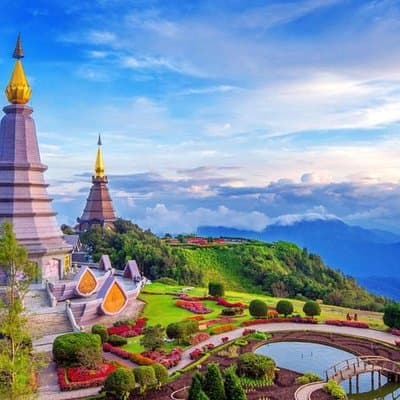
Home to Thailand's highest peak, this stunning national park is known as 'The Roof of Thailand.' It offers a cool escape with majestic waterfalls, royal pagodas, and hiking trails through cloud forests.
Approx 1 hour by van from Chiang Mai
A pioneering ethical elephant rescue and rehabilitation center in the Mae Taeng Valley. This is not a riding camp; visits focus on observing, feeding, and bathing these majestic rescued animals in a natural setting.
1.5 hours by car or bus north of Chiang Mai
A peaceful town nestled at the base of a dramatic limestone mountain range. It's famous for its immense cave system, hot springs, and as a base for trekking and birdwatching in a serene, rural setting.
Chiang Mai is one of Southeast Asia's most affordable major destinations. Your budget stretches far here, with incredible street food, cheap local transport, and a wide range of accommodation from hostels to luxury resorts.
Budget
€25-40 / $27-44 for budget travelers (hostel, street food, local transport)
per day
Mid-Range
€60-120 / $65-130 for mid-range (boutique hotel, restaurant meals, tours, taxis)
per day
Luxury
€200+ / $220+ for luxury (5-star resorts, fine dining, private guides and drivers)
per day
A unique, forested temple complex on the city's outskirts, featuring ancient brick tunnels built into a hillside, a large stupa, and a serene meditation center.
Escape the crowds in a peaceful, atmospheric setting. It's a true spiritual retreat where you can walk through the dim, cool tunnels lined with Buddha images, feed the fish and turtles in the pond, and often see monks meditating or studying.
A charming, purpose-built community of traditional Thai houses housing local artists, craftspeople, and small cafes, located near Wat Umong.
It's a creative oasis away from the commercial buzz. You can browse unique handmade pottery, textiles, and art, take a workshop, and enjoy a coffee in a tranquil, garden-like setting, especially lively on Sunday mornings.
A forest hiking path that local monks traditionally used to walk up to Wat Phra That Doi Suthep, starting near Chiang Mai Zoo.
Skip the crowded road and experience a peaceful, 1.5-hour hike through the jungle to reach the temple. It's a rewarding, spiritual, and free alternative to taking a taxi, ending at a small waterfall and shrine before the final ascent.
A scenic 20km loop road through the mountains northwest of the city, passing a series of 10 cascading waterfalls and botanical gardens.
Rent a motorbike and spend a day hopping between easily accessible waterfalls like Mae Sa Falls #1-10, visiting the Queen Sirikit Botanic Garden, and stopping at roadside coffee shops with stunning valley views—all without joining a big tour.
A temple in the Wualai district (silversmithing quarter) with an incredible ordination hall (ubosot) entirely covered in intricate, hand-hammered silver, nickel, and aluminum panels.
It's a stunning, photogenic masterpiece of contemporary Lanna craftsmanship. Note that the main silver ubosot is forbidden to women due to ancient Buddhist codes, but the exterior and grounds are breathtaking and far less visited than the major Old City temples.
Chiang Mai's culture is deeply rooted in Lanna (Northern Thai) traditions, Theravada Buddhism, and a strong sense of community ("sanuk"). Respect for the monarchy and Buddhist institutions is paramount. The pace is notably slower and more polite than Bangkok, with an emphasis on kindness ("jai yen" - cool heart) and hospitality.
Yes, if you choose carefully. Truly ethical sanctuaries like Elephant Nature Park, Burm and Emily's, or Elephant Jungle Sanctuary (Patara) do not offer riding, bathing shows, or performances. They focus on observation, feeding, and allowing elephants to roam freely. Always research and avoid any place that promotes riding, painting, or unnatural tricks.
During peak season (November-February) and for major festivals like Yi Peng, booking accommodation months in advance is essential. Popular ethical elephant sanctuaries and cooking classes also book up weeks ahead. In the low season, you can be more spontaneous, but advance booking for top-rated experiences is still recommended.
Chiang Mai is generally very safe for all travelers, including solo females. Violent crime is rare. Standard precautions apply: be aware of your surroundings at night, don't leave drinks unattended, and use common sense with valuables. Scams are relatively minor (e.g., overcharging for tuk-tuks, gem scams). The local people are famously friendly and helpful.
Within the flat, compact Old City, walking is best. To travel between districts (e.g., to Nimman or Riverside), use the red songthaews (negotiate the fare first) or the Grab app for convenient, fixed-price rides. Renting a motorbike is popular but only recommended for experienced riders due to chaotic traffic. Bicycles are a pleasant, slow option for the Old City.
Chiang Mai is still largely a cash-based city, especially for street food, markets, local transport (songthaews), and small shops. Larger restaurants, hotels, and malls will accept credit cards. Always carry sufficient Thai Baht in smaller denominations (20, 50, 100). ATMs are widely available but charge a 220 THB fee per withdrawal.
Pack light, breathable clothing for the heat, but include a light sweater or scarf for cool winter evenings and air-conditioned spaces. Modest clothing that covers shoulders and knees is essential for temple visits. Don't forget comfortable walking shoes, sunscreen, insect repellent, a reusable water bottle, and a plug adapter (Type A/B/C, 220V).
Loy Krathong (nationwide) involves floating small, decorated baskets (krathongs) on water to honor the water goddess. Yi Peng (specific to Northern Thailand) is the simultaneous release of thousands of paper lanterns (khom loi) into the sky. In Chiang Mai, the two festivals often coincide, creating a spectacular dual celebration of light on water and in the sky. Dates change yearly based on the lunar calendar.
No, do not drink tap water in Chiang Mai. Always drink bottled or filtered water. Most hotels and guesthouses provide free drinking water. You can also refill your own bottle cheaply at filtered water stations (found at many 7-Elevens and dedicated shops) for 1-2 THB per liter, which is both economical and eco-friendly.
Typowe dzienne koszty dla jednej osoby, od budżetowej po komfortową podróż.
| Budżetowo | Średnio | Komfortowo | |
|---|---|---|---|
| Nocleg (za noc) | 52 zł | 152 zł | 326 zł |
| Jedzenie i napoje (dziennie) | 26 zł | 61 zł | 130 zł |
| Zwiedzanie i atrakcje (dziennie) | 17 zł | 52 zł | 122 zł |
| Razem dziennie | 96 zł | 265 zł | 578 zł |
Szacunki nie obejmują lotów ani transportu dalekobieżnego. Porównaj dzienne koszty w różnych miastach
Hotele w pobliżu centrum (Chiang Mai), od budżetowych po luksusowe. Ceny to typowe stawki za noc w momencie naszego ostatniego sprawdzenia.
 Budżetowe
 Budżetowe
 Średnia klasa
 Średnia klasa
 Wyższy standard
 Wyższy standard
 Luksusowe
 Luksusowe
Ceny hoteli pochodzą z Traveloka, sprawdzone ostatnio 4 lutego 2026, i zmieniają się w zależności od terminu. Jeśli zarezerwujesz przez nasze linki, możemy otrzymać prowizję – bez dodatkowych kosztów dla Ciebie.
Pozwól AI stworzyć idealny plan podróży do Chiang Mai. Po prostu opisz, czego chcesz doświadczyć.
Zaplanuj podróż do Chiang Mai