Dresden Old Town: Small-Group Walking Tour in English with Locals
4.8210 opinii2h
od 109 zł
Sprawdź dostępność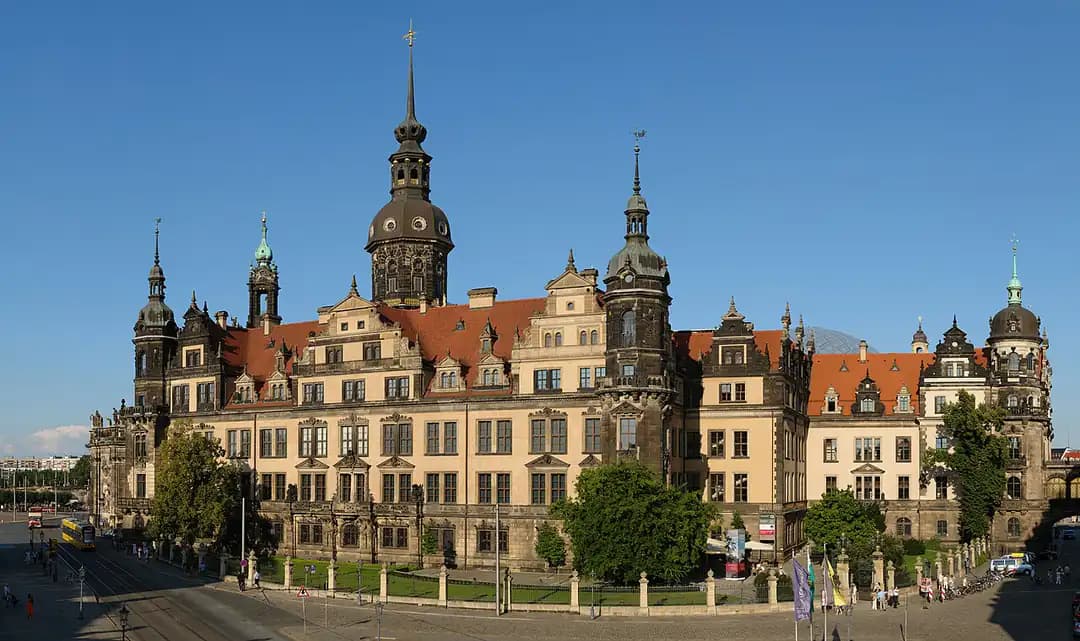
Germany
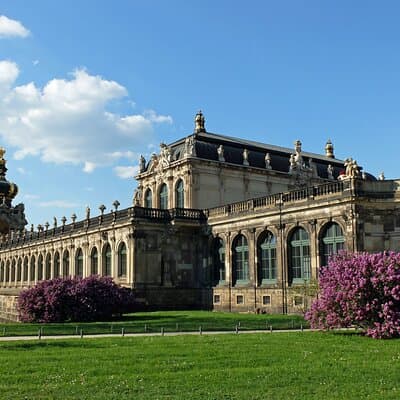
Dresden isn't just a city; it's a living testament to resilience and rebirth. Known as the 'Florence on the Elbe,' its skyline is a breathtaking canvas of baroque domes and spires, most famously the reconstructed Frauenkirche, whose golden cross glows against the sky. This is a place where you can stand on the Brühlsche Terrasse, the 'Balcony of Europe,' watching river steamers glide by, then step into the Zwinger Palace to be surrounded by Old Masters in a setting of architectural perfection.
Beyond the iconic Altstadt, Dresden reveals a dynamic, youthful energy. The Neustadt district pulses with bohemian creativity in its courtyards and street art, while the city's deep musical soul resonates in the Semperoper opera house. Dresden is a profound dialogue between a glorious past, meticulously rebuilt stone by stone, and a vibrant, innovative present, all set along the gentle curves of the Elbe River.
A Baroque Masterpiece Reborn: Witness the phenomenal post-war reconstruction of landmarks like the Frauenkirche, where new stones stand beside blackened originals, and explore the treasure-filled Green Vault museum in the Residenzschloss.
World-Class Art Collections: Immerse yourself in art history at the Zwinger Palace, home to Raphael's 'Sistine Madonna' in the Old Masters Picture Gallery and a stunning porcelain collection, alongside the modern masters at the Albertinum.
The Elbe River Experience: Stroll or cycle along the expansive river terraces, take a classic paddle-steamer cruise to Pillnitz Palace, and enjoy the unique landscape of the Elbe Valley vineyards within the city limits.
A Hub of Musical Excellence: Attend a performance at the acoustically perfect Semperoper, one of the world's most beautiful opera houses, or experience the Dresden Music Festival if visiting in spring.
The Enchanting Christmas Spirit: Experience one of Germany's oldest and most atmospheric Christmas markets, the Striezelmarkt, with its towering pyramid, handcrafted ornaments, and the scent of mulled wine filling the Altstadt.
A City of Contrasts: Discover the creative, alternative vibe of the Outer Neustadt's Kunsthofpassage courtyards and vibrant nightlife, offering a striking counterpoint to the formal grandeur of the historic center.
Gotowy na odkrywanie Drezno?
The historic heart of Dresden, meticulously reconstructed after WWII. This area is an open-air museum of baroque and renaissance architecture, centered around the grand Theaterplatz and the banks of the Elbe River. The vibe is majestic, cultured, and slightly formal, filled with tourists and history.
Highlights:
Best for:
The 'New Town' north of the Elbe is Dresden's creative and nightlife hub. The Innere Neustadt offers elegant 18th-century streets and the Golden Rider statue, while the adjacent Äußere Neustadt is a bohemian quarter of alternative boutiques, street art, and buzzing bars in hidden courtyards.
Highlights:
Best for:
An elegant, villa-studded hillside district east of the center, offering breathtaking views and a serene, upscale atmosphere. Accessible by historic funiculars and suspension bridges, it feels like a peaceful retreat with a touch of old-world glamour.
Highlights:
Best for:
Residential areas known for beautiful Gründerzeit architecture, spacious parks, and a calm, local feel. These districts showcase Dresden's 19th-century expansion with grand apartment buildings and are perfect for a leisurely stroll away from the tourist crowds.
Highlights:
Best for:
Wycieczki i bilety, które podróżni rezerwują najczęściej, z ocenami z Viator.
od 109 zł
Sprawdź dostępność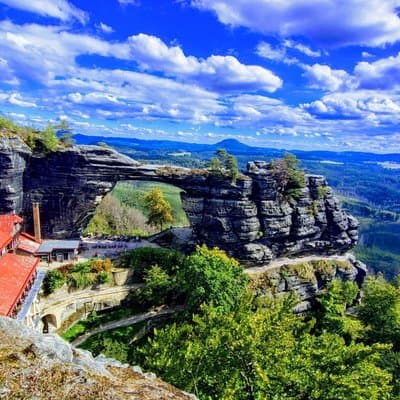
od 643 zł
Sprawdź dostępność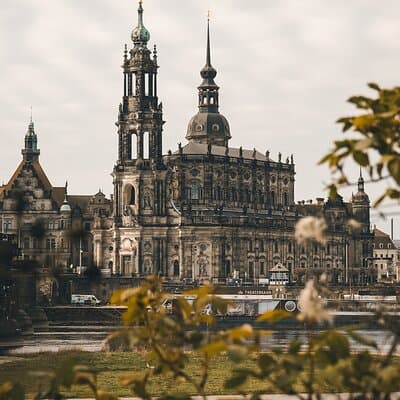
od 261 zł
Sprawdź dostępność
Wycieczki i ceny z Viator, firmy Tripadvisor. Ceny zależą od terminu. Możemy otrzymać prowizję, jeśli zarezerwujesz – bez dodatkowych kosztów dla Ciebie.
Dresden's cuisine is hearty Saxon fare, deeply rooted in regional traditions like Christmas stollen and robust meat dishes, perfectly paired with local beers and Saxon wines. The scene has evolved dramatically, with innovative Neustadt restaurants and international flavors now complementing the timeless beer halls and coffee houses.
Portions are large; 'Klöße' (dumplings) are a must-try side dish.
The Äußere Neustadt is the best area to explore for diverse, trendy eateries.
Afternoon 'Kaffee und Kuchen' (coffee and cake) is a cherished daily ritual.
Try 'Thüringer Rostbratwurst' from a street grill – it's a finer, longer sausage than the typical bratwurst.
Spring sees the city awakening with blooming flowers in the Großer Garten and along the Elbe meadows. The famous Dresden Music Festival takes over venues in May and June.
Pros:
Cons:
Warm, sunny days with long evenings ideal for river cruises, open-air cinema, and enjoying the many beer gardens and Elbe terraces. This is peak tourist season.
Pros:
Cons:
Crisp air and golden foliage create a picturesque setting, especially in the Großer Garten and the Elbe Valley. The city transitions into its cultural season.
Pros:
Cons:
Cold and often gray, but magically transformed by the glow of the Striezelmarkt, one of Germany's oldest Christmas markets. A truly festive atmosphere envelops the Altstadt.
Pros:
Cons:
Porównaj ceny pociągów, autobusów i lotów do Dresden
Wpisz miasto wyjazdu, aby zobaczyć ceny

40 min by train (S-Bahn S1)
The historic birthplace of Saxon porcelain and one of Germany's oldest towns. Its hilltop Albrechtsburg castle and Gothic cathedral offer stunning views over the Elbe and red-roofed town below.
45 min by train to Rathen or Bad Schandau
A breathtaking landscape of dramatic sandstone rock formations, deep valleys, and panoramic vistas. It's a paradise for hikers, climbers, and nature lovers.
30 min by bus or 20 min by car
A fairytale Baroque hunting lodge set on an artificial island in the middle of a tranquil lake. It's famously known as the filming location for the classic film 'Three Wishes for Cinderella.'
Dresden is generally more affordable than western German cities like Munich or Hamburg. Costs are centered on museum admissions and fine dining, but budget options are plentiful, especially in the Neustadt.
Budget
€50-70 for budget travelers (hostel, street food, free sights, public transport card)
per day
Mid-Range
€100-150 for mid-range (3-star hotel, museum visits, casual restaurants, some taxis)
per day
Luxury
€250+ for luxury (5-star hotel, fine dining, private tours, opera tickets)
per day
A series of interconnected, artistically redesigned courtyards in the Äußere Neustadt, each with a unique theme like the 'Courtyard of Elements' with singing drainpipes.
It's a stunning example of grassroots urban regeneration, filled with quirky shops, cafes, and ever-changing art, completely free to explore.
A former gasometer turned exhibition space that houses a single, monumental 360-degree panoramic painting by artist Yadegar Asisi.
It offers an immersive, awe-inspiring experience, such as the 'Dresden 1945' panorama, which powerfully depicts the city's destruction in a way no traditional museum can.
A radically redesigned museum by Daniel Libeskind, featuring a massive, angular wedge of steel that pierces the original arsenal building.
Its unique architecture and thought-provoking exhibits on the causes and consequences of war offer a profound perspective rarely found in military museums.
A historic beer garden and restaurant complex nestled on the slopes of the Elbe valley in the Loschwitz district.
It boasts one of the most beautiful beer garden settings in Germany, with terraced seating overlooking the river, the Blue Wonder bridge, and the city skyline.
A charming, miniature gauge railway operated by children and teenagers that runs through the heart of the Großer Garten park.
It's a delightful, nostalgic way to see the expansive park, especially fun for families, and supports a unique local youth organization.
Dresden's culture is defined by a deep pride in its artistic and musical heritage (Kunst und Musik) and its remarkable Phoenix-like reconstruction (Wiederaufbau). Formality is appreciated in traditional settings like the opera, while the Neustadt embodies a relaxed, open-minded counter-culture. The local dialect is a distinct Saxon German, known for its soft, melodic sound.
Absolutely. While the Altstadt highlights can be seen in a day, Dresden deserves 2-3 full days to properly explore its world-class museums, experience the contrasting Neustadt district, take a river cruise, and perhaps enjoy a day trip to Saxon Switzerland. Rushing means missing its depth.
The English pronunciation 'DREZ-den' is widely understood. The correct German pronunciation is closer to 'DRESS-den,' with a soft 's' sound and emphasis on the first syllable. Locals in Saxon dialect might say something closer to 'Dräsdn'.
Yes, for most visitors planning to see multiple museums and use public transport. The card includes unlimited travel on trams, buses, and ferries, plus significant discounts (often 20-50%) on admission to nearly all major attractions, including the Zwinger museums, Green Vault, and Panometer.
First, enter the main church floor (free) to appreciate the stunning interior. Then, for the iconic view, purchase a ticket to climb (or take the elevator part-way) to the dome's outer viewing platform. Finally, visit the lower-level exhibition and memorial crypt to understand the church's history and reconstruction.
Yes, guided tours in English and German are offered daily, subject to the performance schedule. Tours take you through the magnificent auditorium, foyers, and sometimes backstage areas. Booking online in advance is highly recommended, especially during peak season.
Easily. Take the S-Bahn S1 line from Dresden Hauptbahnhof to stations like Kurort Rathen (for the Bastei) or Bad Schandau. From these towns, local buses, ferries, and your own two feet (via well-marked hiking trails) provide access to the park's major sights.
First-timers and culture lovers should stay in or near the Altstadt for proximity to major sights. For nightlife, character, and more affordable dining, the Innere/Äußere Neustadt is ideal. For a quiet, scenic retreat, consider Loschwitz.
Authentic Meissen porcelain (look for the crossed swords mark), a Dresden Christstollen (especially from famous bakers like Kreutzkamm), a bottle of Saxon wine from the Elbe Valley, or a piece of traditional Erzgebirge wooden craftsmanship (like a Christmas pyramid).
Typowe dzienne koszty dla jednej osoby, od budżetowej po komfortową podróż.
| Budżetowo | Średnio | Komfortowo | |
|---|---|---|---|
| Nocleg (za noc) | 183 zł | 413 zł | 717 zł |
| Jedzenie i napoje (dziennie) | 65 zł | 139 zł | 283 zł |
| Zwiedzanie i atrakcje (dziennie) | 30 zł | 87 zł | 196 zł |
| Razem dziennie | 278 zł | 639 zł | 1196 zł |
Szacunki nie obejmują lotów ani transportu dalekobieżnego. Porównaj dzienne koszty w różnych miastach
Hotele w pobliżu centrum (Drezno), od budżetowych po luksusowe. Ceny to typowe stawki za noc w momencie naszego ostatniego sprawdzenia.
 Budżetowe
 Średnia klasa
 Średnia klasa
 Wyższy standard
 Wyższy standard
 Luksusowe
 Luksusowe
Ceny hoteli pochodzą z Traveloka, sprawdzone ostatnio 4 lutego 2026, i zmieniają się w zależności od terminu. Jeśli zarezerwujesz przez nasze linki, możemy otrzymać prowizję – bez dodatkowych kosztów dla Ciebie.
Popularne połączenia kolejowe, autobusowe i lotnicze z czasem podróży i cenami.
Pozwól AI stworzyć idealny plan podróży do Drezno. Po prostu opisz, czego chcesz doświadczyć.
Zaplanuj podróż do Drezno