Kathmandu Sightseeing | UNESCO World Heritage sites Private/Group
5.0895 opinii4h
od 32 zł
Sprawdź dostępność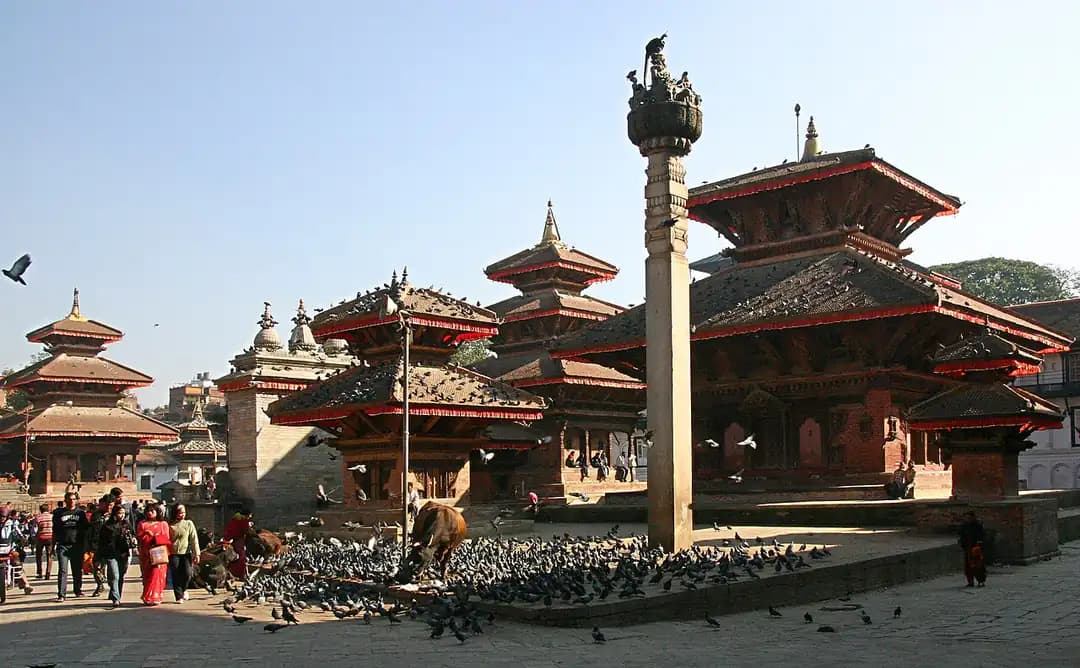
Nepal
Kathmandu isn't just a city; it's a living museum where the sacred and the chaotic collide. The air is thick with incense and diesel fumes, prayer flags snap in the wind above ancient stupas, and the constant hum of motorbikes forms the soundtrack to a deeply spiritual life. Here, you can lose yourself in the labyrinthine alleys of Thamel, bartering for trekking gear and Tibetan singing bowls, then find profound peace moments later while spinning prayer wheels with pilgrims at the colossal Boudhanath Stupa.
This is the cultural and logistical heart of Nepal, a city that holds seven UNESCO World Heritage Sites within its valley. From the funeral pyres burning openly at Pashupatinath Temple to the mischievous monkeys guarding the hilltop Swayambhunath, Kathmandu offers an unfiltered, sensory-rich immersion. It’s a city that challenges and charms in equal measure, serving as the essential gateway to the Himalayas while demanding your full attention with its own intense, ancient energy.
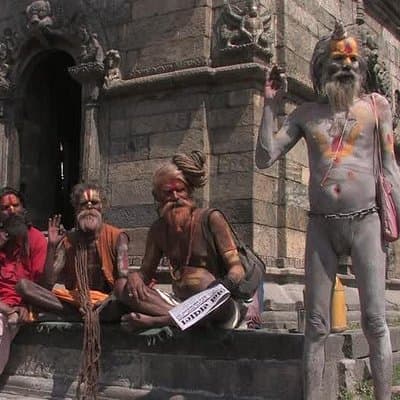
A Living Spiritual Epicenter: Witness profound Hindu and Buddhist rituals side-by-side. Observe cremation ceremonies on the Bagmati River at Pashupatinath, join pilgrims circling the massive mandala of Boudhanath Stupa, and feel the ancient power at Swayambhunath, the 'Monkey Temple,' overlooking the entire valley.
UNESCO World Heritage Density: Explore an unparalleled concentration of historic sites. The Kathmandu Valley contains seven UNESCO sites, including three ancient Durbar Squares (Kathmandu, Patan, Bhaktapur) showcasing exquisite Newari architecture, woodcarving, and pagoda temples.
The Ultimate Trekking Gateway: Organize your Himalayan adventure from the source. Thamel is the global hub for trekking agencies, gear rental shops, and permit offices for iconic routes like Everest Base Camp and the Annapurna Circuit, all while meeting fellow adventurers from around the world.
Vibrant Newari Culture & Architecture: Step back in time in the ancient city-states of the Newars. Wander the brick-paved streets of Bhaktapur or Patan Durbar Square, admire intricately carved wooden windows, and sample authentic Newari feasts like bara and chatamari.
An Explosion for the Senses: Embrace the beautiful chaos. From the colorful, crowded markets of Asan Tole to the serene garden of the Garden of Dreams, Kathmandu is a city of stark contrasts, offering constant surprises, vibrant street life, and incredible photo opportunities.
Incredible Value & Authenticity: Experience deep culture on a modest budget. Kathmandu offers superb value, from cheap, delicious street food like momos and dal bhat to affordable boutique guesthouses in heritage buildings, allowing for longer, more immersive stays.
Gotowy na odkrywanie Katmandu?
The frenetic, tourist-centric heart of Kathmandu, packed with shops, restaurants, and bars. It's a sensory overload of neon signs, trekking gear stores, and rooftop cafes, serving as the primary hub for travelers and adventurers.
Highlights:
Best for:
A calmer, spiritually charged neighborhood centered around the great Boudhanath Stupa. The area has a strong Tibetan Buddhist community, with monasteries, meditation centers, and quieter streets lined with craft shops and cafes.
Highlights:
Best for:
A separate, ancient city known as the 'City of Fine Arts,' famous for its stunning Durbar Square and traditional metalwork and woodcarving. It feels more relaxed and authentic than central Kathmandu.
Highlights:
Best for:
The historic core of the city, surrounding the old royal palace. This area is a maze of narrow alleys, local markets, and hidden courtyards, offering a more local and traditional urban experience.
Highlights:
Best for:
Wycieczki i bilety, które podróżni rezerwują najczęściej, z ocenami z Viator.
od 32 zł
Sprawdź dostępność
od 6305 zł
Sprawdź dostępność
od 30 zł
Sprawdź dostępność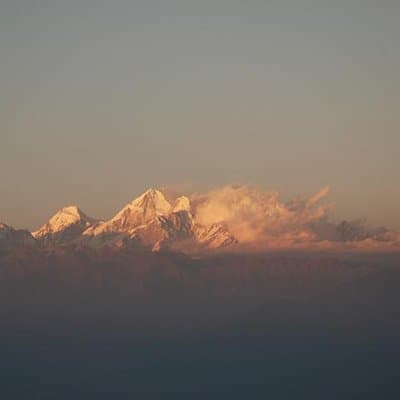
Wycieczki i ceny z Viator, firmy Tripadvisor. Ceny zależą od terminu. Możemy otrzymać prowizję, jeśli zarezerwujesz – bez dodatkowych kosztów dla Ciebie.
Kathmandu's food scene is a hearty blend of Nepali staples, Newari delicacies, and Tibetan influences, centered around rice, lentils, and vegetables. Street food is vibrant and essential, while the city also offers excellent international cuisine, especially in Thamel.
Eat with your right hand. It's the traditional way to enjoy dal bhat, and many locals believe it enhances the flavor.
Look for stalls with a crowd of locals—it's the best indicator of freshness and quality.
Many cafes offer strong Wi-Fi and power outlets, making them perfect workspaces for digital nomads.
Most traditional Nepali dal bhat is naturally vegetarian (and often vegan if you skip the ghee). Just ask for 'saag' (spinach) or other vegetable curries.
Spring (March to April) brings warm, dry days and clear skies before the monsoon. The valley is lush, and rhododendrons bloom in the surrounding hills.
Pros:
Cons:
Summer (May to September) is monsoon season, characterized by heavy, often daily rainfall, high humidity, and lush green landscapes.
Pros:
Cons:
Autumn (October to November) is the peak season, with post-monsoon crystal-clear air, stable sunny weather, and spectacular Himalayan vistas.
Pros:
Cons:
Winter (December to February) brings cold, crisp days and chilly nights. While the valley floor is dry, the mountains get snow, and morning fog is common.
Pros:
Cons:
Porównaj ceny pociągów, autobusów i lotów do Kathmandu
Wpisz miasto wyjazdu, aby zobaczyć ceny

45 min to 1 hour by taxi or local bus
A perfectly preserved medieval Newari city and a UNESCO World Heritage Site. Its Durbar Square is arguably the most magnificent in the valley, with fewer crowds and a more authentic atmosphere than Kathmandu's.
1.5 to 2 hours by taxi or bus
A popular hill station famous for its panoramic sunrise and sunset views over the Himalayas, including Mount Everest on a clear day. It's a peaceful escape from the city chaos.
1.5 hours by bus or taxi
A traditional Newari town offering stunning, wide-angle views of the Himalayas. It's less developed than Nagarkot, providing a more tranquil and culturally immersive experience.
Kathmandu is a very affordable destination by global standards, though costs in the main tourist hub of Thamel are higher than in local areas. Budget travelers can live very cheaply, while luxury options are also available.
Budget
€15-30 / $16-32 for budget travelers (dorm bed, street food, local transport)
per day
Mid-Range
€50-100 / $55-110 for mid-range (private room, restaurant meals, guided tours, taxis)
per day
Luxury
€150+ / $165+ for luxury (boutique hotels, fine dining, private drivers, spa treatments)
per day
A neoclassical historical garden hidden behind walls in the heart of the city, near Thamel.
It's a stunningly peaceful oasis of manicured lawns, fountains, and pavilions, offering a silent escape from the relentless noise and chaos just outside its gates.
A small, tranquil lake on the southern outskirts of the valley, steeped in mythology.
Believed to be the remnant of the ancient lake that once filled the Kathmandu Valley, it's a serene spot for birdwatching (especially in winter) and a glimpse of rural life, far from any tourist trail.
A Tibetan Buddhist monastery on a hill north of Boudha, offering courses and retreats.
Even if you don't take a course, visitors are welcome to explore the beautiful grounds, enjoy breathtaking views over the valley, and observe monks in debate or prayer in a profoundly peaceful setting.
A collection of workshops and factories, not a typical tourist estate.
Here you can see master metalworkers, stone carvers, and thangka painters creating exquisite art for temples and export. It's a chance to buy directly from the artisans at source prices.
A hilltop destination reached by Nepal's only cable car, southwest of Kathmandu.
It offers spectacular 180-degree views of the Himalayas, from Annapurna to Everest, a modern temple, and hiking trails, providing a mountain experience without the days of trekking.
Kathmandu's culture is a unique fusion of Hinduism and Buddhism, overlaid by the ancient Newari civilization. Rituals, festivals, and daily worship are deeply woven into the fabric of life. Respect for elders, family, and religious traditions is paramount.
Yes, almost all foreign nationals require a visa. You can obtain a visa on arrival at Tribhuvan International Airport or at land borders. It's also possible to apply online in advance for a 'Tourist Visa.' Fees vary by duration (15/30/90 days). Bring passport photos and cash (USD is preferred).
Kathmandu is generally very safe regarding violent crime. The main concerns are petty theft (keep bags secure in crowds), traffic accidents (be extremely careful crossing roads), and potential scams with taxis or fake trekking guides. Use common sense, as you would in any major city.
No, you should not drink tap water in Kathmandu. Always drink bottled, filtered, or boiled water. Many hotels provide filtered water. Avoid ice in drinks from questionable sources and peel fruits yourself.
The easiest way is at the airport arrivals hall. Providers like Ncell and Nepal Telecom have counters. You'll need your passport and a passport photo. A tourist SIM with data is inexpensive (around NPR 500-1000). Alternatively, buy one in any city shop.
You cannot get trekking permits independently as a foreigner. You must go through a registered trekking agency. They will arrange your TIMS (Trekkers' Information Management System) card and any necessary National Park permits (e.g., for Sagarmatha or Annapurna). This is a mandatory process.
Yes, English is widely spoken in tourist areas like Thamel, Boudha, and around major hotels and restaurants. In local markets and with taxi drivers, knowledge may be basic, but you can usually communicate. Learning a few Nepali phrases is greatly appreciated.
Pack layers! Include a scarf/mask for dust, comfortable walking shoes, a reusable water bottle, a power bank (for power cuts), hand sanitizer, sunscreen, and modest clothing for temple visits. If trekking, you can rent or buy almost all gear cheaply in Thamel.
Kathmandu itself is at 1,400m (4,600ft), so altitude sickness is not an issue here. However, if you are flying directly to Lukla (2,860m) for an Everest trek or taking a mountain flight, be aware of the symptoms of Acute Mountain Sickness (AMS) and ascend slowly.
Typowe dzienne koszty dla jednej osoby na podstawie średnich cen w kraju (Nepal).
| Budżetowo | Średnio | Komfortowo | |
|---|---|---|---|
| Nocleg (za noc) | 52 zł | 130 zł | 304 zł |
| Jedzenie i napoje (dziennie) | 22 zł | 52 zł | 109 zł |
| Zwiedzanie i atrakcje (dziennie) | 17 zł | 52 zł | 113 zł |
| Razem dziennie | 91 zł | 235 zł | 526 zł |
Szacunki nie obejmują lotów ani transportu dalekobieżnego. Porównaj dzienne koszty w różnych miastach
Hotele w pobliżu centrum (Katmandu), od budżetowych po luksusowe. Ceny to typowe stawki za noc w momencie naszego ostatniego sprawdzenia.
 Budżetowe
 Budżetowe
 Średnia klasa
 Średnia klasa
 Wyższy standard
 Wyższy standard
 Luksusowe
 Luksusowe
Ceny hoteli pochodzą z Traveloka, sprawdzone ostatnio 4 lutego 2026, i zmieniają się w zależności od terminu. Jeśli zarezerwujesz przez nasze linki, możemy otrzymać prowizję – bez dodatkowych kosztów dla Ciebie.
Pozwól AI stworzyć idealny plan podróży do Katmandu. Po prostu opisz, czego chcesz doświadczyć.
Zaplanuj podróż do Katmandu