Avila & Segovia Tour with Tickets to Monuments from Madrid
4.812 075 opinii9h
od 343 zł
Sprawdź dostępność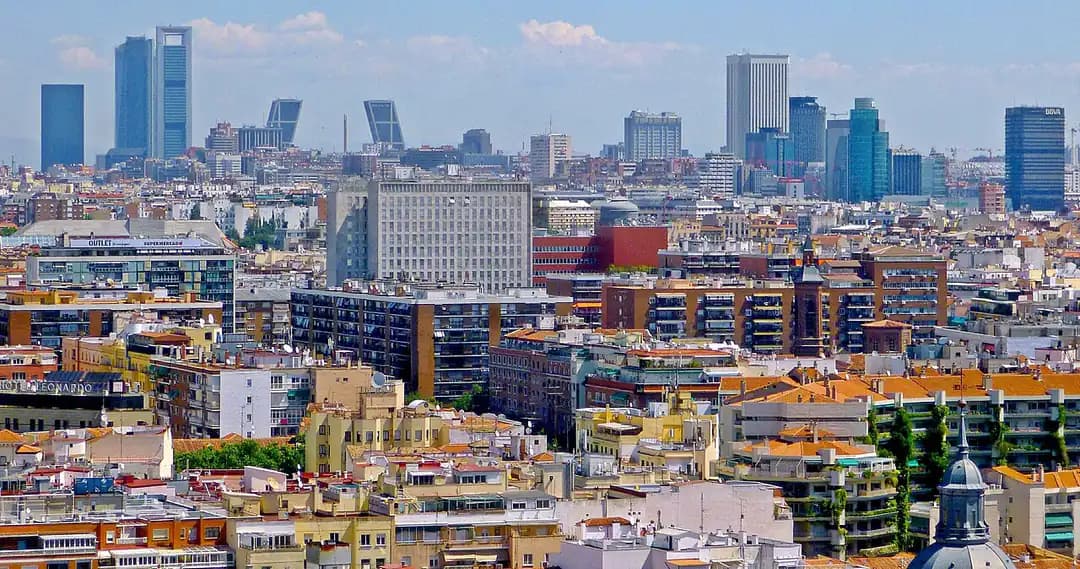
Spain
Madrid isn't just Spain's capital; it's a city that lives with a contagious, round-the-clock energy. While the Prado's Goyas and Reina Sofía's Guernica anchor its reputation as a world art capital, the real magic happens in the streets: the clatter of vermouth glasses on a Sunday afternoon in La Latina, the roar from the Bernabéu stadium, and the scent of churros con chocolate wafting from century-old cafés like San Ginés.
This is a city of grand, sun-drenched plazas like Plaza Mayor and the leafy sanctuary of Retiro Park, but also of intimate, winding lanes in neighborhoods like Malasaña. Madrid's rhythm is unique—lunch at 3 PM, dinner at 10 PM, and nights that stretch until dawn in flamenco tablaos and rooftop terraces. It’s a place where history, from the Habsburg architecture to Franco's legacy, is palpable, yet it constantly reinvents itself through avant-garde cuisine and cutting-edge design.
A World-Class Art Triangle: Beyond the Prado's Velázquez and Reina Sofía's Picasso, the Thyssen-Bornemisza completes the 'Golden Triangle of Art' with an unparalleled collection from Renaissance to Pop Art. For a modern twist, explore the CaixaForum's vertical garden or the Sorolla Museum, the artist's former home and studio.
The Epic Tapas & Vermouth Culture: Experience the authentic tapeo, hopping from bar to bar in Cava Baja or Huertas. Savor classics like jamón ibérico at Museo del Jamón, crispy fried calamari at El Brillante, and inventive modern bites at markets like Mercado de San Antón, always paired with a caña (small beer) or a vermut.
Vibrant, Diverse Neighborhoods: Each barrio has its own soul. Discover the indie boutiques and vintage bars of Malasaña, the upscale galleries and sushi bars of Salamanca, the traditional castizo (authentic Madrid) vibe of Lavapiés, and the literary history of the Barrio de las Letras.
Spectacular Urban Parks & Royal Grandeur: Escape to the 350-acre Retiro Park to row a boat on the lake or visit the stunning Palacio de Cristal. Then, contrast with the opulence of the Royal Palace of Madrid, Europe's largest functioning royal palace, and the adjacent Almudena Cathedral.
A Nightlife That Never Sleeps: Madrid truly comes alive after dark. Start with flamenco at Corral de la Morería, enjoy cocktails on a rooftop like Círculo de Bellas Artes, then dive into the legendary clubs of Kapital or the indie music scene in Malasaña. The metro even runs all night on weekends.
Football (Fútbol) Passion: Immerse yourself in the religion of Spanish football. Tour the iconic Santiago Bernabéu Stadium, home to Real Madrid, or visit the Wanda Metropolitano of Atlético de Madrid. Feel the city's pulse on match day at a local bar in Chueca or La Latina.
Gotowy na odkrywanie Madryt?
The historic heart of Madrid, known for its medieval streets, traditional taverns, and the epic Sunday El Rastro flea market. The vibe is authentically castizo (traditional Madrid) and relentlessly social, especially during the weekend tapeo (tapas crawl).
Highlights:
Best for:
The birthplace of the 1980s Movida Madrileña counterculture movement, now a hub of vintage shops, independent design stores, and quirky cocktail bars. It's bohemian, creative, and has a rebellious, youthful energy that lasts from day into night.
Highlights:
Best for:
Madrid's elegant and upscale district, characterized by grid-patterned streets lined with high-end fashion boutiques (on Calle Serrano), gourmet restaurants, and sophisticated art galleries. The atmosphere is polished, wealthy, and quietly luxurious.
Highlights:
Best for:
A multicultural and fiercely authentic neighborhood, known for its steep, winding streets, ethnic restaurants, and vibrant arts scene. It's edgy, diverse, and home to key cultural institutions like the Reina Sofía museum.
Highlights:
Best for:
Wycieczki i bilety, które podróżni rezerwują najczęściej, z ocenami z Viator.
od 343 zł
Sprawdź dostępność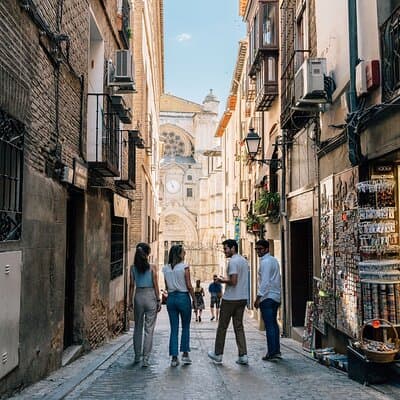
od 372 zł
Sprawdź dostępność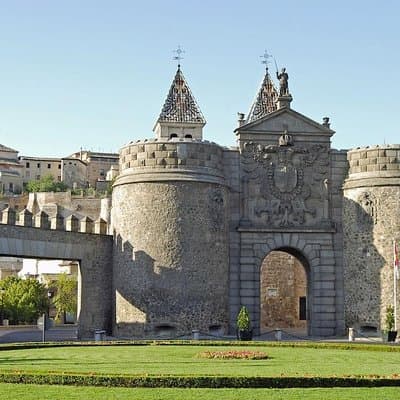
od 343 zł
Sprawdź dostępność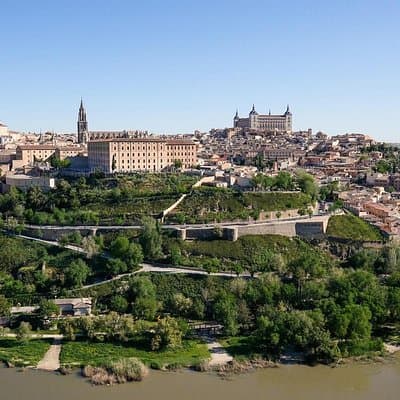
od 126 zł
Sprawdź dostępnośćWycieczki i ceny z Viator, firmy Tripadvisor. Ceny zależą od terminu. Możemy otrzymać prowizję, jeśli zarezerwujesz – bez dodatkowych kosztów dla Ciebie.
Madrid's food culture is a social, hearty affair centered around sharing. It's famous for its traditional, no-frills taverns serving classic cocido madrileño (stew) and bocadillos de calamares (fried squid sandwiches), but also boasts a thrilling modern gastronomy scene with innovative tapas and Michelin-starred temples.
Go early for lunch (around 1:30 PM) to get a table without a long wait, especially at famous spots.
Many modern tapas bars don't offer free tapas with drinks; you'll order specific raciones or smaller plates.
This is a typical breakfast or very late-night snack. Order 'un porción' (a portion of churros) and 'un chocolate' for dipping.
Markets are perfect for grazing. Buy a drink from one stall and food from another, then stand at a communal table.
Spring is arguably Madrid's finest season. Days are warm and sunny, parks like Retiro are in full bloom with roses and jasmine, and the city hosts major festivals like San Isidro.
Pros:
Cons:
Hot, dry, and sunny with intense heat, especially in July and August. The city empties as locals head to the coast, but comes alive at night with outdoor cinema, festivals, and terrace bars.
Pros:
Cons:
A return to pleasant temperatures and local life after summer. The light is golden, and the city is lively with cultural events. September and October are particularly lovely.
Pros:
Cons:
Crisp, cold, and often sunny, with occasional frosts. It's the low season for tourism, offering a more local experience. The Christmas lights and markets (especially Plaza Mayor) are magical.
Pros:
Cons:
Porównaj ceny pociągów, autobusów i lotów do Madrid
Wpisz miasto wyjazdu, aby zobaczyć ceny

33 min by high-speed AVE train from Atocha
The historic 'City of Three Cultures' (Christian, Jewish, Muslim), perched on a hill overlooking the Tagus River. A UNESCO site famed for its medieval architecture, El Greco masterpieces, and marzipan.
30 min by high-speed AVE train from Chamartín
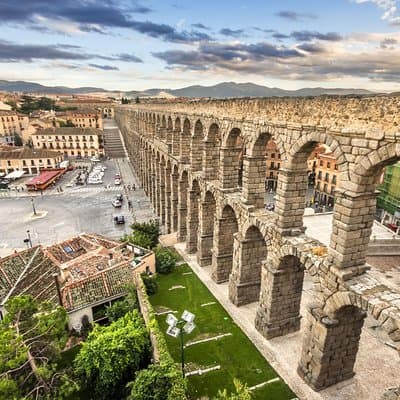
A stunning city known for its perfectly preserved Roman aqueduct, fairy-tale Alcázar (said to inspire Disney's castle), and Gothic cathedral. Famous for its succulent roast suckling pig (cochinillo).
1 hour by bus (664 or 661 from Moncloa) or 50 min by regional train
Visit the immense, austere Royal Monastery of San Lorenzo de El Escorial, a UNESCO World Heritage site and royal pantheon. Nearby is the controversial Valley of the Fallen, a monumental basilica and memorial.
Madrid is generally more affordable than other Western European capitals like Paris or London. Costs are manageable for budget travelers, but luxury options are plentiful. Food and drink, especially in traditional bars, offer great value.
Budget
€50-70 for budget travelers (hostel dorm, menu del día, free sights, public transport)
per day
Mid-Range
€100-180 for mid-range (private hotel room, sit-down meals, paid attractions, some taxis)
per day
Luxury
€250+ for luxury (5-star hotels, fine dining, private tours, premium experiences)
per day
The beautifully preserved former home and studio of the Valencian Impressionist painter Joaquín Sorolla, filled with his luminous works and tranquil gardens.
It offers an intimate, peaceful escape from the city bustle and a unique look into an artist's life, far from the crowds of the big museums.
A large public park in the San Blas district that transforms in late February/March with a stunning bloom of almond trees.
It's a local secret for a spectacular springtime photo opportunity, often missed by tourists who only visit Retiro.
A unique café in Malasaña where you pay for time (around €4 per hour) rather than per coffee, and all drinks and snacks are unlimited.
Perfect for digital nomads or travelers wanting to work or read for hours in a cool, bohemian setting without constantly ordering.
A sumptuous 19th-century palace-museum packed with the eclectic art and artifact collections of the Marquis of Cerralbo.
It feels like stepping into a time capsule of aristocratic life, with every room opulently decorated, and it's rarely crowded.
A former slaughterhouse complex in Arganzuela transformed into a vast, cutting-edge contemporary arts center with exhibitions, theatre, and a cool vibe.
It's a hub for Madrid's avant-garde cultural scene, located in a less-touristed area, offering a glimpse into the city's modern creative pulse.
Madrileño culture is famously lively, informal, and social. Life revolves around the street, the plaza, and the bar. There's a deep pride in the city's castizo traditions, but also a modern, open-minded, and progressive spirit. The pace is fast, but with a Mediterranean appreciation for leisure and conversation.
Yes, the historic city center (Centro) is extremely walkable, with major attractions like the Royal Palace, Plaza Mayor, Puerta del Sol, and the art museums all within a comfortable walking distance. For longer distances, the metro is efficient and easy to use.
While not essential, it is appreciated. In tourist areas, many people speak basic English, but learning a few key phrases (Hola, Gracias, Por favor, La cuenta) will go a long way. In local, non-touristy bars and shops, Spanish is predominant.
Walking is best for the center. For longer trips, the Metro is fast, clean, and comprehensive. The '10 Viajes' (10-trip) ticket is the most economical option for most visitors. Buses are also excellent for sightseeing above ground.
Madrid is generally a very safe city. Standard precautions apply: be aware of pickpockets in crowded tourist areas like Puerta del Sol, on the metro, and at El Rastro market. Violent crime against tourists is extremely rare.
Yes, tap water is perfectly safe to drink throughout Madrid. It comes from mountain reservoirs and is of high quality. Many locals and restaurants will serve bottled water, but asking for 'agua del grifo' (tap water) is acceptable.
Tipping is not expected as in the US. In restaurants, it's customary to round up the bill or leave small change (€1-5) for good service. In bars, leaving the small coins from your change is typical. Tipping taxi drivers is not common.
Madrileños tend to dress smartly, even casually. Avoid athletic wear or beach attire in the city center. Comfortable walking shoes are essential due to cobblestone streets. In summer, light clothing is needed, but bring a light jacket for cooler evenings.
Spain uses 230V voltage and Type C (two round pins) or Type F (two round pins with two earth clips) plugs. Travelers from the US, UK, and other regions will need a power adapter, and potentially a voltage converter for devices not supporting 230V.
Typowe dzienne koszty dla jednej osoby, od budżetowej po komfortową podróż.
| Budżetowo | Średnio | Komfortowo | |
|---|---|---|---|
| Nocleg (za noc) | 217 zł | 543 zł | 935 zł |
| Jedzenie i napoje (dziennie) | 65 zł | 139 zł | 270 zł |
| Zwiedzanie i atrakcje (dziennie) | 35 zł | 87 zł | 196 zł |
| Razem dziennie | 317 zł | 770 zł | 1400 zł |
Szacunki nie obejmują lotów ani transportu dalekobieżnego. Porównaj dzienne koszty w różnych miastach
Hotele w pobliżu centrum (Madryt), od budżetowych po luksusowe. Ceny to typowe stawki za noc w momencie naszego ostatniego sprawdzenia.
 Budżetowe
 Budżetowe
 Średnia klasa
 Średnia klasa
 Wyższy standard
 Wyższy standard
 Luksusowe
 Luksusowe
Ceny hoteli pochodzą z Traveloka, sprawdzone ostatnio 4 lutego 2026, i zmieniają się w zależności od terminu. Jeśli zarezerwujesz przez nasze linki, możemy otrzymać prowizję – bez dodatkowych kosztów dla Ciebie.
Popularne połączenia kolejowe, autobusowe i lotnicze z czasem podróży i cenami.
Pozwól AI stworzyć idealny plan podróży do Madryt. Po prostu opisz, czego chcesz doświadczyć.
Zaplanuj podróż do Madryt