
Dzienny budżet (średnia klasa)
1109 zł
Hotel za noc (średnia klasa)
674 zł
Najlepsze miesiące
Cze, Lip, Sie
Język · Waluta
Norwegian · Norwegian
Discover Oslo
Oslo isn't just a capital city; it's a gateway where urban sophistication meets untamed wilderness. You can spend your morning exploring the stark, emotional works of Edvard Munch at the new Munch Museum, then take a short ferry ride to the forested islands of the Oslofjord for an afternoon swim or hike, all within the city limits. This unique duality defines the Oslo experience, where cutting-edge architecture like the sloping marble roof of the Opera House is framed by vast, accessible forests perfect for foraging berries or cross-country skiing.
The city's compact center is a treasure trove of history and design. Wander from the medieval Akershus Fortress, which has guarded the harbor for 700 years, to the contemporary art galleries of the trendy Vulkan district in under 30 minutes. Oslo's commitment to sustainability and quality of life is palpable, from its extensive network of electric ferries and bicycles to its world-class, yet deeply personal, museums dedicated to Viking longships and polar exploration. It's a city that feels both profoundly historic and excitingly forward-thinking.
Why Visit Oslo?
1
Unparalleled Urban-Nature Fusion: Hike or ski in the Nordmarka forest, accessible by metro from the city center, or island-hop via public ferry to Hovedøya for swimming and exploring medieval ruins, all without leaving the city.
2
A Design and Architecture Powerhouse: Experience Nordic minimalism firsthand at the Astrup Fearnley Museum of Modern Art, stroll across the iconic, walkable roof of the Oslo Opera House, and explore the innovative, eco-friendly buildings of the Barcode Project.
3
Deep Viking and Maritime Heritage: Stand face-to-face with the incredibly preserved Oseberg and Gokstad Viking ships at the Viking Ship Museum on Bygdøy, and delve into Thor Heyerdahl's Kon-Tiki expedition at the nearby Fram Museum.
4
A World-Class Museum Scene in a Compact Area: From the hauntingly powerful 'The Scream' at the Munch Museum to the thought-provoking Nobel Peace Center and the sprawling, open-air Norwegian Museum of Cultural History, Oslo's museums are dense with world-renowned collections.
5
A Sustainable and Livable City Model: Experience the 'friluftsliv' (open-air life) philosophy by joining locals for a picnic in Frogner Park or a kayak trip on the fjord, and navigate the city easily via its extensive electric public transport network.
6
Unique Seasonal Charms: Enjoy endless summer days with midnight sun vibes from the rooftop of the Opera House, or embrace the cozy 'koselig' winter atmosphere with hot chocolate at a café after visiting the Christmas markets at Spikersuppa.
Oslo jest Znane z
Viking heritage
fjords
Nordic design
outdoor activities
sustainability
Gotowy na odkrywanie Oslo?
Oslo Neighborhoods
Frogner
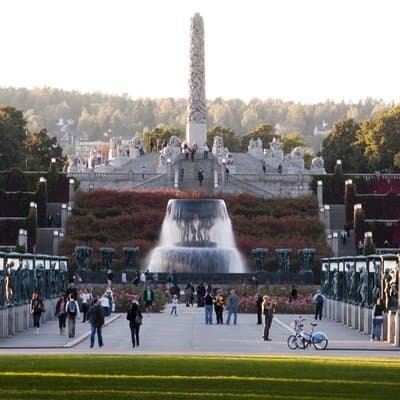
An elegant, upscale district known for its beautiful architecture, high-end shopping, and serene green spaces. It's home to the famous Vigeland Sculpture Park and offers a quieter, more residential feel while still being close to the city center.
Highlights:
Vigeland Sculpture Park
Frogner Park
Frogner Manor (Frogner Hovedgård)
Bygdøy Allé (designer shopping street)
Best for:
Art and sculpture lovers
Luxury shoppers
Families
Those seeking a peaceful stay
Grünerløkka
The city's hipster heart, brimming with creativity, vintage shops, independent boutiques, and a vibrant nightlife. Once an industrial worker's district, it's now lined with trendy cafes, street art, and lively bars along the Akerselva River.
Highlights:
Mathallen Oslo (indoor food hall)
Akerselva River walk
Olaf Ryes Plass (popular park/square)
Birkelunden Park
Best for:
Young travelers
Foodies
Nightlife seekers
Vintage shopping enthusiasts
Aker Brygge & Tjuvholmen
A modern waterfront development with a sleek, contemporary vibe. This area features chic apartments, high-end restaurants, the Astrup Fearnley Museum, and a popular boardwalk perfect for strolling with views of the fjord and fortress.
Highlights:
Aker Brygge boardwalk
Astrup Fearnley Museum
Tjuvholmen Sculpture Park
Fjord views and boat tours
Best for:
Design and architecture fans
Fine dining seekers
Couples
Enjoying waterfront views
Gamle Oslo & Grünerløkka's East
A historically rich and rapidly evolving area encompassing the trendy Vulkan neighborhood and the up-and-coming Sørenga. It mixes industrial heritage with innovative food scenes, new residential projects, and cultural hubs like the Oslo Opera House.
Highlights:
Oslo Opera House
Vulkan area (Mathallen, cinema)
Sørenga Sjøbad (seawater pool)
Bicycle lift to Ekebergparken
Best for:
Modern architecture buffs
Food hall explorers
Swimmers and sunbathers
Urban explorers
Główne Atrakcje
1
Viking Ship Museum2
Oslo Opera House3
Vigeland Sculpture Park4
Munch Museum5
Akershus Fortress6
Oslo FjordNajpopularniejsze wycieczki i atrakcje – Oslo
Wycieczki i bilety, które podróżni rezerwują najczęściej, z ocenami z Viator.
Guided Sightseeing Cruise on Oslofjord by Premium Silent Boat
4.7874 opinie2h
od 248 zł
Sprawdź dostępność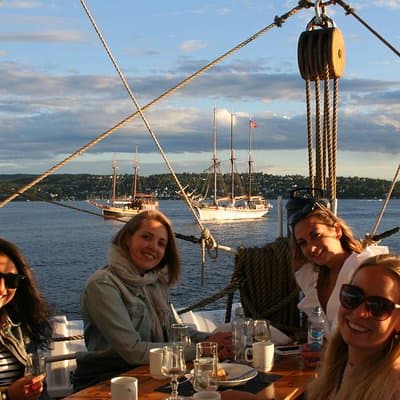
Co robić – Oslo →
Wycieczki i ceny z Viator, firmy Tripadvisor. Ceny zależą od terminu. Możemy otrzymać prowizję, jeśli zarezerwujesz – bez dodatkowych kosztów dla Ciebie.
Local Tips & Insider Knowledge
- •Download the Ruter app for all public transport tickets (bus, tram, metro, ferry). It's the easiest way to pay and plan journeys, and tickets are valid across all modes.
- •Tap water in Oslo is some of the cleanest and best-tasting in the world. Bring a reusable bottle and fill up for free anywhere – it's better than most bottled water.
- •For the best view of the city and fjord for free, walk up the sloping marble roof of the Oslo Opera House. It's designed for public access.
- •Take advantage of the 'Oslo Pass' if you plan to visit multiple museums and use public transport. It includes entry to over 30 attractions and can save significant money.
- •Many museums are closed on Mondays. Always check opening hours online before you go, especially outside the peak summer season.
- •Norwegians are generally reserved but very helpful. A simple, direct question is better than small talk with strangers.
- •Alcohol is very expensive in bars and restaurants due to high taxes. Consider enjoying a drink at a 'utepils' (outdoor beer) in a park with a purchase from a supermarket.
- •The metro (T-bane) line 1 to Frognerseteren is a scenic attraction in itself, taking you deep into the Nordmarka forest from the city center in about 30 minutes.
- •Most shops close early on Saturdays (around 4-5 PM) and are completely closed on Sundays, except for some convenience stores and kiosks.
- •Don't just visit the main Vigeland Sculpture Park. Explore the surrounding Frogner Park, which includes a historic manor, rose garden, and large public swimming pool.
Oslo Food Scene
Oslo's food scene has undergone a dramatic transformation, moving far beyond traditional fare to embrace New Nordic cuisine with a focus on local, seasonal, and foraged ingredients. While you can still find classic dishes, the city is now a hub for innovative restaurants, bustling food halls, and exceptional coffee culture.
Must-Try Dishes
Gravlaks (cured salmon)
Rakfisk (fermented trout)
Kjøttkaker (Norwegian meatballs)
Brunost (brown cheese)
Vafler (waffles with sour cream and jam)
Fresh berries (cloudberries, lingonberries)
New Nordic Fine Dining
- • Maaemo (3 Michelin stars)
- • Statholdergaarden (1 Michelin star)
- • Restaurant Kontrast
Book reservations months in advance, especially for Maaemo. These are multi-course tasting menu experiences.
Traditional & Classic
- • Engebret Café (oldest restaurant in Oslo)
- • Schrøder (classic 'kro' pub)
- • Fiskeriet Youngstorget for fish & chips
For an authentic 'kjøttkaker' experience, go to a traditional 'kro' (inn) like Schrøder.
Food Halls & Street Food
- • Mathallen Oslo (Vulkan)
- • Vulkan Street Food
- • Vippa (waterfront food hall)
Mathallen Oslo is the most established, offering everything from Norwegian seafood to international cuisine under one roof.
Coffee & Pastries
- • Fuglen (coffee and cocktails)
- • Tim Wendelboe (world champion barista)
- • Baker Hansen for 'skillingsboller' (cinnamon bun)
Norwegians are serious about coffee. Independent micro-roasteries are the norm, not the exception.
Popularne Wśród
nature lovers
design enthusiasts
outdoor adventurers
families
Best Time to Visit Oslo
Spring
Spring (April-May) sees the city awakening from winter. Days lengthen rapidly, trees blossom, and outdoor cafes begin to fill up, though the weather can be unpredictable with occasional rain and cool temperatures.
Pros:
- + Fewer tourists
- + Lower prices for accommodation
- + Beautiful blooming flowers in parks like Frogner
Cons:
- - Fjord water is still very cold for swimming
- - Unpredictable weather (rain/sun mix)
- - Some attractions may have shorter hours
Summer
Summer (June-August) is peak season, with long, bright days (up to 19 hours of daylight in June), pleasant temperatures averaging around 22°C, and a lively, festive atmosphere. This is the time for fjord swimming, hiking, and outdoor festivals.
Pros:
- + Best weather for outdoor activities
- + Midnight sun-like evenings
- + All attractions, ferries, and tours are fully operational
Cons:
- - Highest prices for flights and hotels
- - Largest crowds at major sights
- - Need to book everything well in advance
Autumn
Autumn (September-October) brings stunning fall foliage, especially in the surrounding forests. The air turns crisp, cultural season kicks into high gear, and the summer crowds dissipate.
Pros:
- + Beautiful autumn colors in Nordmarka
- + Cultural events and new museum exhibitions start
- + Moderate crowds and prices
Cons:
- - Days get noticeably shorter
- - Weather becomes cooler and rainier
- - Outdoor swimming season ends
Winter
Winter (November-March) is cold, dark, and magical. Snow blankets the city, creating perfect conditions for cross-country skiing in the forests right from the metro. It's the season for cozy 'koselig' moments, Christmas markets, and seeing the city illuminated.
Pros:
- + Winter sports accessible from the city
- + Charming Christmas markets (Nov-Dec)
- + Few tourists and a unique, cozy atmosphere
Cons:
- - Very short daylight hours (as little as 6 hours)
- - Temperatures often below freezing, can be -2°C or colder
- - Some outdoor attractions and ferries have limited operations
Znajdź tani transport do Oslo
Porównaj ceny pociągów, autobusów i lotów do Oslo
Pociąg
Autobus
Lot
Wpisz miasto wyjazdu, aby zobaczyć ceny
Obsługiwane przez
Day Trips from Oslo
Drammen
35 min by train
A revitalized city known for its spectacular Spiralen tunnel, a unique helical road leading to a panoramic viewpoint, and the impressive Ypsilon footbridge. It's a great example of modern Norwegian urban development.
The Spiralen (Spiral Tunnel) to Bragernes Hill
Ypsilon Footbridge
Drammen Museum
Drammen River Park
Drøbak
1 hour by bus or 1.5 hours by ferry
A picturesque, traditional coastal town on the Oslofjord, often called Oslo's Christmas town. It's famous for its charming wooden houses, narrow streets, and the historic Oscarsborg Fortress.
Oscarsborg Fortress (where the WWII cruiser Blücher was sunk)
Drøbak's main street with quirky shops
The Norwegian Christmas House (Julehuset)
Swimming from the small-town beaches
Hønefoss & Tyrifjorden
1 hour by train
Gateway to the larger Tyrifjord lake and the surrounding Ringerike region, offering dramatic nature, waterfalls right in the town center, and opportunities for hiking and cycling in a less-touristed area.
Hønefoss Waterfall in the town center
Tyrifjorden lake for kayaking or boat trips
Kistefos Museum and The Twist sculpture gallery
Hiking in nearby forests
Oslo Budget Guide
Oslo is consistently ranked as one of the most expensive cities in the world for visitors. Budgeting carefully is essential, but the high cost is often matched by high quality in services, food, and attractions.
Budget
€80-120 per day for budget travelers (hostel dorm, supermarket meals, limited paid attractions, walking/public transport)
per day
Mid-Range
€150-250 per day for mid-range (private hotel room, meals at casual restaurants, several paid attractions, some taxis)
per day
Luxury
€350+ per day for luxury (boutique/design hotels, fine dining, private tours, premium experiences)
per day
Money-Saving Tips
- •The Oslo Pass can provide significant savings if you visit 2-3 museums in a day.
- •Eat your main meal at lunch ('lunsj') when many restaurants offer cheaper set menus.
- •Stay in accommodation with kitchen facilities to prepare some meals yourself.
- •Alcohol is a major budget-killer; limit bar visits or buy from state-run Vinmonopolet stores.
- •Walking, cycling, and using the excellent public transport system is much cheaper than taxis.
Oslo Hidden Gems
Ekebergparken Sculpture Park
A vast hillside park southeast of the center, combining a forest setting with a world-class collection of modern and contemporary sculpture.
It offers stunning, less-crowded views over the city and fjord, and features works by artists like Salvador Dalí and Marina Abramović, all in a peaceful natural setting.
Sørenga Sjøbad
A public seawater bathing area in the new Sørenga district, with floating docks, pools, and a sandy beach.
It's a fantastic spot for a swim with a unique view of the Opera House and Akershus Fortress, popular with locals but often missed by tourists.
Vår Frelsers Gravlund (Our Savior's Cemetery)
A historic and beautifully peaceful cemetery in the heart of Gamle Oslo.
It's the resting place of famous Norwegians like Edvard Munch and Henrik Ibsen, and is more like a serene, sculptural park than a typical graveyard.
Damstredet & Telthusbakken
Two adjacent, cobblestone streets lined with colorful, preserved wooden houses from the 18th and 19th centuries.
They offer a picture-perfect glimpse of old Oslo, feeling like a village within the city, and are just a short walk from the bustling Grünerløkka.
The Deichman Library, Bjørvika
The stunning main public library, an architectural marvel with a dramatic angular design, opened in 2020.
Beyond its incredible architecture, it's a vibrant community hub with a cinema, gaming rooms, workshops, and a rooftop terrace with great views, completely free to enter.
Oslo Culture & Customs
Norwegian culture in Oslo is underpinned by 'Janteloven' (the Law of Jante), a social ethos emphasizing humility, equality, and collectivism. This manifests in a reserved but polite and trusting society, with a deep, almost sacred, connection to nature known as 'friluftsliv' (open-air life). Sustainability and functional design are core values visible everywhere.
Cultural Etiquette
- •Respect personal space; avoid loud conversations on public transport.
- •Always remove your shoes when entering someone's home.
- •Punctuality is highly valued for both social and business engagements.
- •Tipping is not expected, as service charges are included, but rounding up the bill or leaving 5-10% for exceptional service is appreciated.
- •Be patient and orderly when queuing; Norwegians value fairness and taking turns.
Useful Phrases
Takk - Thank you(Tahk)
Unnskyld - Excuse me / Sorry(Oon-shuld)
Hei - Hello / Hi(Hi)
Ha det - Goodbye(Hah deh)
Friluftsliv - Open-air life / outdoor recreation(Free-loofts-liv)
Koselig - Cozy, warm, pleasant (a key Norwegian concept)(Koosh-lee)
Frequently Asked Questions about Oslo
Is Oslo very expensive?
Yes, Oslo is one of the most expensive cities in the world for visitors. However, smart planning can help: use public transport, consider the Oslo Pass, eat lunch specials, and stay in accommodations with kitchen facilities. The high cost is generally reflected in high quality and wages.
Do I need to speak Norwegian?
No. English proficiency in Norway is among the highest in the world. Virtually everyone in Oslo, from museum staff to bus drivers, speaks excellent English. Learning a few basic Norwegian phrases like 'takk' (thank you) is appreciated as a courtesy.
How do I get from the airport to the city center?
The fastest way is the Flytoget express train (19 mins, 230 NOK). For a cheaper option, take the Vy regional train (23 mins, 114 NOK) from the same airport station. Both go directly to Oslo Central Station (Oslo S). Avoid taxis due to very high cost.
What is the best way to get around Oslo?
Oslo is very walkable in the center. For longer distances, the integrated public transport system (Ruter) is excellent. Download the Ruter app to buy tickets and plan journeys covering buses, trams, metro, local trains, and ferries. A single ticket is valid across all modes for its time period.
Can I see the Northern Lights in Oslo?
It is very rare to see the Northern Lights (Aurora Borealis) from Oslo due to light pollution and its southern latitude. For a reliable chance to see them, you need to travel much further north, to places like Tromsø or the Lofoten Islands, especially in winter.
What should I pack for a summer visit?
Pack layers. Summer days can be warm (up to 25°C) but evenings are cool. Always include a waterproof jacket, comfortable walking shoes, and a sweater. Also pack swimwear for the fjord and sunglasses for the long, bright days.
Is the Oslo Pass worth it?
The Oslo Pass is worth it if you plan to visit several paid attractions in a short time and use public transport. Calculate your planned entry fees and transport costs for the day versus the pass price (e.g., 24-hour adult pass is 445 NOK). It includes free entry to over 30 museums and free public transport.
What are the must-visit museums?
The absolute essentials are the Viking Ship Museum (currently closed for renovation, check for reopening), the Munch Museum, the Fram Museum, and the Norwegian Museum of Cultural History (Folkemuseum). The Vigeland Sculpture Park is also a must-see and is free, as is walking on the roof of the Opera House.
Oslo Trasy
Przewodniki Podróżne



Porównaj z Innymi Miastami
Ile kosztuje podróż: Oslo?
Typowe dzienne koszty dla jednej osoby, od budżetowej po komfortową podróż.
| Budżetowo | Średnio | Komfortowo | |
|---|---|---|---|
| Nocleg (za noc) | 283 zł | 674 zł | 1130 zł |
| Jedzenie i napoje (dziennie) | 139 zł | 283 zł | 500 zł |
| Zwiedzanie i atrakcje (dziennie) | 61 zł | 152 zł | 326 zł |
| Razem dziennie | 483 zł | 1109 zł | 1957 zł |
Szacunki nie obejmują lotów ani transportu dalekobieżnego. Porównaj dzienne koszty w różnych miastach
Gdzie się zatrzymać: Oslo
Hotele w pobliżu centrum (Oslo), od budżetowych po luksusowe. Ceny to typowe stawki za noc w momencie naszego ostatniego sprawdzenia.
 Budżetowe
 Budżetowe
 Średnia klasa
 Średnia klasa
 Wyższy standard
 Wyższy standard
 Luksusowe
 Luksusowe
Ceny hoteli pochodzą z Traveloka, sprawdzone ostatnio 4 lutego 2026, i zmieniają się w zależności od terminu. Jeśli zarezerwujesz przez nasze linki, możemy otrzymać prowizję – bez dodatkowych kosztów dla Ciebie.
Podróże po kilku miastach: Norwegia
Dojazd i wyjazd: Oslo
Popularne połączenia kolejowe, autobusowe i lotnicze z czasem podróży i cenami.
Przyjazd: Oslo
Wyjazd: Oslo
Zaplanuj swoją przygodę w Oslo
Pozwól AI stworzyć idealny plan podróży do Oslo. Po prostu opisz, czego chcesz doświadczyć.
Zaplanuj podróż do Oslo