Reykjavik Food Walk - Local Foodie Adventure in Iceland
5.021 381 opinii3h
od 575 zł
Sprawdź dostępność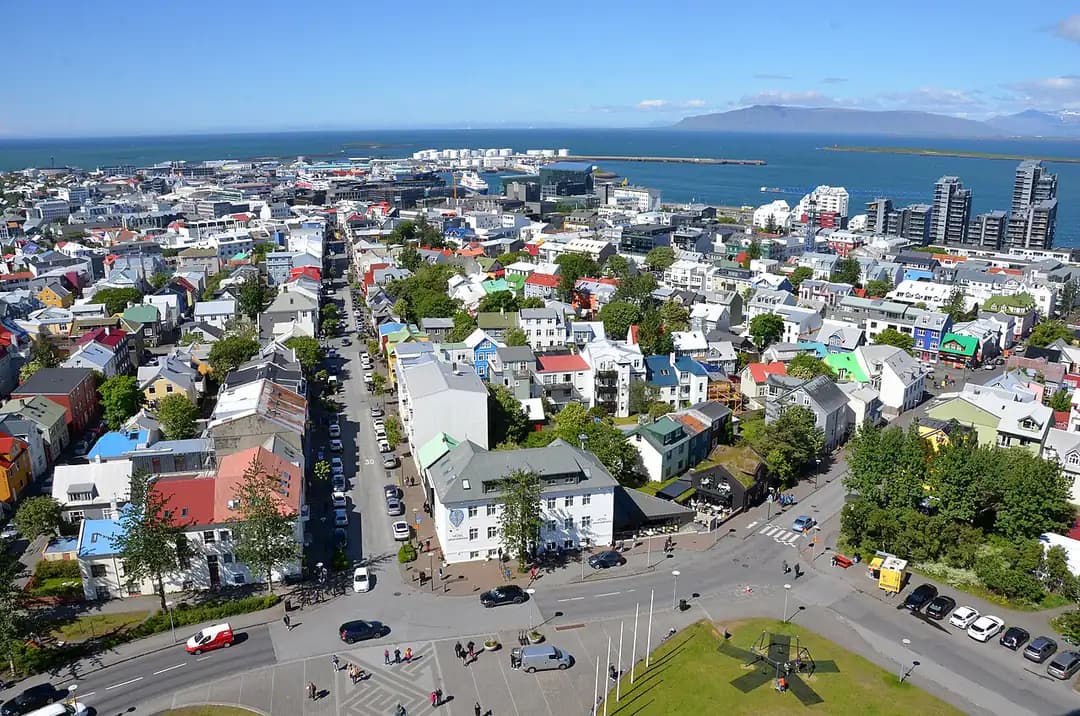
Iceland
Reykjavik isn't just a city; it's a vibrant, creative outpost perched on the edge of the Arctic. Its compact, colorful center is a canvas of corrugated iron houses, world-class street art, and the ever-present scent of geothermal steam from the nearby hot springs. Here, you can soak in the Sky Lagoon's dramatic infinity pool overlooking the Atlantic, then wander past the striking, basalt-columned facade of Harpa Concert Hall, a testament to the city's modern architectural ambition.
This is a city of contrasts, where you can spend the morning exploring Viking history at the Settlement Exhibition and the afternoon browsing cutting-edge Icelandic design on Laugavegur. As the gateway to Iceland's raw, elemental landscapes, Reykjavik offers the perfect blend of urban culture and easy access to adventures, whether you're chasing the Northern Lights in winter or embarking on a Golden Circle tour to see geysers and waterfalls. The city's energy is palpable, fueled by a renowned music scene and a famously lively weekend nightlife that starts late and goes on under the midnight sun or starry skies.
Gateway to Epic Nature: Reykjavik is your launchpad for Iceland's iconic landscapes. From here, you can easily day-trip to the Golden Circle (Þingvellir, Geysir, Gullfoss), the South Coast's waterfalls and black sand beaches, or even take a boat from the Old Harbour to see whales and puffins.
Geothermal Culture: Experience the Icelandic ritual of 'going to the pool.' Beyond the famous Blue Lagoon, join locals at community pools like Laugardalslaug or indulge in the luxurious ocean-edge spa experience at the Sky Lagoon, a cornerstone of daily life.
World-Class Arts & Design: Discover a powerhouse of creativity, from the stunning modern architecture of Harpa to the expressive street art in the Grandi harbour district. Explore galleries showcasing Icelandic artists and shop for unique woolens, ceramics, and jewelry on Laugavegur.
Northern Lights Capital: From September to March, Reykjavik offers one of the world's most accessible urban bases for Aurora hunting. Join a guided tour from the city for the best chance to see the mesmerizing green waves dance across the sky.
Vibrant Food & Drink Scene: Dive into a culinary revolution that celebrates local ingredients. Feast on fresh langoustine at the Old Harbour, try innovative New Nordic cuisine, or sample traditional lamb soup and the infamous fermented shark (hákarl) for the brave.
Unique Urban Vibe in a Small Package: Enjoy the walkable charm of a small town with the cultural offerings of a capital. Experience the cozy 'hygge'-like atmosphere of its cafes, the late-night energy of its bars on a 'rúntur' (pub crawl), and the friendly, English-speaking locals.
Gotowy na odkrywanie Reykjavík?
The historic and cultural heart of Reykjavik, centered around Lake Tjörnin. This is where you'll find the iconic Hallgrímskirkja church, the main shopping street Laugavegur, and a dense concentration of cafes, restaurants, and bars. The vibe is bustling, tourist-friendly, and full of energy.
Highlights:
Best for:
A formerly industrial port area transformed into a trendy cultural district. The Old Harbour is the departure point for whale watching and Northern Lights boat tours, while Grandi is packed with innovative museums, design shops, and some of the city's best seafood restaurants.
Highlights:
Best for:
A green, family-friendly district whose name means 'Hot Spring Valley.' It's home to the city's largest geothermal swimming complex, a beautiful botanical garden, and a sprawling park with a zoo. The vibe is relaxed, local, and recreational.
Highlights:
Best for:
A charming, upscale residential area just north of the city center, known for its beautiful old wooden houses, quiet streets, and high-end boutiques. It offers a peaceful retreat with easy walking access to downtown's attractions and excellent dining options.
Highlights:
Best for:
Wycieczki i bilety, które podróżni rezerwują najczęściej, z ocenami z Viator.
od 575 zł
Sprawdź dostępność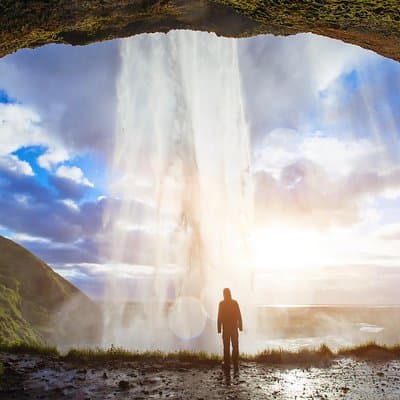
od 500 zł
Sprawdź dostępność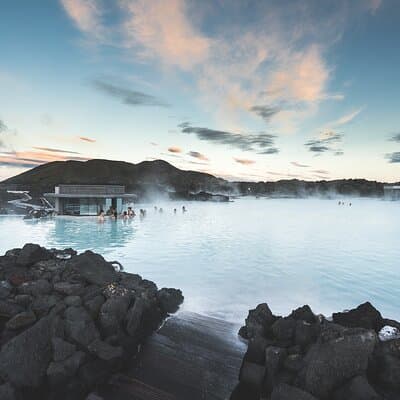
od 1021 zł
Sprawdź dostępność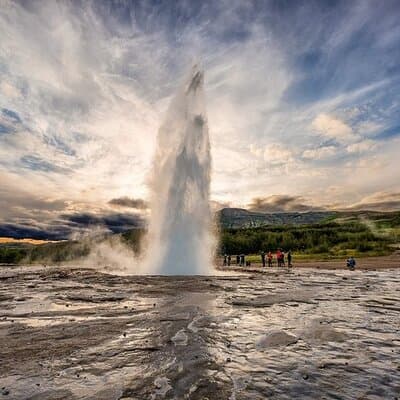
Wycieczki i ceny z Viator, firmy Tripadvisor. Ceny zależą od terminu. Możemy otrzymać prowizję, jeśli zarezerwujesz – bez dodatkowych kosztów dla Ciebie.
Reykjavik's food scene has exploded from its roots in preserved fish and lamb into a world-class destination for fresh, inventive cuisine. The focus is on hyper-local, sustainable ingredients: free-range lamb, skyr, wild berries, and an incredible array of seafood pulled straight from the cold North Atlantic waters.
Lunch is often the best time to try traditional dishes at more affordable prices.
Book reservations weeks, if not months, in advance for the most sought-after restaurants.
The Old Harbour area is your best bet for the freshest catch, often landed just meters away.
Food halls like Hlemmur Mathöll and Grandi Mathöll offer fantastic variety and are great for groups.
April and May see the snow melt, days rapidly lengthen, and nature awaken. It's a shoulder season with unpredictable weather swings.
Pros:
Cons:
The peak season with the Midnight Sun, endless daylight, and the warmest (though still cool) temperatures. The city is lively and green.
Pros:
Cons:
September and October bring stunning fall colors, dramatic skies, and the return of the Northern Lights. The weather turns cooler and stormier.
Pros:
Cons:
A magical time of short days, long nights, snow-dusted streets, and the prime Aurora Borealis season. It's cold but often less windy than autumn.
Pros:
Cons:
Porównaj ceny pociągów, autobusów i lotów do Reykjavik
Wpisz miasto wyjazdu, aby zobaczyć ceny

Approx. 4-6 hours by car or guided tour
Iceland's most famous route, encompassing three spectacular natural wonders in a relatively compact loop from Reykjavik. It's the perfect introduction to the country's geological power.
Approx. 8-10 hours by car or guided tour
A journey past some of Iceland's most iconic and dramatic landscapes, including powerful waterfalls, glacier tongues, and a haunting black sand beach.
Approx. 10-12 hours by car or guided tour
Often called 'Iceland in Miniature,' this dramatic peninsula features a stratovolcano, lava fields, charming fishing villages, and rugged coastal cliffs.
Reykjavik and Iceland are notoriously expensive for travelers, primarily due to the high cost of importing goods and high local wages. Careful planning is essential to manage costs.
Budget
€80-120 per person (hostel dorm, self-catering, public transport, free sights)
per day
Mid-Range
€180-300 per person (private room/guesthouse, couple of meals out, paid tours, car rental)
per day
Luxury
€400+ per person (boutique hotel, fine dining, private tours, luxury experiences)
per day
A small, peaceful island just a 10-minute ferry ride from the Old Harbour, featuring hiking trails, historic buildings, and the Imagine Peace Tower.
It offers stunning panoramic views of Reykjavik and Mount Esja, a complete escape from the city bustle, and is home to Yoko Ono's memorial to John Lennon, illuminated in winter.
A quirky, tiny museum located in a former public toilet underground on Laugavegur, dedicated to Iceland's vibrant punk rock history.
It's a hilarious and authentically gritty deep dive into a surprisingly influential music scene, curated by a punk legend. It's cheap, quick, and utterly unique.
A man-made geothermal beach where a lagoon of warm seawater is created, allowing for ocean swimming even in cooler weather.
It's a fantastic local spot to experience the 'beach' in Iceland. You can take a dip in the warm lagoon, then brave a quick plunge into the cold Atlantic if you're feeling bold.
A hip, vegan cafe and record store on Hverfisgata, known for its excellent plant-based food, coffee, and curated vinyl collection.
It embodies Reykjavik's cool, creative side perfectly. Even non-vegans rave about the food, and the atmosphere is a genuine slice of local hipster culture.
The main city library located at Tryggvagata 15, near the harbor. It's a modern, multi-level space that's much more than just books.
It's a wonderful, warm place to relax for free. You'll find locals of all ages, a great cafe, art exhibitions, and stunning harbor views from the upper floors—a true community hub.
Icelandic culture is rooted in a deep connection to nature, a rich literary heritage (they publish more books per capita than any nation), and a modern, progressive, and egalitarian society. There's a strong sense of community and a creative, independent spirit evident in everything from music to design.
No, it's largely unnecessary. Iceland is almost entirely cashless. Credit and debit cards (especially with a PIN) are accepted everywhere, even for tiny purchases like a hot dog or bus ticket. You can withdraw a small amount of cash from an ATM if desired.
Iceland is consistently ranked one of the safest countries in the world. Violent crime is extremely rare. The primary dangers are natural: unpredictable weather, powerful waves on beaches like Reynisfjara, and treacherous driving conditions in winter. Always respect weather and safety warnings.
Sometimes, if the Aurora is very strong and the skies are clear. However, light pollution significantly reduces your chances. For the best experience, book a guided tour that takes you away from city lights to a dark sky location, greatly increasing your odds of a spectacular sighting.
Pack for all seasons regardless of the time of year. Essentials include a waterproof and windproof jacket, waterproof pants, warm layers (fleece, wool), sturdy waterproof hiking shoes, swimsuit (for pools/lagoons), hat, gloves, and sunglasses (for summer sun and winter glare off snow).
Two full days is ideal to explore the city itself at a relaxed pace. However, most visitors use Reykjavik as a base for day trips. A 5-7 day itinerary allows for 2 days in the city and 3-4 days for exploring the Golden Circle, South Coast, and/or Snæfellsnes Peninsula.
It's a unique and iconic experience, but it's also a large, commercialized spa. If you want a more luxurious, intimate, and design-focused lagoon with an ocean view, consider the Sky Lagoon in Reykjavik. For a local, budget-friendly experience, visit one of the city's geothermal pools like Laugardalslaug.
Yes, virtually everyone speaks fluent English. It's taught from a young age, and you will have no language barrier whatsoever with service staff, guides, or most locals. Learning a few basic Icelandic phrases is appreciated as a courtesy but not necessary.
Icelandic hot dogs (pylsur) are a national obsession. They're made from lamb, pork, and beef, and are typically served with raw white onions, crispy fried onions, ketchup, sweet brown mustard (pylsusinnep), and remoulade. The most famous stand is Bæjarins Beztu by the harbour, but they're delicious everywhere.
Typowe dzienne koszty dla jednej osoby, od budżetowej po komfortową podróż.
| Budżetowo | Średnio | Komfortowo | |
|---|---|---|---|
| Nocleg (za noc) | 304 zł | 717 zł | 1217 zł |
| Jedzenie i napoje (dziennie) | 148 zł | 304 zł | 543 zł |
| Zwiedzanie i atrakcje (dziennie) | 65 zł | 165 zł | 348 zł |
| Razem dziennie | 517 zł | 1187 zł | 2109 zł |
Szacunki nie obejmują lotów ani transportu dalekobieżnego. Porównaj dzienne koszty w różnych miastach
Hotele w pobliżu centrum (Reykjavík), od budżetowych po luksusowe. Ceny to typowe stawki za noc w momencie naszego ostatniego sprawdzenia.
 Budżetowe
 Budżetowe
 Średnia klasa
 Średnia klasa
 Wyższy standard
 Wyższy standard
 Luksusowe
Ceny hoteli pochodzą z Traveloka, sprawdzone ostatnio 4 lutego 2026, i zmieniają się w zależności od terminu. Jeśli zarezerwujesz przez nasze linki, możemy otrzymać prowizję – bez dodatkowych kosztów dla Ciebie.
Popularne połączenia kolejowe, autobusowe i lotnicze z czasem podróży i cenami.
Pozwól AI stworzyć idealny plan podróży do Reykjavík. Po prostu opisz, czego chcesz doświadczyć.
Zaplanuj podróż do Reykjavík