The Best Private Sacred Valley Tour in Cusco ( with Pisac)
5.0233 opinie8h
od 552 zł
Sprawdź dostępność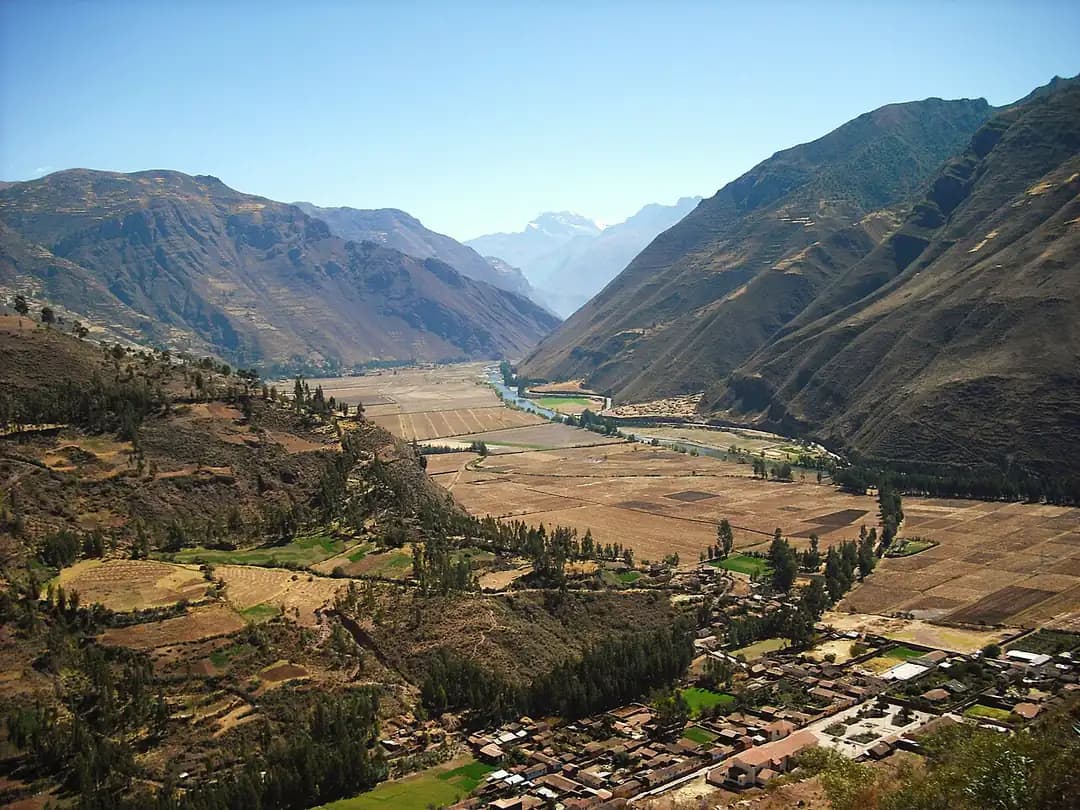
Peru
The Sacred Valley of the Incas is far more than just a scenic route to Machu Picchu. This fertile river basin, cradled by the Andes, was the agricultural and spiritual heartland of the Inca Empire. Its strategic location, lower altitude, and temperate climate made it a vital center for cultivation, defense, and worship, leaving behind a landscape dense with monumental ruins, living indigenous communities, and terraced mountainsides that continue to tell the story of a sophisticated civilization.
Today, the valley offers a profound immersion into both ancient history and vibrant Andean culture. You can explore the colossal stone terraces of Ollantaytambo's fortress, wander through the labyrinthine ruins of Pisac perched high above the valley, and witness the ingenious agricultural experiments at Moray. Beyond the archaeology, the valley thrums with life in its colorful markets like Pisac and Chinchero, where Quechua is spoken and traditional textiles are woven, and in the surreal, centuries-old Maras salt mines, where thousands of pans cascade down a mountainside.
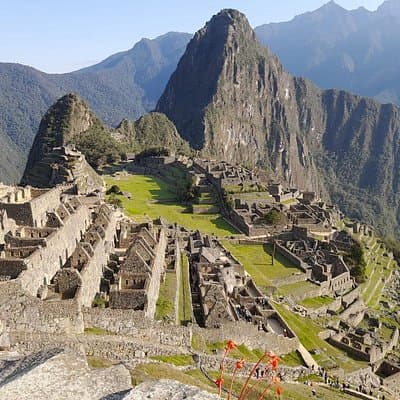
Walk in the footsteps of the Incas at monumental archaeological sites. Explore the living Inca town of Ollantaytambo, with its original cobblestone streets and massive temple-fortress. Hike the extensive agricultural and ceremonial terraces of Pisac, which offer breathtaking valley views.
Immerse yourself in authentic Andean culture at traditional markets. Bargain for handwoven alpaca textiles and vibrant crafts at the famous Pisac Market. Visit Chinchero on a Sunday to experience a more local market and see master weavers demonstrate ancient techniques.
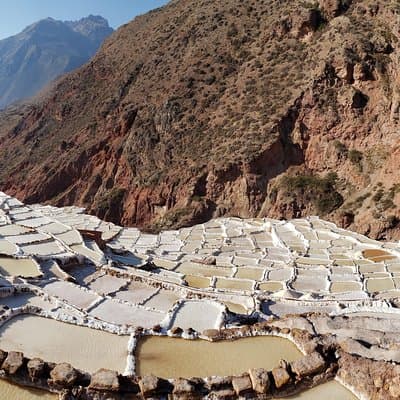
Witness unique and surreal landscapes shaped by ancient ingenuity. See the concentric circular terraces of Moray, believed to be an Inca agricultural laboratory. Explore the thousands of pre-Columbian salt pans at Maras, which have been harvested since Inca times, creating a stunning mosaic on the hillside.
Enjoy a gentler altitude for acclimatization. At elevations around 2,800m, the valley is significantly lower than Cusco (3,400m), making it the perfect place to adjust to the Andes while exploring, reducing the risk of altitude sickness before heading to higher points.
Experience the vibrant gateway to Machu Picchu. The town of Ollantaytambo is the starting point for the scenic train journey to Aguas Calientes. Spending a night here allows for an early, less crowded train ride to the iconic citadel.
Engage in world-class outdoor adventures beyond hiking. The valley is a hub for mountain biking along ancient trails, white-water rafting on the Urubamba River, and embarking on lesser-known trekking routes like the Lares Trek, which passes through remote Quechua villages.
Gotowy na odkrywanie Święta Dolina Inków?
Famous for its massive hilltop Inca ruins and its sprawling, colorful artisan market. The town below has a relaxed, bohemian vibe with many cafes and yoga retreats, attracting travelers who want to combine culture with tranquility.
Highlights:
Best for:
The commercial and transportation hub of the valley, less touristy than other towns. It's a practical base with excellent hotels and restaurants, offering a more local feel and easy access to all major valley sites.
Highlights:
Best for:
A living Inca town with original cobblestone streets, canals, and dwellings still in use. It's a bustling, historic gateway with a dramatic fortress looming overhead and the train station for Machu Picchu.
Highlights:
Best for:
A high-altitude weaving village known for its spectacular views, Sunday market, and impressive colonial church built atop Inca foundations. The atmosphere is deeply traditional and less commercialized.
Highlights:
Best for:
Wycieczki i bilety, które podróżni rezerwują najczęściej, z ocenami z Viator.
od 552 zł
Sprawdź dostępność
od 433 zł
Sprawdź dostępność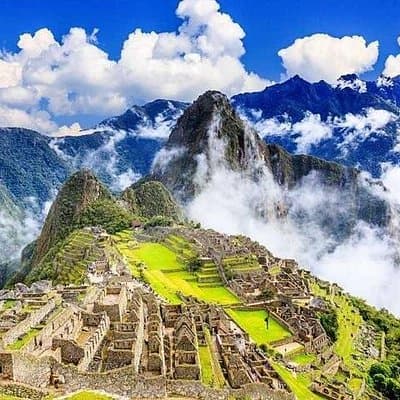
od 347 zł
Sprawdź dostępnośćWycieczki i ceny z Viator, firmy Tripadvisor. Ceny zależą od terminu. Możemy otrzymać prowizję, jeśli zarezerwujesz – bez dodatkowych kosztów dla Ciebie.
Sacred Valley cuisine is a hearty blend of ancient Inca ingredients and Spanish influences, centered on locally grown potatoes, corn, quinoa, and river trout. Meals are fortifying, designed for life in the high Andes, and often cooked in traditional clay pots.
Pachamanca is often a large, celebratory dish; ask if a smaller portion is available or go with a group.
Eat at busy stalls with high turnover to ensure freshness. Carry hand sanitizer.
Reservations are recommended for dinner at these popular, higher-end establishments.
These are great spots for breakfast, a light lunch, or to use reliable Wi-Fi while planning your day.
September to November marks the spring shoulder season. The landscape is green from the departing dry season, crowds are thinner, and temperatures are pleasant, though rain begins to increase in November.
Pros:
Cons:
December to March is the rainy summer season. Days are warm with frequent, heavy afternoon rains and lush, vibrant landscapes. This is the low season for tourism.
Pros:
Cons:
April and May are the autumn months, transitioning from wet to dry. The rains taper off, leaving clear skies and verdant landscapes. It's an excellent, uncrowded time to visit.
Pros:
Cons:
June to August is the dry winter season, the peak tourist period. Days are sunny and clear with intense sun, but nights are very cold, especially at higher elevations. Rainfall is rare.
Pros:
Cons:
Porównaj ceny pociągów, autobusów i lotów do Sacred Valley
Wpisz miasto wyjazdu, aby zobaczyć ceny

1.5-2 hours by train from Ollantaytambo, plus 20-min bus
The iconic 15th-century Inca citadel, a UNESCO World Heritage Site and one of the New Seven Wonders of the World. It's a non-negotiable pilgrimage from the Sacred Valley, showcasing breathtaking architecture harmonized with a dramatic mountain ridge.
1-1.5 hours by car or colectivo from Urubamba
The historic capital of the Inca Empire, now a vibrant colonial city built atop Inca foundations. It offers world-class museums, stunning Spanish churches, and a dynamic atmosphere of restaurants and nightlife.
40 min by car from Urubamba, often done as a half-day tour
A fascinating duo of sites showcasing Inca ingenuity. Moray features mysterious concentric agricultural terraces, while nearby Maras is a stunning hillside of thousands of pre-Hispanic salt evaporation ponds.
The Sacred Valley is generally more affordable than Cusco or Machu Picchu, but costs vary widely between basic hostels and luxury resorts. Daily expenses are moderate, with food and local transport being quite cheap.
Budget
$30-50 per day for hostels, market meals, and colectivo transport
per day
Mid-Range
$80-150 per day for comfortable hotels, restaurant meals, and guided tours
per day
Luxury
$250+ per day for high-end resorts, fine dining, and private drivers
per day
A lesser-known but significant Inca archaeological site perched on a plateau above the town of Lamay.
It requires a beautiful 3-4 hour hike or horse ride to reach, offering stunning valley views and ruins with far fewer visitors than the major sites, feeling like a personal discovery.
While the ruins close in the afternoon, the view of the terraces from across the valley is spectacular at dusk.
Find a spot along the road between Pisac town and Taray as the sun sets; the warm light illuminates the vast agricultural terraces, creating a magical, crowd-free photographic opportunity.
A community-based biocultural heritage area near Pisac, managed by six Quechua communities.
It's a living museum of biodiversity, conserving over 1,300 native potato varieties. Visitors can take guided tours to learn about potato cultivation, Andean cosmology, and community life in a deeply authentic setting.
A scenic hike near the village of Socma leads to an Inca site and a beautiful, cascading waterfall.
This half-day trek is rarely crowded and combines archaeology with natural beauty. You'll see the small but impressive Inca outpost of Perolniyoc before reaching the refreshing waterfall, perfect for a peaceful picnic.
A quiet, traditional market town less frequented by tourists, located between Pisac and Urubamba.
It offers hot medicinal springs (Baños Termales de Machacancha), a local market without the souvenir crowds, and a more genuine glimpse into everyday life in the valley away from the main tourist circuit.
The Sacred Valley is a stronghold of Quechua culture, where ancient traditions coexist with modern life. Respect for the earth (Pachamama) is central, and many communities maintain a subsistence lifestyle based on agriculture and weaving. Catholicism is practiced, but often blended with pre-Columbian beliefs.
Yes, but the valley (avg. 2,800m) is significantly lower than Cusco (3,400m), making it an ideal place to start your trip. Spend your first 2-3 nights here to adjust gently. Drink plenty of water, avoid heavy meals and alcohol initially, and consider coca tea.
While day trips are common, staying 2-3 nights in the valley is highly recommended. This allows for deeper exploration of multiple sites at a relaxed pace, better acclimatization, and the chance to experience the valley's atmosphere in the quieter mornings and evenings.
The most flexible options are hiring a private driver/guide for a day or using taxis for specific journeys. For budget travelers, 'colectivos' (shared vans) are efficient and cheap for routes between main towns. Organized tours are good for covering the major highlights in one day.
Peruvian Soles (PEN) are essential for markets, small restaurants, taxis, and colectivos. Some hotels and higher-end restaurants accept US dollars and credit cards, but always carry cash. ATMs are available in Urubamba and Ollantaytambo.
No, do not drink tap water. Always drink bottled or filtered water. Many hotels provide filtered water dispensers. Use bottled water for brushing your teeth and avoid ice in drinks from unknown sources to prevent stomach issues.
Guides are not mandatory but are highly valuable for understanding the history, architecture, and significance of sites like Ollantaytambo, Pisac, and Moray. You can hire licensed guides at the entrance of most major sites for a reasonable fee.
Pack layers! Days can be warm and sunny, but nights are cold year-round. Essentials include a sun hat, strong sunscreen, sunglasses, a reusable water bottle, broken-in hiking shoes, a rain jacket (especially Nov-Apr), and a warm fleece or jacket for evenings.
Book as far in advance as possible, especially during the peak dry season (June-August) and for the early morning departures. Trains can sell out weeks or even months ahead. You must also secure your Machu Picchu entrance ticket with a specific entry time.
Typowe dzienne koszty dla jednej osoby na podstawie średnich cen w kraju (Peru).
| Budżetowo | Średnio | Komfortowo | |
|---|---|---|---|
| Nocleg (za noc) | 87 zł | 217 zł | 457 zł |
| Jedzenie i napoje (dziennie) | 39 zł | 87 zł | 174 zł |
| Zwiedzanie i atrakcje (dziennie) | 26 zł | 78 zł | 183 zł |
| Razem dziennie | 152 zł | 383 zł | 813 zł |
Szacunki nie obejmują lotów ani transportu dalekobieżnego. Porównaj dzienne koszty w różnych miastach
Hotele w pobliżu centrum (Święta Dolina Inków), od budżetowych po luksusowe. Ceny to typowe stawki za noc w momencie naszego ostatniego sprawdzenia.
 Budżetowe
 Budżetowe
 Średnia klasa
 Wyższy standard
 Wyższy standard
Ceny hoteli pochodzą z Traveloka, sprawdzone ostatnio 4 lutego 2026, i zmieniają się w zależności od terminu. Jeśli zarezerwujesz przez nasze linki, możemy otrzymać prowizję – bez dodatkowych kosztów dla Ciebie.
Pozwól AI stworzyć idealny plan podróży do Święta Dolina Inków. Po prostu opisz, czego chcesz doświadczyć.
Zaplanuj podróż do Święta Dolina Inków