Excursion to Finisterre + Muxia + Costa da Morte (7 stops)
4.81768 opinii9h 15m
od 226 zł
Sprawdź dostępność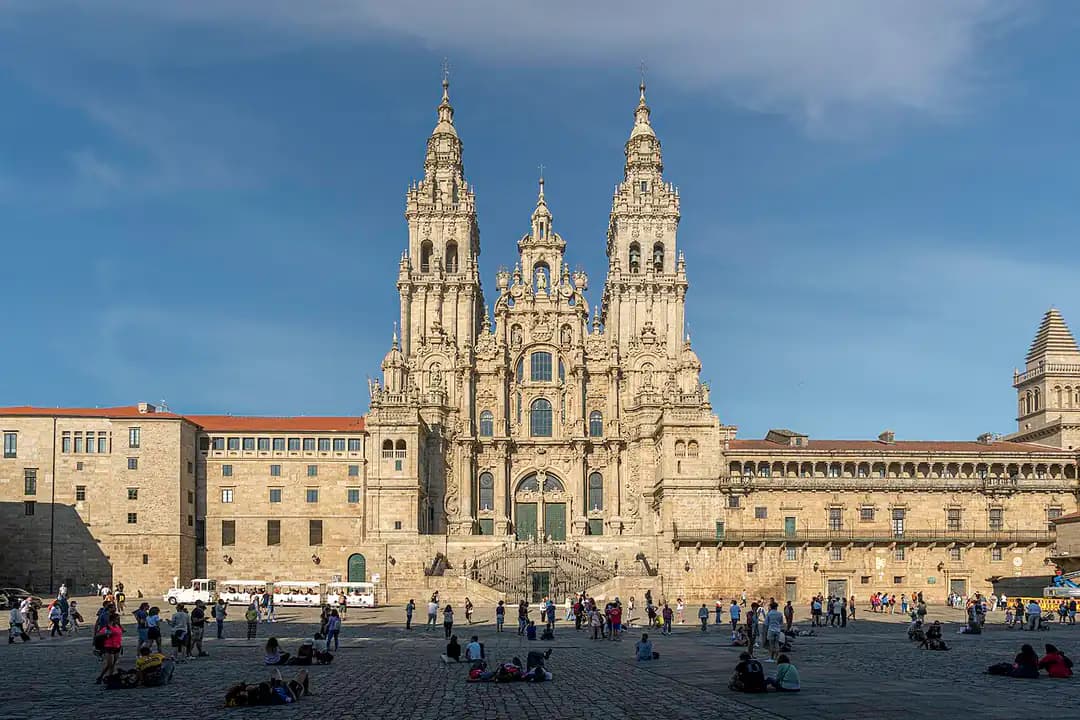
Spain
Santiago de Compostela isn't just a destination; it's the culmination of a thousand-year journey. The moment you step into Praza do Obradoiro and see the cathedral's Baroque facade towering above pilgrims who've walked for weeks, you understand this is a city of arrivals and transformations. The sound of bagpipes (gaitas) echoes through stone arcades, the scent of pulpo á feira (octopus) drifts from taverns, and everywhere you see the scallop shell symbol guiding travelers to the tomb of Saint James.
Beyond the spiritual magnetism, Santiago reveals itself through intimate details: the damp sheen on granite streets after a morning rain, the hidden Romanesque cloister of San Martín Pinario monastery, and the lively banter at Mercado de Abastos where vendors sell percebes (goose barnacles) and tetilla cheese. This is a city where medieval pilgrims' hostels now house boutique hotels, where university students debate in Plaza de Cervantes, and where every evening at 7:30 PM, the Botafumeiro—a massive incense burner—swings through the cathedral's transept in a breathtaking ritual of smoke and motion.
Experience the living pilgrimage tradition at the Cathedral of Santiago de Compostela, where you can attend the Pilgrim's Mass, see the Portico of Glory masterpiece, and hug the statue of Saint James behind the main altar—a ritual dating back centuries.
Explore one of Europe's best-preserved medieval centers, a UNESCO World Heritage site with hidden plazas like Praza da Quintana (divided between 'Quintana of the Dead' and 'Quintana of the Living'), underground archaeological excavations, and over 500 granite buildings.
Immerse yourself in Galician culture through its unique cuisine: feast on fresh seafood at Mercado de Abastos, try traditional tapas (called pinchos) in the Rúa do Franco taverns, and sample albariño wine in centuries-old bodegas.
Discover the city's dual identity as both spiritual capital and vibrant university town, where ancient pilgrim hostels neighbor modern art galleries and where traditional gaita music mixes with contemporary jazz in venues like Café Derby.
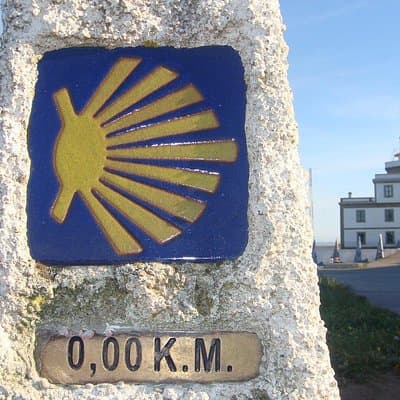
Walk through history along the final kilometers of the Camino de Santiago, following the iconic scallop shell markers through eucalyptus forests into the old city—an experience accessible even to short-term visitors via marked routes from Monte do Gozo.
Experience unique festivals like the Apostle Festival (July 15-31) with fireworks over the cathedral, or the lesser-known Entroido (Carnival) where locals wear handmade masks and parade through the foggy streets.
Gotowy na odkrywanie Santiago de Compostela?
The medieval heart of Santiago and UNESCO World Heritage site, where every cobblestone street tells a pilgrim's story. This labyrinth of granite buildings, hidden courtyards, and Romanesque churches maintains an almost mystical atmosphere, especially when the morning mist settles between the arcades.
Highlights:
Best for:
The elegant 19th-century expansion built outside the medieval walls, characterized by broad boulevards, modernist architecture, and sophisticated shopping. This area connects the old city with the university campuses and offers a more contemporary Galician experience.
Highlights:
Best for:
The traditional neighborhood just north of the old city walls, known for its authentic local vibe, smaller plazas, and proximity to the final Camino routes. Here you'll find fewer tourists and more everyday Santiago life, with neighborhood bars and artisan workshops.
Highlights:
Best for:
A residential area along the Sar River with green spaces and historical significance, once home to a psychiatric hospital that pioneered humane treatment. Today it's a peaceful escape with riverside walks and important cultural sites.
Highlights:
Best for:
Wycieczki i bilety, które podróżni rezerwują najczęściej, z ocenami z Viator.
od 226 zł
Sprawdź dostępność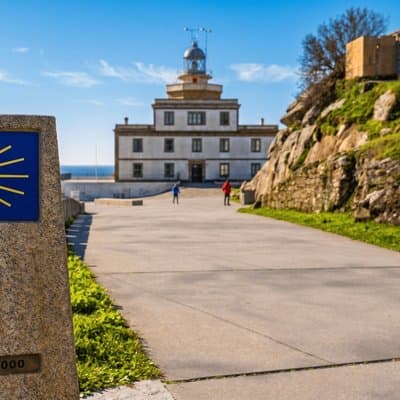
od 226 zł
Sprawdź dostępność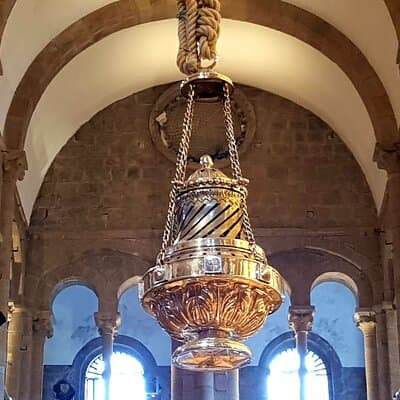
od 204 zł
Sprawdź dostępnośćWycieczki i ceny z Viator, firmy Tripadvisor. Ceny zależą od terminu. Możemy otrzymać prowizję, jeśli zarezerwujesz – bez dodatkowych kosztów dla Ciebie.
Galician cuisine in Santiago revolves around exceptional seafood from the nearby Atlantic, hearty peasant dishes perfect for pilgrims, and unique dairy products. The city maintains a tradition of 'tapeo'—moving between bars for small plates and drinks, particularly along the famous Rúa do Franco.
Eat standing at the bar like locals—it's often cheaper and you'll get served faster.
Go between 1-3 PM for lunch when the seafood is freshest and kitchens are fully staffed.
Book at least a week ahead for dinner—these popular spots fill quickly.
Look for 'ración' instead of 'ración individual'—it's meant for sharing and better value.
Spring brings mild temperatures (12-18°C) and the countryside bursts with wildflowers along the Camino routes. The city comes alive after winter but before the peak summer pilgrim rush.
Pros:
Cons:
Warm but rarely hot (average 22°C) with long daylight hours until 10 PM. This is peak pilgrimage season with thousands arriving daily and major festivals taking place.
Pros:
Cons:
Mist-covered mornings give way to golden afternoons as temperatures cool (10-20°C). The grape harvest begins and the last pilgrims of the season arrive.
Pros:
Cons:
Quiet and atmospheric with temperatures around 10°C and frequent rain. The city feels medieval again, with fog swirling around stone buildings and few tourists.
Pros:
Cons:
Porównaj ceny pociągów, autobusów i lotów do Santiago de Compostela
Wpisz miasto wyjazdu, aby zobaczyć ceny

1.5 hours by car
A dramatic Atlantic coastline named for its treacherous waters that have claimed countless ships. This wild, less-developed region offers stunning cliffs, fishing villages, and the westernmost point of mainland Spain.
1 hour by car or bus
Galicia's famous flooded river valleys creating fjord-like estuaries, known for pristine beaches, vineyard-covered hillsides, and historic towns. The heart of albariño wine production.
1 hour by train or car
Home to the only complete Roman walls still standing in the world, this UNESCO city offers a different perspective on Galician history with its thermal baths and Roman heritage.
Santiago is moderately priced compared to other Spanish cities, with pilgrim infrastructure keeping budget options available. Costs are highest during summer pilgrimage season and around July 25 Apostle Festival.
Budget
€40-60 for pilgrims/hostels, market meals, and walking
per day
Mid-Range
€80-120 for private rooms, restaurant meals, and museum entries
per day
Luxury
€200+ for parador hotels, fine dining, and private guides
per day
A 12th-century Romanesque church with visibly leaning columns and arches, built on unstable ground near the Sar River.
The dramatic tilt of its architecture (more pronounced than Pisa) creates unique photo opportunities, and it's rarely crowded despite being just 15 minutes walk from cathedral.
A small natural spring fountain tucked behind the Faculty of Geography and History building.
Locals believe drinking from this fountain ensures you'll return to Santiago—it's a charming ritual unknown to most tourists.
A peaceful walking path following the Sarela River through green areas just west of the old town.
You'll see historic water mills, local gardens, and possibly otters, all while feeling miles from the city despite being 10 minutes from cathedral.
The often-overlooked first floor of the main food market with small restaurants and cooking workshops.
Watch the market action from above while eating at Mariscomanía, and sometimes catch free cooking demonstrations of Galician dishes.
A beautiful 19th-century cemetery designed as a romantic garden, with elaborate tombs and tree-lined avenues.
It's a peaceful, artistic space showcasing Galician funerary art, and offers unexpected views back toward the cathedral spires.
Santiago's culture blends deep Catholic traditions with Celtic influences, university energy, and a profound connection to the land and sea. The Galician language (galego) is proudly spoken alongside Spanish, and there's a strong sense of regional identity. Life moves at a deliberate pace, with emphasis on community, food, and conversation.
Not at all. While many visitors are pilgrims, Santiago functions as a complete destination with rich history, cuisine, and culture independent of the Camino. You can fully experience the cathedral, old town, museums, and food scene without having walked a single kilometer.
The Compostela is awarded to pilgrims who walk at least 100km or cycle 200km to Santiago for spiritual or religious reasons. Collect stamps in your Credencial along the way, then present it at the Pilgrim's Office (Rúa Carretas). Tourists walking shorter distances can get a different certificate called the 'Certificate of Welcome.'
Extremely safe. The city has very low crime rates, even at night. Basic precautions like watching your bag in crowded areas are sufficient. The main risks are slippery cobblestones when wet and traffic in areas where cars are permitted.
Layers are essential due to changeable weather. Comfortable walking shoes with good grip for cobblestones are mandatory. Bring a waterproof jacket year-round. For cathedral visits, avoid shorts and sleeveless tops (shoulders should be covered).
Two full days is ideal: one for the cathedral and old town, another for museums, parks, and food exploration. Add a third day if you want to walk part of the Camino or take a day trip. Pilgrims often stay 2-3 nights to rest and process their journey.
Yes, but tourist visits are restricted during Mass. The main Pilgrim's Mass is at 12:00 PM daily, with additional services. You can attend as a worshipper but cannot walk around visiting different parts. Check the cathedral website for the daily schedule.
In tourist areas, hotels, and restaurants, yes. In local markets and smaller establishments, basic Spanish or Galician is helpful. Younger people and university students generally speak some English. Learning a few Galician phrases is appreciated.
Walk the final 5km from Monte do Gozo (take bus #6), join a guided day walk on the last stage from Arca, or visit one of the nearby pilgrimage sites like the Monastery of San Martín Pinario. Many tour operators offer 'Camino experiences' that include walking the most scenic sections.
Typowe dzienne koszty dla jednej osoby na podstawie średnich cen w kraju (Spain).
| Budżetowo | Średnio | Komfortowo | |
|---|---|---|---|
| Nocleg (za noc) | 174 zł | 435 zł | 739 zł |
| Jedzenie i napoje (dziennie) | 65 zł | 139 zł | 270 zł |
| Zwiedzanie i atrakcje (dziennie) | 35 zł | 87 zł | 196 zł |
| Razem dziennie | 274 zł | 661 zł | 1204 zł |
Szacunki nie obejmują lotów ani transportu dalekobieżnego. Porównaj dzienne koszty w różnych miastach
Hotele w pobliżu centrum (Santiago de Compostela), od budżetowych po luksusowe. Ceny to typowe stawki za noc w momencie naszego ostatniego sprawdzenia.
 Budżetowe
 Budżetowe
 Średnia klasa
 Średnia klasa
 Wyższy standard
 Wyższy standard
 Luksusowe
 Luksusowe
Ceny hoteli pochodzą z Traveloka, sprawdzone ostatnio 4 lutego 2026, i zmieniają się w zależności od terminu. Jeśli zarezerwujesz przez nasze linki, możemy otrzymać prowizję – bez dodatkowych kosztów dla Ciebie.
Popularne połączenia kolejowe, autobusowe i lotnicze z czasem podróży i cenami.
Pozwól AI stworzyć idealny plan podróży do Santiago de Compostela. Po prostu opisz, czego chcesz doświadczyć.
Zaplanuj podróż do Santiago de Compostela