When to Visit
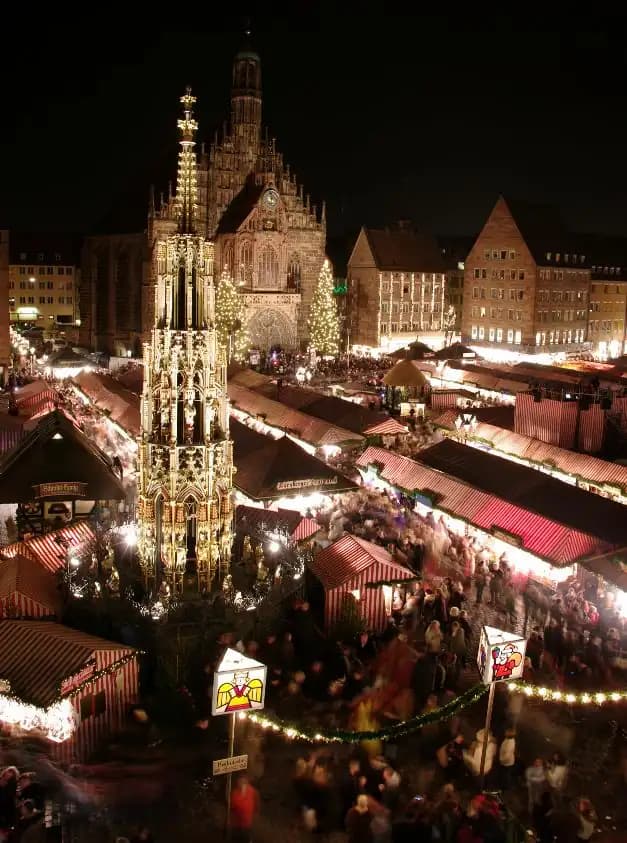
Most markets run from late November through December 23-24. The final week before Christmas is most crowded. Early December offers full decorations with manageable crowds. Some markets (Vienna, Cologne) extend into early January but with reduced hours and vendors. Weekday evenings beat weekends for atmosphere without crush.
Pro Tip: The first week of December often has opening ceremonies, special performances, and maximum vendor participation.
Best Christmas Markets by Country
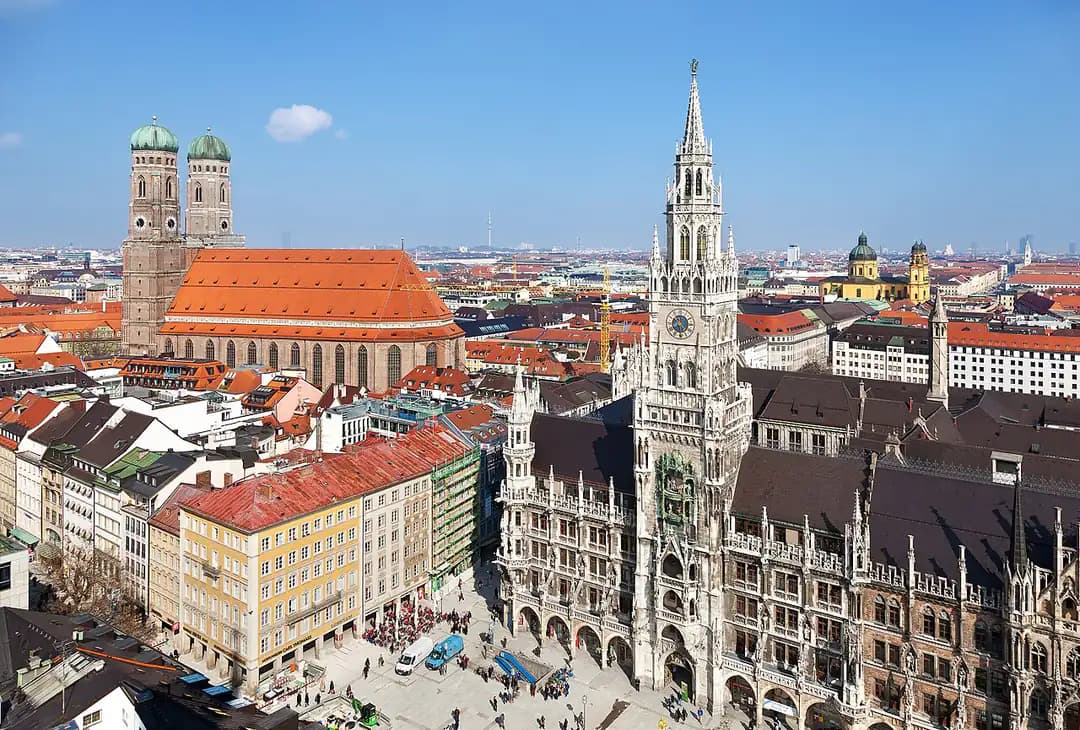
Germany: Nuremberg (most famous), Cologne (largest), Dresden (oldest), Munich (most Bavarian). Austria: Vienna (most elegant), Salzburg (most picturesque), Innsbruck (Alpine backdrop). Czech Republic: Prague (best value). France: Strasbourg (largest in France), Colmar (most fairytale). Hungary: Budapest (best food). Belgium: Brussels, Bruges, Ghent (combined trip).
What to Eat and Drink
Glühwein (mulled wine) is essential—most markets use returnable mugs with a deposit. Kinderpunsch is the non-alcoholic version. Foods vary by region: Bratwurst and Lebkuchen in Germany, Trdelník in Prague, Langos in Budapest, Raclette in France. Each market has signature specialties worth seeking out.
Pro Tip: Keep your mug as a souvenir—the deposit (€2-4) is essentially the price of a unique, dated memento.
What to Buy
Handcrafted ornaments, especially from Nuremberg and the Erzgebirge region. Wooden toys and decorations. Lebkuchen (gingerbread) in decorative tins. Candles and advent calendars. Locally-made crafts vary by market—research each destination's specialties. Avoid generic items sold everywhere.
Planning Your Trip
Combine 2-3 nearby markets (Vienna + Salzburg, Prague + Dresden, Cologne + Aachen). Book accommodation early—good hotels sell out months ahead. Budget extra for market spending (€30-50/day of Glühwein and snacks adds up). Wear warm, waterproof boots—you'll stand on cold cobblestones for hours.
Avoiding Crowds and Costs
Visit smaller towns near big cities: Hallstatt instead of Vienna, Rothenburg instead of Munich, Český Krumlov instead of Prague. Weekday lunchtimes are quietest. Smaller markets have better value and authentic atmosphere. The most Instagram-famous markets are the most crowded.