Quito w 5 dni
Dzień 1: Plaza de la Independencia, Basílica del Voto Nacional i Calle La Ronda, dzień 2: La Compañía Church i TelefériQo Cable Car i dzień 3: wycieczka poza miasto (Mitad del Mundo & Pululahua Geobotanical Reserve). Pozostałe dni: wycieczka poza miasto (Otavalo Indigenous Market) i La Mariscal.
Koszt to około 1826 zł na osobę w średnim standardzie lub 783 zł przy małym budżecie.
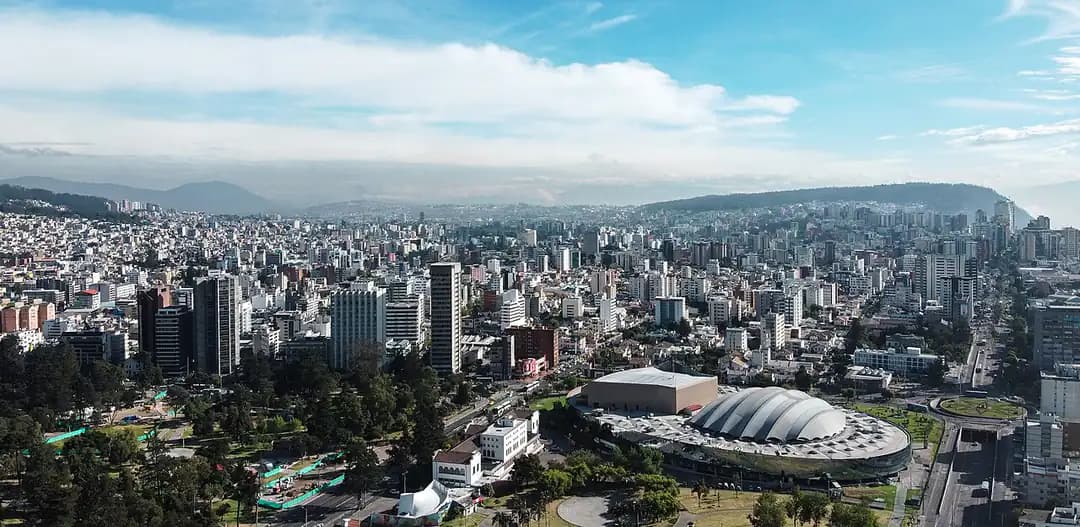
Dzień 1: Plaza de la Independencia, Basílica del Voto Nacional i Calle La Ronda
The heart and soul of Quito, this UNESCO World Heritage site is a labyrinth of steep, cobblestone streets lined with magnificent Spanish colonial and Baroque architecture.
Rano
Plaza de la Independencia
Okolica: Centro Histórico.
Przed południem
Basílica del Voto Nacional
Okolica: Centro Histórico.
Jedzenie
Traditional & Mercado Food
Go for lunch when the markets are most lively and the food is freshest. A 'plato del día' costs $3-$5.
Dokąd iść: Seco de Chivo at Mercado Central, Hornado at Mercado Santa Clara, Llapingachos con chorizo at a local fritada
Po południu
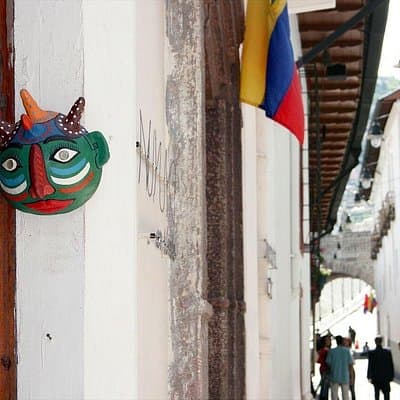
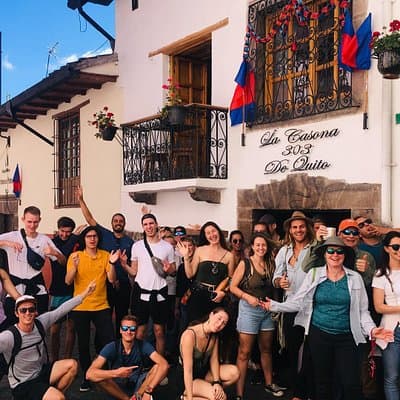
Calle La Ronda
Okolica: Centro Histórico.
Wieczorem
Museo Casa del Alabado
A stunning pre-Columbian art museum housed in a beautifully restored 17th-century colonial house in the Old Town.
Dzień 2: La Compañía Church i TelefériQo Cable Car
Rano
La Compañía Church
Jedzenie
Street Food & Snacks
Look for vendors with a steady stream of locals. Freshly fried empanadas are safest and most delicious.
Dokąd iść: Empanadas de Viento from a street vendor, Tortillas de Maíz con Queso, Helado de Paila (artisanal fruit sorbet) in the Historic Center
Po południu
TelefériQo Cable Car
Wieczorem
Itchimbía Park and Cultural Center
A hilltop park east of the Historic Center, crowned by the striking Palacio de Cristal (Crystal Palace), a glass and iron structure.
Dzień 3: Mitad del Mundo & Pululahua Geobotanical Reserve (wycieczka jednodniowa)
45 min by bus or taxi from Quito.
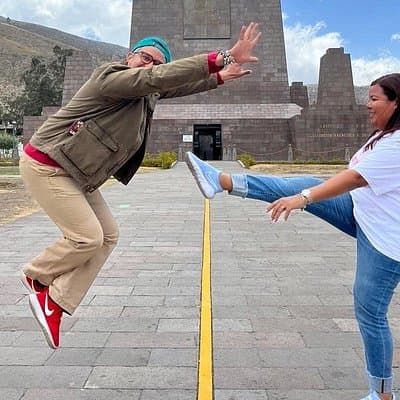
Stand on the equatorial line at the iconic Mitad del Mundo monument complex. Then, venture to the nearby Pululahua Crater, one of the few inhabited volcanic craters in the world, for breathtaking hikes and views.
Najważniejsze: Photo at the Equator line monument, Interactive experiments at Intiñan Museum, Hike into the Pululahua Crater, Viewpoint over the crater's farmland
Dzień 4: Otavalo Indigenous Market (wycieczka jednodniowa)
2 hours by bus or 1.5 hours by car.
Visit one of South America's most famous and vibrant indigenous markets. The Saturday market is legendary for its textiles, handicrafts, and livestock, but the Plaza de los Ponchos has artisanal goods every day.
Najważniejsze: Bargain for textiles in Plaza de los Ponchos, See the animal market, Visit Peguche Waterfall nearby, Try local bizcochos in Cayambe
Dzień 5: La Mariscal i Yaku Water Museum
Rano
La Mariscal (Gringolandia)
The city's primary tourist and nightlife district, known for its grid of streets filled with hostels, bars, restaurants, travel agencies, and souvenir shops. It's energetic, convenient, and social, but can be noisy.
Także tutaj: Plaza Foch, Mercado Artesanal, Numerous tour operators, Variety of international restaurants
Po południu
Yaku Water Museum
A interactive water-themed museum located in a historic water pumping plant on the slopes of Pichincha.
Wieczorem
Calle de las Siete Cruces
A single block in the Historic Center where you can see seven different historic crosses, each with its own story and chapel.
Przed wyjazdem
Z lotniska
From Mariscal Sucre Airport (UIO), the official taxi fare to the city center (La Mariscal) is a fixed $25-30, payable at the official taxi booth inside the terminal. The public bus (green 'Aeroservicios' bus) costs $8 and goes to the 'Rio Coca' station in the north, from where you can connect to the Ecovía bus system.
Poruszanie się po mieście
The Historic Center is very walkable and best explored on foot, though its steep hills can be challenging. Neighborhoods are often separated by distance and topography, so you'll need transport to move between them.
Lokalne wskazówki
- Acclimate to the altitude slowly. Drink plenty of water, avoid heavy meals and alcohol on your first day, and consider coca tea (mate de coca) to help with soroche (altitude sickness).
- The weather can change in an instant. Always carry a light jacket or sweater, even on sunny days, as temperatures drop quickly, especially after sunset.
- For the best views without the TelefériQo crowds, hike up to the Virgen del Panecillo (the giant winged statue) early in the morning. Take a taxi to the base and walk up for safety.