
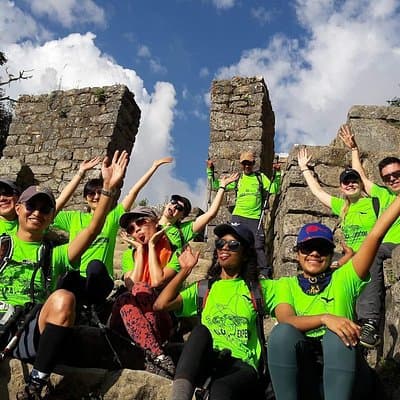
2-Tages-Kurztour zum Inca Trail nach Machu Picchu – Vistadome & 4-Sterne-Hotel
5.04.071 Bewertungen48h
ab 530 €
Verfügbarkeit prüfen
Peru
Cusco isn't just a city; it's a living archaeological site where the Incan Empire's stone foundations literally support Spanish colonial balconies. Walk the narrow, cobbled streets of San Blas and you'll pass walls of perfectly fitted polygonal stones, remnants of the Inca Qhapaq Ñan (royal road system), now framing artisan workshops and cozy cafes. This high-altitude capital, once called Qosqo ('navel of the world'), thrills not just as the gateway to Machu Picchu, but as a destination where you can touch history, from the monolithic stones of Sacsayhuamán to the gold-leafed altars of the Cusco Cathedral.
Beyond the ruins, Cusco pulses with a vibrant, contemporary Andean culture. The San Pedro Market explodes with color—mountains of native potatoes, piles of coca leaves, and women in traditional *pollera* skirts selling *chicha* (fermented corn drink). At night, the Plaza de Armas transforms, with the illuminated cathedral and Church of La Compañía de Jesús providing a breathtaking backdrop for locals and travelers alike. The real magic lies in the synthesis: savoring a modern *novoandina* dish like alpaca tenderloin while listening to live *huayno* music, all within walls built by the Incas.
Walk Through Layers of History: Stand in awe at Qorikancha, the Incan Temple of the Sun, whose precise stonework forms the foundation for the Santo Domingo Convent. Explore the colossal zigzagging walls of Sacsayhuamán fortress, where the Inti Raymi (Sun Festival) is reenacted every June.
Experience Living Andean Culture: Witness the syncretism at the Qoyllur Rit'i pilgrimage or browse the handwoven textiles and spiritual artifacts at the Centro de Textiles Tradicionales del Cusco. Engage with local Quechua weavers in communities like Chinchero in the Sacred Valley.
Access World-Class Hiking & Adventure: Use Cusco as your base for the iconic 4-day Inca Trail to Machu Picchu, or tackle the one-day hike to the technicolor striations of Vinicunca (Rainbow Mountain). The Sacred Valley offers everything from mountain biking in Maras to rafting on the Urubamba River.
Discover a Unique Culinary Capital: Go beyond ceviche and taste Cusco's high-altitude cuisine, like *cuy al horno* (roasted guinea pig) in a traditional *pachamanca* (earth oven) feast, or *rocoto relleno* (stuffed spicy pepper). Sample craft beers made with local quinoa or corn at a cervecería.
Explore Incredible Colonial Architecture & Art: Marvel at the Cusco School paintings inside the Cathedral, which blend European techniques with indigenous symbols. Visit the Museo de Arte Precolombino (MAP) housed in a conquistador's mansion to see exquisite gold, silver, and ceramic works.
Shop in Unforgettable Markets: Bargain for alpaca sweaters, silver jewelry, and hand-painted retablos at the sprawling Pisac Market. For a more local experience, visit the less-touristy Mercado de Wanchaq for fresh produce, exotic fruits like *tumbo*, and hearty street food.
Bereit, Cusco zu entdecken?
The bustling, tourist-friendly heart of Cusco, centered on the magnificent main square. This area is packed with grand colonial churches, museums, tour agencies, restaurants, and hotels, all built upon Incan foundations. It's vibrant, convenient, and always buzzing with activity.
Highlights:
Best for:
A charming, bohemian district perched on a steep hillside northeast of the Plaza de Armas. Known as the 'artisans' quarter,' its narrow, winding cobblestone streets are lined with whitewashed houses, art galleries, boutique hotels, and craft workshops. It offers stunning panoramic views.
Highlights:
Best for:
A vibrant, authentic, and less-polished neighborhood centered around the massive San Pedro Market. This is where locals shop, eat, and socialize. The streets are filled with the sights, sounds, and smells of everyday Cusqueño life, offering a raw cultural immersion.
Highlights:
Best for:
A quieter, more residential area stretching towards the Sacsayhuamán archaeological site. It's characterized by cobblestone streets, colonial houses with flower-filled courtyards, and a more relaxed pace. It's close to major ruins but feels removed from the tourist throngs.
Highlights:
Best for:
Die Touren und Tickets, die Reisende am häufigsten buchen, mit Bewertungen von Viator.
ab 530 €
Verfügbarkeit prüfen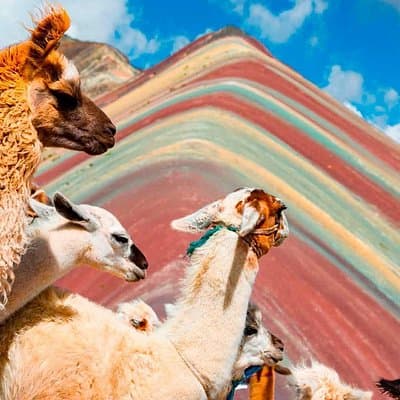
ab 20 €
Verfügbarkeit prüfen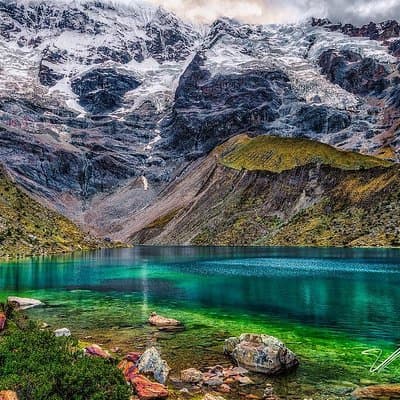
ab 59 €
Verfügbarkeit prüfenTouren und Preise von Viator, einem Tripadvisor-Unternehmen. Preise ändern sich je nach Datum. Wir erhalten eventuell eine Provision, wenn Sie buchen – ohne Mehrkosten für Sie.
Cusco's cuisine is a hearty reflection of its high-altitude environment, blending ancient Incan ingredients like potatoes, corn, and quinoa with Spanish influences. It's known for robust, comforting dishes designed to fuel a day in the mountains, from slow-cooked stews to roasted meats. The *novoandina* movement has also elevated these traditional ingredients into sophisticated fine dining.
For a true pachamanca experience, you often need to book in advance with a tour or at a restaurant outside the city, as it's a ceremonial feast.
The food stalls upstairs in San Pedro Market offer incredibly cheap and tasty set lunches (menú del día) in a bustling, authentic setting.
These upscale restaurants often require reservations, especially during high season. They're perfect for a special night out.
Cusco has excellent bakeries—perfect for grabbing a cheap, tasty breakfast or snack. Many cafes also offer strong, locally grown coffee.
Spring (September to November) is the shoulder season, with warming temperatures and the landscape turning green after the dry winter. Crowds are thinner than in peak season, and rain is still infrequent.
Pros:
Cons:
Summer (December to March) is the rainy season. Days can be warm with sudden, heavy afternoon downpours. The countryside is lush and green, but cloud cover can obscure mountain views.
Pros:
Cons:
Autumn (April to May) is another excellent shoulder season. The rains taper off, leaving clear skies and comfortable temperatures. It's the calm before the peak season rush.
Pros:
Cons:
Winter (June to August) is the peak dry season. Days are sunny and clear, but nights are very cold, often dropping below freezing. This is the busiest and most expensive time to visit.
Pros:
Cons:
Vergleiche Preise für Züge, Busse und Flüge nach Cusco
Gib deine Abfahrtsstadt ein, um Preise zu sehen

Full day by tour van or combi (collective taxi); Pisac is 45 min by car
This fertile valley along the Urubamba River was the breadbasket of the Inca Empire and is dotted with spectacular ruins, traditional villages, and vibrant markets. It's also at a lower altitude than Cusco, making it a perfect place to acclimate.
3-4 hours by car each way, plus a 1.5-2 hour hike (round trip)
A challenging but rewarding day trip to one of Peru's most Instagram-famous natural wonders. The striated colors of the mountain—caused by mineral deposits—are breathtaking, but the high altitude (5,200m/17,060ft) makes it strenuous.
3 hours by car each way, plus a 1.5-2 hour steep hike (one way)
A stunning turquoise glacial lake nestled at the foot of the Humantay and Salkantay snow-capped peaks. The hike is steep but the otherworldly beauty of the lake, considered sacred in Andean cosmology, is an unforgettable reward.
Cusco can cater to all budgets, but costs are higher than in other Peruvian cities due to its tourist focus. Budget travelers can get by on very little, while luxury options are plentiful. Major expenses are tours (especially Machu Picchu), accommodation, and dining.
Budget
$30-50 USD for dorm beds, street food, public transport, and free walking tours.
per day
Mid-Range
$80-150 USD for private hostel/hotel rooms, restaurant meals, guided day tours, and occasional taxis.
per day
Luxury
$250+ USD for boutique hotels, fine dining, private guides and drivers, and premium multi-day trekking experiences.
per day
A lesser-visited museum housed in the Admiral's Palace, focusing exclusively on Inca culture and history.
It has an exceptional collection of Inca textiles, pottery, metalwork, and mummies, presented in a beautiful colonial courtyard setting, without the crowds of the larger MAP museum.
A small but spiritually significant Incan ceremonial site carved into a natural rock formation, located on the way to Sacsayhuamán.
It's often missed by tour groups. You can crawl through tunnels and see intricate carvings, and it offers a quiet, mystical atmosphere compared to the major ruins.
A working chocolate museum and workshop where you can learn about the history of cacao and make your own chocolate bar.
It's a fun, interactive, and delicious break from ruins and churches. The hot chocolate is superb, and it's a great activity for a rainy afternoon.
The neighborhood leading up to the Cristo Blanco statue, just above the historic center.
It offers some of the best panoramic views of Cusco's red-tiled roofs, especially at sunset, without the crowds at Sacsayhuamán. It's a peaceful, residential area with a lovely church.
A craft brewery located in Poroy, just outside Cusco, producing beers with local ingredients like purple corn and quinoa.
It's a taste of Peru's growing craft beer scene. The brewery tour and tasting offer a completely modern, non-historical experience and fantastic views of the valley.
Cusqueño culture is a proud, profound fusion of indigenous Quechua roots and Spanish colonial influence, visible in everything from architecture to religion. Respect for the earth (Pachamama) is central, with rituals and festivals blending Catholic and Andean beliefs. Family and community are paramount, and traditional dress is commonly worn, especially by women in markets and rural areas.
Absolutely. Entry tickets to Machu Picchu itself, as well as permits for the Inca Trail, must be booked months in advance, especially for the peak season (May-September). Tickets for the specific circuits within the site can sell out. Book directly via the official government website or through a reputable tour operator.
Soroche can affect anyone, regardless of fitness. Symptoms include headache, nausea, and fatigue. Prevent it by spending your first day resting, drinking plenty of water and coca tea, avoiding heavy food and alcohol, and considering altitude medication (acetazolamide) after consulting a doctor. The Sacred Valley (lower altitude) is a great place to start your trip.
Cusco is generally very safe for tourists. The main risks are petty theft and pickpocketing in crowded areas like markets and the Plaza de Armas. Use common sense: don't flash valuables, be aware of your surroundings, use official taxis, and avoid walking alone in poorly lit areas at night.
No, do not drink tap water in Cusco. Always drink bottled or purified water. Most hotels and hostels provide drinking water. Use bottled water for brushing your teeth as well. Avoid ice in drinks unless you're sure it's made from purified water.
The classic route is a train from Poroy (near Cusco) or, more commonly, Ollantaytambo in the Sacred Valley to Aguas Calientes, then a bus up to the ruins. For adventurers, multi-day treks like the Inca Trail or Salkantay Trek are the ultimate way to arrive. Day trips by train are possible but very long and rushed.
Yes, comprehensive travel insurance is highly recommended. It should cover high-altitude trekking (up to 5,000m if hiking Rainbow Mountain), emergency medical evacuation (which can be very expensive from remote areas), trip cancellation, and theft. Check that your policy explicitly includes the activities you plan to do.
Pack for all seasons: layers are key. Essentials include a warm fleece or down jacket, a waterproof shell, sturdy hiking shoes, a sun hat and sunscreen, sunglasses, a reusable water bottle, a daypack, and a good camera. Don't forget adapters for Type A and C power outlets (110V/60Hz).
No, but it helps immensely. In tourist areas, hotels, restaurants, and tour guides speak English. However, in markets, with taxi drivers, and in local comedores, very little English is spoken. Learning basic Spanish phrases (or Quechua greetings) will greatly enhance your experience and is a sign of respect.
Typische Tageskosten für eine Person, von günstig bis komfortabel.
| Günstig | Mittelklasse | Komfort | |
|---|---|---|---|
| Unterkunft (pro Nacht) | 25 € | 60 € | 130 € |
| Essen und Trinken (pro Tag) | 10 € | 22 € | 45 € |
| Sehenswürdigkeiten und Aktivitäten (pro Tag) | 8 € | 22 € | 55 € |
| Gesamt pro Tag | 43 € | 104 € | 230 € |
Die Schätzungen enthalten keine Flüge und keinen Fernverkehr. Tageskosten verschiedener Städte vergleichen
Hotels nahe dem Zentrum von Cusco, von günstig bis luxuriös. Die Preise sind typische Übernachtungspreise zum Zeitpunkt unserer letzten Prüfung.
 Günstig
 Günstig
 Mittelklasse
 Mittelklasse
 Gehoben
 Gehoben
 Luxus
 Luxus
Die Hotelpreise stammen von Traveloka, zuletzt geprüft am 4. Februar 2026, und ändern sich je nach Reisedatum. Wenn du über unsere Links buchst, erhalten wir möglicherweise eine Provision – für dich ohne Mehrkosten.
Lass KI den perfekten Reiseplan für deinen Trip nach Cusco erstellen. Beschreibe einfach, was du erleben möchtest.
Cusco-Reise planen

