
Beste Reisezeit
Year-round
Währung
Euro (€)
Sprache
Spanish
Zeitzone
WET (UTC+0)
Discover Gran Canaria
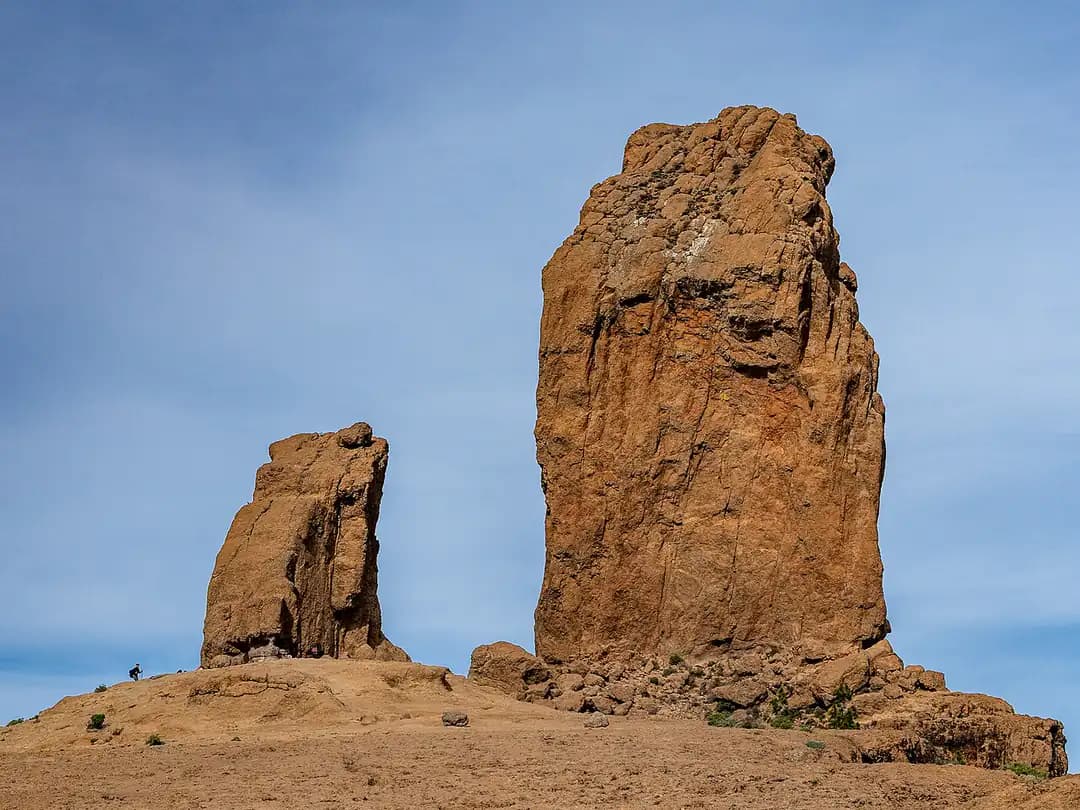
Gran Canaria packs extraordinary variety into a round island just 50 kilometres across. In the south, the golden sand dunes of Maspalomas roll down to the Atlantic next to busy resorts. In the centre, pine forests and deep ravines rise to Roque Nublo and Pico de las Nieves, where the views stretch across the sea to Mount Teide on Tenerife. In the north, green valleys shelter old villages, banana plantations and coffee farms.
The capital, Las Palmas de Gran Canaria, is one of the largest cities in Spain and far more than a transit point. Its Vegueta quarter was founded in 1478 and retains colonial houses, the Cathedral of Santa Ana and the Casa de Colón, where Christopher Columbus is said to have stayed. On the other side of the city, Las Canteras is a long urban beach protected by a natural reef, loved by swimmers, surfers and joggers.
Thanks to a gentle, stable climate, Gran Canaria is a year-round destination for families, hikers, cyclists and remote workers, and its Carnival and Pride celebrations are among the biggest in Europe.
Why Visit Gran Canaria?
Walk across the Maspalomas Dunes, a protected nature reserve of golden sand by the ocean.
Hike to Roque Nublo and Pico de las Nieves for views across the island and to Mount Teide.
Explore Vegueta, the historic quarter of Las Palmas founded in the 15th century.
Swim at Las Canteras, one of Europe's best city beaches, protected by a natural reef.
Enjoy mild weather all year, with warm winters and breezy summers.
Discover mountain villages like Tejeda and Teror, and the harbour town of Puerto de Mogán.
Gran Canaria ist Bekannt für
Bereit, Gran Canaria zu entdecken?
Gran Canaria Neighborhoods
Las Palmas
The island's vibrant capital, with the historic Vegueta and Triana districts, museums, shopping streets and the Las Canteras beach promenade.
Highlights:
Best for:
Maspalomas and Playa del Inglés
The south's main resort area, with the dunes, long beaches, hotels, bars and a well-known LGBTQ+ scene.
Highlights:
Best for:
Puerto de Mogán
A picturesque harbour village with canals, flower-covered white houses and a relaxed atmosphere, nicknamed 'Little Venice'.
Highlights:
Best for:
Tejeda and the Central Highlands
Mountain villages in the island's volcanic caldera, with viewpoints, hiking trails and traditional food, part of a UNESCO World Heritage cultural landscape.
Highlights:
Best for:
Top Sehenswürdigkeiten
Local Tips & Insider Knowledge
- •Stay in the south for guaranteed sunshine or in Las Palmas for a city base with a local feel.
- •Start the Roque Nublo hike early to avoid crowds and clouds; parking is limited.
- •Buses (guaguas) are good for connections between Las Palmas and the south; a car is best for the mountains.
- •The weather can be cloudy in Las Palmas while sunny in the south; check forecasts before beach days.
- •Bring layers for the mountains, where temperatures can be much cooler.
- •Visit Teror on a Sunday for its market and the Basilica of Nuestra Señora del Pino.
- •Book Carnival accommodation early if visiting in February or March.
- •Stay on paths in the Maspalomas Dunes nature reserve to protect the ecosystem.
- •Try local coffee from the Agaete valley, one of the few places in Europe that grows coffee.
- •Mountain roads are winding; allow extra time when driving.
Gran Canaria Food Scene
Gran Canaria's cuisine features Canarian classics: fresh fish, wrinkled potatoes with mojo sauces, cheeses such as queso de flor from Guía, gofio and rum-based honey liqueurs.
Must-Try Dishes
Traditional Canarian
- • Sancocho
- • Goat stew
- • Gofio
Mountain restaurants in Tejeda and Artenara serve hearty local dishes with views.
Seafood
- • Grilled fish
- • Octopus
- • Limpets
Try fish restaurants in fishing villages like Arguineguín and Agaete.
Markets
- • Vegueta Market produce
- • Cheese
- • Tropical fruit
The Mercado de Vegueta in Las Palmas is a great place for breakfast and local products.
Sweets
- • Tejeda almond sweets
- • Bienmesabe
- • Truchas (sweet pastries)
Tejeda is known for its almond pastries; stop at a local bakery.
Beliebt bei
Best Time to Visit Gran Canaria
Spring
Spring is warm with blooming almond trees in the highlands and pleasant hiking conditions.
Pros:
- + Almond blossoms
- + Great hiking weather
- + Fewer tourists
Cons:
- - Sea still cool
- - Windy days
- - Easter crowds
Summer
Summer is warm and sunny in the south, with cooler, cloudier weather in the north.
Pros:
- + Warm sea
- + Long days
- + Festivals
Cons:
- - Busy resorts
- - Higher prices
- - Hot in the interior
Autumn
Autumn stays warm with a warm sea and fewer crowds.
Pros:
- + Warm sea
- + Quieter beaches
- + Pleasant temperatures
Cons:
- - Occasional showers
- - Shorter days
- - Some haze
Winter
Winter is mild and sunny, especially in the south, attracting winter-sun seekers.
Pros:
- + Warm winter weather
- + Carnival season
- + Good for cycling
Cons:
- - Cooler evenings
- - Peak prices
- - Cloudy in the north at times
Günstige Anreise nach Gran Canaria
Vergleiche Preise für Züge, Busse und Flüge nach Gran Canaria
Gib deine Abfahrtsstadt ein, um Preise zu sehen

Aktivitäten in Gran Canaria buchen
Warteschlangen überspringen mit vorgebuchten Touren und Attraktionen
Day Trips from Gran Canaria
Agaete and the Tamadaba Natural Park
About 45 minutes by car from Las Palmas
A white harbour village on the north-west coast with natural pools, a coffee-growing valley and pine forests above.
Tenerife
About 1.5 hours by fast ferry from Agaete
The largest Canary Island, home to Mount Teide and Spain's highest peak, reachable on a long day trip.
Teror and Arucas
About 30 minutes by car from Las Palmas
Two historic northern towns: Teror with its balconied houses and basilica, and Arucas with its neo-Gothic church and rum distillery.
Gran Canaria Budget Guide
Gran Canaria offers good value, with affordable food, lower taxes and a wide range of accommodation from apartments to luxury resorts.
Budget
€50-80 for budget travelers (apartment, local food, buses)
per day
Mid-Range
€100-170 for mid-range (hotel, car hire, excursions)
per day
Luxury
€250+ for luxury (5-star resort, fine dining, private tours)
per day
Money-Saving Tips
- •Use the bus network between Las Palmas and the south.
- •Self-catering apartments save money on food.
- •Eat set menus at lunch in local restaurants.
- •Hike for free in the island's natural parks.
- •Travel outside Christmas and Carnival for lower prices.
Gran Canaria Hidden Gems
Guayadeque Ravine
A deep ravine with cave houses, cave restaurants and a cave church, and hiking trails through almond trees.
It offers a unique mix of nature and troglodyte culture.
Charco Azul
A natural pool fed by a stream in the El Hornillo area near Agaete, reached by a walking trail.
It is a refreshing, green oasis in the mountains.
Cenobio de Valerón
A complex of more than 300 cave granaries carved by the island's ancient inhabitants into a volcanic cliff.
It is one of the most impressive pre-Hispanic sites in the Canary Islands.
Güi Güi Beach
A remote beach on the west coast reachable only by a long hike or by boat.
It rewards the effort with seclusion and dramatic cliffs.
Cueva Pintada Museum
An archaeological park in Gáldar preserving painted caves and a pre-Hispanic village.
It brings the island's ancient Canarian culture to life.
Gran Canaria Culture & Customs
Gran Canaria's culture blends Spanish, African, Latin American and indigenous Canarian influences. Festivals are central, from the huge Carnival of Las Palmas to local fiestas and pilgrimages.
Cultural Etiquette
- •Greet people with 'buenos días' or 'buenas tardes'.
- •Tipping is appreciated but not obligatory.
- •Dress modestly in churches.
- •Respect protected natural areas.
- •Lunch is often late, around 2pm.
Useful Phrases
Frequently Asked Questions about Gran Canaria
Is Gran Canaria worth visiting?
Yes. It combines beaches, dunes, mountains, a lively capital and mild weather all year.
Where should I stay in Gran Canaria?
Maspalomas and Playa del Inglés for beaches and nightlife, Puerto de Mogán for a relaxed harbour, and Las Palmas for city life.
How many days do you need in Gran Canaria?
Five to seven days allows beach time plus trips to the mountains and Las Palmas.
Is Gran Canaria or Tenerife better?
Gran Canaria has the dunes and a larger city, Las Palmas, while Tenerife has Mount Teide. Both have excellent beaches and hiking.
Is Gran Canaria warm in winter?
Yes. Winter days are typically 20-22°C, especially in the sunny south.
Do I need a car in Gran Canaria?
Buses cover the main towns, but a car makes it much easier to explore the mountains and villages.
When is the Las Palmas Carnival?
It usually takes place in February or March, with weeks of parades, music and costumes.
Can you hike Roque Nublo easily?
Yes. The trail from the parking area is short, about 1.5 km each way, with a moderate climb.
Gran Canaria Reiserouten
Reiseführer


Mit Anderen Städten Vergleichen
Plane dein Gran Canaria-Abenteuer
Lass KI den perfekten Reiseplan für deinen Trip nach Gran Canaria erstellen. Beschreibe einfach, was du erleben möchtest.
Gran Canaria-Reise planen


