
Beste Reisezeit
Year-round (March to June for hiking)
Währung
Euro (€)
Sprache
Spanish
Zeitzone
WET (UTC+0)
Discover Tenerife
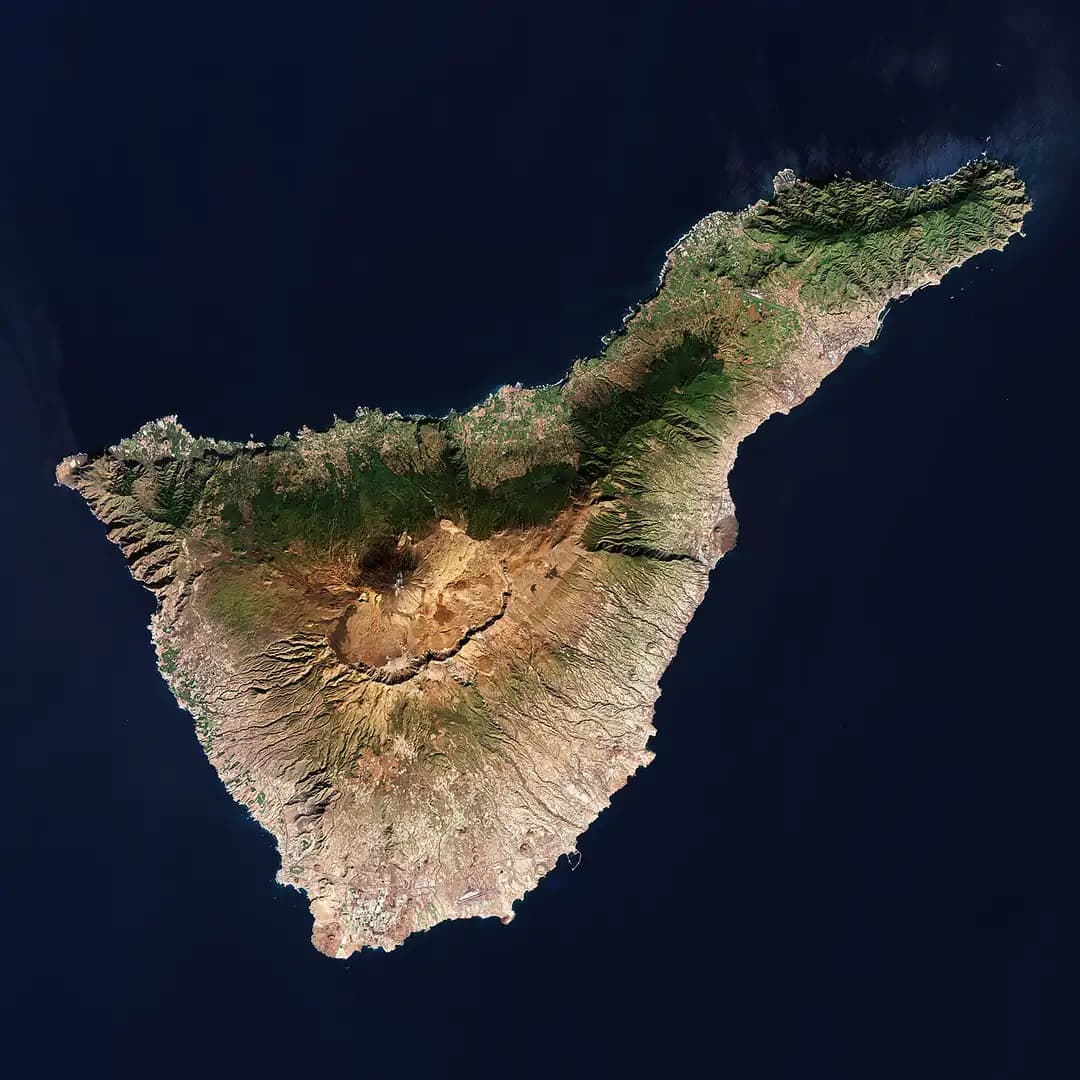
Tenerife is far more than its southern beach resorts. The largest of the Canary Islands is a miniature continent built around Mount Teide, the 3,715-metre volcano that is the highest point in Spain. Within an hour you can go from subtropical beaches to a lunar caldera of lava flows and twisted rock, and on to ancient laurel forest shrouded in mist.
The island's two faces are part of its appeal. The sunny, dry south is where you will find Costa Adeje, Los Cristianos and the dramatic Los Gigantes cliffs, perfect for families and winter-sun seekers. The greener north is older and more Canarian, with the UNESCO-listed colonial town of San Cristóbal de La Laguna, the stately houses of La Orotava and the black sand coves beneath the Anaga mountains.
Thanks to trade winds and the Atlantic, Tenerife enjoys some of the most stable weather in Europe, with warm winters and summers tempered by the breeze. Add world-class stargazing, whale and dolphin watching, and hiking for every level, and it becomes an island you can visit again and again.
Why Visit Tenerife?
Stand on Spain's highest mountain: take the cable car up Mount Teide and walk among lava fields in a UNESCO-listed national park.
Enjoy some of Europe's most reliable weather, with warm sunshine in winter and trade-wind-cooled summers.
Hike through the Anaga mountains' laurel forest, a relic of the ancient forests that once covered southern Europe.
Stargaze under some of the clearest skies in the world, protected by law and home to a major astrophysical observatory.
See whales and dolphins in the channel between Tenerife and La Gomera, where pilot whales live year-round.
Explore the colonial streets of La Laguna and La Orotava, with their carved wooden balconies and courtyards.
Tenerife ist Bekannt für
Bereit, Tenerife zu entdecken?
Tenerife Neighborhoods
Costa Adeje
The south's most upmarket resort area, with long promenades, beaches like Playa del Duque and Fañabé, and many of the island's best hotels and restaurants.
Highlights:
Best for:
Puerto de la Cruz
The north coast's historic resort town, with a characterful old harbour, gardens, and the César Manrique-designed Lago Martiánez seawater pools.
Highlights:
Best for:
Santa Cruz de Tenerife
The island's capital is a working port city with a lively centre, shopping streets, modern architecture and the huge February Carnival.
Highlights:
Best for:
La Orotava
An elegant hillside town in the Orotava Valley known for its manor houses, cobbled streets and the Casa de los Balcones with its carved wooden balconies.
Highlights:
Best for:
Top Sehenswürdigkeiten
Local Tips & Insider Knowledge
- •Book Teide cable car tickets in advance, and the free permit if you want to climb the final path to the summit crater.
- •Stay in the south for guaranteed sun or in the north for greener landscapes and a more local feel.
- •Take warm layers to Teide: temperatures at the cable car's upper station can be near freezing even when the coast is hot.
- •Drive to Masca early in the day; the road is narrow and winding, and access rules for cars can change in peak periods.
- •Choose whale-watching operators with the Blue Boat flag, which follow official wildlife-protection rules.
- •For stargazing, go on a night without a full moon and consider a guided tour above the clouds near Teide.
- •Sunday is quiet in towns and many shops close, while markets are lively.
- •Try a guachinche in the north: informal family-run places serving homemade wine and simple local food.
- •Beaches on the north coast can have strong currents; swim where lifeguards are present.
- •Visit Anaga on a clear day; the laurel forest is magical in the mist, but the viewpoints need clear skies.
Tenerife Food Scene
Canarian cuisine is simple and flavourful: wrinkled potatoes with mojo sauces, grilled fish, goat's cheese, stews and gofio, a toasted grain flour that has been eaten since pre-Hispanic times. Local wines from volcanic soils are a growing highlight.
Must-Try Dishes
Guachinches
- • Homemade wine
- • Grilled pork and chicken
- • Garbanzas (chickpea stew)
Guachinches are mostly in the north around La Orotava and Tacoronte; many open only in wine season and accept cash.
Seafood by the Sea
- • Grilled catch of the day
- • Pulpo (octopus)
- • Lapas (limpets)
Fishing villages such as San Andrés, El Médano and Alcalá have simple restaurants serving that day's catch.
Markets
- • Mercado de Nuestra Señora de África in Santa Cruz
- • Local cheeses
- • Tropical fruit
Visit the Santa Cruz market on a weekday morning for the best atmosphere and produce.
Wine
- • Listán Negro reds
- • Listán Blanco whites
- • Malvasía sweet wine
Visit the Casa del Vino in El Sauzal to taste and learn about the island's wine regions.
Beliebt bei
Best Time to Visit Tenerife
Spring
Spring is ideal for hiking, with wildflowers on Teide, including the tall red tajinaste in late spring, and comfortable temperatures.
Pros:
- + Great hiking weather
- + Teide wildflowers
- + Fewer crowds after Easter
Cons:
- - Sea still fresh
- - Easter week is busy
- - Some haze (calima) days
Summer
Summer is hot and dry in the south and pleasant in the north, with the warmest sea and long days.
Pros:
- + Warmest sea
- + Long days for excursions
- + Village fiestas
Cons:
- - Busy with families
- - Hot in the south
- - Higher prices
Autumn
Autumn keeps summer warmth with a warm sea and fewer visitors, and is the wine harvest season in the north.
Pros:
- + Warm sea
- + Quieter beaches
- + Harvest and guachinche season
Cons:
- - Occasional showers in the north
- - Shorter days
- - Some storms in late autumn
Winter
Winter is the island's high season for northern Europeans escaping the cold, with warm days on the coast and occasional snow on Teide.
Pros:
- + Reliable warmth
- + Snow-capped Teide views
- + Carnival in February
Cons:
- - Peak prices
- - Cold at altitude
- - Cable car can close for wind or snow
Günstige Anreise nach Tenerife
Vergleiche Preise für Züge, Busse und Flüge nach Tenerife
Gib deine Abfahrtsstadt ein, um Preise zu sehen

Aktivitäten in Tenerife buchen
Warteschlangen überspringen mit vorgebuchten Touren und Attraktionen
Day Trips from Tenerife
La Gomera
About 50 minutes by ferry from Los Cristianos
A small, mountainous island with the misty Garajonay National Park, terraced ravines and quiet villages, famous for silbo, a whistled language.
Garachico
About 45 minutes by car from Puerto de la Cruz
A historic port town partly buried by a volcanic eruption in 1706, with a charming old centre and natural lava pools at El Caletón.
Teno Rural Park
About 1 hour by car from Costa Adeje
The island's rugged northwestern corner, with sea cliffs, ravines and the lighthouse at Punta de Teno facing the Los Gigantes cliffs.
Tenerife Budget Guide
Tenerife offers good value compared with mainland Europe, especially for food and drink, which benefit from the Canaries' lower tax rate. Accommodation prices vary a lot by area and season.
Budget
€50-80 for budget travelers (apartment or hostel, local restaurants, buses)
per day
Mid-Range
€100-180 for mid-range (3-4 star hotel, car hire, excursions)
per day
Luxury
€280+ for luxury (5-star resort, fine dining, private boat trips)
per day
Money-Saving Tips
- •Eat the menú del día at lunch in local towns rather than in resort restaurants.
- •Buy a Ten+ bus card for discounted public transport.
- •Book the Teide cable car directly and early to avoid peak-time surcharges from resellers.
- •Stay in apartments to save on meals with supermarket shopping.
- •Visit outside Christmas and Carnival for better accommodation prices.
Tenerife Hidden Gems
Playa de Benijo
A wild black sand beach below the Anaga mountains, with sea stacks rising from the surf.
Its sunsets are among the most beautiful on the island, and it feels far from the resort south.
Cueva del Viento
One of the longest volcanic lava tubes in the world, near Icod de los Vinos, explored on small guided tours.
It lets you walk inside the plumbing of a volcano, an experience many visitors never hear about.
Taganana
A tiny village in the Anaga mountains with whitewashed houses, terraced vineyards and simple fish restaurants by the sea at Roque de las Bodegas.
It shows the traditional rural side of Tenerife and is one of the oldest settlements on the island.
Paisaje Lunar
A landscape of eroded pale pumice pillars in the pine forest above Vilaflor, reached on a hiking trail.
The strange rock formations look otherworldly and see only a fraction of Teide's visitors.
Charco de la Laja
A natural rock pool on the north coast near San Juan de la Rambla, reached down a steep path.
On calm days it is a stunning place to swim, but always check the sea conditions first.
Tenerife Culture & Customs
Canarians are relaxed, friendly and proud of an identity shaped by Spanish, Latin American and Guanche (pre-Hispanic) roots. Festivals are central to local life, above all Carnival in Santa Cruz and the Corpus Christi flower carpets of La Orotava.
Cultural Etiquette
- •Greet people with 'buenos días' or 'buenas tardes'.
- •Canarians eat later than northern Europeans; lunch is often at 2pm.
- •Tipping is not obligatory, but leaving small change or 5-10% is appreciated.
- •Cover up when leaving the beach; walking in towns in swimwear is frowned upon.
- •Protect natural areas: do not stack stones or remove volcanic rocks from Teide.
Useful Phrases
Frequently Asked Questions about Tenerife
Is it better to stay in the north or south of Tenerife?
Stay in the south for the most sunshine, beaches and resort facilities, and in the north for greener landscapes, historic towns and a more local atmosphere. Many visitors split their stay.
Can you climb to the top of Mount Teide?
Yes. The cable car takes you close to the summit, and the final path to the crater requires a free permit that must be booked well in advance. Alternatively, stay at the Altavista refuge to reach the summit at sunrise.
How many days do you need in Tenerife?
Five to seven days lets you combine beach time with Teide, Anaga, Masca and a day trip to La Gomera. A long weekend is enough for Teide and one side of the island.
Is Tenerife warm in winter?
Yes. Coastal temperatures usually reach the low 20s°C in winter, making it one of Europe's most reliable winter-sun destinations, though Teide can have snow.
Do I need a car in Tenerife?
Not for a resort holiday, as buses and excursions are good. To explore Teide, Anaga and the north at your own pace, a car is strongly recommended.
Are there sandy beaches in Tenerife?
Yes. Many beaches are black volcanic sand, while some, such as Las Teresitas near Santa Cruz, have golden sand. The south has the calmest swimming beaches.
Can you see whales in Tenerife?
Yes, pilot whales and bottlenose dolphins live year-round off the southwest coast. Choose a licensed operator flying the Blue Boat flag.
Is Tenerife good for hiking?
Excellent. Routes range from easy forest trails in Anaga to volcanic walks in Teide National Park and coastal paths in Teno.
Tenerife Reiserouten
Reiseführer


Mit Anderen Städten Vergleichen
Anreise und Weiterreise: Tenerife
Beliebte Zug-, Bus- und Flugverbindungen mit Reisezeiten und Preisen.
Nach Tenerife
Plane dein Tenerife-Abenteuer
Lass KI den perfekten Reiseplan für deinen Trip nach Tenerife erstellen. Beschreibe einfach, was du erleben möchtest.
Tenerife-Reise planen