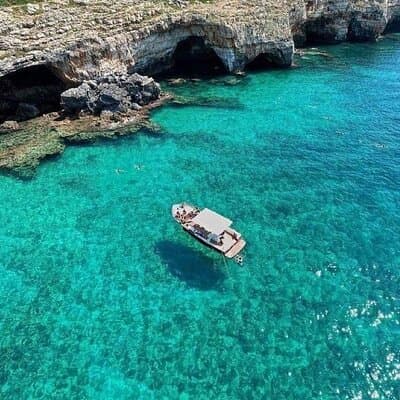
3-stündige Gruppenbootstour zu den Höhlen von Santa Maria di Leuca
4.9746 Bewertungen3h
ab 41 €
Verfügbarkeit prüfen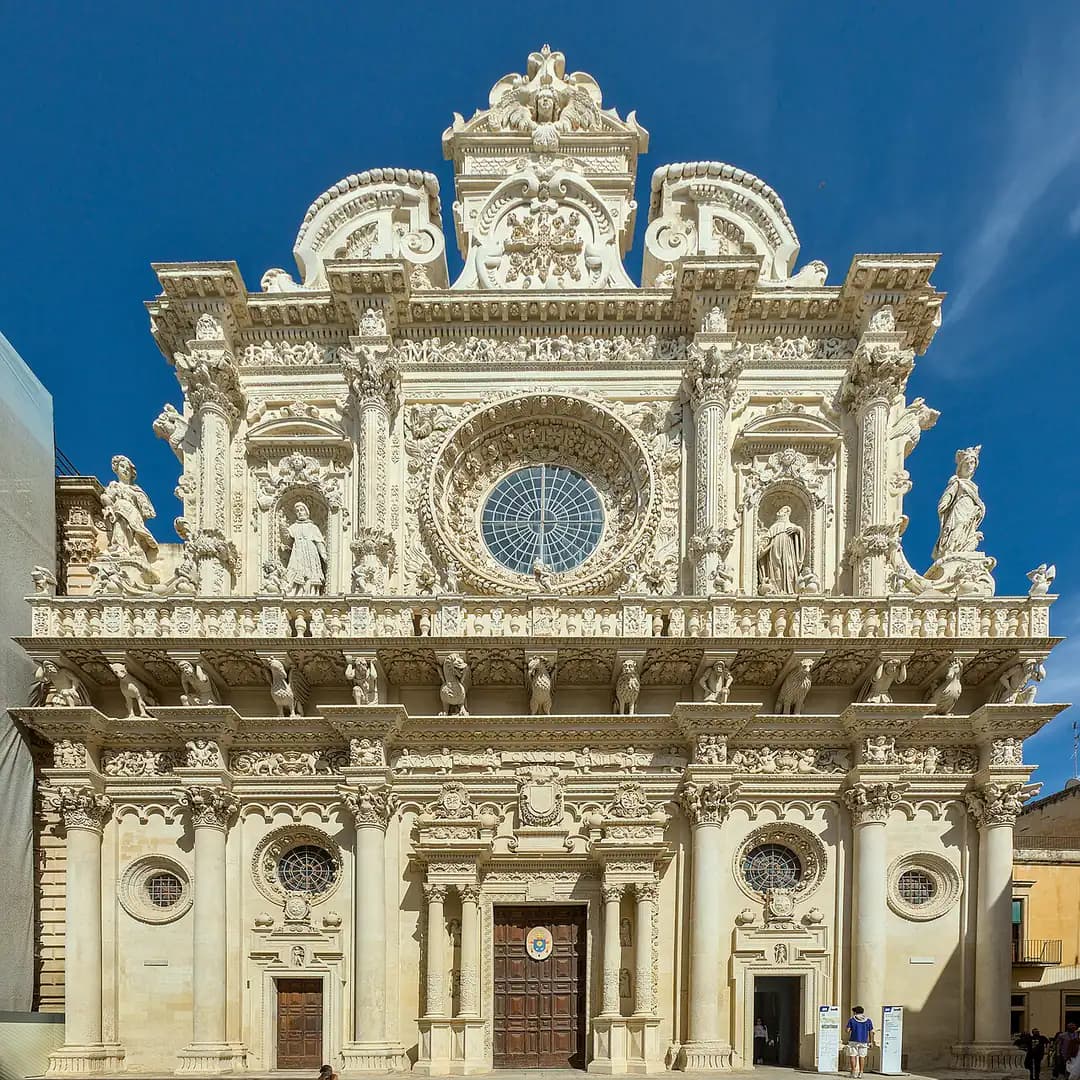
Italy
Lecce isn't just another Italian city; it's a sun-drenched masterpiece carved from golden Pietra Leccese limestone. The entire historic center feels like an open-air museum of Baroque exuberance, where churches like Santa Croce Basilica explode with intricate carvings of fruits, flowers, and mythical creatures. This 'Florence of the South' offers a slower, more soulful Puglian pace, where mornings are for espresso and pasticciotto pastries, afternoons for exploring Roman ruins like the 2nd-century amphitheater, and evenings for aperitivo in elegant piazzas.
Beyond the architectural wonders, Lecce is the cultural and culinary heart of the Salento peninsula. The city thrums with a sophisticated energy, home to a vibrant university population and artisans keeping ancient traditions like papier-mâché crafting alive. From here, the crystalline Ionian and Adriatic seas are just a short drive away, making Lecce the perfect base for a trip that combines profound history, exceptional food, and some of Italy's most beautiful beaches.
The Unparalleled Baroque Architecture: Witness the zenith of the 'Lecce Baroque' style, where local golden limestone was transformed into breathtaking facades. Don't just see Santa Croce Basilica—study the portal's intricate column of figures. Marvel at the celestial dome and ornate altar inside the Duomo. Discover smaller gems like the Church of San Matteo with its unique convex-concave facade.
A Gateway to Salento's Coastline: Use Lecce as your sophisticated home base to explore the stunning Salento coast. Take a 30-minute drive to the turquoise waters and dramatic cliffs of Santa Maria di Leuca, or discover the Caribbean-like beaches of Pescoluse (the 'Maldives of Salento'). The charming seaside towns of Otranto and Gallipoli are also within easy reach.
A Deep and Authentic Food Culture: Move beyond pizza and pasta to discover Puglia's rustic, sun-soaked cuisine. Savor 'orecchiette con cime di rapa' (ear-shaped pasta with turnip tops), feast on fresh seafood from the nearby ports, and indulge in the city's iconic pasticciotto pastries, best enjoyed warm from a historic pasticceria like Pintucci.
Living History from Multiple Eras: Walk through layers of time, from the Roman amphitheater and theater in the city center—still used for performances—to the medieval Castello di Carlo V. The city's history is literally embedded in its walls, visible in the Roman columns reused in the Cathedral's bell tower.
Vibrant Local Craft Traditions: Lecce is a center for the ancient art of cartapesta (papier-mâché), used for stunning religious statues. Visit the Museo della Cartapesta or workshops in the old town to see artisans at work. The craft's lightweight nature allowed for the creation of the dramatic, expressive figures seen in the city's Baroque processions.
The Magic of Evening 'Passeggiata': Experience the Italian ritual of the evening stroll at its most elegant. As the sun sets, the golden limestone glows, and the city comes alive. Join locals walking from Piazza Sant'Oronzo to Piazza del Duomo, stopping for an Aperol Spritz at a cafe table and soaking in the magical atmosphere.
Bereit, Lecce zu entdecken?
The breathtaking heart of Lecce, a dense labyrinth of narrow lanes and grand piazzas entirely built from golden limestone. This is where you'll find the concentration of Baroque masterpieces, bustling cafes, and high-end boutiques. The vibe is historic, sophisticated, and constantly buzzing with tourists and locals.
Highlights:
Best for:
A slightly quieter, more residential area just north of the historic center, known for its beautiful churches and authentic local feel. The streets are less crowded, offering a glimpse into everyday Leccese life, with traditional bakeries, neighborhood bars, and artisan workshops.
Highlights:
Best for:
The lively student quarter surrounding the University of Salento. This area pulses with youthful energy, offering a more modern contrast to the historic center. It's filled with affordable eateries, trendy bars, bookshops, and vibrant street art.
Highlights:
Best for:
A greener, more relaxed area centered around the lovely Villa Comunale public gardens. It's more spacious and residential, with elegant 19th-century buildings and wider avenues. Perfect for a leisurely stroll away from the crowds.
Highlights:
Best for:
Die Touren und Tickets, die Reisende am häufigsten buchen, mit Bewertungen von Viator.
ab 41 €
Verfügbarkeit prüfen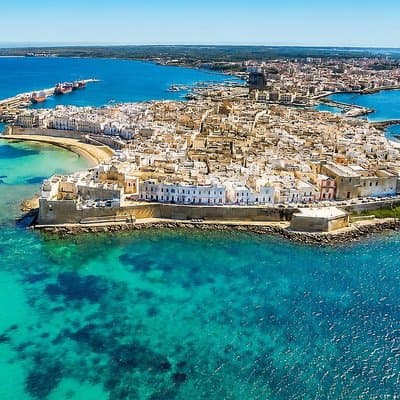
ab 134 €
Verfügbarkeit prüfen
ab 30 €
Verfügbarkeit prüfen
ab 32 €
Verfügbarkeit prüfenTouren und Preise von Viator, einem Tripadvisor-Unternehmen. Preise ändern sich je nach Datum. Wir erhalten eventuell eine Provision, wenn Sie buchen – ohne Mehrkosten für Sie.
Lecce's cuisine is the hearty, flavorful soul of Salento, defined by its peasant origins and the bounty of the land and sea. Expect simple dishes made with exceptional local ingredients: durum wheat pasta, wild greens, fresh vegetables, olive oil, and seafood. Meals are a social event, often lengthy and enjoyed with robust local Primitivo or Negroamaro wines.
Look for places with a handwritten menu (il menu della casa) on a chalkboard. This indicates daily, market-fresh specials.
Eat pasticciotto and rustico warm, shortly after they come out of the oven. They are best consumed on the spot, not taken away.
These spots often require reservations, especially for dinner. They're perfect for experiencing local ingredients with a creative twist.
For authentic gelato, look for muted, natural colors. The bright green pistachio or electric blueberry are red flags.
Spring is arguably Lecce's perfect season. The countryside explodes with wildflowers, temperatures are warm and pleasant (15-25°C), and the tourist crowds are manageable before the summer peak. The city is alive with outdoor events and festivals.
Pros:
Cons:
Summer is hot, dry, and vibrant. Days are long and sunny, perfect for beach trips, but the city center can be very hot in the afternoon. Evenings are magical, with festivals, open-air concerts, and a buzzing nightlife.
Pros:
Cons:
Autumn brings a return of pleasant weather and the grape harvest. September and October mirror spring's appeal, with warm days, cooler nights, and the sea still warm enough for swimming. It's a time of food festivals celebrating the harvest.
Pros:
Cons:
Winter is mild but quiet. While you'll need a coat, temperatures rarely drop below freezing. The city belongs to the locals, and you can have Baroque churches almost to yourself. Christmas lights and nativity scenes (often in papier-mâché) add charm.
Pros:
Cons:
Vergleiche Preise für Züge, Busse und Flüge nach Lecce
Gib deine Abfahrtsstadt ein, um Preise zu sehen

45 min by car or regional train
A stunning fortified seaside town on the Adriatic coast, known for its crystal-clear water, dramatic castle, and magnificent cathedral with a breathtaking mosaic floor. The blend of Byzantine, Norman, and Italian history is palpable in its whitewashed old town.
40 min by car
A vibrant fishing port dramatically split between a modern mainland and a beautiful old town on a fortified island. Famous for its fresh seafood, Baroque architecture, and lively atmosphere, especially in the evening along the seafront.
1 hour by car
The dramatic 'land's end' of the Salento heel, where the Adriatic and Ionian Seas meet. It's famed for its iconic lighthouse, stunning villas in Liberty style, and the spectacular coastal caves accessible by boat.
Lecce is moderately priced compared to major Italian tourist cities like Rome or Florence. Dining and accommodation offer good value, especially outside the peak summer season. Costs are higher in the historic center.
Budget
€50-70 per person for budget travelers (hostel dorm, street food/picnics, free sights, public transport)
per day
Mid-Range
€100-180 per person for mid-range (private B&B room, meals at trattorias, paid attractions, occasional taxi)
per day
Luxury
€250+ per person for luxury (boutique hotel in centro storico, fine dining, private tours, car rental)
per day
A private home that turned into an archaeological site when the owner, during plumbing repairs, discovered layers of history beneath his floor.
It's a unique, hands-on archaeological adventure. You descend through a normal house into a maze of excavated rooms revealing Messapian, Roman, medieval, and Templar artifacts—a vertical slice of Lecce's entire history.
A Baroque church often overlooked on the edge of the historic center.
Its facade is a fascinating architectural experiment—convex on the lower level and concave on the upper—creating a unique, dynamic visual effect. The interior is a quieter, more intimate Baroque space than the major churches.
An underground complex of tunnels and chambers carved from the limestone beneath a 16th-century palace.
It offers a cool, eerie, and fascinating glimpse into the city's subterranean history, possibly used as a burial site, olive press, or refuge. It's a stark contrast to the ornate beauty above ground.
The cloister of a former Augustinian convent, now part of a cultural center.
This serene Renaissance cloister, with its elegant arches and central well, is a peaceful oasis hidden behind a plain doorway. It's rarely crowded and feels miles away from the tourist bustle just outside its walls.
A small, elegant square at the end of a main shopping street.
It's home to the beautiful, less-visited Church of the Rosary and the imposing Palazzo Falconieri. The square has a refined, local feel and is a perfect spot for a quiet coffee away from the main piazzas.
Leccese culture is proud, elegant, and deeply rooted in tradition, with a noticeable Greek and Spanish influence from its past. Family, food, and Catholicism are central pillars. There's a formal politeness in public interactions, balanced by a warm, welcoming hospitality. The city maintains a strong identity separate from northern Italy, evident in its distinct dialect, architecture, and customs.
Two full days is the minimum to see the main Baroque highlights and get a feel for the city. Three to four days is ideal, allowing time to explore at a relaxed pace, take a day trip to the coast (like Otranto or Gallipoli), and fully enjoy the food scene.
Yes, Lecce is generally very safe. The historic center is well-lit and busy until late. Standard precautions apply: be aware of pickpockets in crowded areas like Piazza Sant'Oronzo, don't leave valuables in parked cars, and be cautious in very quiet, dark alleyways late at night.
Not for exploring the city itself, which is best on foot. However, renting a car is highly recommended if you plan to explore the Salento coastline, smaller inland villages, or beaches at your own pace. Public transport to coastal areas is good but less flexible.
A pasticciotto is a sweet pastry, an oval-shaped shortcrust shell filled with warm, thick pastry cream. A rustico is a savory pastry, a round puff pastry shell filled with béchamel sauce, tomato, and mozzarella (and sometimes pepper). Both are iconic and eaten at different times of day.
No, Lecce is an inland city. However, some of Italy's most beautiful beaches are on the Salento peninsula, just a 30-45 minute drive away. Popular nearby coastal towns for swimming include San Cataldo, Torre dell'Orso, and Otranto on the Adriatic side.
It's a specific, highly decorative variant of Baroque architecture that flourished in the 17th century. It's characterized by the use of local golden Pietra Leccese limestone, which is soft to carve but hardens with age, allowing for incredibly intricate facades covered with spiraling columns, garlands, fruits, flowers, and human figures.
In tourist areas—hotels, major restaurants, and attractions—staff usually speak some English. However, learning a few basic Italian phrases is appreciated. In smaller shops, local trattorias, or with older residents, you'll encounter less English, but people are generally patient and helpful.
The most convenient and cost-effective option is the direct Airport Shuttle bus, which takes about 45 minutes and costs €9. It drops you at Lecce's main bus station, a short walk from the historic center. Taxis are available but expensive (€80-100). You can also take a local bus to Brindisi train station and then a 30-minute train to Lecce.
Typische Tageskosten für eine Person, basierend auf Durchschnittspreisen in Italy.
| Günstig | Mittelklasse | Komfort | |
|---|---|---|---|
| Unterkunft (pro Nacht) | 45 € | 110 € | 190 € |
| Essen und Trinken (pro Tag) | 17 € | 35 € | 70 € |
| Sehenswürdigkeiten und Aktivitäten (pro Tag) | 8 € | 22 € | 50 € |
| Gesamt pro Tag | 70 € | 167 € | 310 € |
Die Schätzungen enthalten keine Flüge und keinen Fernverkehr. Tageskosten verschiedener Städte vergleichen
Hotels nahe dem Zentrum von Lecce, von günstig bis luxuriös. Die Preise sind typische Übernachtungspreise zum Zeitpunkt unserer letzten Prüfung.
 Mittelklasse
 Mittelklasse
 Gehoben
 Gehoben
 Luxus
 Luxus
Die Hotelpreise stammen von Traveloka, zuletzt geprüft am 4. Februar 2026, und ändern sich je nach Reisedatum. Wenn du über unsere Links buchst, erhalten wir möglicherweise eine Provision – für dich ohne Mehrkosten.
Beliebte Zug-, Bus- und Flugverbindungen mit Reisezeiten und Preisen.
Lass KI den perfekten Reiseplan für deinen Trip nach Lecce erstellen. Beschreibe einfach, was du erleben möchtest.
Lecce-Reise planen