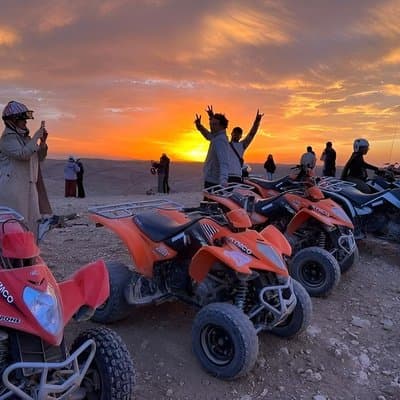
Agafay Desert Quad Bike Camel Ride und Dinner Show
5.014.638 Bewertungen6h
ab 12 €
Verfügbarkeit prüfen
Morocco
Marrakech isn't just a city; it's a living theater where every corner tells a story. The true magic begins at dusk in Jemaa el-Fnaa, as the central square transforms from a daytime market into an open-air carnival of storytellers, snake charmers, and food stalls perfuming the air with sizzling lamb and spices. This energy pulses through the labyrinthine alleys of the medina, where you'll find artisans hammering brass in the Souk des Teinturiers and hidden riad courtyards offering serene escapes behind unassuming doors.
Beyond the ancient walls, the city reveals its layers. The electric blue of the Majorelle Garden, once owned by Yves Saint Laurent, provides a stunning contrast to the city's terracotta palette, while the serene Bahia Palace showcases intricate zellij tilework and carved cedar ceilings. For a complete sensory reset, a traditional hammam in a restored bathhouse offers a ritual of steam, scrub, and relaxation that has defined local life for centuries. Marrakech demands engagement—bargain for a hand-woven rug, sip mint tea on a rooftop as the call to prayer echoes, and let yourself get deliciously lost.
Immerse yourself in a living medieval city within the UNESCO-listed medina, where you can get lost in the Souk Semmarine's spice alleys, discover hidden funduqs (caravanserais), and stay in a traditional riad with a central courtyard fountain.
Experience the world's most dramatic public square at Jemaa el-Fnaa, a nightly spectacle of acrobats, henna artists, and dozens of open-air food stalls serving specialties like sheep's head and harira soup.
Discover breathtaking Islamic architecture and gardens, from the soaring minaret of the Koutoubia Mosque to the ornate stucco and mosaics of the Ben Youssef Madrasa and the tranquil cacti collection at the Majorelle Garden.
Indulge in a profound culinary journey, from street-side msemen (flaky pancakes) and snail soup to upscale multi-course Moroccan feasts featuring pastilla (pigeon pie) and slow-cooked lamb tagine with prunes.
Rejuvenate with ancient wellness traditions in a traditional hammam, choosing between luxurious spa versions or authentic local bathhouses for a vigorous gommage (scrub) with black soap and ghassoul clay.
Use the city as a gateway to dramatic landscapes, with easy day trips to hike in the Ourika Valley in the Atlas Mountains, explore the fortified ksar of Ait Ben Haddou, or ride camels in the Palmeraie oasis.
Bereit, Marrakesch zu entdecken?
The historic heart of Marrakech, enclosed by 12th-century ramparts. A dense, pedestrian-only maze of narrow alleys brimming with souks, historic monuments, and hundreds of hidden riad guesthouses. The vibe is intensely atmospheric, chaotic, and utterly captivating.
Highlights:
Best for:
The southern district of the medina, historically the royal quarter. It's slightly quieter than the northern medina but packed with significant palaces and tombs. The streets are wider, and it feels more residential and regal.
Highlights:
Best for:
The modern French-colonial era 'New City' built outside the medina walls. Characterized by wide, grid-like avenues, art deco buildings, contemporary cafes, and high-street shopping. Offers a contrasting, more European vibe.
Highlights:
Best for:
An upscale, garden-filled district adjacent to Gueliz, known for its luxury hotels, chic cocktail bars, and fine-dining restaurants. It's tranquil, green, and feels a world away from the medina's frenzy.
Highlights:
Best for:
Die Touren und Tickets, die Reisende am häufigsten buchen, mit Bewertungen von Viator.
ab 12 €
Verfügbarkeit prüfen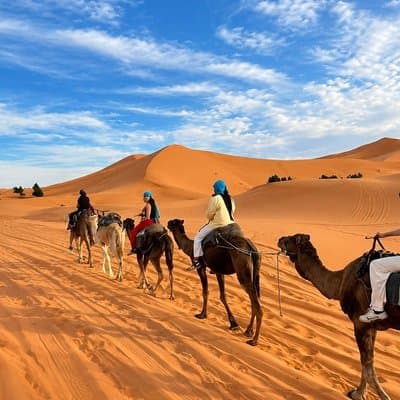
ab 100 €
Verfügbarkeit prüfen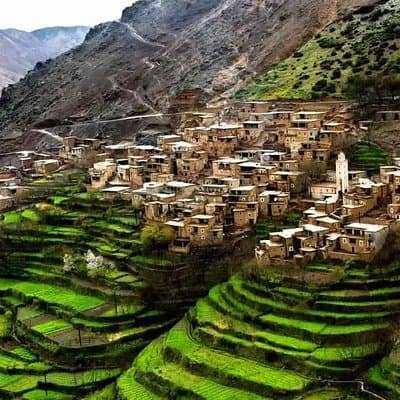
ab 20 €
Verfügbarkeit prüfen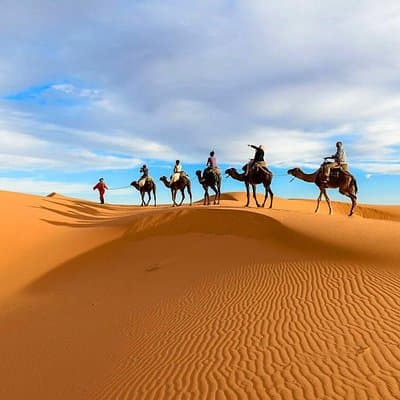
ab 110 €
Verfügbarkeit prüfenTouren und Preise von Viator, einem Tripadvisor-Unternehmen. Preise ändern sich je nach Datum. Wir erhalten eventuell eine Provision, wenn Sie buchen – ohne Mehrkosten für Sie.
Marrakech's food is a celebration of spices, slow cooking, and communal dining. The cuisine blends Berber, Arab, and Andalusian influences, centered around tagines, couscous, and an array of street food. Dining ranges from humble stalls in the souk to opulent palace restaurants.
Look for stalls with long lines of locals—it's the best indicator of quality and freshness.
Book riad dinners in advance, as they often cook for a limited number of guests.
Many contemporary restaurants are in Gueliz and Hivernage, offering a break from traditional flavors.
Visit a local patisserie in the morning for the freshest selection of almond-based pastries.
Spring (March-May) is arguably the ideal time. Days are warm and sunny, gardens are in bloom, and evenings are pleasantly cool.
Pros:
Cons:
Summer (June-August) is intensely hot and dry, with temperatures often exceeding 40°C (104°F). It's the low season for a reason.
Pros:
Cons:
Autumn (September-November) brings relief from the heat. Warm, sunny days and cooler nights return, making it another peak season.
Pros:
Cons:
Winter (December-February) is mild during the day but can be surprisingly cold at night, especially in unheated riads. Mountain peaks are snow-capped.
Pros:
Cons:
Vergleiche Preise für Züge, Busse und Flüge nach Marrakech
Gib deine Abfahrtsstadt ein, um Preise zu sehen

1 hour by car/grand taxi
A scenic escape into the foothills of the High Atlas Mountains. Follow the river past traditional Berber villages, visit a women's argan oil cooperative, and hike to the Setti Fatma waterfalls.
2.5 hours by car or bus
A windswept, fortified port city on the Atlantic coast with a completely different vibe. Explore its blue-shuttered medina (a UNESCO site), fresh seafood grills, and expansive sandy beach.
2.5-3 hours by car/grand taxi
Visit North Africa's tallest waterfalls, cascading over 100 meters into a series of pools. The site is surrounded by olive groves and is home to troops of Barbary macaques.
Marrakech can be very affordable for budget travelers, but luxury options are plentiful and can escalate costs quickly. The medina offers the best value for accommodation and food.
Budget
€30-50 ($35-55) for dorm beds, street food, and walking/public transport
per day
Mid-Range
€80-150 ($90-165) for a private riad room, mid-range meals, and occasional taxis/tours
per day
Luxury
€250+ ($275+) for 5-star hotels, fine dining, private guides, and spa treatments
per day
A recently restored 19th-century palace and garden in the medina, featuring both an exotic and an Islamic garden.
It's far less crowded than Majorelle, offers a stunning rooftop café with medina views, and provides deep insight into traditional Moroccan garden design and water systems.
A cultural center housed in a former stork hospital ('bellarj' means stork) near the Ben Youssef Madrasa.
It hosts excellent contemporary art and craft exhibitions focused on Moroccan culture, with a beautiful courtyard café that's a quiet haven.
A quirky cultural café in a restored medina house, known for blending Moroccan traditions with a hip, international vibe.
It's a hub for cultural events like storytelling nights, cooking classes, and live music. Try their famous camel burger for a unique twist.
Visit the less-famous tanneries near Bab Debbagh, where leather is still processed using ancient methods.
It's a more authentic and less pressured experience than the main Chouara Tannery in Fez. You'll be given mint to smell and can observe the process from surrounding rooftops.
A museum of contemporary African art and Berber culture located in the palm grove area north of the city.
It combines fascinating exhibits with beautiful gardens and a poolside café, offering a peaceful, artistic escape far from the tourist trail.
Marrakech's culture is a proud blend of Berber, Arab, and Islamic traditions, expressed through intricate craftsmanship, warm hospitality, and a deep connection to community and family. Religion and daily life are closely intertwined, with a rhythm set by the call to prayer.
Yes, Marrakech is generally very safe for tourists. Petty crime like pickpocketing can occur in crowded areas like Jemaa el-Fnaa, so keep valuables secure. The main annoyance is persistent hassle from unofficial guides and vendors—a firm but polite 'no thank you' (la, shukran) is the best response.
It's not recommended for visitors to drink tap water. Stick to bottled water, which is inexpensive and widely available. Many riads and hotels provide filtered water for guests. Use bottled water for brushing your teeth to avoid any stomach issues.
No, but it helps. English is widely spoken in tourist areas, hotels, and restaurants. Basic French is extremely useful, as it's the primary language of business and tourism. Learning a few Arabic or Berber phrases (like hello and thank you) is greatly appreciated by locals.
Morocco uses 220V electricity with Type C and Type E plugs (two round pins). Travelers from the US, UK, and other regions will need a power adapter. Many riads have limited outlets, so a multi-plug adapter or small power strip can be useful.
Yes, in hotels and registered riads, it is perfectly acceptable for unmarried foreign couples to share a room. Moroccan law for tourists is not applied in this regard. However, public displays of affection should be minimal to respect local customs.
Politeness with firmness is key. A simple, clear 'No, thank you' ('La, shukran') while continuing to walk is most effective. Avoid prolonged eye contact or stopping to talk if you're not interested. If you want a guide, hire an official, licensed guide through your hotel or riad.
Non-Muslims cannot enter the Koutoubia Mosque itself, but you can admire its magnificent 12th-century architecture and minaret from the extensive gardens that surround it. The gardens are a lovely place for a stroll, especially at sunset.
Pack lightweight, loose, and modest clothing for summer, with a scarf for women. For winter, bring layers—warm sweaters and a jacket for cool evenings. Comfortable walking shoes are essential for the medina's uneven streets. Sunscreen, a hat, and sunglasses are crucial year-round.
Typische Tageskosten für eine Person, von günstig bis komfortabel.
| Günstig | Mittelklasse | Komfort | |
|---|---|---|---|
| Unterkunft (pro Nacht) | 25 € | 65 € | 140 € |
| Essen und Trinken (pro Tag) | 8 € | 18 € | 38 € |
| Sehenswürdigkeiten und Aktivitäten (pro Tag) | 6 € | 16 € | 38 € |
| Gesamt pro Tag | 39 € | 99 € | 216 € |
Die Schätzungen enthalten keine Flüge und keinen Fernverkehr. Tageskosten verschiedener Städte vergleichen
Hotels nahe dem Zentrum von Marrakesch, von günstig bis luxuriös. Die Preise sind typische Übernachtungspreise zum Zeitpunkt unserer letzten Prüfung.
 Günstig
 Günstig
 Mittelklasse
 Mittelklasse
 Gehoben
 Gehoben
 Luxus
 Luxus
Die Hotelpreise stammen von Traveloka, zuletzt geprüft am 4. Februar 2026, und ändern sich je nach Reisedatum. Wenn du über unsere Links buchst, erhalten wir möglicherweise eine Provision – für dich ohne Mehrkosten.
Beliebte Zug-, Bus- und Flugverbindungen mit Reisezeiten und Preisen.
Lass KI den perfekten Reiseplan für deinen Trip nach Marrakesch erstellen. Beschreibe einfach, was du erleben möchtest.
Marrakesch-Reise planen