Sapa 2 Tage 1 Nacht von Hanoi - Übernachtung in Ta Van Village
4.92.837 Bewertungen48h
ab 54 €
Verfügbarkeit prüfen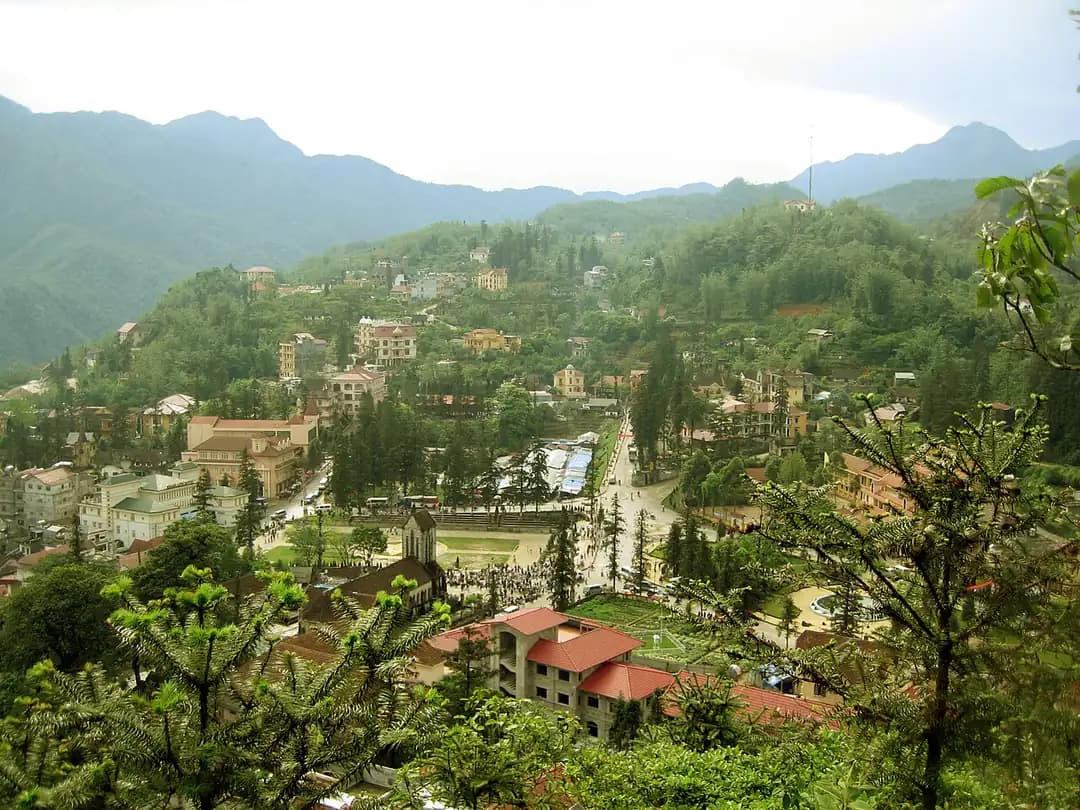
Vietnam
Nestled in Vietnam's misty northern highlands, Sapa is more than just a scenic escape—it's a living cultural tapestry woven by H'mong, Dao, Tay, and Giay communities. The landscape is a masterpiece of human ingenuity: centuries-old terraced rice fields cascade down mountainsides like emerald stairways to the sky, particularly breathtaking in Muong Hoa Valley where ancient rock carvings tell forgotten stories. This former French hill station has transformed into Southeast Asia's premier trekking hub, where winding trails lead past waterfalls like Silver and Love, through bamboo forests, and into villages like Cat Cat and Ta Phin where indigo-dyed fabrics and silver jewelry crafts endure.
What truly defines Sapa is its atmospheric duality—mornings often begin with a surreal sea of clouds blanketing the valleys, only to burn away by afternoon revealing jagged peaks of the Hoàng Liên Son range, including Fansipan, Indochina's rooftop at 3,147 meters. Unlike anywhere else in Vietnam, you'll share trails with H'mong women in traditional embroidered jackets carrying woven baskets, hear the clang of blacksmiths in Lao Chai, and smell woodsmoke from stilt houses where generations have lived unchanged by time. The weekend Love Market isn't just tourist spectacle—it's a centuries-old tradition where ethnic youth still court through folk songs, and the vibrant Saturday night market fills Sapa's stone church square with the scent of grilled meats and mountain herbs.
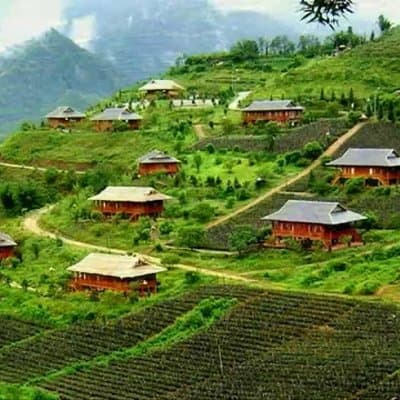
Trek through living cultural landscapes—follow local H'mong guides along buffalo paths through Ta Van village's working rice terraces, cross rattan bridges over the Muong Hoa River, and visit Red Dao families in Ta Phin known for their herbal bath traditions and intricate coin-adorned headdresses.
Conquer Fansipan, the 'Roof of Indochina'—take the world's longest three-rope cable car from Muong Hoa Station for 20-minute aerial views over terraced valleys, then ascend the final 600 steps to the 3,147-meter summit where golden Buddhist statues emerge from swirling clouds.
Experience authentic ethnic markets—wake before dawn for Can Cau Saturday market near the Chinese border where Flower H'mong in vibrantly embroidered costumes trade water buffalo, or visit Bac Ha's Sunday market to taste thang co (horse stew) and see traditional horse trading.
Photograph ever-changing landscapes—capture the 'sea of clouds' phenomenon at sunrise from Ham Rong Mountain's orchid gardens, the golden hour glow on Hoang Lien National Park's peaks, or the mirrored terraces during May planting season when they become liquid silver.
Discover unique handicraft traditions—learn batik techniques from H'mong artisans in Cat Cat village, watch Red Dao women create intricate embroidery patterns passed through generations, or purchase hand-forged silver jewelry in Giay Ta Van village.
Taste highland culinary specialties—sample salmon raised in cold mountain streams at local farms, try bamboo-tube rice cooked over open fires during treks, and warm up with corn wine (ruou ngo) shared in stilt house homestays.
Bereit, Sapa zu entdecken?
The bustling heart of Sapa with French colonial architecture, stone churches, and a lively tourist infrastructure. This compact area revolves around the main square where the weekend Love Market occurs, surrounded by cafes with mountain views, trekking agencies, and craft shops.
Highlights:
Best for:
Sapa's most iconic landscape, this vast valley contains thousands of terraced rice fields cascading down mountainsides. Scattered ethnic villages dot the valley floor, connected by trekking paths that offer the region's most photographed vistas.
Highlights:
Best for:
The most accessible trekking route from Sapa town, featuring dramatic waterfalls and traditional H'mong villages. This area balances tourist development with authentic culture, where you'll see water-powered rice mills and traditional textile weaving.
Highlights:
Best for:
The gateway to Vietnam's highest peak, this modern development area features the cable car station, spiritual complexes, and luxury resorts with unparalleled mountain views. It's a blend of natural grandeur and contemporary Vietnamese tourism infrastructure.
Highlights:
Best for:
Die Touren und Tickets, die Reisende am häufigsten buchen, mit Bewertungen von Viator.
ab 54 €
Verfügbarkeit prüfen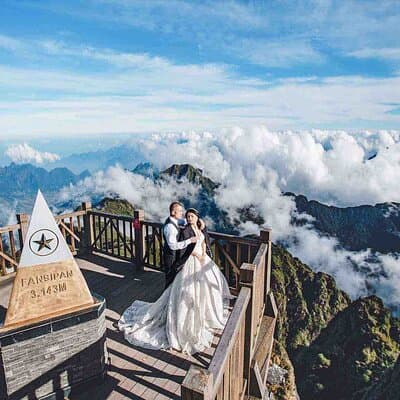
ab 29 €
Verfügbarkeit prüfen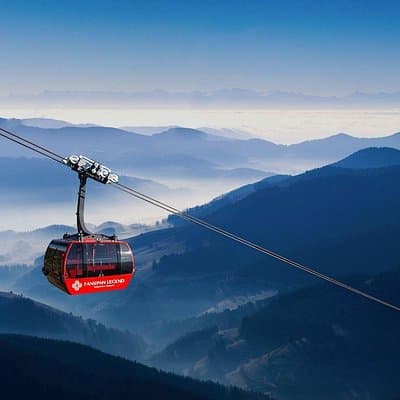
ab 29 €
Verfügbarkeit prüfen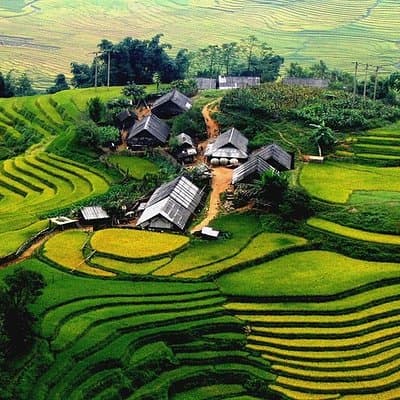
ab 81 €
Verfügbarkeit prüfenTouren und Preise von Viator, einem Tripadvisor-Unternehmen. Preise ändern sich je nach Datum. Wir erhalten eventuell eine Provision, wenn Sie buchen – ohne Mehrkosten für Sie.
Sapa's cuisine reflects its highland climate and ethnic diversity—think hearty stews, forest-gathered herbs, and unique proteins like salmon and black mountain pig. Meals are often cooked over wood fires in village homes, with ingredients sourced from terraced fields and surrounding forests.
Homestay dinners typically cost 100,000-150,000 VND—arrive by 5 PM to help prepare and learn cooking techniques.
Restaurants near the stone church are touristy but reliable—venture 2-3 blocks away for better prices and authenticity.
Morning markets (6-9 AM) have the freshest food—look for stalls with local customers rather than tourist crowds.
Herbal baths cost 150,000-200,000 VND—book through homestays for authentic preparations using 10+ medicinal plants.
March to May brings moderate temperatures (15-22°C) and the spectacular planting season when terraces fill with water, creating mirror-like reflections. Flowers bloom across hillsides, and ethnic festivals celebrate the new agricultural cycle.
Pros:
Cons:
June to August sees warmer days (20-25°C) but frequent afternoon showers that create dramatic mists. Terraces turn brilliant green, waterfalls swell, and it's harvest season for plums and peaches in valley orchards.
Pros:
Cons:
September to November offers the clearest skies and golden rice harvests. Temperatures range from 12-20°C with crisp mornings ideal for sunrise photography. This is peak trekking season with dry trails and panoramic visibility.
Pros:
Cons:
December to February can bring temperatures down to freezing, with occasional frost and rare snow on Fansipan. Terraces lie fallow but reflect winter skies, and fireplaces glow in homestays. This is the quietest, most atmospheric season.
Pros:
Cons:
Vergleiche Preise für Züge, Busse und Flüge nach Sapa
Gib deine Abfahrtsstadt ein, um Preise zu sehen

2.5 hours by shared minivan from Sapa
Vietnam's most colorful ethnic market where Flower H'mong, Dao, Tay, and Nung communities gather in vibrant traditional dress. Beyond tourist souvenirs, you'll witness authentic buffalo trading, traditional horse stew preparation, and centuries-old social rituals.
30 minutes by motorbike or 1.5-hour trek from Sapa
Immerse in Red Dao culture known for intricate embroidery, silver jewelry, and medicinal herbal baths. This less-commercialized village offers authentic homestay experiences and opportunities to learn traditional crafts directly from artisans.
45 minutes by motorbike or car from Sapa
Visit Vietnam's highest waterfall and the country's highest mountain pass (1,900m) for breathtaking panoramas of Fansipan. The area offers short hikes through pine forests and viewpoints overlooking the Hoang Lien Son range.
Sapa offers excellent value, with homestays and local food keeping costs low. Trekking guides and cable car rides are main expenses. Budget travelers can manage on $25/day, while luxury resorts cost $150+/night.
Budget
$25-35 for dorm/homestay, street food, public transport, and self-guided walks
per day
Mid-Range
$50-80 for private room, restaurant meals, guided day treks, and motorbike rental
per day
Luxury
$150+ for mountain-view resorts, private guides, cable car experiences, and spa treatments
per day
Vietnam's longest mountain pass between Lai Chau and Lao Cai provinces, offering spectacular sunrise views above cloud layers.
Few tourists make the early morning journey—the panoramic views of cloud seas with Fansipan peaks emerging are arguably better than Fansipan summit itself.
A Black H'mong village tucked in a quiet valley below the main tourist trail between Lao Chai and Ta Van.
More authentic than neighboring villages—no entrance fees, fewer handicraft stalls, and traditional hemp cloth production still practiced in family homes.
A serene bamboo grove along the Muong Hoa River, accessible via a hidden path behind Ta Van's main homestay area.
Perfect escape from trekking crowds—listen to bamboo creaking in wind, spot river birds, and find peaceful meditation spots locals use.
Centuries-old wild tea trees in remote hills above Ta Phin village, harvested by Red Dao for medicinal tea.
The 400+ year old trees produce unique bitter tea prized locally—you can join harvesting (Oct-Nov) and tasting sessions not advertised to tourists.
A 100-meter cascade in Hoang Lien National Park, named for local legends of fairy love stories.
Less visited than Silver Waterfall—requires 2km forest walk through old-growth trees with possible black squirrel sightings, and has a magical misty atmosphere.
Sapa's culture is defined by its ethnic minorities—H'mong (53%), Dao (25%), Tay, and Giay—who maintain distinct languages, dress, and traditions despite tourism. Life revolves around agricultural cycles, ancestor worship, and community markets. French colonial influence remains in architecture but not daily life.
For villages along main trails (Cat Cat to Ta Van), no guide is needed. For remote routes or overnight homestays, local H'mong guides (400,000-600,000 VND/day) enhance safety, provide cultural context, and ensure homestay arrangements. They know weather changes and hidden paths.
Yes, Sapa is generally safe. Book reputable homestays, avoid walking remote trails alone at dusk, and hire female guides through Sapa's tourism office. H'mong women guides often prefer female clients. Street harassment is rare compared to Vietnamese cities.
Not recommended—the 5-6 hour journey each way leaves no time for exploration. Minimum 2 nights allows one full trekking day. Overnight sleeper buses depart Hanoi at 9-10 PM, arriving Sapa at 4-5 AM, with return buses at 4-5 PM.
Essential items: waterproof hiking shoes, layered clothing (temperatures vary 20°C daily), rain jacket, sunscreen (high altitude), insect repellent, headlamp for homestays, small VND notes for village purchases, and plastic bags to protect electronics from mist.
Yes, but limited. Vietcombank and Agribank ATMs in Sapa town dispense VND, but they sometimes run out on weekends. Withdraw in Hanoi before coming. Homestays and village shops don't accept cards—bring enough cash for your stay (2-3 million VND for 3 days).
Varies greatly. Cat Cat village is an easy 3km downhill walk. Lao Chai to Ta Van is moderate 12km with some steep sections. Fansipan summit is strenuous 2-day climb. Most popular village treks are manageable for average fitness—allow 4-6 hours with breaks. Rent trekking poles (20,000 VND) if needed.
Yes—choose homestays over day visits, hire local guides directly (not through Hanoi agencies), buy handicrafts from artisans not middlemen, ask permission before photos, and learn basic cultural etiquette. Avoid villages that charge mandatory 'entrance fees' to individuals.
Black H'mong wear indigo-dyed hemp clothing with batik patterns and silver jewelry. Red Dao wear red embroidered headdresses with coin tassels and are known for herbal medicine. H'mong are more numerous in valleys, while Dao often live higher up. Both have distinct languages and traditions.
Typische Tageskosten für eine Person, basierend auf Durchschnittspreisen in Vietnam.
| Günstig | Mittelklasse | Komfort | |
|---|---|---|---|
| Unterkunft (pro Nacht) | 12 € | 32 € | 75 € |
| Essen und Trinken (pro Tag) | 6 € | 14 € | 30 € |
| Sehenswürdigkeiten und Aktivitäten (pro Tag) | 4 € | 12 € | 28 € |
| Gesamt pro Tag | 22 € | 58 € | 133 € |
Die Schätzungen enthalten keine Flüge und keinen Fernverkehr. Tageskosten verschiedener Städte vergleichen
Hotels nahe dem Zentrum von Sapa, von günstig bis luxuriös. Die Preise sind typische Übernachtungspreise zum Zeitpunkt unserer letzten Prüfung.
 Günstig
 Günstig
 Mittelklasse
 Mittelklasse
 Gehoben
 Gehoben
 Luxus
 Luxus
Die Hotelpreise stammen von Traveloka, zuletzt geprüft am 4. Februar 2026, und ändern sich je nach Reisedatum. Wenn du über unsere Links buchst, erhalten wir möglicherweise eine Provision – für dich ohne Mehrkosten.
Lass KI den perfekten Reiseplan für deinen Trip nach Sapa erstellen. Beschreibe einfach, was du erleben möchtest.
Sapa-Reise planen