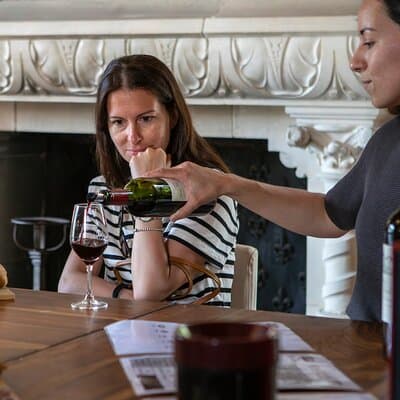
Tour de vino y cata de Medoc o Saint Emilion desde Burdeos
4.81522 opiniones4h 30m
desde 85 €
Ver disponibilidad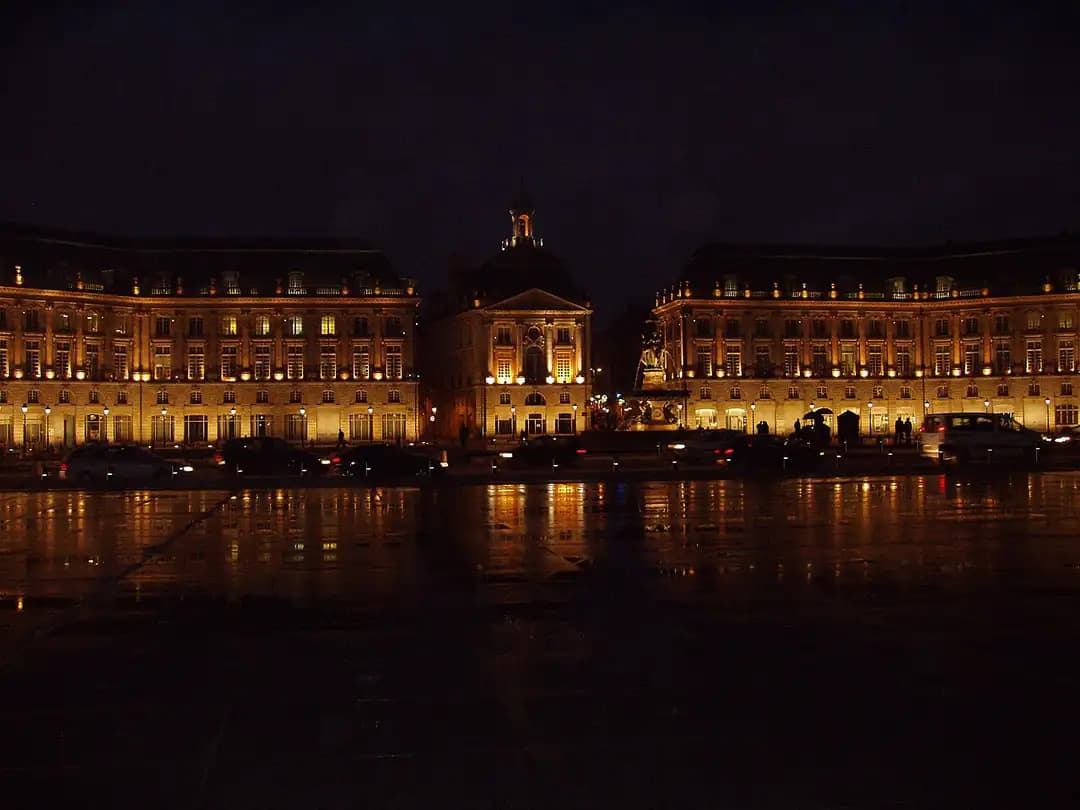
France
Bordeaux is a city that wears its elegance with effortless grace. Beyond its global reputation as the wine capital of the world, you'll find a living museum of 18th-century architecture, where the honey-colored stone of Place de la Bourse reflects perfectly in the Miroir d'Eau, Europe's largest reflecting pool. The city's recent renaissance is palpable along the revitalized Garonne River quays, where locals cycle, skate, and picnic, and in the sleek tram system that glides past historic monuments.
This is a city for the senses. The scent of freshly baked canelés wafts from bakeries in the Saint-Pierre district, while the futuristic Cité du Vin offers a multi-sensory journey through global wine culture. Bordeaux masterfully balances its aristocratic past with a dynamic, youthful energy, best experienced by losing yourself in the labyrinth of pedestrian streets, discovering intimate wine bars, and witnessing the golden hour light wash over the Porte Cailhau.
A UNESCO World Heritage site with over 350 protected buildings, offering an unparalleled open-air museum of 18th-century architecture. Walk the 'Golden Triangle' to see grand mansions, marvel at the Gothic spires of Saint-André Cathedral, and experience the theatrical water mist of the Miroir d'Eau.
The epicenter of the world's most famous wine region. Tour legendary châteaux in Margaux, Saint-Émilion, or Pomerol, or dive deep at the interactive Cité du Vin. Sample rare vintages in sophisticated wine bars like Le Bar à Vin or at the Marché des Capucins.
An exceptional and evolving culinary scene rooted in Southwest France. Feast on Arcachon Bay oysters, duck confit, and entrecôte à la bordelaise at traditional bistros, then seek out innovative neo-bistros and the city's iconic pastry, the caramelized canelé.
A remarkably livable and pedestrian-friendly city center. Explore Europe's longest shopping street, Rue Sainte-Catherine, on foot, rent a V³ bike to cruise along the river, or hop on the efficient tram to connect key districts with ease.
A vibrant cultural hub with major festivals. Experience the Bordeaux Fête le Vin (wine festival), the Bordeaux Rock festival, or the contemporary art scene at the CAPC museum, housed in a stunning former warehouse.
Perfectly positioned for exploring the diverse Aquitaine region. Take easy day trips to the Atlantic beaches at Arcachon, the medieval hilltop village of Saint-Émilion, or the vast Dune du Pilat, Europe's tallest sand dune.
¿Listo para explorar Burdeos?
The historic heart of Bordeaux, a maze of narrow, pedestrianized streets lined with medieval and Renaissance buildings. This is where you'll find the city's most atmospheric squares, bustling cafes, and hidden passageways.
Highlights:
Best for:
Once the district of wine merchants, Chartrons retains its aristocratic charm with grand 18th-century houses along the quays. Now it's a trendy area brimming with antique shops, art galleries, and chic wine bars.
Highlights:
Best for:
The revitalized riverfront is Bordeaux's living room, with wide promenades perfect for cycling and relaxing. Cross the Pont de Pierre to La Bastide on the right bank for a quieter, more local and creative scene.
Highlights:
Best for:
A vibrant, multicultural, and bohemian district centered around the flamboyant Gothic Saint-Michel Basilica and its separate bell tower. The area is lively, less polished, and full of character.
Highlights:
Best for:
Los tours y entradas que más reservan los viajeros, con valoraciones y opiniones de Viator.
desde 85 €
Ver disponibilidad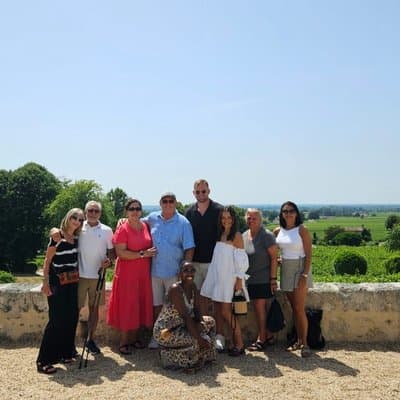
desde 160 €
Ver disponibilidad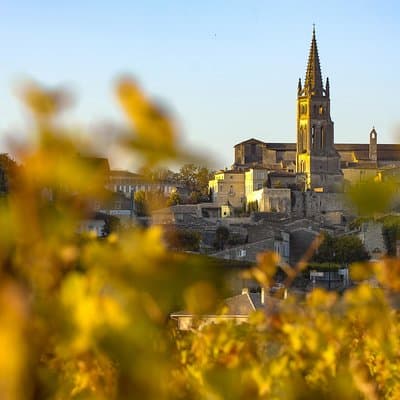
desde 95 €
Ver disponibilidad
desde 105 €
Ver disponibilidadTours y precios de Viator, una empresa de Tripadvisor. Los precios cambian según las fechas. Podemos recibir una comisión si reservas, sin coste extra para ti.
Bordeaux's cuisine is robust and wine-friendly, deeply influenced by its proximity to the Atlantic Ocean, the Landes forest, and its famed vineyards. Think duck, oysters, lamb, and mushrooms, all prepared with a focus on rich, reduced sauces that pair perfectly with the local reds.
Look for the 'Plat du Jour' (daily special) for a fresh, good-value meal, often served at lunch.
Oysters are traditionally eaten with just a squeeze of lemon and a slice of rye bread with butter. Pair them with a crisp white Bordeaux, like Entre-Deux-Mers.
At a 'bar à vin', you can often order wine by the glass, carafe, or bottle, accompanied by excellent small plates (planches).
Canelés are best eaten the day they are made. For a unique souvenir, some shops sell copper canelé molds.
Spring is delightful, with mild temperatures, blooming gardens, and fewer crowds before the peak season. The vineyards begin to turn green.
Pros:
Cons:
Warm, sunny, and vibrant, with long days perfect for riverfront activities and day trips to the coast. This is festival and high season.
Pros:
Cons:
Arguably the best time to visit. The weather remains pleasant, the vineyards turn golden and red for harvest (vendange), and the city is alive with cultural events.
Pros:
Cons:
Quiet, cool, and often damp, with a festive atmosphere around Christmas. A great time for museum-hopping, cozy wine bars, and enjoying the city without crowds.
Pros:
Cons:
Compara precios de trenes, autobuses y vuelos a Bordeaux
Introduce tu ciudad de salida para ver precios

35 min by train
A breathtakingly beautiful medieval village entirely dedicated to wine, nestled among rolling vineyards and classified as a UNESCO World Heritage site. Explore its monolithic church, underground catacombs, and countless prestigious châteaux.
50 min by train to Arcachon, then 15 min by bus
Escape to the Atlantic coast for fresh seafood, elegant 19th-century villas, and the stunning natural wonder of the Dune du Pilat – the tallest sand dune in Europe, offering incredible views over the bay and forest.
45-60 min by car (tour recommended)
Drive the legendary 'Route des Châteaux' through some of the world's most famous wine estates, like Margaux, Latour, and Mouton Rothschild. The landscape is a majestic parade of grand vineyards and stunning neo-classical castles.
Bordeaux is a major European city with prices to match, but it's possible to visit on a range of budgets. Dining and accommodation are the main costs, but many attractions (like walking tours and city views) are free.
Budget
€60-90 per person for hostels, market meals, picnics, and walking/tram travel.
per day
Mid-Range
€120-220 per person for 3-star hotels, bistro lunches, nice dinners, museum entries, and a wine tour.
per day
Luxury
€300+ per person for 4/5-star hotels, fine dining, private château tours, and spa treatments.
per day
A vast alternative cultural hub and urban farm set in a former military barracks on the right bank (La Bastide).
It's a unique glimpse into Bordeaux's creative, eco-conscious future, with street art, organic food, skate parks, workshops, and a great weekend market.
A tiny, enchanting secret garden hidden behind an unassuming green door in the Saint-Pierre district.
A peaceful oasis away from the crowds, maintained by locals, filled with flowers and shaded benches. Ring the bell for entry.
A small, authentic wine museum located in the cellars of a former Irish wine merchant's house in Chartrons.
More intimate and historical than the high-tech Cité du Vin, it offers a genuine feel for the wine trade's history and includes a tasting.
The city's oldest bridge, commissioned by Napoleon, with 17 arches (one for each letter in 'Napoleon Bonaparte').
For a spectacular, free view of the golden city skyline with the Cathedral and Place de la Bourse, walk across or view it from the right bank at sunset.
A charming, narrow, and slightly sloping cobbled street in Old Town, often missed by tourists rushing to major squares.
It's one of the most picturesque and perfectly preserved medieval streets, lined with stone houses and ivy, offering a true step back in time.
Bordelais culture is a blend of aristocratic refinement and laid-back southwestern conviviality. There's a deep pride in local heritage (wine, gastronomy, stone architecture) balanced with a forward-looking, eco-friendly urbanism. Life is lived at a measured pace, with emphasis on good food, good wine, and quality of life.
Not for the city itself, which is best explored on foot, by bike, or tram. However, a car is highly recommended if you want to explore the surrounding wine regions (Médoc, Saint-Émilion) and countryside at your own pace. Alternatively, join organized tours or use regional trains for specific destinations like Saint-Émilion.
Yes, Bordeaux is generally a very safe city. Standard precautions apply: be aware of pickpockets in crowded tourist areas like Rue Sainte-Catherine and on trams, and avoid poorly lit areas late at night. The city center is well-patrolled and lively into the evening.
Some châteaux accept walk-ins, especially larger ones or those with dedicated visitor centers. However, it is strongly advised to book tours in advance, particularly for English-language tours and for the most prestigious estates. Many require online reservations.
Walking is absolutely the best way for the UNESCO-listed core. For longer distances (e.g., from the train station to Chartrons), use the efficient tram system. The V³ bike-share is excellent for exploring the lengthy riverfront promenades.
A minimum of 2 full days is needed to see the city's highlights. With 3-4 days, you can comfortably explore the city and take one or two day trips to nearby vineyards or the coast. A week allows for a deep dive into the region.
In major tourist areas, hotels, and at wine châteaux, English is commonly spoken. However, learning a few basic French phrases is greatly appreciated and can be necessary in smaller shops, local markets, and traditional bistros.
Pack comfortable walking shoes, layers for changeable weather, and smart-casual attire for dining out. Even in summer, a light jacket for cooler evenings is wise. Don't forget a reusable water bottle – the tap water is safe to drink.
For first-timers, the Saint-Pierre (Old Town) or Quinconces areas put you in the heart of the historic sights. Chartrons offers a more local, upscale vibe. The quays near Place de la Bourse provide stunning views. Saint-Michel is more bohemian and budget-friendly.
Costes diarios habituales para un viajero, según los precios medios de France.
| Económico | Gama media | Cómodo | |
|---|---|---|---|
| Alojamiento (por noche) | 45 € | 105 € | 180 € |
| Comida y bebida (por día) | 18 € | 38 € | 75 € |
| Visitas y actividades (por día) | 8 € | 25 € | 55 € |
| Total por día | 71 € | 168 € | 310 € |
Las estimaciones no incluyen vuelos ni transporte de larga distancia. Compara los costes diarios entre ciudades
Hoteles cerca del centro de Burdeos, de económicos a lujo. Los precios son tarifas por noche habituales en nuestra última consulta.
 Económico
 Económico
 Gama media
 Gama media
 Superior
 Superior
 Lujo
 Lujo
Los precios de hotel proceden de Traveloka, consultados por última vez el 4 de febrero de 2026, y varían según tus fechas. Podemos recibir una comisión si reservas a través de nuestros enlaces, sin coste adicional para ti.
Conexiones populares en tren, autobús y avión, con tiempos de viaje y tarifas.
Deja que la IA cree el itinerario perfecto para tu viaje a Burdeos. Solo describe lo que quieres experimentar.
Planificar viaje a Burdeos