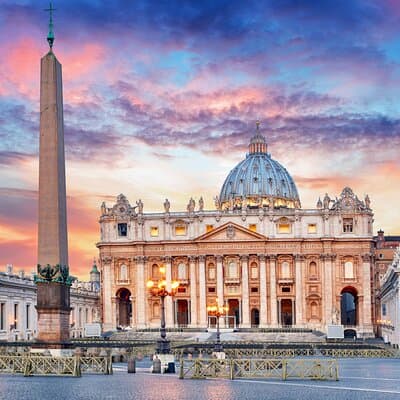
Visita guiada a los Museos Vaticanos, la Capilla Sixtina y la Basílica de San Pedro
4.542.000 opiniones3h
desde 69 €
Ver disponibilidad
Italy
Rome doesn't just contain history—it lives and breathes it. This is a city where you might stumble upon a 2,000-year-old temple while searching for your morning espresso, where medieval churches are built atop ancient pagan shrines, and where Renaissance fountains still provide the soundtrack to neighborhood life. Every cobblestone has a story.
The Eternal City earns its name through sheer persistence. Empires rose and fell, popes warred and built, and artists transformed stone into miracles—yet Romans carried on with their daily rituals of coffee, conversation, and la dolce vita. Today's Rome layers contemporary energy atop millennia of civilization: aperitivo bars spill onto piazzas designed by Bernini, street food vendors sell supplì beside ancient ruins.
What surprises first-time visitors is how liveable Rome feels. Beyond the Vatican queues and Colosseum crowds exists a city of neighborhood trattorias, hidden courtyards, and evening passeggiate where families stroll and gelato consumption is mandatory. Rome rewards the wanderer who gets lost in Trastevere's alleys or climbs the Aventine Hill at sunset.
Walk through 3,000 years of history in a single afternoon—from the Roman Forum where emperors ruled to Baroque masterpieces and modern Italian life.
Experience the Vatican Museums and Sistine Chapel, home to some of humanity's greatest artistic achievements, including Michelangelo's ceiling that changed art forever.
Discover why Italian food culture started here—from the simplicity of cacio e pepe to the ritual of afternoon espresso at a neighborhood bar.
Explore neighborhoods that feel like separate villages—bohemian Trastevere, elegant Prati, working-class Testaccio—each with its own character and secrets.
Witness Baroque Rome, where Bernini and Borromini turned the city into an open-air gallery of dramatic fountains, curving facades, and theatrical piazzas.
Live la dolce vita: linger over long lunches, take the afternoon slow, and join Romans for the evening passeggiata as the city turns golden.
¿Listo para explorar Roma?
Rome's most romantic neighborhood winds through cobblestone alleys, past ivy-covered trattorias, and around intimate piazzas. Once working-class, now beloved by Romans and visitors alike for its village atmosphere and vibrant nightlife.
Highlights:
Best for:
The historic heart where ancient temples, Renaissance palaces, and Baroque churches compete for attention. Every piazza is a masterpiece—Navona, Campo de' Fiori, the Pantheon—linked by narrow streets alive with cafés and artisan shops.
Highlights:
Best for:
Rome's most authentic neighborhood, built on an ancient Roman rubbish dump and still home to the city's best traditional trattorias. This is where chefs come to eat, where butchers have perfected quinto quarto cuisine for generations.
Highlights:
Best for:
Rome's oldest neighborhood has reinvented itself as the city's hippest quarter. Vintage shops, wine bars, and independent boutiques line streets that once housed ancient Rome's red-light district.
Highlights:
Best for:
Los tours y entradas que más reservan los viajeros, con valoraciones y opiniones de Viator.
desde 69 €
Ver disponibilidad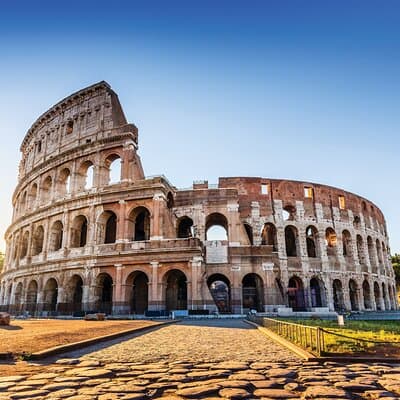
desde 59 €
Ver disponibilidad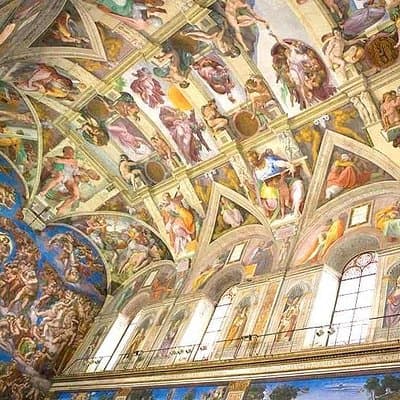
desde 20 €
Ver disponibilidad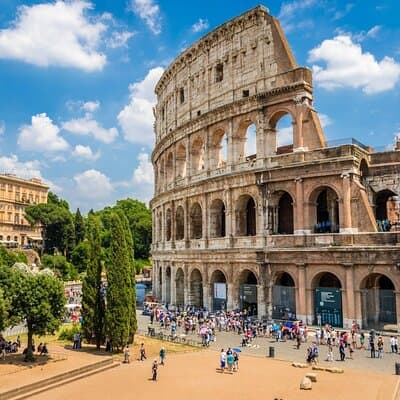
desde 49 €
Ver disponibilidadTours y precios de Viator, una empresa de Tripadvisor. Los precios cambian según las fechas. Podemos recibir una comisión si reservas, sin coste extra para ti.
Roman cuisine is proudly simple—a handful of quality ingredients transformed through technique passed down for generations. The classics (carbonara, cacio e pepe, amatriciana, gricia) follow strict rules that Romans defend passionately. This is not a city of culinary innovation; it's a city of perfection through tradition.
Book days ahead for dinner—or arrive at opening (12:30 or 7:30) without a reservation.
Roman pizza is thin and crispy, different from Neapolitan. Pizza al taglio (by the slice) is perfect for lunch on the go.
Street food is an art form here. Join the queue at popular spots—turnover means freshness.
The Jewish Ghetto has Rome's most unique cuisine. Fried artichokes and baccalà are must-tries.
Rome bursts into bloom with wisteria cascading over ancient walls and orange trees perfuming the streets. Easter brings special celebrations (and crowds), but April and May offer perfect sightseeing weather.
Pros:
Cons:
Hot, crowded, but undeniably festive. Romans escape to the beach, leaving the city to tourists and evening events. Opera at the Baths of Caracalla and outdoor cinema make nights magical if you can survive the days.
Pros:
Cons:
Rome's sweet spot. Summer crowds thin, temperatures cool to perfection, and Romans return from vacation re-energized. The light turns golden, making even familiar monuments look freshly beautiful.
Pros:
Cons:
Rome's low season reveals a different city—quieter, more local, with museums to yourself and trattorias full of Romans. Christmas brings nativity scenes to churches and holiday markets to piazzas.
Pros:
Cons:
Compara precios de trenes, autobuses y vuelos a Rome
Introduce tu ciudad de salida para ver precios

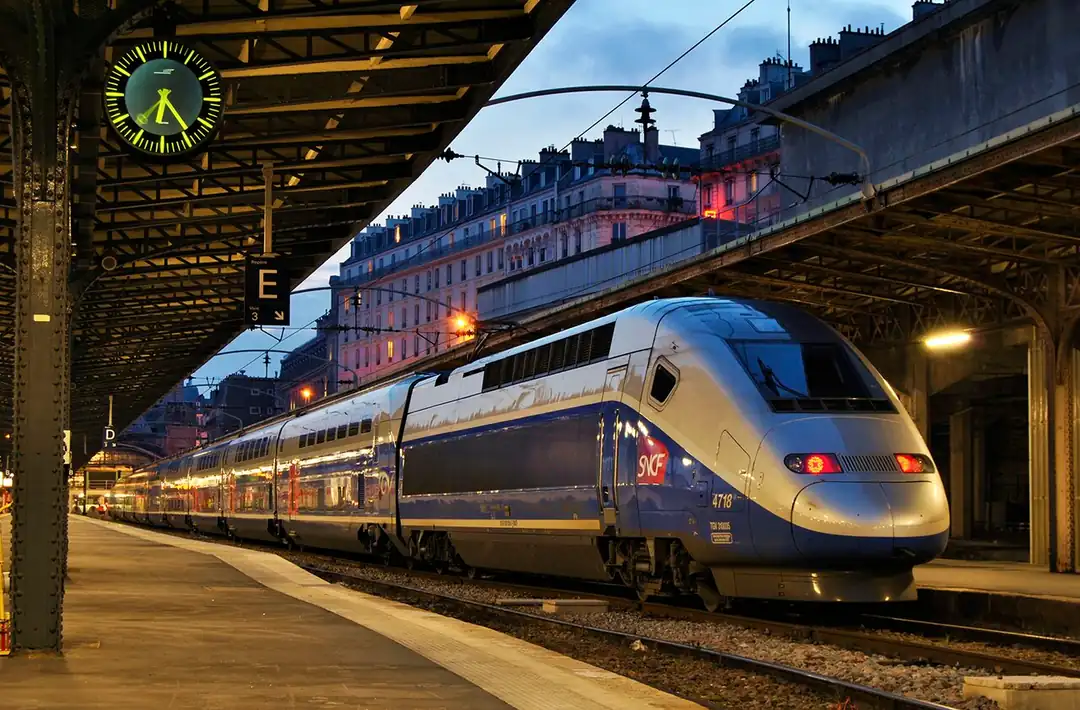
1 hour 10 minutes by high-speed train to Naples
Walk the streets of the ancient city frozen in time by Vesuvius, then explore Naples' chaotic charm, legendary pizza, and archaeological museum holding Pompeii's finest treasures.
45 minutes by regional train
Two UNESCO sites in one day: Hadrian's sprawling imperial retreat and the Renaissance Villa d'Este with its spectacular water gardens and hundreds of fountains.
1 hour by regional train
A dramatic hilltop town in Umbria crowned by one of Italy's most stunning Gothic cathedrals. Underground tunnels, excellent white wine, and a slower pace make this a perfect escape.
Rome offers excellent value compared to northern European capitals. Accommodation is your biggest expense; food and transport are remarkably affordable if you eat where locals eat and walk the compact center. Many of Rome's greatest sights—churches, piazzas, fountains—are completely free.
Budget
€60-90
per day
Mid-Range
€120-180
per day
Luxury
€300+
per day
A keyhole in the door of the Knights of Malta priory that perfectly frames St. Peter's dome through a garden tunnel.
It's the most Instagram-worthy view in Rome that most tourists never find—a perfectly composed glimpse of the Vatican through a secret keyhole.
Ancient Roman sculptures displayed among the machinery of Rome's first power plant—a stunning contrast of industrial and classical.
While crowds pack the Vatican Museums, this extraordinary collection sits nearly empty, offering one of Rome's most unique museum experiences.
A hidden neighborhood of fantastical Art Nouveau buildings that feel transported from a fairy tale—gargoyles, frescoes, and impossible architecture.
Tucked behind ordinary streets, this surreal quarter surprises even Romans. Perfect for photographers tired of ancient ruins.
A peaceful cypress-shaded cemetery where Keats and Shelley rest among crumbling monuments and prowling cats.
One of Rome's most romantic spots, largely unknown to visitors. The resident cats and weathered tombstones create an atmosphere poets would appreciate.
A 12th-century church built atop a 4th-century church built atop a 1st-century Mithraic temple—descend through layers of Roman history.
This underground journey through 2,000 years illustrates Rome's layered history better than any museum, yet sees a fraction of Vatican crowds.
Roman culture centers on the pleasures of daily life—good food, animated conversation, family bonds, and the art of bella figura (making a good impression). Life moves to its own rhythm: nothing happens fast, shops close for three-hour lunch breaks, and dinner rarely starts before 8:30pm. Embrace the pace.
Rome is very safe overall. Pickpocketing is the main concern—be vigilant on crowded buses (especially the 64), around Termini station, and at major tourist sites. Violent crime against tourists is rare. The historic center is safe at night, though some areas around Termini can feel sketchy.
A minimum of 3-4 days covers the highlights (Vatican, Colosseum, Centro Storico, Trastevere). A week allows deeper exploration of neighborhoods and day trips. Two weeks lets you adopt the Roman pace and discover the city beyond the guidebooks.
Yes, absolutely—especially in high season. Vatican Museums tickets should be booked 1-2 weeks ahead; morning slots sell out first. Colosseum tickets include the Forum and Palatine Hill. Book on official sites to avoid markup from resellers.
Centro Storico puts you in the heart of things but can be noisy and pricey. Trastevere offers charm and nightlife. Monti is hip and central. Prati is quiet, near the Vatican, with good restaurants. Testaccio is authentic but less convenient for sightseeing.
English is widely spoken in tourist areas, restaurants, and hotels. However, basic Italian phrases are appreciated and sometimes necessary in local neighborhoods. Romans respond warmly to attempts to speak their language.
The 'pane e coperto' (bread and cover charge, €1-3) is traditional in Italy—it covers table service, bread, and sometimes appetizers. Some restaurants add 'servizio' (service charge). Check the menu. When these are included, no tip is expected.
Yes! Rome's tap water is excellent—it comes from ancient aqueducts. The city's nasoni (small drinking fountains) provide free, cold water throughout the center. Block the main spout and water shoots up for easy drinking.
April-May and September-October offer ideal weather and manageable crowds. Easter week is beautiful but extremely crowded. Summer (July-August) is hot and many locals leave. Winter has no queues but shorter days and occasional rain.
Costes diarios habituales para un viajero, de económico a cómodo.
| Económico | Gama media | Cómodo | |
|---|---|---|---|
| Alojamiento (por noche) | 60 € | 140 € | 240 € |
| Comida y bebida (por día) | 17 € | 35 € | 70 € |
| Visitas y actividades (por día) | 8 € | 22 € | 50 € |
| Total por día | 85 € | 197 € | 360 € |
Las estimaciones no incluyen vuelos ni transporte de larga distancia. Compara los costes diarios entre ciudades
Hoteles cerca del centro de Roma, de económicos a lujo. Los precios son tarifas por noche habituales en nuestra última consulta.
 Económico
 Económico
 Gama media
 Gama media
 Superior
 Superior
 Lujo
 Lujo
Los precios de hotel proceden de Traveloka, consultados por última vez el 4 de febrero de 2026, y varían según tus fechas. Podemos recibir una comisión si reservas a través de nuestros enlaces, sin coste adicional para ti.
Conexiones populares en tren, autobús y avión, con tiempos de viaje y tarifas.
Deja que la IA cree el itinerario perfecto para tu viaje a Roma. Solo describe lo que quieres experimentar.
Planificar viaje a Roma