Cagliari: Un tour de comida sarda completa con Do Eat Better
5.0516 opiniones3h
desde 64 €
Ver disponibilidad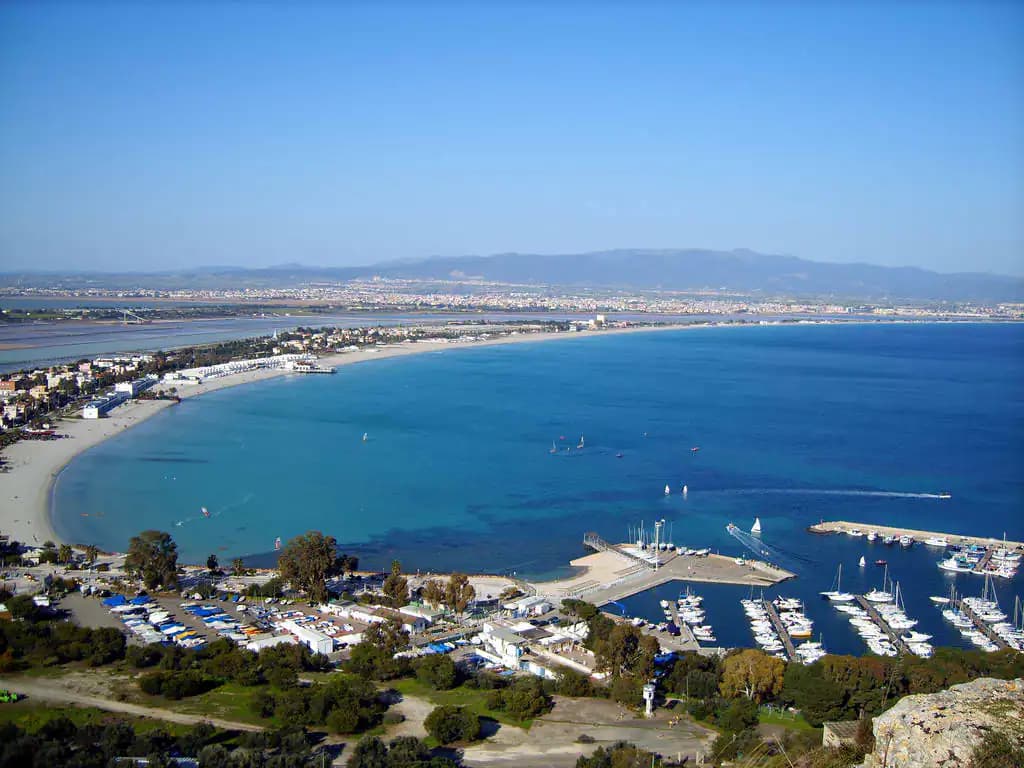
Italy
Cagliari isn't just a city; it's a layered history book where Phoenician walls meet Spanish palazzi and Art Nouveau cafes. The ancient Castello district, perched on a limestone hill, offers panoramic views over the Golfo degli Angeli, while the scent of salt and myrtle from the surrounding Molentargius-Saline ponds drifts through its medieval streets. This is a city where you can explore a 2nd-century Roman amphitheater carved into the hillside in the morning and spend the afternoon swimming in the turquoise waters of Poetto Beach, all before a sunset passeggiata along the monumental Bastione Saint Remy.
Beyond the postcard sights, Cagliari's soul is found in its vibrant markets like San Benedetto, a labyrinth of fresh seafood and pecorino cheese, and in the quiet, sun-drenched courtyards of the Marina district. It's a surprisingly green capital, home to pink flamingos that wade in the urban wetlands, and a culinary gateway to Sardinia's unique traditions, from crisp Vermentino wines to paper-thin pane carasau bread. The pace is distinctly Sardinian—relaxed, proud, and deeply connected to both land and sea.
A Living Historical Tapestry: Walk from the Punic-era Tuvixeddu necropolis to the Byzantine Basilica of San Saturnino, then up to the medieval Torre dell'Elefante in Castello, witnessing 3,000 years of civilization in a single afternoon.
Urban Beaches & Wild Coastline: The 8km-long Poetto Beach is the city's lively summer playground, while just beyond, the Sella del Diavolo (Devil's Saddle) promontory offers dramatic hiking trails with views over untouched coves.
A Unique Wildlife Spectacle: The Molentargius-Saline Regional Park, right on the city's edge, is one of Europe's most important wetlands, where hundreds of pink flamingos nest and feed year-round.
Sardinian Culinary Capital: Taste the island's essence at the Mercato di San Benedetto, then dine on fregola with clams, bottarga (cured mullet roe), and burrida (marinated dogfish) in traditional trattorias in the Marina district.
Vibrant Local Festivals: Experience the intense, centuries-old devotion of Sant'Efisio during the May 1st procession, or the colorful light displays and bonfires of the Festa di Sant'Antonio Abate in January.
Perfect Hub for Exploration: Use Cagliari's efficient transport to discover the pristine beaches of Villasimius, the Phoenician ruins of Nora, and the wild interior mountains of the Sarrabus region all in easy day trips.
¿Listo para explorar Cagliari?
The ancient fortified citadel atop the hill, Castello is the historic heart of Cagliari. Its narrow, cobbled lanes are lined with medieval towers, noble palaces, and quiet piazzas, offering breathtaking views from its ramparts. The vibe is scholarly and atmospheric, home to museums and the cathedral.
Highlights:
Best for:
The bustling port district at the foot of Castello, Marina is a grid of colorful streets filled with life. By day, it's a hub for markets and traditional shops; by night, its restaurants and bars buzz with locals and visitors. The vibe is authentic, maritime, and lively.
Highlights:
Best for:
One of the city's four historic quarters, Stampace is a warren of residential streets climbing the western hill. Less touristy than Castello, it's where everyday Cagliaritani life unfolds, with artisan workshops, local cafes, and important churches tucked into its folds.
Highlights:
Best for:
This isn't a traditional neighborhood but the city's expansive beachfront district. Stretching for 8km, Poetto is lined with stabilimenti (beach clubs), kiosks, and apartments. The vibe is casual, sporty, and focused on sun, sea, and socializing, especially in summer.
Highlights:
Best for:
Los tours y entradas que más reservan los viajeros, con valoraciones y opiniones de Viator.
desde 64 €
Ver disponibilidad
desde 45 €
Ver disponibilidad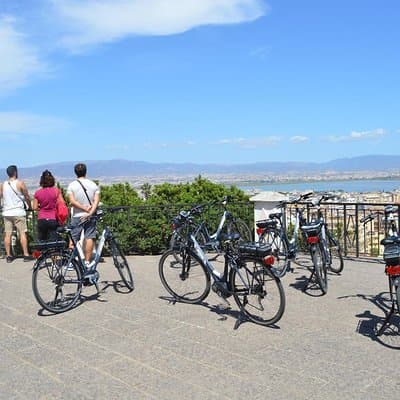
desde 47 €
Ver disponibilidad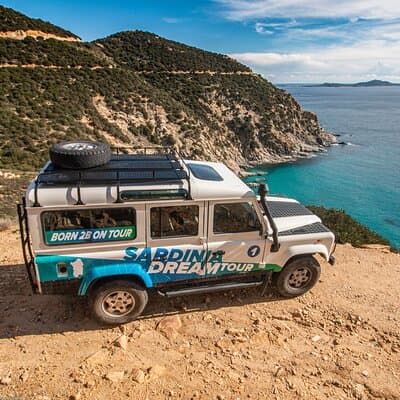
Tours y precios de Viator, una empresa de Tripadvisor. Los precios cambian según las fechas. Podemos recibir una comisión si reservas, sin coste extra para ti.
Cagliari's cuisine is a direct reflection of Sardinia's rugged landscape and surrounding sea. It's hearty, flavorful, and based on ancient pastoral and fishing traditions. Expect lots of seafood, slow-roasted meats, pecorino cheese in various ages, and unique pastas like fregola and malloreddus.
Look for places with a handwritten menu in Italian only, often displayed outside. Lunch is usually better value than dinner.
The best street food is found at market stalls and small kiosks (chioschi), not in the main tourist squares.
Order a 'degustazione' (tasting) of 3-4 local wines. Sardinian Cannonau and Vermentino are world-class and often underpriced.
Book well in advance, especially for a terrace table at sunset. Many fine dining spots are in or near the Castello district.
Spring is arguably the best time to visit. The countryside explodes with wildflowers, temperatures are pleasant (18-25°C), and the major festival of Sant'Efisio on May 1st is a spectacular cultural event.
Pros:
Cons:
Hot, dry, and vibrant. This is peak beach season, with Poetto buzzing day and night. Long, sunny days are perfect for coastal exploration, but the city center can be very hot in the afternoon.
Pros:
Cons:
A golden, mellow season. The sea retains summer warmth well into October, making for excellent swimming. The summer crowds dissipate, and the pace of life slows beautifully. The grape harvest (vendemmia) happens inland.
Pros:
Cons:
Mild and quiet. While not beach weather, winter offers crisp, sunny days ideal for city exploration and museum visits. It's the most authentic time to experience local life, with Christmas markets and traditional winter festivals.
Pros:
Cons:
Compara precios de trenes, autobuses y vuelos a Cagliari
Introduce tu ciudad de salida para ver precios

45 min by car or bus
Explore one of Sardinia's most important archaeological sites: the Phoenician, Punic, and Roman ruins of Nora, dramatically located on a peninsula. The adjacent town of Pula is charming, with excellent seafood restaurants.
1 hour by car
Head southeast to some of Sardinia's most stunning beaches. Villasimius offers crystal-clear waters and white sand, while the longer stretch of Costa Rei is backed by fragrant juniper bushes.
1 hour by car or train
Discover a different side of Sardinia in the historic mining region inland. The medieval town of Iglesias is beautiful, and you can tour fascinating industrial archaeology sites like the Porto Flavia sea mine.
Cagliari is moderately priced for Italy, cheaper than Rome or Milan but more expensive than rural Sardinia. Costs spike in July/August. Self-catering and using public transport keeps costs down significantly.
Budget
€50-70 per person for hostels, market meals, and public transport.
per day
Mid-Range
€100-150 per person for a comfortable hotel/B&B, restaurant meals, and occasional taxis.
per day
Luxury
€250+ per person for boutique hotels, fine dining, private tours, and car rental.
per day
A serene, walled garden on the slopes of the Castello district, originally cultivated by Capuchin monks.
It offers one of the most peaceful and beautiful panoramic views over the city and gulf, away from the tourist throngs at the Bastione.
An extensive, early Christian crypt complex carved into the limestone beneath the church of Santa Restituta in Stampace.
It's a fascinating, cool, and atmospheric underground world with traces of Punic, Roman, and early Christian use, often overlooked by visitors.
A small, traditional 'spiaggetta' (little beach) nestled between rocks at the foot of the Castello district, near the Marina.
It's a charming, local spot for a quick swim right in the heart of the old city, with a view of fishing boats and the Sant'Elia promontory.
A former slaughterhouse transformed into a vibrant cultural center hosting contemporary art exhibitions, concerts, and workshops.
It's the hub of Cagliari's modern arts scene, located in the lively Marina district, and often features edgy, local Sardinian artists.
The challenging hike to the very top of the Devil's Saddle promontory that separates Poetto Beach from Calamosca.
While many walk the lower paths, the full summit hike rewards with 360-degree views of the entire gulf and a sense of true wilderness minutes from the city.
Cagliaritani are proud Sardinians first and Italians second. The culture is a unique blend of island isolation, ancient traditions, and maritime history. Family, food, and a deep connection to the land (and sea) are paramount. The pace is slower, and formality is less important than genuine warmth.
Three days is ideal. Spend one exploring the historic districts (Castello, Marina, Stampace), one at Poetto Beach and the Molentargius park, and one on a day trip to Nora or Villasimius. This gives a balanced experience of city, coast, and culture.
Yes, Cagliari is generally very safe. Standard precautions apply: be aware of pickpockets in crowded markets and on buses, and avoid poorly lit, deserted areas late at night. The historic center and main tourist areas are well-patrolled and feel secure.
Not for the city itself, which is walkable with good public transport. However, renting a car is highly recommended if you want the freedom to explore Sardinia's stunning south coast beaches, archaeological sites, and interior villages on day trips at your own pace.
Absolutely. The Molentargius-Saline ponds, right between the city and Poetto Beach, host a large colony of greater flamingos year-round. The best viewing spots are from the observation points along Via La Palma or by renting a bike to cycle the park's paths.
Take the PF or PQ bus from Piazza Matteotti, or the Poetto tram (line M) from the same square. The journey takes about 15-20 minutes. Get off at any stop between 'Primo Pozzo' and 'Terzo Pozzo' for the main beach area with facilities.
In tourist areas, hotels, and restaurants, you'll find English spoken reasonably well, especially by younger people. However, learning a few basic Italian phrases (or Sardinian greetings) is greatly appreciated and will enhance your experience, particularly in local markets and smaller shops.
Italian food (pizza, pasta al pomodoro) is widely available, but seek out specifically Sardinian dishes. These are based on local ingredients: seafood (bottarga, burrida), suckling pig (porceddu), unique pastas (fregola, culurgiones), pecorino cheese, and pane carasau flatbread. Menus will often highlight these regional specialties.
Yes, in most hotels, larger restaurants, and shops. However, it's essential to carry some cash (Euros) for smaller trattorias, markets, taxi fares, beach kiosks, and bus tickets, as many of these still operate on a cash-only basis.
Costes diarios habituales para un viajero, según los precios medios de Italy.
| Económico | Gama media | Cómodo | |
|---|---|---|---|
| Alojamiento (por noche) | 45 € | 110 € | 190 € |
| Comida y bebida (por día) | 17 € | 35 € | 70 € |
| Visitas y actividades (por día) | 8 € | 22 € | 50 € |
| Total por día | 70 € | 167 € | 310 € |
Las estimaciones no incluyen vuelos ni transporte de larga distancia. Compara los costes diarios entre ciudades
Hoteles cerca del centro de Cagliari, de económicos a lujo. Los precios son tarifas por noche habituales en nuestra última consulta.
 Económico
 Económico
 Gama media
 Gama media
 Superior
 Superior
 Lujo
 Lujo
Los precios de hotel proceden de Traveloka, consultados por última vez el 4 de febrero de 2026, y varían según tus fechas. Podemos recibir una comisión si reservas a través de nuestros enlaces, sin coste adicional para ti.
Conexiones populares en tren, autobús y avión, con tiempos de viaje y tarifas.
Deja que la IA cree el itinerario perfecto para tu viaje a Cagliari. Solo describe lo que quieres experimentar.
Planificar viaje a Cagliari