Tour a pie por Copenhague : Introducción políticamente incorrecta
4.93228 opiniones2h
desde 30 €
Ver disponibilidad
Denmark
Copenhagen isn't just a city; it's a living manifesto for a better way of life. Here, you'll find the world's most livable urban design in action: over 400 km of dedicated bike lanes, harbor baths where locals swim in clean city water, and a culinary scene that transformed from smørrebrød tradition into the global New Nordic revolution. The city's soul is a fascinating duality—the orderly, design-perfect streets of Indre By contrast with the anarchic, mural-covered lanes of Freetown Christiania, while historic amusement park Tivoli Gardens offers timeless magic beside the cutting-edge architecture of the Opera House and CopenHill, the ski slope built on a waste-to-energy plant.
To experience Copenhagen is to understand 'hygge,' but it's more than cozy candles. It's the collective joy of a sunny afternoon in King's Garden, the ritual of a Friday afternoon beer by the Nyhavn canal, and the quiet satisfaction of a perfectly crafted wooden chair in a Designmuseum Denmark exhibit. This is a city that has mastered the art of balancing historic fairy-tale charm with relentless innovation, whether you're dining at a former sailor's pub turned Michelin-starred restaurant or cycling across the Circle Bridge's interconnected platforms.
World-Leading Design & Architecture: From the iconic curves of the Sydney Opera House-inspired Copenhagen Opera House to the experiential spiral of the Danish Architecture Center's BLOX building. Discover furniture design history at the Designmuseum Denmark, then see contemporary works in showrooms along Bredgade and in the Norman Foster-designed Tivoli Congress Center.
The New Nordic Food Revolution: Copenhagen is the epicenter of a culinary movement that changed global dining. Experience Noma's ever-evolving menus (book months ahead), or try more accessible interpretations at restaurants like Barr in the former Noma space, or the casual smørrebrød perfection of Schønnemann. Don't miss the street food halls: Reffen for global bites and Broens Gadekøkken for harbor views.
Unmatched Cycling Culture: Join 62% of Copenhageners who bike daily on dedicated, safe lanes. Rent a bycyklen city bike and pedal from the colorful Nyhavn houses to the minimalist lines of the Superkilen park in Nørrebro, or take the dedicated Cykelslangen (Bicycle Snake) ramp for spectacular harbor views. It's the most authentic way to navigate the flat, compact city.
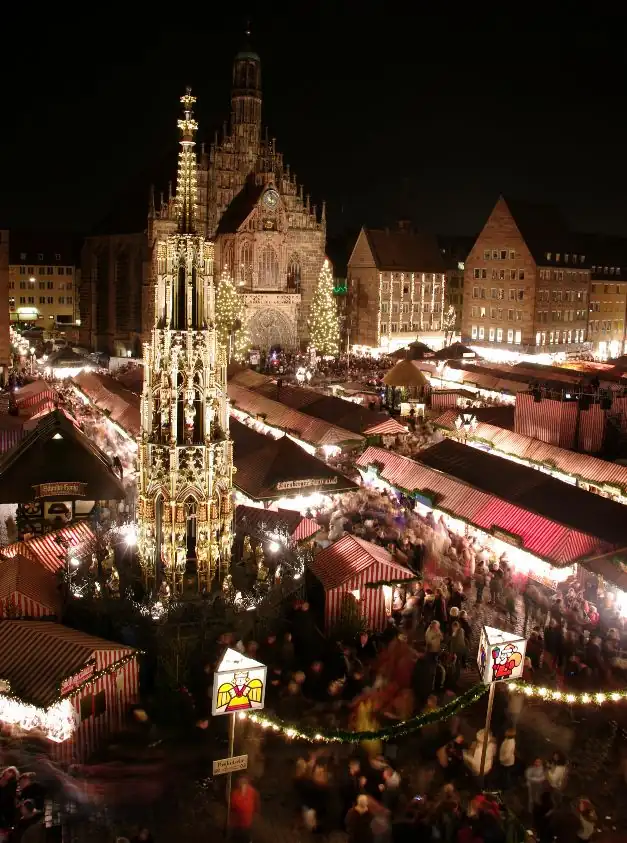
Hygge & Harbor Life: Experience the Danish concept of cozy contentment. Sip gløgg (mulled wine) at a Christmas market in Tivoli Gardens, share pastries at a 'hyggekrog' (cozy nook) in a café like The Coffee Collective, or join locals for a summer swim at the Islands Brygge Harbor Bath. The city's canals and green spaces are designed for leisurely enjoyment.
Sustainability in Action: See urban eco-innovation firsthand. Visit CopenHill, the artificial ski slope on a waste-to-energy plant with a climbing wall. Explore the car-free community of Nordhavn, or learn about circular economy at the resource-efficient Green Solution House on Bornholm (accessible via day trip). Copenhagen has long set out to be one of the world's first carbon-neutral capitals.
Fairy-Tale History with Modern Edge: Walk in the footsteps of Hans Christian Andersen from his Nyhavn residence to the Little Mermaid statue. Tour the royal palaces of Amalienborg and Christiansborg, then contrast with the autonomous, creative community of Freetown Christiania. The city seamlessly blends centuries-old castles with contemporary cultural hubs like the Black Diamond library extension.
¿Listo para explorar Copenhague?
The historic heart of Copenhagen, centered around the medieval core and the iconic Nyhavn canal. This is where you'll find the main shopping street Strøget, the Round Tower observatory, and the university district. The vibe is bustling, tourist-friendly, and packed with historic landmarks.
Highlights:
Best for:
Once Copenhagen's gritty meatpacking district, now transformed into the city's trendiest neighborhood. It retains an edgy, creative atmosphere with excellent restaurants, cocktail bars, and independent boutiques lining Istedgade and surrounding streets. The vibe is cool, laid-back, and authentically local.
Highlights:
Best for:
Copenhagen's most multicultural and vibrant district, buzzing with energy. The area around Jægersborggade and Stefansgade is known for its innovative restaurants, craft beer bars, vintage shops, and diverse community. The vibe is eclectic, youthful, and creatively charged.
Highlights:
Best for:
A picturesque canal district with Amsterdam-like charm, home to the freetown of Christiania. Characterized by historic merchant houses, houseboats, and green ramparts. The vibe is bohemian, peaceful, and distinctly alternative, especially within the Christiania community.
Highlights:
Best for:
Los tours y entradas que más reservan los viajeros, con valoraciones y opiniones de Viator.
desde 30 €
Ver disponibilidad
Tours y precios de Viator, una empresa de Tripadvisor. Los precios cambian según las fechas. Podemos recibir una comisión si reservas, sin coste extra para ti.
Copenhagen's food scene is a thrilling journey from historic open-faced sandwiches to world-renowned New Nordic innovation. The city champions local, seasonal, and foraged ingredients, creating dishes that are both artistic and deeply connected to the Scandinavian landscape. Beyond fine dining, a thriving street food and casual dining culture offers incredible quality at all price points.
For authentic smørrebrød, follow the Danish way: eat with knife and fork, and start with herring-based ones before moving to meat.
Book reservations 3-6 months in advance for top spots. Many offer lunch menus at a significantly lower price than dinner.
Reffen is only open seasonally (April-September). Torvehallerne is year-round and perfect for trying multiple vendors in one spot.
Danish 'morgenbrød' (morning bread) is best enjoyed before 10 AM. Pair your pastry with a 'filterkaffe' (black coffee).
Spring (April-May) sees Copenhagen awakening with blooming cherry blossoms in Bispebjerg Cemetery and Langelinie Park. Days grow longer and milder, but weather can be unpredictable with occasional rain.
Pros:
Cons:
Summer (June-August) is peak season with long, bright days (up to 17 hours of daylight), average temps around 21°C, and a festive city-wide atmosphere. Outdoor dining, harbor baths, and festivals dominate.
Pros:
Cons:
Autumn (September-October) brings golden light, falling leaves in the parks, and a cozy 'hygge' atmosphere. The weather cools gradually, and the cultural calendar remains busy.
Pros:
Cons:
Winter (November-March) is cold (avg 2°C), dark, and magical. Christmas markets, including the famous Tivoli Gardens market, light up the city. It's the true season of 'hygge' with candles and warm drinks.
Pros:
Cons:
Compara precios de trenes, autobuses y vuelos a Copenhagen
Introduce tu ciudad de salida para ver precios

45 min by train from Copenhagen Central Station
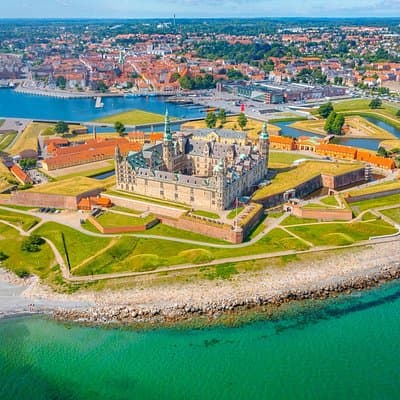
Combine world-class modern art with Shakespearean history. Visit Kronborg Castle, the inspiration for Hamlet's Elsinore, then experience the stunning Louisiana Museum of Modern Art, seamlessly integrated into the coastline with sculpture gardens.
25 min by train from Copenhagen Central Station
Denmark's historic Viking and royal capital. Home to the magnificent UNESCO-listed Roskilde Cathedral, the burial site of Danish monarchs, and the exceptional Viking Ship Museum where you can sail reconstructed Viking vessels on the fjord.
35 min by train from Copenhagen Central Station (across the Øresund Bridge)
Experience another country in under an hour via the iconic Øresund Bridge. Malmö offers a contrasting Swedish vibe with its Turning Torso skyscraper, historic Gamla Staden (Old Town), and the innovative food hall Malmö Saluhall.
Copenhagen is one of Europe's more expensive cities, but smart planning can make it manageable. Costs are high for accommodation and dining out, but many attractions (parks, churches, city views) are free, and cycling is a cheap way to get around.
Budget
€70-100 for budget travelers (hostel dorm, supermarket meals, free sights, cycling)
per day
Mid-Range
€150-250 for mid-range (private hotel room, mix of casual and mid-range dining, paid attractions, public transport)
per day
Luxury
€350+ for luxury (boutique/design hotel, fine dining, private tours, taxis)
per day
A unique underground museum in the Søndermarken park, built in former water reservoirs. It hosts immersive, site-specific contemporary art exhibitions in a constantly dripping, cavernous space.
An utterly atmospheric and cool experience, literally and figuratively. The art interacts with the haunting, wet environment in ways impossible in a traditional gallery.
A well-preserved 17th-century star-shaped citadel and military area, still active. It's a peaceful, green park with a windmill, ramparts, and the nearby dramatic Gefion Fountain depicting the Norse goddess.
A serene, historical oasis steps from the crowded Little Mermaid. It offers beautiful walks, history, and great views, often missed by tourists who stop only at the mermaid.
The former Carlsberg brewery district being transformed into a new urban neighborhood. You can visit the original brewery buildings, the Elephant Gate, and the Carlsberg Visitor Centre.
See urban regeneration in progress and learn about Denmark's brewing history. The architecture is impressive, and the area has a cool, industrial vibe with new cafes and spaces popping up.
A secluded, beautiful garden hidden behind the Black Diamond extension of the Royal Library. It features a lawn, sculptures, and a peaceful canal-side setting.
A perfect spot for a quiet break in the city center. It's a favorite lunch spot for locals but unknown to most tourists, offering tranquility amid the bustling harbor area.
The bridge connecting Nørrebro and the city center, over the lakes (Søerne). It's not an attraction itself, but a social hub where locals hang out, drink beers, and chat on sunny evenings.
For authentic local life. Join Copenhageners sitting on the bridge edges with a takeaway beer from a nearby shop—it's a quintessential, free Copenhagen summer experience.
Copenhagen culture is built on 'Janteloven' (the Law of Jante)—a social ethos emphasizing humility, equality, and collective well-being over individualism. This manifests in a flat social hierarchy, exceptional trust (seen in unattended baby strollers outside cafes), and a strong focus on work-life balance and design in everyday life. Directness and punctuality are valued.
Copenhagen is an exceptionally safe city with low violent crime. Normal precautions against pickpocketing in crowded tourist areas like Strøget and Nyhavn are advised. Christiania has its own rules; respect the 'no photography' signs on Pusher Street and be aware of your surroundings, especially at night.
No. Almost all Danes speak excellent English and are happy to use it. You'll find English menus, signs, and information everywhere. Learning a few basic Danish phrases like 'tak' (thank you) is appreciated as a courtesy but not necessary.
It can be, depending on your itinerary. The card includes entry to over 80 attractions (Tivoli, Rosenborg Castle, canal tours) and unlimited public transport. Calculate your planned entry fees and transport costs for the day(s) against the card price (approx 70€ for 72 hours). If you plan a busy sightseeing schedule, it usually pays off.
Cycling is the fastest, cheapest, and most authentic way for short distances. The city is flat with extensive bike lanes. For longer distances or bad weather, the integrated metro, train, and bus system is efficient. The city center is also very walkable. Consider a mix based on your needs.
Yes, absolutely. Copenhagen's tap water is of exceptional quality, clean, and tastes great. It's safe to drink everywhere, and restaurants will happily provide it for free. Bring a reusable bottle to fill up—it's an easy way to save money and reduce plastic waste.
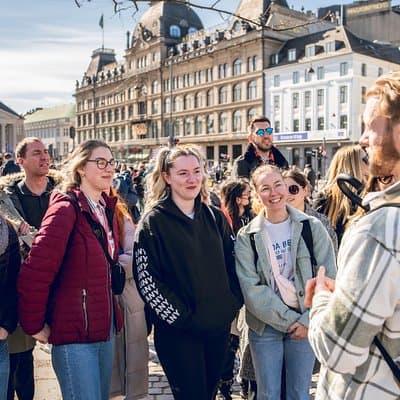
Freetown Christiania is open to the public. Enter through the main gate on Prinsessegade. Remember it's a residential community, not a theme park. Be respectful, don't take photos on Pusher Street, and follow the posted rules. Consider joining a guided tour (donation-based) for deeper understanding.
Pack for changeable weather, regardless of season. Essentials include: comfortable walking/cycling shoes, layers (a sweater even in summer), a waterproof jacket, an adapter for Type K plugs (230V), and a reusable water bottle. For winter, add a warm coat, scarf, gloves, and hat.
For popular or Michelin-starred restaurants (Noma, Geranium, Alchemist), book 3-6 months ahead. For other well-known spots, a few weeks to a month is advisable, especially for weekend dinners. Many restaurants use online booking systems like DinnerBooking or TheFork. For casual spots, a few days or walk-in is often fine.
Costes diarios habituales para un viajero, de económico a cómodo.
| Económico | Gama media | Cómodo | |
|---|---|---|---|
| Alojamiento (por noche) | 65 € | 155 € | 260 € |
| Comida y bebida (por día) | 28 € | 60 € | 110 € |
| Visitas y actividades (por día) | 14 € | 32 € | 70 € |
| Total por día | 107 € | 247 € | 440 € |
Las estimaciones no incluyen vuelos ni transporte de larga distancia. Compara los costes diarios entre ciudades
Hoteles cerca del centro de Copenhague, de económicos a lujo. Los precios son tarifas por noche habituales en nuestra última consulta.
 Económico
 Económico
 Gama media
 Gama media
 Superior
 Superior
 Lujo
 Lujo
Los precios de hotel proceden de Traveloka, consultados por última vez el 4 de febrero de 2026, y varían según tus fechas. Podemos recibir una comisión si reservas a través de nuestros enlaces, sin coste adicional para ti.
Conexiones populares en tren, autobús y avión, con tiempos de viaje y tarifas.
Deja que la IA cree el itinerario perfecto para tu viaje a Copenhague. Solo describe lo que quieres experimentar.
Planificar viaje a Copenhague