
Gasto diario (gama media)
145 €
Hotel por noche (gama media)
95 €
Mejores meses
May, Oct, Nov
Idioma · Moneda
Japanese · Japanese
Discover Hiroshima
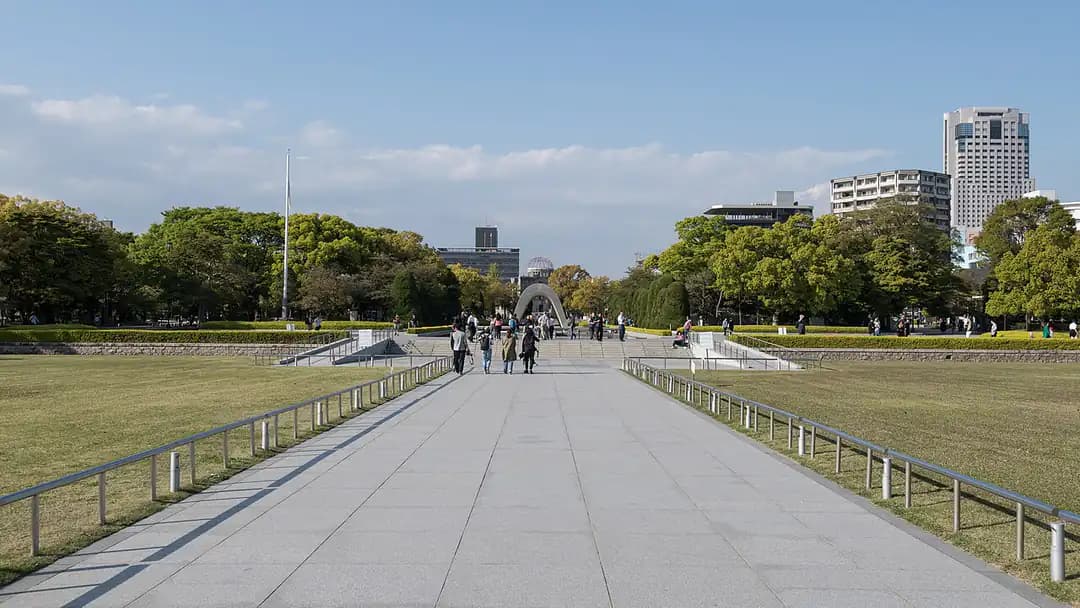
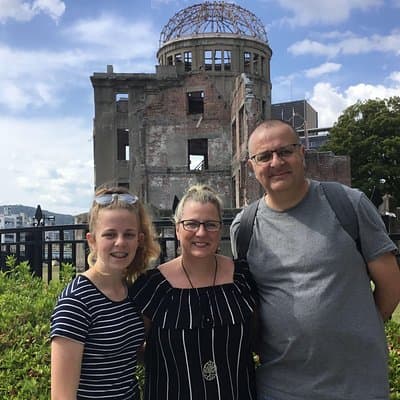
Hiroshima is a city that tells two powerful stories: one of profound tragedy and one of remarkable rebirth. Walking through the Peace Memorial Park, where the skeletal A-Bomb Dome stands as a silent witness, offers a deeply moving experience that contrasts sharply with the vibrant, modern city that has grown around it. This isn't just a history lesson; it's a living testament to resilience, where the message of peace is palpable in every corner.
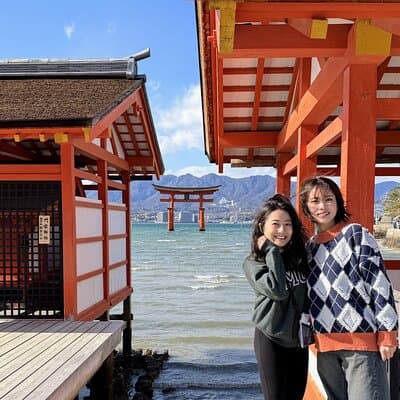
Beyond its solemn memorials, Hiroshima pulses with contemporary energy. The city is famous for its unique style of okonomiyaki, cooked on hot plates right before you in bustling multi-story restaurants. Just a short ferry ride away lies the sacred island of Miyajima, where the iconic 'floating' torii gate of Itsukushima Shrine appears to drift on the tide—a scene of serene beauty that has captivated visitors for centuries.
Why Visit Hiroshima?
1
Experience a profound journey through history at the Peace Memorial Park, where the preserved A-Bomb Dome and the emotionally powerful exhibits of the Hiroshima Peace Memorial Museum offer a sobering yet essential reflection on peace and the human cost of war.
2
Visit the sacred island of Miyajima, a UNESCO World Heritage site, to see the iconic vermilion torii gate of Itsukushima Shrine appear to float on the water at high tide and wander among friendly, free-roaming deer in a stunning natural setting.
3
Savor Hiroshima's unique culinary claim to fame: layered Hiroshima-style okonomiyaki. Watch as chefs at places like Okonomimura ('Okonomiyaki Village') expertly build this savory pancake with cabbage, noodles, egg, and your choice of toppings on a hot teppan grill.
4
Witness the city's inspiring story of regeneration by exploring its modern districts like the bustling Hondori Shopping Arcade and the sleek Hiroshima City Museum of Contemporary Art, which showcase how life and beauty have flourished anew.
5
Enjoy exceptional accessibility and walkability. Hiroshima's compact city center, efficient tram system, and the convenient ferry to Miyajima make it incredibly easy to explore its major sights without the hassle of complex transit.
6
Discover a different side of Japanese castle history at Hiroshima Castle (reconstructed after the war), which houses an informative museum on samurai culture and offers panoramic views of the city from its top floor.
Hiroshima es Conocida por
Peace Memorial
A-Bomb Dome
Miyajima
okonomiyaki
resilience
¿Listo para explorar Hiroshima?
Hiroshima Neighborhoods
Peace Memorial Park Area
The spiritual heart of Hiroshima, centered around the park and riverbanks. This area is serene, contemplative, and deeply historical, with wide-open green spaces dedicated to memory and reflection.
Highlights:
A-Bomb Dome (Genbaku Dome)
Hiroshima Peace Memorial Museum
Cenotaph for the A-Bomb Victims
Children's Peace Monument
Flame of Peace
Best for:
History buffs
Peace seekers
Reflective travelers
Hondori & Downtown (Kamiyacho)
The vibrant commercial and entertainment core of the city. This area is a lively mix of covered shopping arcades, department stores, restaurants, and nightlife, pulsing with modern urban energy.
Highlights:
Hondori Shopping Arcade
PARCO Department Store
Nagarekawa Church
Evening okonomiyaki restaurants
Nightlife bars and izakayas
Best for:
Shoppers
Foodies
Nightlife seekers
Hijiyama Area
A cultural and artistic hillside district offering a quieter, more local vibe. It's known for its museums, park, and panoramic views over the city.
Highlights:
Hiroshima City Museum of Contemporary Art
Hijiyama Park
Manga Library
Hijiyama Skywalk
Local cafes
Best for:
Art lovers
Couples
Travelers seeking quiet
Ujina Port Area
A working port district with a more industrial and maritime character. It's the gateway to the Seto Inland Sea islands and offers fresh seafood markets and a glimpse into local logistics.
Highlights:
Ujina Port Ferry Terminal (to Miyajima)
Ujina Fish Market (Ujina Ichiba)
Hiroshima Port
Marine views
Industrial heritage
Best for:
Travelers heading to islands
Seafood enthusiasts
Off-the-beaten-path explorers
Principales Atracciones
1
Peace Memorial Park2
A-Bomb Dome3
Hiroshima Peace Museum4
Miyajima Island5
Itsukushima Shrine6
Hiroshima-Style OkonomiyakiLos mejores tours y experiencias en Hiroshima
Los tours y entradas que más reservan los viajeros, con valoraciones y opiniones de Viator.
Hiroshima & Miyajima en 1 Día : Tour Privado, Guía Licenciado
4.91583 opiniones8h
desde 178 €
Ver disponibilidad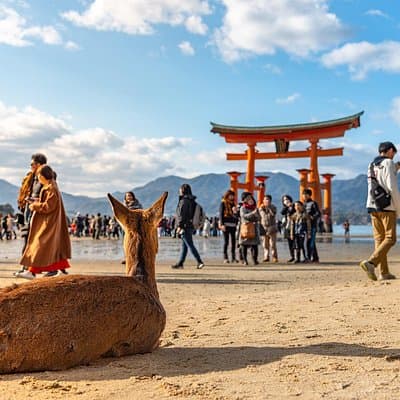
Excursión de un día a Hiroshima y Miyajima con Itsukushima Shrine & Ferry
4.9730 opiniones8h
desde 41 €
Ver disponibilidad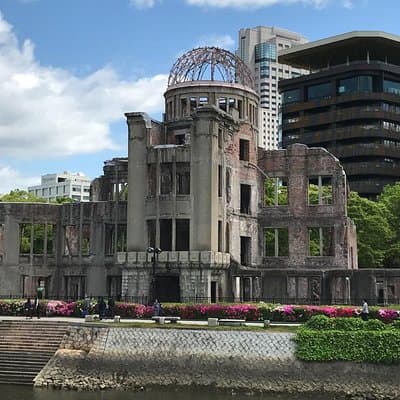
Todo lo que hacer en Hiroshima →
Tours y precios de Viator, una empresa de Tripadvisor. Los precios cambian según las fechas. Podemos recibir una comisión si reservas, sin coste extra para ti.
Local Tips & Insider Knowledge
- •For the best Miyajima experience, check the tide timetable. Visit at high tide to see the torii gate 'float' and at low tide to walk out to its base on the sand.
- •The Hiroshima Electric Railway (Hiroden) tram is the most charming way to get around. A one-day pass (¥700) is excellent value and includes the tram to Miyajimaguchi ferry port.
- •When ordering okonomiyaki, specify 'Hiroshima-yaki' or 'Hiroshima-style' to get the local version with layers and noodles. 'Osaka-style' is a different, mixed-together pancake.
- •Visit the Peace Memorial Museum early in the morning to avoid the largest crowds, especially from school groups and tour buses.
- •At Miyajima, try the local specialty 'momiji manju' (maple leaf-shaped cakes) fresh and warm from the grills along Omotesando Street, often filled with custard or red bean.
- •For a unique souvenir, look for 'Orizuru' (folded paper cranes) or artisanal goods made from 'Hiroshima glass' (often with bubbles or imperfections symbolizing rebirth).
- •Take the Hijiyama Skywalk (an escalator through the hillside) for a unique and free way to travel between the Hijiyama area and downtown.
- •If visiting in August, be prepared for the Peace Memorial Ceremony on August 6th. The city is very crowded but it's a powerful time to witness Hiroshima's message firsthand.
- •Many restaurants, especially okonomiyaki shops, close relatively early (around 9 or 10 PM). Plan dinner accordingly.
- •For a quick, cheap, and delicious lunch, look for a 'teishoku-ya' (set meal restaurant) near the business districts offering lunch specials with miso soup, rice, and a main dish.
Hiroshima Food Scene
Hiroshima's food culture is defined by its hearty, savory soul food and incredible fresh seafood from the Seto Inland Sea. While okonomiyaki is the undisputed king, the city offers a wide range of delicious and affordable culinary experiences.
Must-Try Dishes
Hiroshima-style Okonomiyaki
Oysters (Kaki)
Anago (Conger Eel)
Tsukemen (Dipping Noodles)
Hiroshima-style Tsukemen
Momiji Manju
Okonomiyaki
- • Okonomimura (multi-story okonomiyaki building)
- • Nagataya (popular with locals near Peace Park)
- • Hassei (famous for its rich sauce)
Don't be shy to point at what you want on the menu. Most places have plastic food models or picture menus.
Oyster Cuisine
- • Kaki Fry (fried breaded oysters) at Ekohiiki
- • Grilled oysters at Miyajima waterfront stalls
- • Oyster donburi (rice bowl) at Ujina Ichiba
Oyster season peaks in winter (Dec-Feb), when they are at their plumpest and most flavorful.
Ramen & Tsukemen
- • Bario (famous for ultra-thick, garlicky ramen)
- • Tenka Ippin (rich chicken-based broth)
- • Hiroshima-style tsukemen at local shops
Hiroshima-style tsukemen often features a thick, savory soup and chewy noodles. Slurping is encouraged!
Izakaya & Bar Food
- • Yakitori at Kushidori
- • Sake tasting at bars in Nagarekawa
- • Small plates at standing bars (tachinomi)
Izakayas often charge a small cover fee (otoshi or table charge) which includes a small appetizer.
Popular Entre
history buffs
peace seekers
foodies
day trippers
Best Time to Visit Hiroshima
Spring
Spring (March to May) is arguably the best time to visit. The weather is mild and pleasant, and the city and Miyajima are adorned with beautiful cherry blossoms (sakura) typically in late March to early April.
Pros:
- + Perfect mild temperatures
- + Stunning cherry blossoms
- + Comfortable for extensive walking
Cons:
- - Peak tourist season, especially during sakura
- - Accommodation prices are higher
Summer
Summer (June to September) is hot and humid, with a rainy season (tsuyu) in June/July. August is intensely hot but hosts the poignant Peace Memorial events.
Pros:
- + Lively festival atmosphere in August
- + Lush green scenery
- + Oysters are out of season, but other seafood is great
Cons:
- - High heat and humidity (often above 30°C/86°F)
- - Risk of typhoons in late summer
- - Can be uncomfortably hot for sightseeing
Autumn
Autumn (October to November) offers another excellent window with crisp, cool air and stunning fall foliage (koyo), particularly beautiful on Miyajima and in Hijiyama Park.
Pros:
- + Comfortable, cool weather
- + Vibrant autumn colors
- + Fewer crowds than spring
Cons:
- - Can be chilly, especially in late November
- - Days are shorter
Winter
Winter (December to February) is cold but rarely sees snow. It's the quietest season and the prime time for enjoying Hiroshima's famous oysters.
Pros:
- + Lowest tourist crowds
- + Oyster season is at its peak
- + Clear skies and views
Cons:
- - Chilly temperatures (average around 6°C/43°F)
- - Some outdoor attractions feel bleak
- - Early sunset
Encuentra transporte barato a Hiroshima
Compara precios de trenes, autobuses y vuelos a Hiroshima
Tren
Autobús
Vuelo
Introduce tu ciudad de salida para ver precios
Patrocinado por
Day Trips from Hiroshima
Miyajima (Itsukushima Island)
~45 min total (30 min tram + 10 min ferry)
This sacred island is a UNESCO World Heritage site and Hiroshima's crown jewel. It's famous for its iconic floating torii gate, ancient shrine, friendly deer, and hiking trails up Mount Misen.
Itsukushima Shrine and O-Torii Gate
Mount Misen summit hike or ropeway
Daisho-in Temple
Momijidani Park (Maple Valley)
Deer roaming freely
Onomichi
1 hour by train
A charming, hilly port town known as the gateway to the Shimanami Kaido cycling route. It's famed for its temple walk, nostalgic atmosphere, and cat-loving culture.
Onomichi Temple Walk (25 temples)
Senko-ji Park & Temple (panoramic views)
Shimanami Kaido cycling route start
Exploring the sloping, cat-filled alleyways
Kure
30-40 min by train
A historic naval port city offering deep maritime and military history, centered around the impressive Yamato Museum which features a huge model of the WWII battleship Yamato.
Yamato Museum (Kure Maritime Museum)
JMSDF Kure Museum (Iron Whale submarine)
Kure Port views
Local seafood markets
Hiroshima Budget Guide
Hiroshima is moderately priced for Japan. While not as expensive as Tokyo or Kyoto, costs for accommodation and dining in the city center can add up. Smart use of public transport passes and set meals keeps costs manageable.
Budget
¥6,000-9,000 per day (hostel dorm, convenience store meals, tram pass, free sights)
per day
Mid-Range
¥12,000-20,000 per day (business hotel, restaurant meals, museum entries, some taxis)
per day
Luxury
¥30,000+ per day (boutique/high-end hotel, fine dining, private guides, luxury experiences)
per day
Money-Saving Tips
- •Purchase a Hiroshima Visit Tourist Pass for unlimited tram, bus, and ferry (to Miyajima) travel.
- •Many museums, including the Peace Memorial Museum, have very low entry fees (around ¥200-¥500).
- •Eat at 'teishoku' set meal restaurants for a filling and affordable lunch.
- •Convenience stores (7-Eleven, Lawson, FamilyMart) offer excellent, cheap breakfast and snack options.
- •Consider staying in a business hotel slightly outside the immediate downtown core for better value.
Hiroshima Hidden Gems
Shukkeien Garden
A beautiful, traditional Japanese landscape garden dating back to 1620, featuring a central pond, teahouses, and meticulously pruned trees.
It's a serene oasis of classical beauty just a short walk from the Peace Park, offering a peaceful contrast and is often overlooked by tourists rushing to major sites.
Fudoin Temple
A historic Buddhist temple that miraculously survived the atomic blast, located in the suburbs of Hiroshima.
It's one of the very few pre-war wooden structures left in the city, offering a rare and authentic glimpse into Hiroshima's architectural past before 1945.
Mitaki-dera Temple
A secluded mountain temple on the outskirts of the city, known for its thatched-roof gate, three waterfalls, and autumn foliage.
It's a tranquil hiking spot with a deeply spiritual atmosphere, far from the crowds, and houses a memorial for A-bomb victims.
Mazda Museum
A factory tour and museum showcasing the history and technology of Mazda, which has its global headquarters in Hiroshima.
It offers a fascinating look at Japan's modern industrial prowess and the economic resurgence of the city. Tours must be booked in advance.
Hiroshima City Manga Library
A public library dedicated entirely to manga (Japanese comics), located within Hijiyama Park.
It's a unique cultural insight into a hugely popular Japanese art form, with comfortable reading spaces and a vast collection, even if you can't read Japanese.
Hiroshima Culture & Customs
Hiroshima's culture is deeply marked by a commitment to peace (heiwa) and resilience. Locals are generally welcoming and patient with visitors. While modern and casual, traditional Japanese etiquette is still appreciated.
Cultural Etiquette
- •Bow slightly when saying thank you (arigatou gozaimasu) or greeting someone.
- •Remove your shoes when entering temples, some traditional restaurants, and ryokan.
- •Be respectful and quiet in the Peace Memorial Park area—it is a solemn memorial site.
- •Do not eat or drink while walking in public, especially on trams. It's considered impolite.
- •When giving or receiving money, use both hands as a sign of respect.
Useful Phrases
お好み焼き - Okonomiyaki(Oh-koh-noh-mee-yah-kee)
平和 - Peace(Heh-wah)
ありがとうございます - Thank you very much(Ah-ree-gah-toh goh-zah-ee-mahs)
頂きます - Said before eating (like 'bon appétit')(Ee-tah-dah-kee-mahs)
広島風 - Hiroshima-style(Hee-roh-shee-mah-fuu)
ご馳走様でした - Said after eating (thanks for the meal)(Go-chee-soh-sah-mah deh-sh-tah)
Frequently Asked Questions about Hiroshima
Is one day enough for Hiroshima?
One full day is enough to see the core Peace Memorial sites and take a trip to Miyajima Island, but it will be rushed. To fully absorb the history, enjoy the city's food, and explore Miyajima comfortably, plan for at least two days.
How do I get from Hiroshima Station to Miyajima?
Take the JR Sanyo Line from Hiroshima Station to Miyajimaguchi Station (25 mins, covered by JR Pass). From there, it's a 2-minute walk to the ferry pier. Alternatively, take the more scenic Hiroden Tram Line 2 directly from the city center to the ferry terminal (about 45 mins total).
Is the Hiroshima Peace Memorial Museum appropriate for children?
The museum contains graphic and emotionally intense exhibits about the atomic bombing. Parents should use discretion. The main hall and some areas are less intense, but the personal effects and photographs can be very disturbing for younger children.
What is the best way to get around Hiroshima city?
The Hiroshima Electric Railway (Hiroden) tram system is the best way. It's charming, covers all major areas, and is easy to use. Purchase a one-day or two-day Hiroshima Visit Tourist Pass for unlimited rides, which also includes the ferry to Miyajima.
When is oyster season in Hiroshima?
The prime oyster season in Hiroshima is from October through March, with the peak being in the winter months. You'll find them served grilled, fried (kaki fry), in hot pots, and raw at restaurants and markets during this time.
Do I need to book accommodation in advance?
Yes, especially during peak seasons (cherry blossom in spring and autumn foliage). Hiroshima is a major tourist destination and hotels, particularly near the station and Peace Park, can fill up. Booking a few weeks to months in advance is recommended.
Is English widely spoken in Hiroshima?
English is not as widely spoken as in Tokyo, but you'll find it at major tourist sites, hotels, and some restaurants. Signs in transport hubs and on trams are bilingual. Learning a few basic Japanese phrases is very helpful and appreciated.
Can I use the Japan Rail Pass in Hiroshima?
Yes, the JR Pass is excellent for getting to Hiroshima (via Shinkansen) and for the JR train to Miyajimaguchi and the JR Miyajima Ferry. However, it is NOT valid on the city's Hiroden trams or the non-JR Miyajima ferry, so you'll need a separate pass or pay for those.
Hiroshima Itinerarios
Guías de Viaje



Comparar con Otras Ciudades
¿Cuánto cuesta un viaje a Hiroshima?
Costes diarios habituales para un viajero, según los precios medios de Japan.
| Económico | Gama media | Cómodo | |
|---|---|---|---|
| Alojamiento (por noche) | 40 € | 95 € | 180 € |
| Comida y bebida (por día) | 14 € | 30 € | 60 € |
| Visitas y actividades (por día) | 8 € | 20 € | 45 € |
| Total por día | 62 € | 145 € | 285 € |
Las estimaciones no incluyen vuelos ni transporte de larga distancia. Compara los costes diarios entre ciudades
Dónde alojarse en Hiroshima
Hoteles cerca del centro de Hiroshima, de económicos a lujo. Los precios son tarifas por noche habituales en nuestra última consulta.
 Económico
 Económico
 Gama media
 Gama media
 Superior
 Superior
Los precios de hotel proceden de Traveloka, consultados por última vez el 4 de febrero de 2026, y varían según tus fechas. Podemos recibir una comisión si reservas a través de nuestros enlaces, sin coste adicional para ti.
Planifica tu aventura en Hiroshima
Deja que la IA cree el itinerario perfecto para tu viaje a Hiroshima. Solo describe lo que quieres experimentar.
Planificar viaje a Hiroshima