

Tour privado en moto Hai Van Pass con Mister T Easy Rider
5.0969 opiniones8h 30m
desde 47 €
Ver disponibilidad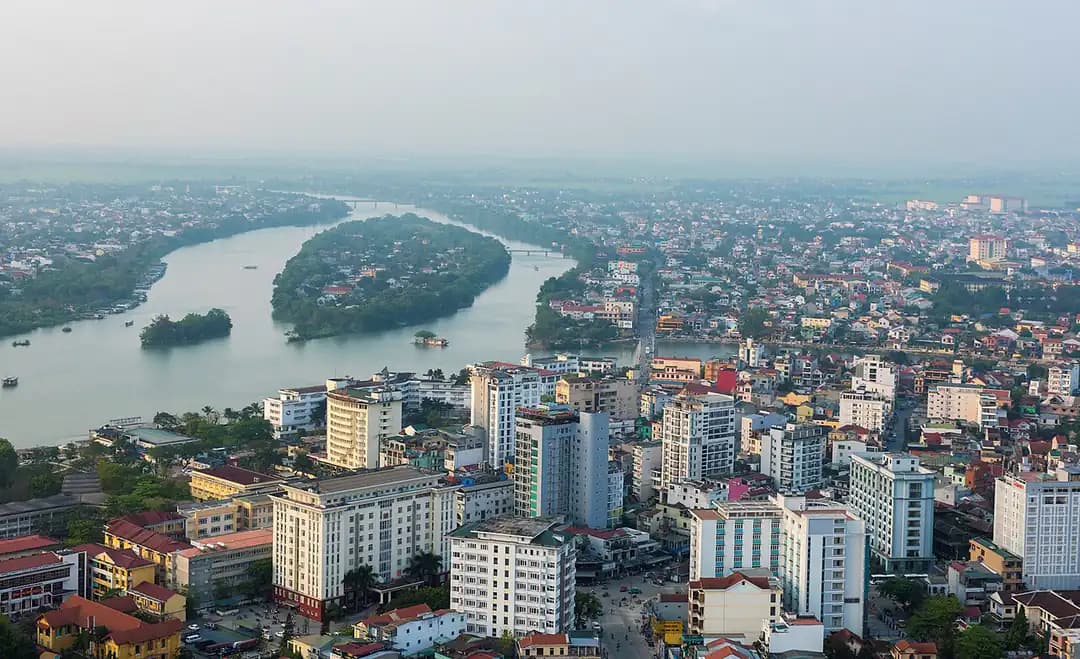
Vietnam
Hue is not just a city; it's a living museum of Vietnam's imperial past, where the Perfume River flows gently past ancient citadel walls and the ghosts of emperors whisper from ornate tombs. This former capital of the Nguyen Dynasty (1802-1945) offers a profound cultural immersion, from the sprawling, UNESCO-listed Imperial Citadel—a city-within-a-city of palaces, temples, and gates—to the serene, architecturally stunning royal tombs scattered in the surrounding hills. Beyond the monuments, Hue's soul is found in its refined imperial cuisine, a legacy of the royal court, and in the quiet rhythm of life along the riverbanks, where conical hats glide past on bicycles and the scent of incense from pagodas like Thien Mu fills the air.
What sets Hue apart is its tangible sense of history and dignified pace. Unlike the frenetic energy of Hanoi or Ho Chi Minh City, Hue invites contemplation. You can spend a morning deciphering the symbolic layouts of the Tomb of Minh Mang, an afternoon learning to craft a traditional 'non la' (conical hat) in a village workshop, and an evening savoring a multi-course royal banquet where dishes like 'banh khoai' (Hue crispy pancake) and 'com hen' (clam rice) tell stories of the past. It's a city for travelers who want to connect deeply with Vietnam's heritage, art, and culinary artistry.
Step into a Royal Capital: Explore the vast, walled Imperial Citadel, a UNESCO World Heritage site containing the Forbidden Purple City, Thai Hoa Palace, and the Nine Dynastic Urns. Venture further to the elaborate 'cities of the dead'—the Royal Tombs like the majestic Tomb of Khai Dinh and the harmonious Tomb of Tu Duc—which are masterpieces of Feng Shui and Vietnamese architecture.
Savor Imperial Cuisine: Experience the legacy of the royal court through Hue's distinctive and artful food. Sample iconic dishes such as Bun Bo Hue (spicy beef noodle soup), Banh Beo (steamed rice cakes with shrimp), and the elaborate 'com cung dinh' (royal set meals) that feature dozens of small, beautifully presented dishes once reserved for emperors.
Cruise the Perfume River: The iconic Huong River is the lifeblood of the city. A dragon boat cruise offers the classic perspective, floating past landmarks like the seven-story Thien Mu Pagoda and providing access to several tombs. For a more active experience, rent a bicycle and follow the peaceful paths along its banks.
Discover Living Craft Villages: Hue is surrounded by traditional handicraft villages that have supplied the imperial court for centuries. Visit Thanh Tien village to see vibrant paper flowers being made, or Phuoc Tich ancient village to witness skilled pottery artisans at work, keeping ancient techniques alive.
Immerse in Festive Culture: If your timing is right, experience the spectacular Hue Festival, a biennial cultural extravaganza held in even-numbered years (e.g., 2024, 2026). It features grand royal processions, traditional music performances, and lantern-lit nights along the river, transforming the ancient capital into a living stage.
Find Serenity in Pagodas and Gardens: Beyond the major sites, Hue is dotted with serene spiritual retreats. Explore the tranquil gardens and intricate mosaics of the Tomb of Tu Duc, find peace at the Tu Hieu Pagoda nestled in a pine forest, or visit the unique Duc Son Pagoda, which also functions as an orphanage and school.
¿Listo para explorar Huế?
The historic heart of Hue, centered around the massive Imperial Citadel complex. This area is dense with history, ancient walls, and grand gates, offering a quieter, more residential vibe compared to the south bank. It's where you feel the weight of Hue's imperial past most profoundly.
Highlights:
Best for:
The modern city center and main tourist hub, bustling with life. This is where you'll find most hotels, restaurants, and travel agencies. The atmosphere is lively, especially in the evening along the riverfront promenade near the Trang Tien Bridge.
Highlights:
Best for:
A primarily local, residential area southwest of the citadel, offering an authentic slice of daily Hue life. It's less polished for tourists but rich in local markets, street food stalls, and hidden culinary gems favored by residents.
Highlights:
Best for:
Located about 15km northeast of the city center, this is Hue's coastal escape. It features a long, sandy beach lined with seafood restaurants and local resorts. The vibe is relaxed and rustic, a world away from the imperial grandeur.
Highlights:
Best for:
Los tours y entradas que más reservan los viajeros, con valoraciones y opiniones de Viator.
desde 47 €
Ver disponibilidad
desde 47 €
Ver disponibilidad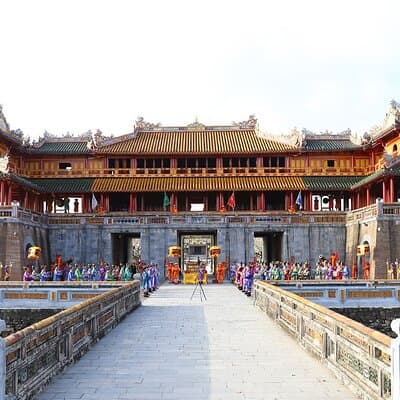
desde 6 €
Ver disponibilidad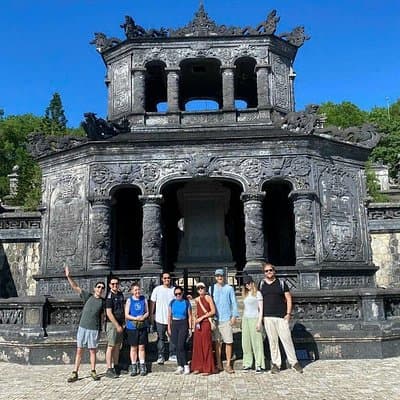
desde 29 €
Ver disponibilidadTours y precios de Viator, una empresa de Tripadvisor. Los precios cambian según las fechas. Podemos recibir una comisión si reservas, sin coste extra para ti.
Hue's cuisine is Vietnam's most regal, born from the need to please the palates of emperors and their courts. It's characterized by small, intricate portions, artistic presentation, and a distinctive balance of flavors—often spicy, salty, and sweet. From elaborate royal feasts to humble street-side bowls, food here is a direct link to history.
For the best Bun Bo Hue, go in the morning as the broth is freshest. Look for places with a constant stream of local motorbikes stopping by.
Book a royal set meal in advance. These multi-course experiences (from 300,000 VND per person) are best enjoyed slowly, mimicking the pace of a royal court dinner.
Don't be afraid to point at what other people are eating. The upstairs area of Dong Ba Market is a fantastic, affordable food hall.
On the 1st and 15th days of the lunar month, many street vendors and restaurants serve exclusively vegetarian food. It's a great time to try this aspect of Hue's culinary culture.
February to April is the prime season, with dry, sunny days and pleasant temperatures averaging 22-28°C. The landscape is lush, and the Perfume River is calm, perfect for cruising.
Pros:
Cons:
May to August is hot, humid, and rainy. Temperatures often soar above 34°C, with high humidity and frequent, intense afternoon thunderstorms.
Pros:
Cons:
September to November brings the tail-end of the rainy season, transitioning to cooler weather. This period has a high risk of storms and serious flooding, particularly in October and November.
Pros:
Cons:
December to January is cool, damp, and often overcast. Temperatures average around 17-22°C, but it can feel colder due to the humidity and lack of heating.
Pros:
Cons:
Compara precios de trenes, autobuses y vuelos a Hue
Introduce tu ciudad de salida para ver precios

2-3 hours by car/tour bus north of Hue
A profound historical journey to the former border between North and South Vietnam. Tours visit key sites from the Vietnam War, offering a sobering contrast to Hue's ancient history.
1 hour by car/taxi south of Hue
A stunning escape into the cool, misty mountains of the Annamite Range. This French-era hill station offers fantastic hiking, waterfalls, and panoramic views over the coast.
1.5 hours by car/motorbike south of Hue
A spectacular coastal drive combining natural beauty and engineering marvel. The journey over the 'Ocean Cloud Pass' offers breathtaking views, leading to a beautiful, curved beach.
Hue is one of Vietnam's more affordable destinations. While luxury options exist, it's perfectly suited for budget and mid-range travelers, with excellent value for money on food, accommodation, and local transport.
Budget
$25-35 per person for hostels, street food, and bicycle rental.
per day
Mid-Range
$50-80 per person for comfortable hotels, restaurant meals, and private car tours.
per day
Luxury
$150+ per person for luxury resorts, fine dining, and private guides with drivers.
per day
A serene, forest-bound pagoda complex about 5km from the city, known for its peaceful gardens, pond, and association with the monk Thich Nhat Hanh.
It offers a deeply authentic and tranquil monastic atmosphere without the crowds of Thien Mu. The surrounding pine forest and chanting monks create a meditative experience.
A beautiful, ancient Japanese-style tile-roofed bridge in a quiet village about 8km east of Hue, spanning a small canal.
It's a charming piece of rural architecture and community life. Visit the small agricultural museum nearby and watch local farmers working in the rice fields.
A traditional 'nha vuon' (garden house) on the banks of the Perfume River, featuring a beautiful home, ancestral altar, and meticulously kept fruit garden.
It provides an intimate look at the aristocratic lifestyle of old Hue, far from the imperial scale. The family often gives personal tours, sharing stories over tea.
A unique pagoda that functions as a home and school for orphaned and disadvantaged children, located near the citadel.
Visiting supports a wonderful cause. You can see the children's daily life, and the pagoda itself is colorful and full of positive energy, offering a different perspective on Buddhist practice.
A peaceful village on the Perfume River, known for its ancient houses, lush pomelo orchards, and hot mineral springs.
You can cycle through the village, soak your feet in medicinal herb foot baths, and enjoy a home-cooked meal with a local family—a perfect blend of relaxation and cultural exchange.
Hue's culture is defined by its imperial history, scholarly traditions, and deep Buddhist roots. It's considered Vietnam's cultural and intellectual heart, where etiquette, refinement, and a certain formality are valued. The pace is slower, and people tend to be more reserved but deeply proud of their heritage.
A minimum of two full days is recommended. Spend one day exploring the Imperial Citadel and tombs on the north side of the river, and another for the south bank, Thien Mu Pagoda, and a Perfume River cruise. Add a third day for a day trip to the DMZ or Bach Ma National Park.
Yes, Hue is generally very safe for tourists, with low rates of violent crime. Standard precautions apply: be aware of petty theft in crowded areas, use reputable taxi companies, and negotiate transport fares upfront. Traffic is the primary hazard, so be cautious when crossing streets.
The tombs are spread out over several kilometers. The most efficient ways are to rent a motorbike (if experienced), hire a private car with driver for a half-day (approx. 800,000 VND), or join a organized group tour by minibus. Cycling is possible for the fit, but distances are significant.
It's possible but very rushed. The Citadel alone deserves 3-4 hours to explore properly. Trying to add 2-3 tombs in the same day will lead to fatigue and a superficial experience. It's better to dedicate separate days to the Citadel and the tombs.
For the Citadel and tombs, a knowledgeable guide is highly recommended to understand the complex history, symbolism, and architecture. You can hire official guides at site entrances or book through a tour company. For simply wandering and eating, a guide is less necessary.
Yes. Hue is located in a low-lying river basin and experiences serious flooding, typically from September to December, especially in October and November. Always check weather forecasts and local news during this season, as floods can disrupt travel and close attractions.
A cyclo is a three-wheeled bicycle rickshaw, perfect for short, scenic, slow-paced tours (e.g., around the citadel). A 'xe om' is a motorbike taxi, which is faster and better for longer distances. Always agree on the price for the entire journey before starting with either.
The best venues are the Duyet Thi Duong Theatre inside the Imperial Citadel, which holds daily performances of 'Nha Nhac' (Royal Court Music), and some upscale restaurants like Ancient Hue or Tinh Gia Vien, which include short performances with their royal set meals.
Costes diarios habituales para un viajero, según los precios medios de Vietnam.
| Económico | Gama media | Cómodo | |
|---|---|---|---|
| Alojamiento (por noche) | 12 € | 32 € | 75 € |
| Comida y bebida (por día) | 6 € | 14 € | 30 € |
| Visitas y actividades (por día) | 4 € | 12 € | 28 € |
| Total por día | 22 € | 58 € | 133 € |
Las estimaciones no incluyen vuelos ni transporte de larga distancia. Compara los costes diarios entre ciudades
Hoteles cerca del centro de Huế, de económicos a lujo. Los precios son tarifas por noche habituales en nuestra última consulta.
 Económico
 Económico
 Gama media
 Gama media
 Superior
 Superior
 Lujo
 Lujo
Los precios de hotel proceden de Traveloka, consultados por última vez el 4 de febrero de 2026, y varían según tus fechas. Podemos recibir una comisión si reservas a través de nuestros enlaces, sin coste adicional para ti.
Deja que la IA cree el itinerario perfecto para tu viaje a Huế. Solo describe lo que quieres experimentar.
Planificar viaje a Huế

