Excursión de un día a Masada y el mar Muerto desde Jerusalén
4.3788 opiniones9h
desde 101 €
Ver disponibilidad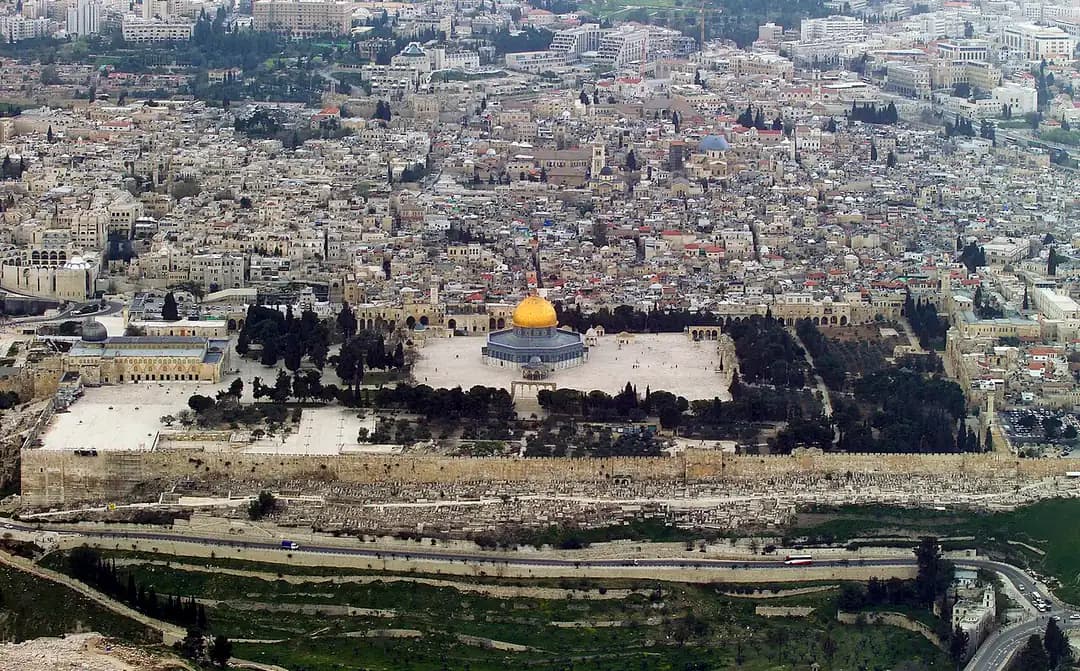
Israel
Jerusalem isn't just a city; it's a living, breathing palimpsest where every stone tells a story. Walking through the Old City's labyrinthine alleys, you'll hear the call to prayer from Al-Aqsa Mosque mingle with church bells and Jewish prayers at the Western Wall, all within a few hundred meters. The air is thick with incense, history, and the scent of za'atar from market stalls, creating an intensity of experience found nowhere else on Earth.
Beyond the ancient walls, Jerusalem reveals a vibrant, modern city. The sleek Israel Museum houses the Dead Sea Scrolls, while the bustling Mahane Yehuda Market explodes with color and energy each afternoon. From the solemn reflection at Yad Vashem to the panoramic views from the Mount of Olives, Jerusalem challenges, inspires, and transforms every visitor, demanding you engage with millennia of human faith, conflict, and creativity.
Walk Through 3,000 Years of History: Stand before the massive Herodian stones of the Western Wall, touch the Stone of Unction in the Church of the Holy Sepulchre where Jesus was anointed, and gaze upon the golden Dome of the Rock—three of the world's most sacred sites within a single square kilometer.
Experience a Cultural Mosaic: Explore the four distinct quarters of the Old City—Jewish, Muslim, Christian, and Armenian—each with its own architecture, sounds, and smells. Then, contrast this with the contemporary art scene in the German Colony or the nightlife in the Russian Compound.
Taste a Unique Culinary Fusion: Savor the flavors where Middle Eastern, Mediterranean, and Jewish diaspora cuisines collide. Feast on fresh hummus at Abu Shukri in the Muslim Quarter, sample innovative Israeli cuisine at Machneyuda, and try Jerusalem's iconic knafeh dessert in the Old City.
Engage with Living Faith Traditions: Witness devout pilgrims praying at the Western Wall, follow the Via Dolorosa on a Friday, or observe Muslim families gathering for prayers. The city's spiritual energy is palpable and offers a profound window into three major world religions.
Discover World-Class Museums: Delve into the profound narrative of the Holocaust at Yad Vashem's powerful architecture and exhibits. Explore the stunning Shrine of the Book at the Israel Museum, which houses the ancient Dead Sea Scrolls, and the modern Tower of David Museum chronicling the city's history.
Enjoy Stunning Panoramas and Green Spaces: Hike or drive up to the Mount of Olives for the classic postcard view of the Old City. Escape the bustle in the peaceful Jerusalem Botanical Gardens or the wooded paths of the Jerusalem Hills just outside the city.
¿Listo para explorar Jerusalén?
The historic, walled heart of Jerusalem, divided into four quarters. It's a dense, atmospheric maze of ancient stone alleyways, holy sites, and bustling markets (souqs). The vibe is intense, sacred, and utterly unique.
Highlights:
Best for:
The bustling, sensory epicenter of modern Jerusalem. By day, Mahane Yehuda is a vibrant, noisy market; by night, its shuttered stalls become a hub for bars and restaurants. The surrounding Nachlaot area is a charming labyrinth of narrow lanes and small synagogues.
Highlights:
Best for:
A leafy, affluent neighborhood with a relaxed, European feel. Its main street, Emek Refaim, is lined with chic cafes, boutiques, and restaurants in beautifully restored Templar buildings. It's a peaceful, walkable area popular with locals.
Highlights:
Best for:
A picturesque village-like neighborhood nestled in the Jerusalem Hills. With its stone houses, artist studios, and ancient churches set among lush greenery, it feels a world away from the city center. The vibe is tranquil, artistic, and spiritual.
Highlights:
Best for:
Los tours y entradas que más reservan los viajeros, con valoraciones y opiniones de Viator.
desde 101 €
Ver disponibilidad
desde 91 €
Ver disponibilidad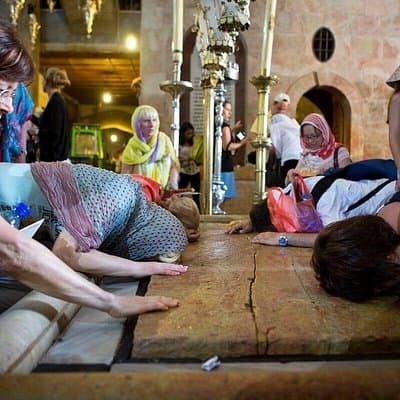

desde 81 €
Ver disponibilidadTours y precios de Viator, una empresa de Tripadvisor. Los precios cambian según las fechas. Podemos recibir una comisión si reservas, sin coste extra para ti.
Jerusalem's food is a direct reflection of its people: diverse, historical, and deeply flavorful. It's where traditional Arab mezze meets Ashkenazi and Sephardic Jewish dishes, all using fresh, local produce. The city is a paradise for street food lovers and fine dining explorers alike.
Eat where you see locals lining up, especially for hummus at lunchtime.
Reservations are essential, especially for dinner. Book well in advance.
Go on a Thursday or Friday morning for the liveliest market atmosphere before Shabbat.
Venture just outside Damascus Gate into East Jerusalem for a more local, less touristy dining experience.
Spring (March-May) is arguably the best time to visit. The weather is mild and pleasant, with daytime temperatures in the low to mid-20s°C (70s°F). The hills around Jerusalem are green and dotted with wildflowers.
Pros:
Cons:
Summer (June-August) is hot, dry, and sunny, with temperatures often reaching 30°C (86°F) or higher. The sun is intense, and there is virtually no rain.
Pros:
Cons:
Autumn (September-November) mirrors spring with comfortable, warm days and cooler evenings. The crowds from summer begin to thin, especially after the Jewish High Holidays.
Pros:
Cons:
Winter (December-February) is cool and often rainy, with occasional cold snaps that can bring rare, magical snowfall. Daytime temps average 12°C (54°F), but can feel colder.
Pros:
Cons:
Compara precios de trenes, autobuses y vuelos a Jerusalem
Introduce tu ciudad de salida para ver precios

1.5 hours by car/bus
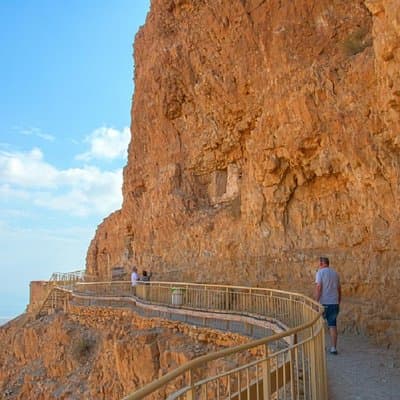
Experience the surreal landscape of the lowest point on Earth. Float effortlessly in the hyper-saline Dead Sea and then explore the dramatic mountaintop fortress of Masada, a UNESCO site with stunning desert views and a gripping historical narrative.
30-45 min by bus/car (check crossing requirements)
Visit the birthplace of Jesus, located just across the separation barrier in the West Bank. This Palestinian city is home to the Church of the Nativity, one of the world's oldest continuously operating churches, and offers a distinct cultural experience.
1 hour by train or car
Experience the striking contrast to Jerusalem's ancient solemnity. Tel Aviv is a vibrant, secular Mediterranean metropolis known for its beaches, world-class food scene, Bauhaus architecture (the White City), and buzzing nightlife.
Jerusalem can be visited on a range of budgets. While not cheap, costs are comparable to other major European cities. Holy sites are often free or low-cost, but food, accommodation, and guided tours can add up.
Budget
€50-80 / $55-90 for budget travelers (hostel, market food, public transport)
per day
Mid-Range
€120-200 / $130-220 for mid-range (3-star hotel, restaurant meals, some taxis, entrance fees)
per day
Luxury
€300+ / $330+ for luxury (5-star hotel, fine dining, private guides, driver)
per day
A fortified Georgian Orthodox monastery nestled in the Valley of the Cross, near the Israel Museum and Knesset.
It's a serene, rarely visited complex built on the traditional site where the tree used for Jesus's cross was felled. The ancient church and peaceful gardens feel worlds away from the city bustle.
A charming museum and cafe located in a historic home in downtown Jerusalem, once belonging to the ophthalmologist Dr. Ticho and his artist wife, Anna.
It offers a glimpse into early 20th-century Jerusalem life, houses Anna Ticho's evocative drawings of the Jerusalem landscape, and has one of the city's loveliest garden cafes.
A small urban wildlife sanctuary and bird-ringing station located between the Knesset and the Israel Museum.
It's a surprising oasis of nature where you can observe bird migration up close. Free to enter, it's a perfect spot for a quiet moment of birdwatching in the heart of the city.
A 3D motion-simulator film experience that takes you on a thrilling ride through 3,000 years of Jerusalem's history.
While cheesy to some, it's a fun, engaging, and air-conditioned way to get a broad-strokes understanding of the city's complex history, great for families or before diving into the real sites.
A Catholic church located on the eastern slope of Mount Zion, traditionally marking the site of the High Priest Caiaphas's palace.
It offers one of the best panoramic views of Jerusalem, especially at sunset. Explore the ancient underground prison pits and stepped road from the Second Temple period, which feel incredibly authentic.
Jerusalem's culture is defined by a deep-seated blend of sacred tradition and modern dynamism, often existing in tense harmony. It's a city where ancient religious rituals dictate daily rhythms, yet contemporary art, music, and debate thrive. Respect for history and faith is the common currency.
The main tourist areas of Jerusalem are generally very safe, with a significant security presence. Exercise standard precautions: be aware of your surroundings, follow local news, and heed advice from your embassy regarding specific areas or events. Political tensions can flare, so avoid demonstrations.
Yes, it is common. Tourists frequently visit Bethlehem or Jericho in the West Bank. You will pass through Israeli checkpoints. Keep your passport with you. Stamps are no longer placed in passports at Ben Gurion Airport, avoiding issues with other countries.
Pack modest clothing. For holy sites, both men and women need clothes that cover shoulders and knees (long skirts or pants). Women should carry a scarf for head covering. Comfortable, sturdy walking shoes are essential for the Old City's uneven stone paths.
No. English is widely spoken in tourist areas, hotels, restaurants, and by most younger Israelis. Signage is often in Hebrew, Arabic, and English. Learning a few basic phrases in Hebrew or Arabic is appreciated as a sign of respect.
From Friday evening to Saturday evening, public buses and the light rail do not operate in Jewish areas. Your options are walking, taking taxis (which are more expensive and scarce), or using Arab bus services that run from East Jerusalem. Plan your accommodation and activities accordingly.
Yes, but with restrictions. Non-Muslim visitors can enter through the Mughrabi Gate near the Western Wall during specific, limited hours (usually morning until early afternoon, not on Fridays or Muslim holidays). Dress modestly, and non-Muslims are not permitted to enter the Dome of the Rock or Al-Aqsa Mosque buildings.
The currency is the Israeli New Shekel (ILS/NIS). Credit cards (Visa/Mastercard) are widely accepted in shops and restaurants. However, carry some cash for smaller market stalls, taxis, and tips. ATMs are readily available.
Yes, tap water in Jerusalem is safe and of good quality. You can drink from taps and public water fountains. This saves money and reduces plastic waste. Bottled water is also available everywhere if you prefer.
Costes diarios habituales para un viajero, según los precios medios de Israel.
| Económico | Gama media | Cómodo | |
|---|---|---|---|
| Alojamiento (por noche) | 65 € | 140 € | 240 € |
| Comida y bebida (por día) | 18 € | 38 € | 75 € |
| Visitas y actividades (por día) | 10 € | 25 € | 55 € |
| Total por día | 93 € | 203 € | 370 € |
Las estimaciones no incluyen vuelos ni transporte de larga distancia. Compara los costes diarios entre ciudades
Hoteles cerca del centro de Jerusalén, de económicos a lujo. Los precios son tarifas por noche habituales en nuestra última consulta.
 Económico
 Gama media
 Superior
 Superior
Los precios de hotel proceden de Traveloka, consultados por última vez el 4 de febrero de 2026, y varían según tus fechas. Podemos recibir una comisión si reservas a través de nuestros enlaces, sin coste adicional para ti.
Deja que la IA cree el itinerario perfecto para tu viaje a Jerusalén. Solo describe lo que quieres experimentar.
Planificar viaje a Jerusalén