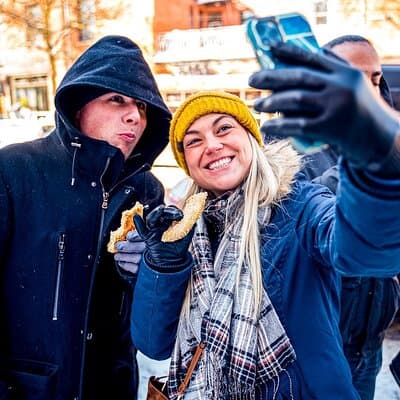
Tour gastronómico de Montreal Mile End con Bagel, Poutine y 7 degustaciones
4.93146 opiniones3h
desde 71 €
Ver disponibilidad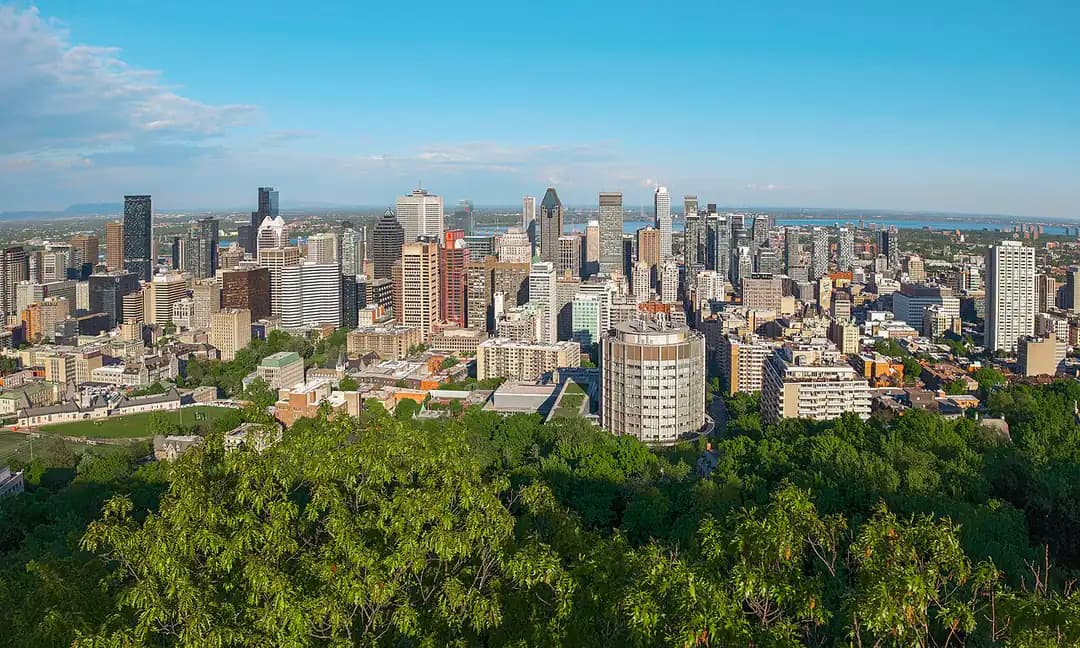
Canada
Montreal isn't just a city; it's a living, breathing cultural experiment where cobblestone streets in Old Montreal whisper of 17th-century French settlers, while the vibrant murals of the Plateau tell a modern story of artistic rebellion. You can start your morning debating the merits of a St-Viateur vs. Fairmount bagel in Mile End, spend your afternoon browsing curated boutiques along Rue Saint-Denis, and cap your night with live jazz in a hidden Saint-Henri speakeasy, all while navigating a city that feels thrillingly European yet unmistakably Québécois.
The city's energy is famously seasonal, transforming from the euphoric, festival-packed summer streets of the Quartier des Spectacles to a serene, snow-dusted wonderland where the Underground City becomes a vital artery. This duality is Montreal's heartbeat—a place where you can hike the wooded trails of Mount Royal for a panoramic city view, then descend into the earth to explore the world's largest interconnected underground complex, a testament to the city's ingenious adaptation to its climate and creative spirit.
A Culinary Capital with Character: Beyond the iconic poutine and bagels, explore a thriving food scene from the bustling Italian markets of Little Italy to innovative fine dining in Griffintown. Don't miss smoked meat sandwiches at Schwartz's, a Montreal institution since 1928.
A World-Class Festival City: The city pulses with creative energy year-round. Experience the international circus arts at the Montréal Complètement Cirque festival in July, laugh out loud at the Just for Laughs comedy festival, or immerse yourself in film at the Fantasia International Film Festival.
Stunning Architectural Contrasts: Witness centuries of history through architecture, from the Gothic Revival splendor of the Notre-Dame Basilica in Old Montreal to the futuristic habitat of Moshe Safdie's Habitat 67 and the sleek skyscrapers of the downtown core.
A Thriving Arts & Street Art Scene: Montreal is an open-air gallery. Take a guided mural tour in the Plateau Mont-Royal, discover contemporary art at the Musée d'art contemporain (MAC), and explore the unique artist studios in the historic Fonderie Darling.
Four Distinct Seasons of Adventure: Each season offers a completely different vibe. Bike along the Lachine Canal in summer, admire the fiery fall foliage on Mount Royal, enjoy the magical Christmas markets in winter, and celebrate the city's reawakening during the spring terrace season.
A Bilingual, Welcoming Vibe: Experience the unique charm of French-speaking North America. The blend of European sophistication and North American casualness creates a uniquely welcoming and exciting atmosphere where you can practice your French or get by perfectly in English.
¿Listo para explorar Montreal?
The historic heart of the city, with 17th-century architecture, cobblestone streets, and a romantic, old-world atmosphere. It's where you'll find the Old Port, major historic sites, and charming boutiques.
Highlights:
Best for:
A bohemian, vibrant district known for its colorful row houses with iconic spiral staircases, indie shops, bustling cafes, and some of the city's best street art.
Highlights:
Best for:
A trendy, multicultural hub that's the epicenter of Montreal's indie music, art, and food scenes. It's relaxed, creative, and famously home to the city's bagel rivalry.
Highlights:
Best for:
A rapidly evolving former industrial area now filled with converted lofts, sleek condos, cutting-edge restaurants, microbreweries, and tech startups along the Lachine Canal.
Highlights:
Best for:
Los tours y entradas que más reservan los viajeros, con valoraciones y opiniones de Viator.
desde 71 €
Ver disponibilidad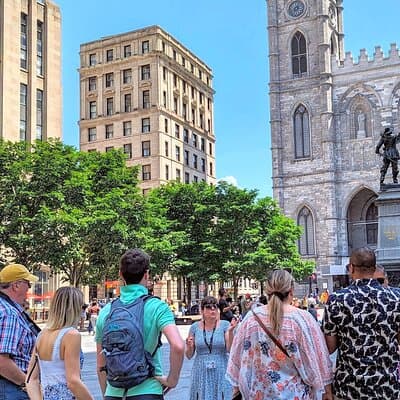
desde 38 €
Ver disponibilidad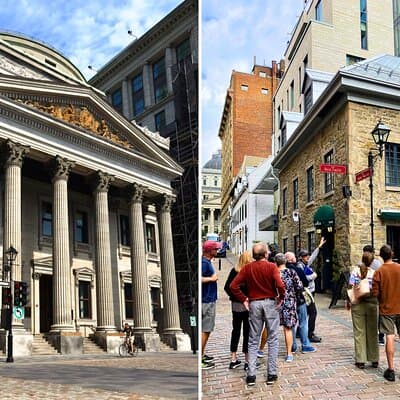
desde 23 €
Ver disponibilidad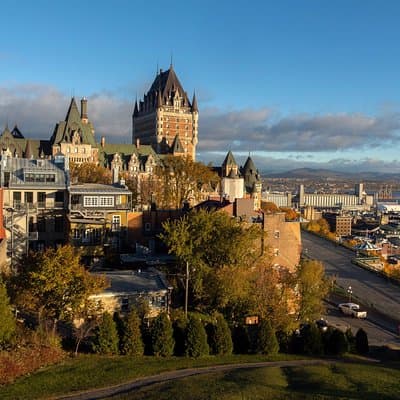
desde 41 €
Ver disponibilidadTours y precios de Viator, una empresa de Tripadvisor. Los precios cambian según las fechas. Podemos recibir una comisión si reservas, sin coste extra para ti.
Montreal's food scene is a delicious reflection of its cultural mosaic, blending Québécois comfort food with immigrant influences. It's a city where a humble dish of poutine can be a late-night staple or a gourmet creation, and where bagel-making is a sacred, 24-hour art form.
For an authentic poutine, seek out a local 'casse-croûte' (snack bar) outside the downtown core.
At Schwartz's, be prepared to share a table with strangers—it's part of the experience. For bagels, they're best eaten warm and plain.
Reservations are essential, often weeks or months in advance for top spots like Joe Beef.
Visit markets like Jean-Talon or Atwater in the morning for the best selection and to avoid crowds.
A season of thaw and celebration. The snow melts, outdoor terraces ('terrasses') begin to open, and the city shakes off winter with events like the Montréal en Lumière festival.
Pros:
Cons:
Montreal at its most vibrant and energetic. Long, warm days are filled with major festivals, outdoor dining, biking, and street life. The city is buzzing.
Pros:
Cons:
A crisp, colorful, and sophisticated season. The summer crowds dissipate, the foliage on Mount Royal turns brilliant red and gold, and the cultural calendar remains full.
Pros:
Cons:
A true winter wonderland, though cold. The city embraces the snow with outdoor skating, magical Christmas markets, and the vibrant underground city becomes a lifesaver.
Pros:
Cons:
Compara precios de trenes, autobuses y vuelos a Montreal
Introduce tu ciudad de salida para ver precios

3 hours by train (VIA Rail), 2.5-3 hours by car
Step back in time in North America's only walled city north of Mexico. The historic Old Québec, a UNESCO site, feels like a piece of France with its cobblestone streets and stunning Château Frontenac.
1-1.5 hours by car
A picturesque region of rolling hills, vineyards, and quaint villages perfect for a countryside escape. It's a hub for agritourism, wine tasting, and outdoor activities in every season.
1.5-2 hours by car, 2 hours by shuttle
A year-round resort destination famous for its skiing in winter and hiking, golf, and a vibrant pedestrian village in the summer. The mountain scenery is spectacular.
Montreal offers good value compared to other major North American cities, though costs rise during peak summer festival season. Dining and entertainment provide excellent quality for the price.
Budget
C$80-120 per person for hostels, market meals, free attractions, and public transport.
per day
Mid-Range
C$180-300 per person for a comfortable hotel/Airbnb, sit-down meals, paid attractions, and occasional taxis.
per day
Luxury
C$400+ per person for boutique hotels, fine dining, private tours, and premium experiences.
per day
A iconic, retro neon sign overlooking the city skyline from the South Shore, originally advertising a flour company.
It's a beloved piece of Montreal's industrial heritage and offers one of the best, most photogenic views of the downtown skyline, especially at night. It's a local landmark often missed by tourists.
Not a typical museum, but an immersive ecosystem zoo housed in the former velodrome from the 1976 Olympics.
It lets you walk through replicas of four distinct American ecosystems (tropical rainforest, Laurentian forest, Gulf of St. Lawrence, sub-Antarctic islands) all under one roof. It's unique, educational, and fascinating for all ages.
A network of residential back alleys in neighborhoods like the Plateau that have been transformed by residents into community gardens and green spaces.
They offer a peaceful, hyper-local glimpse into Montreal community life away from the main streets. It's a quiet urban oasis and a brilliant example of citizen-led urban beautification.
Two restored Victorian-era homes in the Plateau that offer a glimpse into the domestic life of a wealthy Montreal family in the 1860s.
It's a beautifully preserved and intimate museum that feels like stepping into a time capsule, offering a stark contrast to the grand public buildings typically visited. The guided tours are excellent.
A temporary, nomadic summer market and cultural event that pops up in different locations in the Mile End.
It's the epitome of Montreal's indie spirit, featuring local designers, artists, food vendors, and live music in a constantly evolving, community-driven space. It's where locals hang out.
Montreal culture is a proud fusion of French-language heritage and a fiercely independent Québécois identity, layered with influences from its diverse immigrant communities. It's creative, laid-back yet passionate, with a deep appreciation for the arts, good food, and 'joie de vivre'—enjoying life to the fullest.
No. While French is the official language, Montreal is functionally bilingual. In tourist areas, shops, and restaurants, English is widely spoken. Learning a few basic French phrases (Bonjour, Merci) is a respectful gesture that is greatly appreciated.
The metro and bus system (STM) is excellent for reaching most neighborhoods. The central areas are very walkable. In summer, the BIXI bike-share system is a fantastic option. For trips between distinct neighborhoods, the metro is usually fastest.
Yes, Montreal is generally a very safe city for tourists. Exercise standard urban precautions: be aware of your surroundings in crowded areas and at night, and secure your belongings. The metro and major tourist areas are well-patrolled and safe.
Layering is key due to changeable weather. In winter, a heavy coat, waterproof boots, hat, gloves, and scarf are essential. In summer, light clothing is fine, but bring a sweater for cooler evenings. Always check the forecast before your trip.
Montreal bagels are hand-rolled, boiled in honey-sweetened water, and baked in a wood-fired oven, giving them a denser, sweeter, and slightly charred flavor compared to New York-style bagels. They are smaller, have a larger hole, and are always served fresh, never pre-sliced or packaged.
There is a 5% federal GST and a 9.975% provincial QST, for a total sales tax of approximately 15%. This is added at the register on most goods and services. Note that the displayed price often does not include tax.
Some major tourist shops and hotels may accept US dollars, but the exchange rate will be poor. It's always best to pay in Canadian dollars. Use a credit card (with no foreign transaction fees) for most purchases and withdraw Canadian cash from ATMs as needed.
The legal drinking age in Quebec is 18. You will need to show government-issued photo ID (passport, driver's license) when purchasing alcohol at stores (SAQ) or in bars and restaurants if you appear under 25.
Costes diarios habituales para un viajero, de económico a cómodo.
| Económico | Gama media | Cómodo | |
|---|---|---|---|
| Alojamiento (por noche) | 55 € | 135 € | 230 € |
| Comida y bebida (por día) | 25 € | 48 € | 90 € |
| Visitas y actividades (por día) | 10 € | 25 € | 55 € |
| Total por día | 90 € | 208 € | 375 € |
Las estimaciones no incluyen vuelos ni transporte de larga distancia. Compara los costes diarios entre ciudades
Hoteles cerca del centro de Montreal, de económicos a lujo. Los precios son tarifas por noche habituales en nuestra última consulta.
 Económico
 Económico
 Gama media
 Gama media
 Superior
 Superior
 Lujo
 Lujo
Los precios de hotel proceden de Traveloka, consultados por última vez el 4 de febrero de 2026, y varían según tus fechas. Podemos recibir una comisión si reservas a través de nuestros enlaces, sin coste adicional para ti.
Conexiones populares en tren, autobús y avión, con tiempos de viaje y tarifas.
Deja que la IA cree el itinerario perfecto para tu viaje a Montreal. Solo describe lo que quieres experimentar.
Planificar viaje a Montreal