
Tour a pie de fantasmas, vudú y vampiros Premier de Nueva Orleans
4.613.871 opiniones1h 45m
desde 34 €
Ver disponibilidad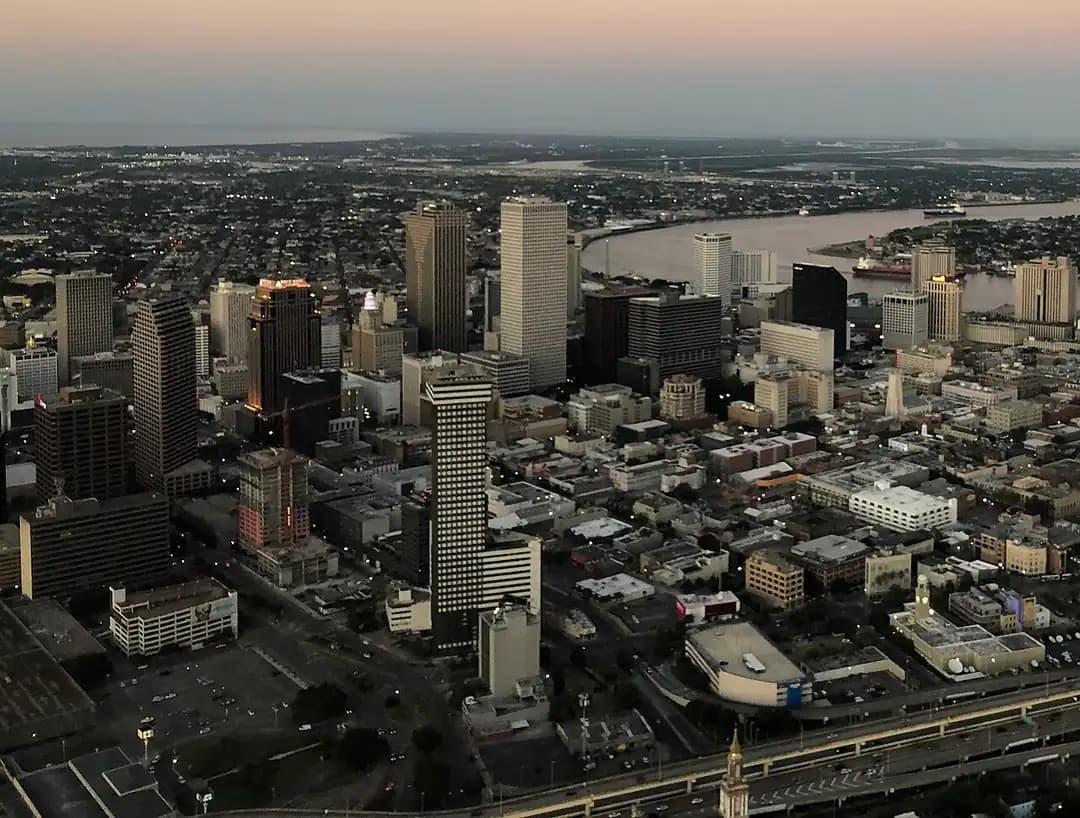
United States
New Orleans isn't just a city; it's a living, breathing cultural gumbo where history seeps from the iron-lace balconies of the French Quarter and jazz spills out of unmarked doorways on Frenchmen Street. Forget what you know about American cities—here, you'll find above-ground cemeteries like St. Louis No. 1, where voodoo queen Marie Laveau rests, and century-old streetcars rattling past antebellum mansions in the Garden District. The soul of the city is in the details: the powdered sugar dusting your beignets at Café du Monde, the second-line parade suddenly turning a quiet street into a brass band celebration, and the complex flavors of a slow-cooked gumbo that tell a story of French, African, Spanish, and Caribbean fusion.
This is a city that celebrates life with a fervor unmatched anywhere else, most famously during the chaotic, costume-filled spectacle of Mardi Gras. But the party never really stops—you can find it in the 24-hour energy of Bourbon Street, the sophisticated cocktail temples of the Warehouse District where the Sazerac was born, and the vibrant local festivals that fill the calendar. From the mystical allure of the bayou to the haunting beauty of live jazz in Preservation Hall, New Orleans engages all your senses and leaves an indelible mark on your spirit.
A Culinary Revolution: New Orleans invented entire categories of American cuisine. Taste the difference between Creole and Cajun at institutions like Commander's Palace, slurp oysters at Acme Oyster House, and discover why a po'boy from Parkway Bakery or muffuletta from Central Grocery is a religious experience.
The Birthplace of Jazz: Walk where Louis Armstrong played. Hear live, world-class jazz every night at historic Preservation Hall or the Spotted Cat Music Club on Frenchmen Street. Feel the music move you during the annual New Orleans Jazz & Heritage Festival.
Architectural Time Capsule: Stroll through three centuries of design, from Spanish colonial buildings in the French Quarter and pastel Creole cottages in the Marigny to the stunning Greek Revival mansions of the Garden District, best seen from the St. Charles streetcar.
A Culture of Celebration: Experience the once-in-a-lifetime madness of Mardi Gras parades, the local joy of a second-line wedding parade, or the cultural immersion of festivals like the French Quarter Festival or Voodoo Music + Arts Experience.
Deep & Mystical History: Explore the unique above-ground cemeteries, learn the real history of voodoo at the New Orleans Historic Voodoo Museum, and take a haunted history tour through the French Quarter's shadowy alleys.
The Resilient Spirit of the River: Connect with the mighty Mississippi on a steamboat cruise, explore the interactive exhibits at The National WWII Museum, and witness the city's remarkable recovery and creative energy in neighborhoods like Bywater.
¿Listo para explorar Nueva Orleans?
The historic heart of the city, famous for its vibrant energy, Spanish and French architecture, and non-stop activity. By day, it's about courtyard cafes and antique shops; by night, it transforms into a sensory overload of music, food, and revelry.
Highlights:
Best for:
An elegant, residential area showcasing stunning 19th-century mansions, lush gardens, and quiet, oak-lined streets. It offers a peaceful, picturesque contrast to the frenzy of the French Quarter.
Highlights:
Best for:
Bohemian, artsy neighborhoods east of the Quarter, radiating a laid-back, local vibe. This is where artists, musicians, and creatives live, with colorful shotgun houses, eclectic galleries, and some of the city's best music venues.
Highlights:
Best for:
A revitalized industrial area now home to world-class museums, sleek art galleries, upscale restaurants, and boutique hotels. It's a more modern, polished side of New Orleans culture.
Highlights:
Best for:
Los tours y entradas que más reservan los viajeros, con valoraciones y opiniones de Viator.
desde 34 €
Ver disponibilidad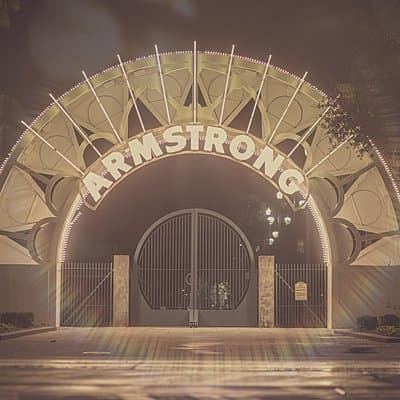
desde 34 €
Ver disponibilidad
desde 68 €
Ver disponibilidad
desde 77 €
Ver disponibilidadTours y precios de Viator, una empresa de Tripadvisor. Los precios cambian según las fechas. Podemos recibir una comisión si reservas, sin coste extra para ti.
New Orleans food is a serious cultural pursuit, where recipes are passed down for generations and meals are social events. It's a distinct fusion of French, Spanish, West African, and Native American influences, creating two main schools: Creole (city-style, often with tomatoes) and Cajun (country-style, from the Acadian settlers).
Jackets are often required for men at dinner in these old-line institutions; check dress codes.
The muffuletta at Central Grocery is huge—a quarter sandwich is plenty for one person.
Reservations are essential for dinner at these popular spots, often weeks in advance.
A 'sno-ball' is not a snow cone—it's made with finely shaved ice and homemade syrups. Try the cream of nectar flavor.
Spring is glorious, with warm days, blooming azaleas, and a packed festival calendar. This is peak tourist season, culminating in the New Orleans Jazz & Heritage Festival.
Pros:
Cons:
Hot, humid, and stormy. Temperatures soar into the 90s°F (32-35°C) with high humidity and frequent afternoon thunderstorms. This is the low season.
Pros:
Cons:
A lovely, underrated season. Heat and humidity break by late October, leading to crisp, sunny days. Halloween is a major event here.
Pros:
Cons:
Generally mild but can be unpredictable, with temperatures ranging from chilly (40s°F / 4-9°C) to pleasantly cool. The city is festive leading up to Mardi Gras.
Pros:
Cons:
Compara precios de trenes, autobuses y vuelos a New Orleans
Introduce tu ciudad de salida para ver precios

1 hour by car
Step back into the antebellum South at this iconic sugar plantation, famous for its breathtaking quarter-mile canopy of 300-year-old live oak trees leading to a Greek Revival mansion.
45 min to 1 hour by car
Glide through mysterious cypress swamps and bayous to see alligators, herons, egrets, and other wildlife in their natural habitat, learning about Cajun culture and ecosystem.
1.5 hours by car
A change of pace with sandy beaches, casino resorts, and fresh Gulf seafood. Visit historic sites and enjoy a scenic drive along the coastal highway.
New Orleans can be visited on a range of budgets, but costs spike dramatically during major festivals like Mardi Gras and Jazz Fest. Food and drink are major expenses, but many cultural experiences (music, architecture, walking tours) are low-cost or free.
Budget
$75-125 per person for hostels, street food/po'boys, free walking tours, and public transport.
per day
Mid-Range
$200-350 per person for a 3-star hotel in a central location, sit-down meals at casual restaurants, paid tours, and occasional taxis.
per day
Luxury
$500+ per person for luxury boutique hotels, fine dining, private tours, and premium festival experiences.
per day
An interactive, outdoor musical sculpture garden in the Bywater, where you can play giant, architecturally-designed instruments.
It's a truly unique, hands-on artistic experience that blends music, architecture, and play, far from the typical tourist trail.
A quiet, historic neighborhood across the Mississippi River, accessible by a short, cheap ferry ride from the French Quarter.
It feels like a separate, sleepy village with gorgeous Victorian homes, a few local bars, and the best panoramic views of the New Orleans skyline.
A massive, beautiful urban park larger than NYC's Central Park, featuring ancient live oaks, the New Orleans Museum of Art, and a sculpture garden.
Locals love it for its tranquility. Find the 'Singing Oak'—a large oak tree hung with wind chimes tuned to a pentatonic scale, creating ethereal music.
A tiny, grassroots museum in Tremé dedicated to the African American cultural traditions of Mardi Gras Indians, Social Aid & Pleasure Clubs, and jazz funerals.
It houses the world's most comprehensive collection of Mardi Gras Indian costumes and offers an authentic, powerful look at living traditions not found in mainstream museums.
A residential area along a slow-moving bayou, with a park-like path perfect for walking, picnicking, and seeing the city's only remaining natural waterway.
It's incredibly peaceful, with beautiful historic homes and a local vibe. You might see people practicing on rowing shells or celebrating at the Pitot House museum.
New Orleans culture is a tapestry of celebration, resilience, and deep community ties. It's Catholic in tradition but spiritually diverse, superstitious, and deeply connected to music, food, and family. Time moves slower here ('New Orleans time'), and socializing is a priority. The city honors its dead, celebrates its saints, and finds joy in the face of hardship.
The main tourist areas like the French Quarter, Garden District, and Marigny are generally safe during the day and busy evenings. As in any major city, be aware of your surroundings, don't wander alone down dark, deserted streets at night, and avoid displaying expensive jewelry or electronics. Stick to well-lit, populated areas.
Not if you're staying in the core areas. The French Quarter, CBD, Warehouse District, and Marigny are very walkable and connected by streetcars and buses. A car is a hassle and expensive due to parking fees. Rent a car only if you plan extensive day trips outside the city.
Comfort is key—wear shoes you can walk/stand in for hours. Costumes are highly encouraged, even for spectators! Pack layers as weather can change. For parades, avoid wearing anything you mind getting dirty, as beads and trinkets can be thrown. Purple, green, and gold (the Mardi Gras colors) are always appropriate.
Creole cuisine is 'city food' from New Orleans, with European (especially French and Spanish) and African influences, often using tomatoes, butter, and cream (e.g., Shrimp Creole). Cajun cuisine is 'country food' from the Acadian settlers in rural Louisiana, known for one-pot dishes, darker roux, and more robust spices (e.g., Crawfish Étouffée).
For St. Louis Cemetery No. 1, you must be with a licensed tour guide (a city rule for safety and preservation). Other cemeteries like Lafayette No. 1 in the Garden District can be entered alone, but it's highly recommended to go with a guide to understand the history, symbolism, and to ensure you stay in safe, open areas.
Walking is often the only way in the French Quarter and along parade routes, as streets are closed. Streetcars run but on limited routes and are extremely crowded. The best strategy is to stay within walking distance of where you want to watch parades. Use rideshares sparingly, as surge pricing is high and pickup/drop-off zones are chaotic.
Yes, the tap water in New Orleans is safe to drink. In fact, the city's soft water is part of what makes the coffee and bread (like French bread for po'boys) so distinctive. You can refill water bottles from the tap.
A second line is a traditional parade, most commonly for a wedding or funeral. The 'first line' is the main parade (the band, the honored guests or family). The 'second line' is everyone else who joins in to follow, dance, and celebrate with handkerchiefs or parasols. If you see one, you're welcome to join the second line!
Costes diarios habituales para un viajero, según los precios medios de United States.
| Económico | Gama media | Cómodo | |
|---|---|---|---|
| Alojamiento (por noche) | 75 € | 160 € | 260 € |
| Comida y bebida (por día) | 28 € | 55 € | 100 € |
| Visitas y actividades (por día) | 12 € | 28 € | 60 € |
| Total por día | 115 € | 243 € | 420 € |
Las estimaciones no incluyen vuelos ni transporte de larga distancia. Compara los costes diarios entre ciudades
Hoteles cerca del centro de Nueva Orleans, de económicos a lujo. Los precios son tarifas por noche habituales en nuestra última consulta.
 Económico
 Económico
 Gama media
 Gama media
 Superior
 Superior
 Lujo
 Lujo
Los precios de hotel proceden de Traveloka, consultados por última vez el 4 de febrero de 2026, y varían según tus fechas. Podemos recibir una comisión si reservas a través de nuestros enlaces, sin coste adicional para ti.
Deja que la IA cree el itinerario perfecto para tu viaje a Nueva Orleans. Solo describe lo que quieres experimentar.
Planificar viaje a Nueva Orleans