Tour gastronómico de platos de Penang con más de 15 degustaciones
5.0716 opiniones4h
desde 44 €
Ver disponibilidad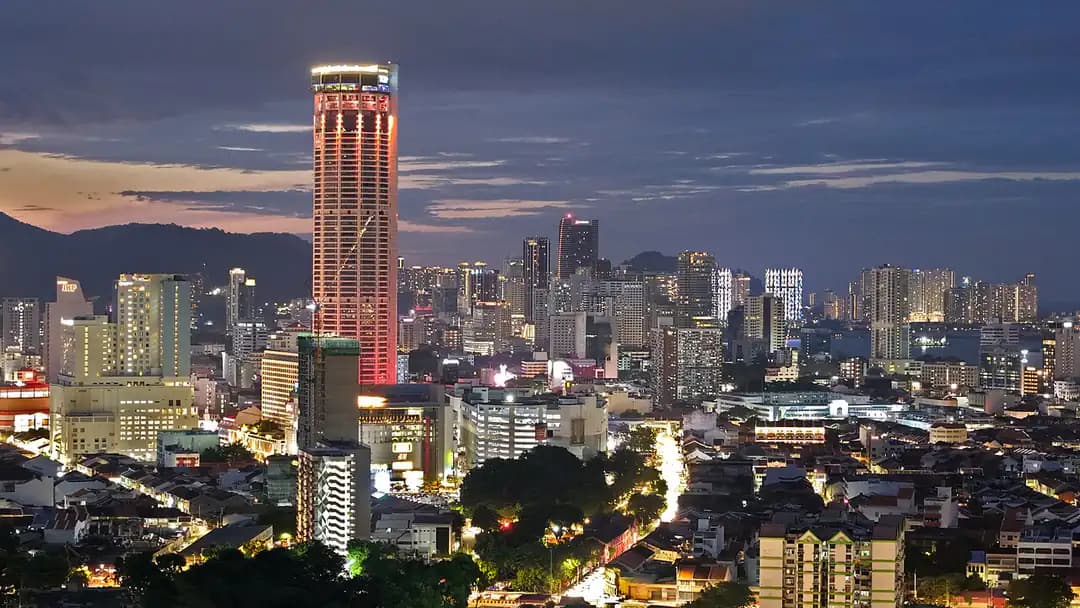
Malaysia
Penang isn't just a destination; it's a full-sensory immersion. The moment you step into the humid air of Georgetown, a UNESCO World Heritage Site, you're hit with the sizzle of woks, the scent of incense from clan temples, and the kaleidoscope of colonial-era shophouses painted in pastel hues. This is Malaysia's cultural and culinary heart, where every corner tells a story—from the poignant murals by Ernest Zacharevic that turn alleyways into open-air galleries to the living history of the Clan Jetties, wooden villages built over the water by Chinese immigrants.
Beyond the historic core, Penang reveals its diverse layers. Ascend Penang Hill on the funicular for a panoramic view of the island and mainland, explore the immense, multi-tiered Kek Lok Si Temple adorned with thousands of lanterns, or find serenity in the tropical gardens of the Botanic Gardens. It's a place where you can spend your morning bargaining for spices in Little India, your afternoon admiring intricate Peranakan beaded slippers in a museum, and your evening hunting for the perfect plate of char koay teow at a bustling hawker center like Gurney Drive.
A UNESCO World Heritage Feast: Experience a living museum in Georgetown, where centuries of Chinese, Indian, Malay, and British influences are etched into the architecture, temples, and most deliciously, the food. This isn't just history in books; it's history you can taste in every bite of asam laksa or Hokkien mee.
The Undisputed Street Food Capital of Malaysia: Embark on a culinary pilgrimage where legendary dishes were born. Hunt down the perfect char koay teow at Siam Road, sample fiery curry mee, and cool off with cendol. The island's hawker centers, like New Lane and Chulia Street, are democratic dining rooms where everyone comes for flavor.
An Open-Air Street Art Gallery: Discover art in unexpected places. Beyond the famous 'Children on a Bicycle' mural, Georgetown's lanes are filled with wrought-iron caricatures, large-scale installations, and interactive pieces that encourage exploration and turn a simple walk into a treasure hunt.
A Tapestry of Living Cultures & Religions: Witness profound spirituality and tradition within a few city blocks. Visit the golden Dhammikarama Burmese Temple, the majestic Kapitan Keling Mosque, the ornate Kuan Yin Teng Temple, and the Sri Mahamariamman Temple, all coexisting in harmonious proximity.
Unique Heritage Beyond the Main Streets: Step into the atmospheric Clan Jetties, particularly Chew Jetty, where homes on stilts have stood for generations. Explore the opulent world of the Peranakans at the Pinang Peranakan Mansion, a stunning display of their hybrid Chinese-Malay culture.
Natural Escapes with Breathtaking Views: Escape the city buzz by taking the funicular railway up Penang Hill for cooler air and stunning vistas. Hike through the rainforest in the Penang National Park to Monkey Beach or find tranquility in the formal landscapes of the Tropical Spice Garden.
¿Listo para explorar Penang?
The historic heart of Penang, defined by its grid of streets filled with beautifully restored shophouses, colonial administration buildings, and places of worship. The vibe is bustling, artistic, and deeply atmospheric, with surprises around every corner.
Highlights:
Best for:
The epicenter of Penang's backpacker and nightlife scene by evening, and a fantastic food hub by day. This area is lively, packed with budget guesthouses, trendy cafes, and buzzing bars alongside some of the island's oldest coffee shops.
Highlights:
Best for:
A vibrant, sensory overload of colors, sounds, and smells. The air is thick with the scent of spices and incense, Bollywood music blares from shops, and vibrant sarees line the streets, centered around the majestic Kapitan Keling Mosque.
Highlights:
Best for:
A more modern, upscale coastal stretch featuring seafront promenades, luxury condominiums, and large shopping malls. Gurney Drive is famous for its hawker center with sea views, while nearby Straits Quay offers marina-side dining.
Highlights:
Best for:
Los tours y entradas que más reservan los viajeros, con valoraciones y opiniones de Viator.
desde 44 €
Ver disponibilidad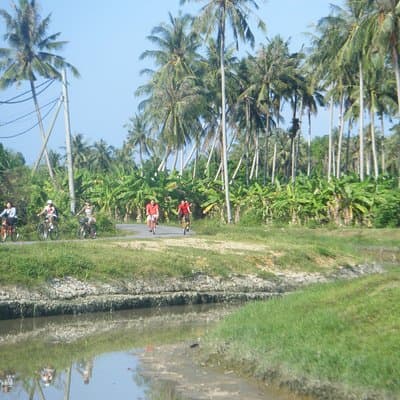
desde 29 €
Ver disponibilidad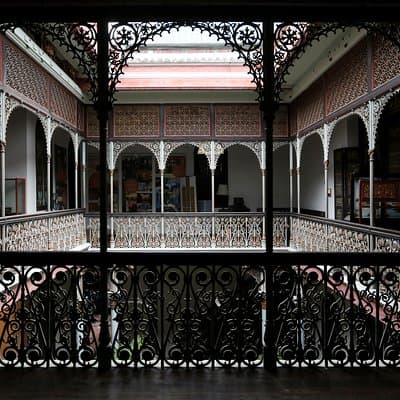
desde 6 €
Ver disponibilidad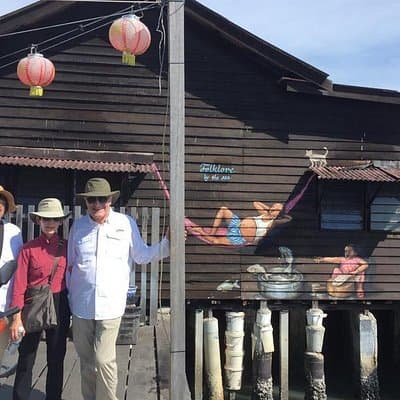
Tours y precios de Viator, una empresa de Tripadvisor. Los precios cambian según las fechas. Podemos recibir una comisión si reservas, sin coste extra para ti.
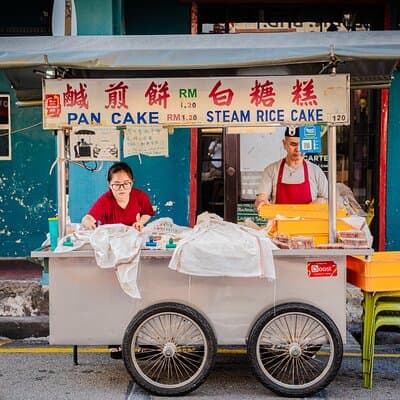
Penang's food culture is its soul, a delicious testament to its multicultural heritage. Eating is a communal, round-the-clock activity centered on hawker centers and kopitiams (traditional coffee shops), where each stall specializes in one or two iconic dishes perfected over generations.
Go slightly off-peak (e.g., mid-afternoon) to avoid the longest queues at the most famous stalls.
Kopitiams often have a central drink stall. Order your drinks from there and food from the surrounding specialty stalls.
Nyonya food is often complex and labor-intensive. Dining at a proper restaurant is the best way to appreciate its depth of flavor.
For banana leaf rice, use your right hand to eat for the most authentic experience, though cutlery is always available.
Penang's spring (March-May) is hot and humid, marking the tail end of the drier season and the beginning of increased rainfall.
Pros:
Cons:
Summer (June-August) sees consistent rainfall, particularly in the form of intense but often short-lived afternoon showers. Temperatures remain consistently warm.
Pros:
Cons:
Autumn (September-November) is one of the wettest periods, with the monsoon season bringing heavier and more prolonged rainfall, especially on the island's western side.
Pros:
Cons:
Winter (December-February) is Penang's peak, dry season. The weather is slightly less humid with lower rainfall, making it the most pleasant time for exploration.
Pros:
Cons:
Compara precios de trenes, autobuses y vuelos a Penang
Introduce tu ciudad de salida para ver precios

45 min by plane or 2.5 hours by ferry from Swettenham Pier
Escape to a duty-free archipelago known for its stunning beaches, lush rainforests, and mangrove forests. It offers a more relaxed, resort-style vibe compared to bustling Penang.
1 hour 15 min by car or 1.5 hours by train
Visit one of Peninsular Malaysia's most charming and historic towns, known as the 'Town of Everlasting Peace' for its serene lake gardens and well-preserved colonial buildings.
1 hour 30 min by car or train
The royal town of Perak, offering a glimpse into Malay royalty and architecture, including one of Malaysia's most beautiful mosques.
Penang is an excellent value destination, offering world-class experiences at very affordable prices, especially for food and local transport. Luxury options are available but not necessary for a fantastic trip.
Budget
€25-40 / $27-43 for budget travelers (hostel dorm, street food, public transport)
per day
Mid-Range
€70-120 / $75-130 for mid-range (private room in boutique hotel, mix of hawker and restaurant meals, occasional taxis)
per day
Luxury
€200+ / $215+ for luxury (5-star hotel, fine dining, private tours, premium experiences)
per day
A revitalized 1940s bus depot turned into a vibrant community arts space.
It's a hub for contemporary art exhibitions, weekend markets with local crafts, and indie cafes, offering a cool, creative contrast to the historic shophouses.
A beautiful Thai Buddhist temple in Pulau Tikus, home to one of the world's longest reclining Buddha statues.
It's far less crowded than Kek Lok Si, offers a serene atmosphere, and showcases stunning Thai temple architecture right in Penang.
An eco-park at the top of Penang Hill featuring a canopy walk and treetop walk with incredible views.
It provides a pristine, educational nature experience high above the city, focusing on conservation, and is much quieter than the main summit area.
An exceptionally ornate Chinese clanhouse belonging to the Khoo family, often missed by those just following the street art trail.
Its intricate carvings, sculptures, and pavilions represent the pinnacle of Chinese craftsmanship and the power of the clan associations in old Penang.
The 'back of the island', a rural area of fruit orchards, paddy fields, and small villages.
It offers an authentic glimpse of Penang's agricultural heart, famous for durian and nutmeg, and is a world away from the urban buzz of Georgetown.
Penang's culture is a harmonious, living blend of Malay, Chinese, Indian, and Peranakan influences, reflected in its festivals, daily life, and tolerant spirit. Respect for elders and a generally polite, reserved demeanor in public are important, though the island is very welcoming to visitors.
Yes, Penang is generally very safe for tourists. Violent crime is rare. Exercise normal precautions: be aware of your belongings in crowded areas, use reputable transport, and be cautious when walking alone late at night in quieter areas.
Visa requirements depend on your nationality. Citizens of the US, UK, EU, Australia, and many other countries do not need a visa for tourist stays of up to 90 days. Always check the latest requirements with the Malaysian Immigration Department before traveling.
Walking is best for the compact UNESCO core. Use the free CAT bus for longer stretches within the heritage zone. For trips between neighborhoods or to attractions like Kek Lok Si, use the Grab app or local buses (Rapid Penang).
It is not recommended to drink tap water. Stick to bottled or filtered water, which is widely available and inexpensive. Most hotels and restaurants provide filtered or boiled water.
Yes, English is very widely spoken in Penang, especially in Georgetown, tourist areas, and by younger generations. You will have no trouble communicating at hotels, restaurants, and major attractions.
Pack light, breathable cotton or linen clothing, a hat, sunglasses, strong sunscreen, insect repellent, a reusable water bottle, comfortable walking shoes, a light rain jacket or umbrella, and a scarf for temple visits.
Credit cards are accepted in hotels, larger restaurants, and shopping malls. However, cash (Malaysian Ringgit) is essential for hawker stalls, street markets, small shops, and local transport. Always carry sufficient small bills.
Tipping is not customary or expected in Malaysia. At restaurants, a 10% service charge is often included in the bill. For exceptional service, leaving small change or rounding up the bill is appreciated but not obligatory. Do not tip taxi drivers.
Costes diarios habituales para un viajero, según los precios medios de Malaysia.
| Económico | Gama media | Cómodo | |
|---|---|---|---|
| Alojamiento (por noche) | 15 € | 40 € | 85 € |
| Comida y bebida (por día) | 7 € | 15 € | 32 € |
| Visitas y actividades (por día) | 5 € | 12 € | 28 € |
| Total por día | 27 € | 67 € | 145 € |
Las estimaciones no incluyen vuelos ni transporte de larga distancia. Compara los costes diarios entre ciudades
Hoteles cerca del centro de Penang, de económicos a lujo. Los precios son tarifas por noche habituales en nuestra última consulta.
 Económico
 Económico
 Gama media
 Gama media
 Superior
 Superior
 Lujo
 Lujo
Los precios de hotel proceden de Traveloka, consultados por última vez el 4 de febrero de 2026, y varían según tus fechas. Podemos recibir una comisión si reservas a través de nuestros enlaces, sin coste adicional para ti.
Conexiones populares en tren, autobús y avión, con tiempos de viaje y tarifas.
Deja que la IA cree el itinerario perfecto para tu viaje a Penang. Solo describe lo que quieres experimentar.
Planificar viaje a Penang