
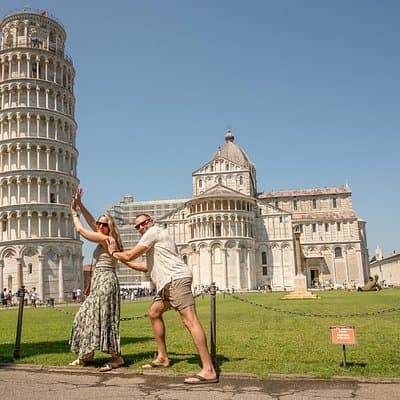
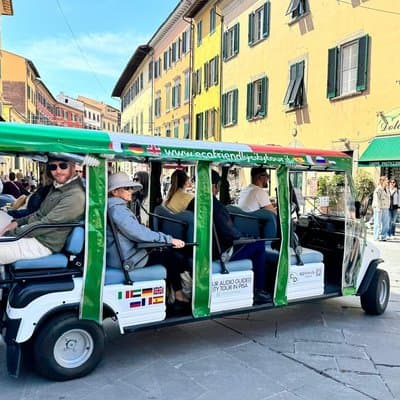
Tour por los puntos destacados de Pisa: Baptisterio, Catedral y Torre Inclinada opcional
4.7507 opiniones1h 30m
desde 42 €
Ver disponibilidad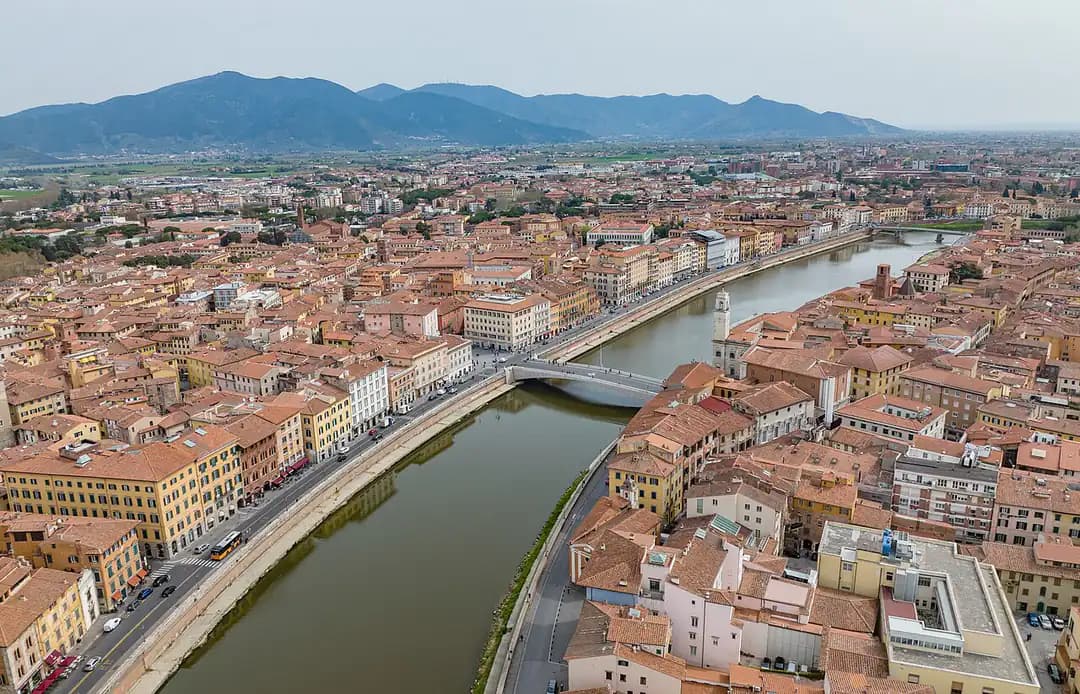
Italy
Pisa is far more than a single tilted tower. While the Leaning Tower draws millions to the Campo dei Miracoli, the city's true soul lies in its vibrant university life, medieval alleyways, and the serene banks of the River Arno. This is a city where ancient Romanesque masterpieces share the skyline with student-filled piazzas, and where the scent of fresh gelato mingles with centuries-old stone.
Beyond the iconic photo op, explore the Piazza dei Cavalieri, once the political heart of medieval Pisa and now home to the prestigious Scuola Normale Superiore. Wander along the Lungarno to discover artisan workshops and cafes with views of the historic palaces reflected in the water. Pisa's compact center invites leisurely discovery, from the bustling Borgo Stretto shopping street to the quiet, sun-dappled cloisters of the Camposanto Monumentale.
Architectural Marvels Beyond the Tower: The Campo dei Miracoli is a UNESCO World Heritage site featuring not just the Leaning Tower, but the stunning Pisa Cathedral with its bronze doors and intricate pulpit by Giovanni Pisano, the acoustically perfect Baptistery, and the hauntingly beautiful Camposanto cemetery with its medieval frescoes.
A Lively University Town Atmosphere: Home to one of Europe's oldest universities, Pisa buzzes with youthful energy. Explore student-friendly bars in the San Martino district, browse bookshops near the university, and enjoy affordable aperitivo culture in piazzas filled with locals.
The Serene Beauty of the River Arno: Pisa's relationship with its river rivals that of Florence. Stroll the Lungarno promenades at sunset, admire the colorful palazzi like Palazzo Blu, and cross the medieval Ponte di Mezzo for classic views often missed by day-trippers.
Authentic Tuscan Cuisine Without the Crowds: Savor Pisan specialties like 'cecina' (chickpea flatbread), 'torta co' bischeri' (sweet rice cake), and fresh river fish in traditional trattorias like Osteria dei Cavalieri, where prices are lower than in more tourist-saturated Tuscan cities.
A Compact, Walkable Historic Center: Almost all major sights are within a 20-minute walk, allowing for a deeply immersive experience. Get lost in the medieval grid of streets between the Arno and the tower, discovering hidden churches, artisan botteghe, and quiet courtyards.
An Ideal Base for Exploring Tuscany: With excellent rail connections, Pisa offers a less crowded and more affordable alternative to Florence for exploring the region. Easy day trips reach the beaches of the Versilia coast, the towers of San Gimignano, and the vineyards of Chianti.
¿Listo para explorar Pisa?
The epicenter of tourism, centered around the iconic Leaning Tower and the breathtaking Piazza del Duomo. While bustling with visitors by day, the area takes on a magical, quieter atmosphere in the early morning and evening when the crowds dissipate.
Highlights:
Best for:
The historic university quarter, pulsing with student life. Narrow streets are lined with affordable bookshops, eclectic bars, and casual eateries. This is where you'll find the real, lived-in heart of Pisa after dark.
Highlights:
Best for:
A stately and elegant district that was the political center of the Pisan Republic. Dominated by the ornate Palazzo della Carovana and the tower of the Palazzo dell'Orologio, it feels scholarly and refined, home to elite academic institutions.
Highlights:
Best for:
The picturesque riverside areas, offering romantic walks and stunning reflections of historic palaces. The south bank (Lungarno Galilei/Pacini) is more commercial, while the north bank (Lungarno Mediceo/Sonnino) feels more residential and tranquil.
Highlights:
Best for:
Los tours y entradas que más reservan los viajeros, con valoraciones y opiniones de Viator.
desde 42 €
Ver disponibilidad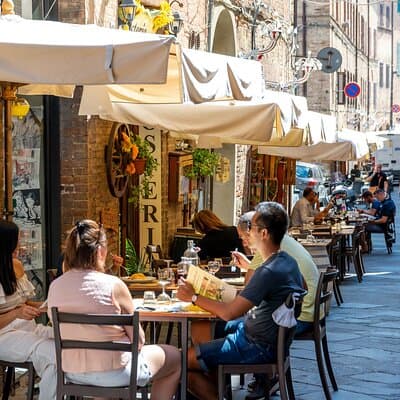
desde 59 €
Ver disponibilidad
Tours y precios de Viator, una empresa de Tripadvisor. Los precios cambian según las fechas. Podemos recibir una comisión si reservas, sin coste extra para ti.
Pisan cuisine is a hearty branch of Tuscan fare, emphasizing simple, fresh ingredients from the sea, river, and countryside. River fish, game, legumes, and rustic bread feature prominently. The student population ensures a thriving market for affordable, high-quality street food and aperitivo culture.
Look for the 'Menu Turistico' at lunch for a fixed-price multi-course meal, often better value than ordering à la carte.
Order a slice of warm cecina stuffed in a piece of focaccia for the ultimate Pisan street food snack.
From about 6-9 PM, many bars offer an 'apericena'—a paid drink that includes access to a buffet of snacks substantial enough for a light dinner.
For an authentic taste, try gelato flavors like 'riso' (rice), 'crema' (custard), or 'buontalenti' (a Tuscan cream invented in Florence).
Spring (April-June) is arguably the best time to visit. The weather is warm and sunny, ideal for walking, and the Tuscan countryside is lush and blooming. The city is lively but not yet at peak summer crowds.
Pros:
Cons:
Summer (July-August) is hot, busy, and festive. The city swells with tourists, and temperatures can soar, but the atmosphere is vibrant with long evenings and occasional local festivals.
Pros:
Cons:
Autumn (September-October) is a close rival to spring. The summer heat breaks, crowds thin out after September, and the changing leaves add color. The grape and olive harvests begin in the surrounding countryside.
Pros:
Cons:
Winter (November-March) is cool, quiet, and damp. While some days can be crisp and sunny, others are gray and rainy. This is the time to experience Pisa like a local, with minimal queues and lower prices.
Pros:
Cons:
Compara precios de trenes, autobuses y vuelos a Pisa
Introduce tu ciudad de salida para ver precios

25 min by regional train
A perfectly preserved Renaissance city enclosed by massive, tree-topped 16th-century walls you can bike or walk along. Lucca's charming cobbled streets, Romanesque churches, and elegant piazzas offer a more relaxed, affluent contrast to Pisa.
1 hour 15 min by regional train to La Spezia, then local train
The iconic string of five colorful fishing villages clinging to cliffs along the Ligurian coast. A UNESCO site, it's famous for hiking trails, seafood, and breathtaking seaside scenery.
50-80 min by regional or high-speed train
The cradle of the Renaissance, Florence is an art and architecture powerhouse. While it deserves more than a day, it's easily accessible from Pisa for a whirlwind tour of its world-famous museums and monuments.
Pisa is generally more affordable than Florence or Rome, especially for accommodation and food. Costs are concentrated around the Campo dei Miracoli, but drop significantly just a few blocks away.
Budget
€50-70 per person for hostels, street food, free sights, and walking.
per day
Mid-Range
€100-150 per person for a private room/B&B, restaurant meals, paid monument entries, and local transport.
per day
Luxury
€250+ per person for 4-star hotels, fine dining, private guides, and taxis.
per day
A beautiful, often-overlooked Romanesque church with a stunning Pisan-style facade, located on the main shopping street Borgo Stretto.
Its intricate marble facade rivals that of the more famous churches, but you can admire it in peace without any crowds, offering a moment of quiet architectural appreciation.
A superb art museum housed in a former Benedictine convent on the Lungarno, showcasing medieval Tuscan paintings and sculptures.
It houses masterpieces by artists like Simone Martini and Donatello, providing crucial context for Pisa's artistic heritage, yet remains blissfully uncrowded compared to museums in Florence.
A large, vibrant mural painted by American pop artist Keith Haring in 1989 on the wall of the Sant'Antonio church complex.
This is one of Haring's last large public works and his only mural that was conceived as a permanent, non-protest piece, offering a striking and unexpected contrast to Pisa's ancient art.
A public garden built within the ruins of a 15th-century fortress (Cittadella Nuova) on the south bank of the Arno.
It's a peaceful, green escape with playgrounds, an open-air cinema in summer, and fascinating remnants of the old fortress walls, frequented almost exclusively by locals.
A series of ancient, arched vaults built into the river wall beneath the Lungarno, once used as boat houses and workshops.
Walking through these atmospheric, dimly-lit arches along the river path feels like stepping into a hidden, medieval layer of the city completely missed by most visitors.
Pisan culture is a proud blend of ancient maritime republic history and modern academic vitality. Locals have a strong civic identity separate from Florence. The pace is slower than in major metropolises, with life revolving around piazzas, family meals, and the passeggiata (evening stroll).
Yes, if you're fit and not claustrophobic. The 294-step spiral climb up the tilting stairs is a unique experience, and the view from the top is superb. However, booking weeks in advance is essential, and the price (€18) is steep for a short visit. The exterior view is iconic enough for many.
Absolutely. Frequent trains make the trip in under an hour. You can comfortably see the Campo dei Miracoli, walk the center, and have lunch in 5-6 hours. However, staying overnight lets you experience the city's wonderful evening atmosphere without the day-trip crowds.
One full day is sufficient to see the main sights at a relaxed pace. Dedicate 2-3 hours for the Campo dei Miracoli monuments, and the rest of the day to exploring the riverbanks, Piazza dei Cavalieri, and the medieval streets. An extra day allows for a more in-depth museum visit or a leisurely day trip.
Pisa is generally very safe. Normal precautions against pickpocketing in crowded tourist areas like the Campo dei Miracoli and on public transport are advised. The city center is lively and well-patrolled into the evening.
It's a combined ticket for the monuments on the Campo dei Miracoli (excluding the Tower climb). Options include: Baptistery + Camposanto + Museums (€10), or add the Cathedral (free with any paid ticket). It's excellent value if you plan to see more than just the Tower from the outside.
Stay within the city walls for the best experience. The San Martino district offers good value and nightlife. Areas near the station are convenient for arrivals but less charming. For proximity to the Tower, look south of the Arno, but expect higher prices.
Take the 5-minute PisaMover train (€2.70) to Pisa Centrale station, then a regional train to Florence Santa Maria Novella (€8.40, 50-80 mins). Direct Terravision buses also run from the airport to Florence center (€10, ~1 hour).
Yes. Pisa Centrale train station has left luggage offices (deposito bagagli). Some services are also available near the Campo dei Miracoli for day-trippers who want to explore hands-free before or after checking out of their accommodation.
Costes diarios habituales para un viajero, de económico a cómodo.
| Económico | Gama media | Cómodo | |
|---|---|---|---|
| Alojamiento (por noche) | 50 € | 115 € | 195 € |
| Comida y bebida (por día) | 17 € | 35 € | 68 € |
| Visitas y actividades (por día) | 8 € | 22 € | 50 € |
| Total por día | 75 € | 172 € | 313 € |
Las estimaciones no incluyen vuelos ni transporte de larga distancia. Compara los costes diarios entre ciudades
Hoteles cerca del centro de Pisa, de económicos a lujo. Los precios son tarifas por noche habituales en nuestra última consulta.
 Económico
 Económico
 Gama media
 Gama media
 Superior
 Superior
Los precios de hotel proceden de Traveloka, consultados por última vez el 4 de febrero de 2026, y varían según tus fechas. Podemos recibir una comisión si reservas a través de nuestros enlaces, sin coste adicional para ti.
Conexiones populares en tren, autobús y avión, con tiempos de viaje y tarifas.
Deja que la IA cree el itinerario perfecto para tu viaje a Pisa. Solo describe lo que quieres experimentar.
Planificar viaje a Pisa

